




Premium Mini Cast Iron Skillet Wholesale for Professional Kitchens
Finding a reliable manufacturing partner for compact cookware requires a balance of material purity, thermal consistency, and production scalability. For commercial distributors and hospitality procurement managers, the shift toward individual serving portions has increased the demand for high-performance, small-format cast iron. These versatile tools are no longer just for home kitchens; they are essential for professional presentation and precision searing in high-volume environments.
Whether you are sourcing for a retail chain or a boutique restaurant group, the technical specifications of the casting process directly impact the end-user experience. From the precision of the enamel coating to the ergonomic balance of the handles, every detail determines the longevity and safety of the product. By focusing on industrial-grade durability and food-safe certifications, professional buyers can ensure their inventory meets the rigorous standards of modern culinary operations.

The Technical Evolution of Compact Cast Iron Manufacturing
Modern cast iron production has evolved from traditional sand casting to highly automated processes that ensure geometric precision and material uniformity. The use of automatic vertical parting-type box-free injection molding lines allows for a more consistent wall thickness, which is critical for heat distribution in smaller pans. When the metal is cast, the thermal mass must be carefully calibrated so that the pan heats evenly without creating concentrated hotspots that could burn delicate ingredients.
Beyond the casting, the finishing process defines the cookware's performance. High-grade seasoned cast iron relies on a controlled polymerization of vegetable oils, creating a natural non-stick surface that improves with use. For those requiring higher acidity resistance, enamel coatings provide a glass-like barrier that prevents the iron from reacting with tomato-based sauces or citrus. This technical duality—raw seasoned iron for searing and enamel for versatility—allows suppliers to cater to diverse market segments, from rustic farmhouse aesthetics to modern professional kitchens.
- Precision Molding: Reduces casting defects and ensures consistent weight across bulk orders.
- Thermal Stability: High heat retention allows food to stay warm from the oven to the table.
- Surface Engineering: Options for pre-seasoned or enameled finishes based on application.

Ergonomic Design and Presentation Value in Professional Serveware
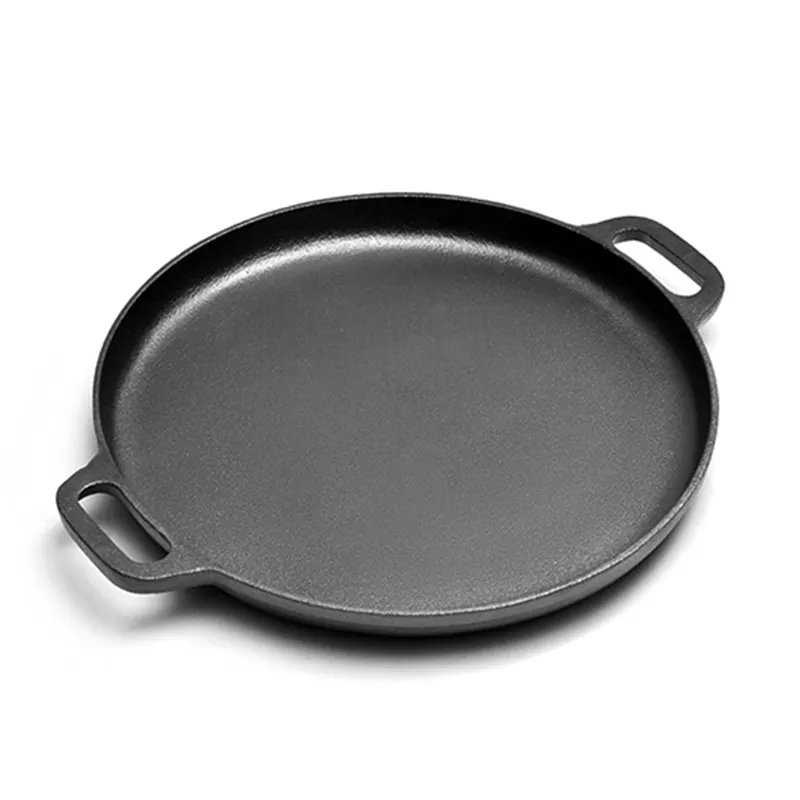
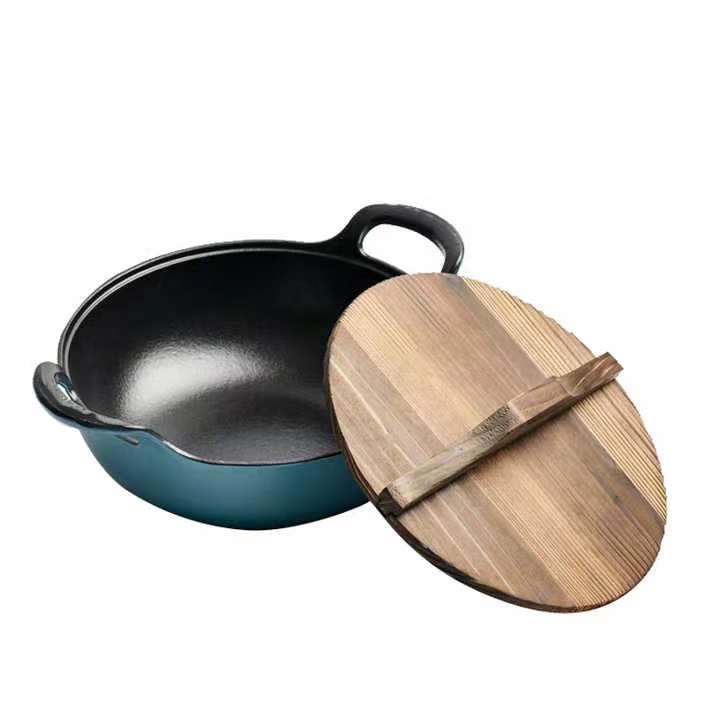
In a commercial setting, the transition from stove to table is a critical touchpoint. The implementation of dual-handle designs in mini casseroles and skillets is not merely an aesthetic choice but a safety necessity. Dual handles provide a balanced center of gravity, which significantly reduces the risk of spills and wrist strain for staff carrying multiple units. The symmetry ensures that both left- and right-handed users can maneuver the cookware with equal stability, especially when using heavy-duty oven mitts.
From a presentation standpoint, these compact vessels transform a standard meal into a curated experience. The vibrant colors of enamel finishes, such as deep cobalt or sage green, add a sophisticated visual element to the dining table. Because cast iron retains heat far longer than ceramic or stainless steel, it serves as a functional warming vessel, keeping dishes like bubbling mac and cheese or seafood stews at the ideal temperature throughout the meal. This blend of industrial durability and tabletop elegance is why these products are increasingly favored by high-end catering services.
Material Safety and Long-term Durability for High-Volume Use
One of the primary concerns for commercial buyers is the safety and longevity of the cooking surface. Enameled cast iron offers a non-toxic alternative to traditional PTFE or PFOA non-stick coatings. The glass-based enamel is chemically inert, meaning it will not leach chemicals into food even at extreme temperatures. This makes it an ideal choice for health-conscious brands and restaurants adhering to strict food safety certifications such as FDA and LFGB.
Durability is where cast iron truly outperforms cheaper alternatives. Unlike aluminum pans that can warp under high heat or non-stick pans that flake over time, a well-manufactured cast iron skillet is virtually indestructible. While raw iron requires seasoning, enameled versions are highly resistant to stains and odors. For the operator, this means a lower replacement rate and a more sustainable investment. When sourced via mini cast iron skillet wholesale channels, businesses can secure a uniform fleet of cookware that maintains its integrity through thousands of heating and cooling cycles.
Technical Specification and Selection Matrix
| Capacity/Size | Weight Range | Primary Application | Recommended Finish |
|---|---|---|---|
| 20cm 9cm (2.3L) | 3.2 kg | Individual Side Dishes | Enameled / Seasoned |
| 22cm 9.7cm (3.0L) | 3.95 kg | Breakfast / Small Mains | Pre-Seasoned |
| 24cm 10cm (3.8L) | 4.9 kg | Family Style Serving | Enameled |
| 26cm 12cm (5.4L) | 6.3 kg | Commercial Stews | Enameled |
| 28cm 11.5cm (6.1L) | 6.5 kg | Baking / Braising | Pre-Seasoned |
Procurement Strategies for Commercial Cookware Sourcing
When evaluating suppliers for bulk cookware, procurement managers must look beyond the unit price. The critical factors include the supplier's quality control systems and their ability to maintain consistency across large batches. A manufacturer with ISO9001 certification and a robust inspection process—utilizing spectrometers for material analysis and hydraulic testing for structural integrity—can guarantee that every piece in a shipment meets the same weight and thickness specifications.
Customization is another key lever in commercial procurement. The ability to specify custom sizes, weights, or enamel colors allows a brand to align its cookware with its corporate identity. Furthermore, understanding the delivery terms (FOB, CIF, EXW) and payment structures (T/T, L/C) is essential for managing supply chain costs. By partnering with a factory that possesses both casting and enamel lines in-house, buyers can reduce lead times and ensure a more integrated quality check from the raw iron stage to the final polished product.
Future Trends in Professional Ironware and Market Demand
The culinary industry is seeing a resurgence in "slow cooking" and "oven-to-table" service, which is driving a renewed interest in cast iron. We are observing a trend toward multifunctional vessels that can sear on a high-heat range and finish in a convection oven. This requires materials that can withstand rapid temperature shifts without cracking, pushing manufacturers to refine their smelting and cooling processes.
Sustainability is also becoming a primary driver. As restaurants move away from disposable materials and short-lived non-stick pans, the "buy-it-once" nature of cast iron is highly attractive. Future product developments are likely to focus on lighter-weight cast iron alloys that retain the thermal properties of traditional iron while reducing the physical burden on kitchen staff. For those engaged in mini cast iron skillet wholesale, diversifying the product range to include hybrid coatings and ergonomic variations will be key to capturing the evolving hospitality market.
Common Procurement and Technical Inquiries
What is the difference between pre-seasoned and enameled cast iron?
Pre-seasoned cast iron is treated with vegetable oil to create a natural non-stick surface, ideal for high-heat searing and rustic use. Enameled cast iron is coated in a glass-based glaze, making it non-reactive to acidic foods, easier to clean, and available in various colors for presentation.
How do you ensure quality consistency in bulk orders?
Quality is guaranteed through pre-production samples, the use of spectrometers for material purity, and final inspections before shipment to ensure every unit meets the specified weight and dimension requirements.
Are these products safe for commercial food contact?
Yes, our production processes adhere to international safety standards. Our products are certified by ISO9001, FDA, and LFGB, ensuring they are non-toxic and safe for all food types.
Can the dimensions and weights be customized for OEM orders?
We offer full customization options. Clients can specify custom sizes, capacities, and weights to meet their specific brand requirements or culinary applications.
What are the most common delivery and payment terms?
We accept diverse delivery terms including FOB, CIF, EXW, and CIP. Payment is typically handled via T/T or L/C in USD.
How should enameled cast iron be maintained in a professional kitchen?
While enameled cast iron is more durable than raw iron, hand-washing is recommended to prolong the shine of the enamel. Avoid using metal scouring pads to prevent scratching the glass surface.
Industry Standards and Technical References
- ISO 9001 Quality Management Systems Standard
- FDA Food Contact Substance Regulations
- LFGB German Food Safety Standards
- ASTM International Materials Testing Standards
Investing in high-quality cast iron is a strategic decision for any professional culinary operation. By prioritizing material certification, ergonomic design, and manufacturing consistency, businesses can enhance their service efficiency and presentation quality. For customized production and bulk pricing, we invite industry partners to discuss their specific requirements.
Complementary Cast Iron Solutions