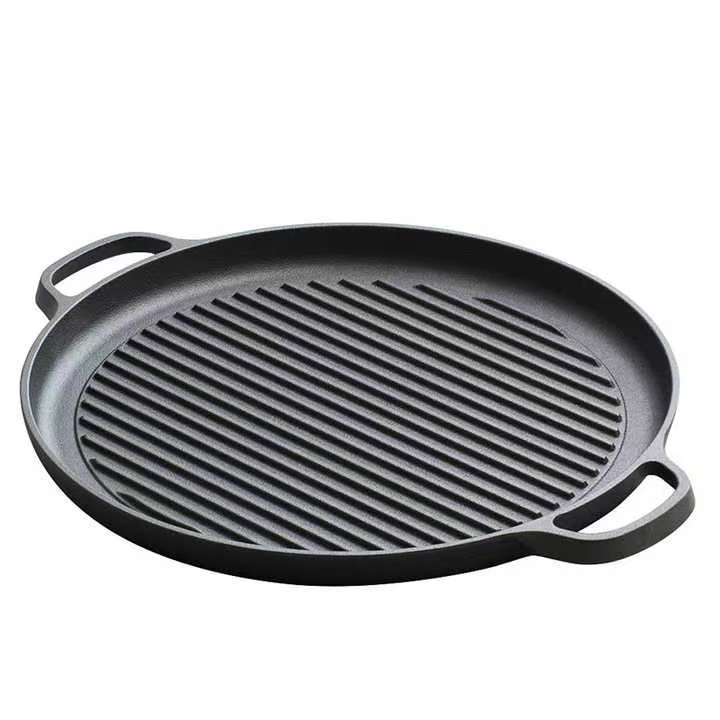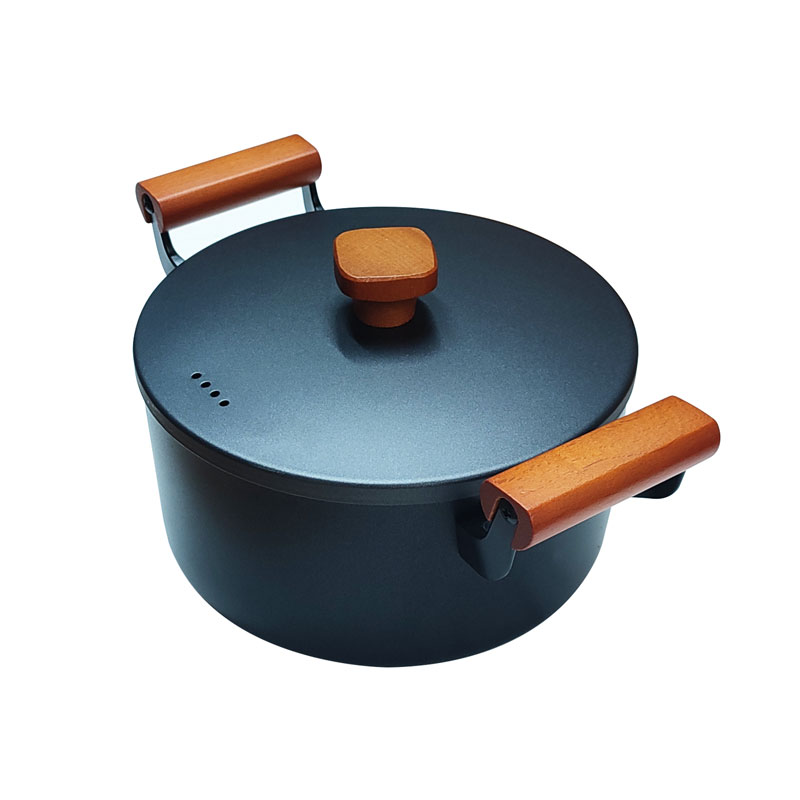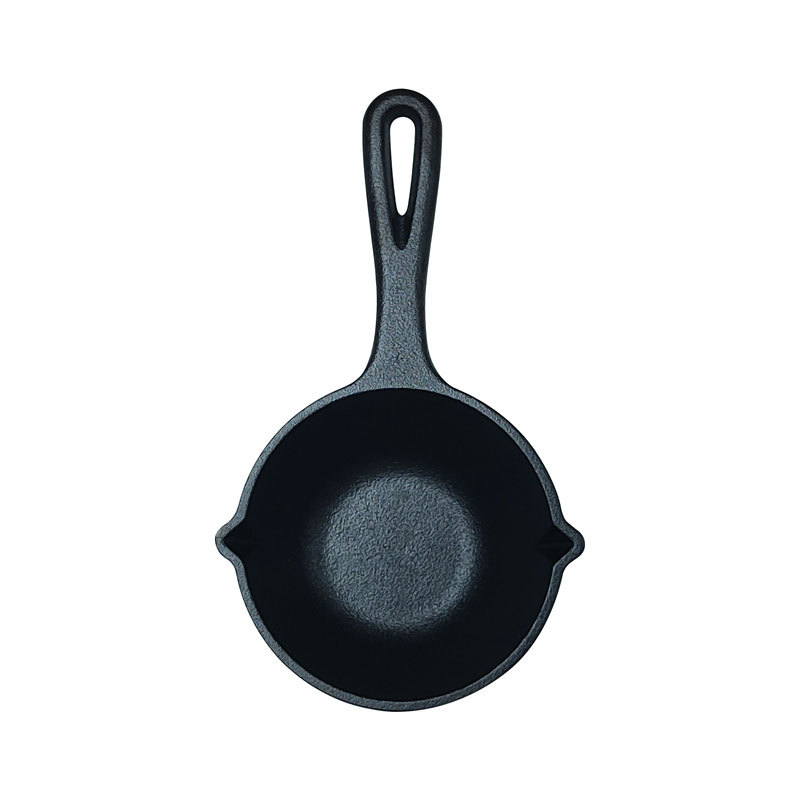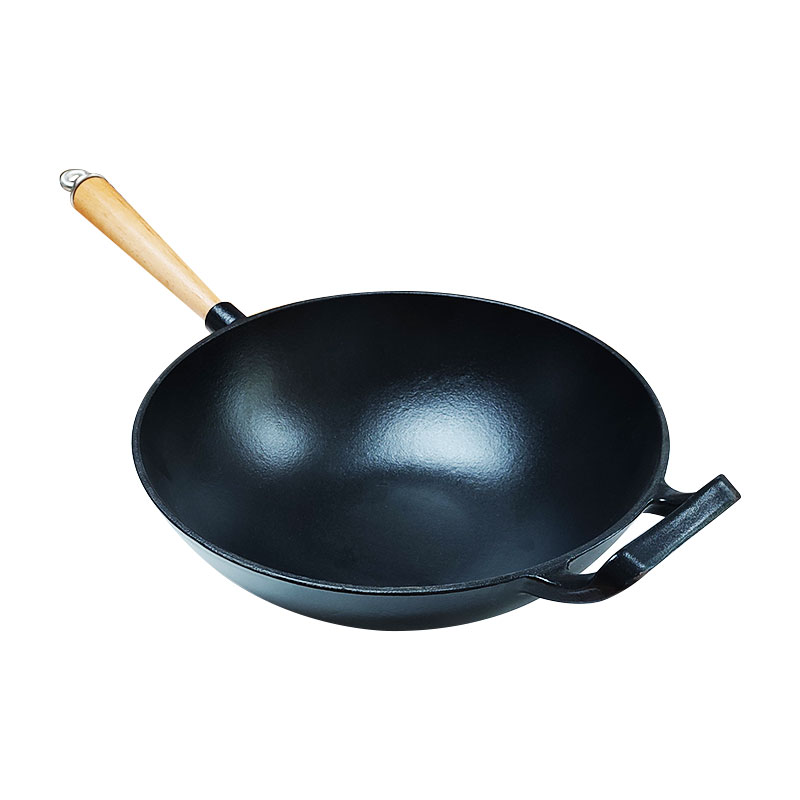








Enameled Cast Iron Cookware Sets Cost Comparison Guide

Commercial viability for import programs hinges on evaluating how landed cost and total cost of ownership drive profitability against alternative materials. Procurement managers assessing the 3-piece 6/8/10 inch enameled cast iron cookware set must balance initial unit pricing against freight penalties and long-term durability metrics. Total acquisition expenses depend heavily on regional transport lanes, container weight limits, and baseline maintenance requirements.
Volume buyers shifting from aluminum or stainless steel options need a clear comparative framework for multi-piece houseware lines. The financial outcome of such sourcing decisions relies on accurate forecasting of delivery overheads and material performance under commercial kitchen conditions.
Consolidating SKUs with the 3-Piece Enameled Cast Iron Set
SKU Streamlining and Assortment Architecture
Offering a graduated 3-piece set containing 6, 8, and 10-inch vessels enables category buyers to streamline warehouse inventory and reduce SKU proliferation across retail channels. The complete grouping covers a broad spectrum of culinary workflows, encompassing baking, stovetop cooking, frying, sautéing, simmering, roasting, and one-pot meals without requiring separate purchasing lines for individual dimensions. Category managers consolidate supplier relationships into a single procurement order, minimizing administrative overhead across seasonal home goods programs.
Bundled cast iron cookware provides distinct merchandising appeal for retailers targeting versatile kitchen solutions. Standardized nesting configurations optimize shelf display space and simplify outbound logistics from distribution hubs to retail storefronts. Exact master carton dimensions and gross weight thresholds depend on specific packaging specifications determined during preliminary sample evaluation phases.
Channel Efficiency and Assortment Depth
Reducing active inventory items simplifies stock rotation and lowers holding costs across regional distribution networks. Procurement teams balancing multi-piece assortments benefit from predictable carton metrics that match standard warehouse racking capacities. Specific unit weight variations between individual sizes dictate the exact load-bearing requirements for pallet stacking layers during long-haul transit, which require verification prior to dispatch.
Retail buyers scaling kitchenware lines utilize bundled sets to test market demand across multiple price points with minimal SKU complexity. Consolidated shipments decrease the frequency of partial deliveries, ensuring more reliable stock replenishment cycles for seasonal promotional campaigns.
Maritime Freight Weight Penalties and Density-to-Volume Ratios
Dense materials dictate that ocean carriers evaluate bulk consignments based on actual scale weight rather than volumetric measurements alone. Heavy houseware shipments typically reach container mass limits before available spatial volume is exhausted.
Transport expenditure comparisons highlight the distinct shipping profiles of various kitchenware materials when moved across international trade lanes. Lighter alternatives allow high volume utilization per twenty-foot equivalent unit, whereas heavy iron items reach maximum weight thresholds at lower volume capacities.
| Material | Suitability for Humid Environments | Price Tier | Required Documentation |
|---|---|---|---|
| Enameled Cast Iron | High corrosion resistance due to porcelain glass lining | Medium to High | Contact the supplier to obtain the files |
| Aluminum | Moderate corrosion risk requiring protective anodization | Low to Medium | Contact the supplier to obtain the files |
| Stainless Steel | High corrosion resistance in standard marine conditions | Medium to High | Contact the supplier to obtain the files |
Container payload optimization requires strict adherence to international road and maritime weight regulations. Loading heavy goods past allowable axle limits results in port fines or mandatory offloading, which disrupts supply chain timelines.

Evaluating Total Cost of Ownership Against Bare Cast Iron
Eliminating Periodic Seasoning Maintenance Costs
End-user maintenance expenses drop significantly when porcelain enamel replaces bare iron surfaces across domestic and commercial kitchens. Procurement teams evaluating long-term budgets avoid the ongoing consumption of chemical oils, heating energy, and specialized scrubbing agents required to prevent red rust formation during storage periods. Multi-year financial calculations show that removing manual seasoning workflows shifts operational expenditures away from recurrent labor toward a stable acquisition cost structure.
Operational friction diminishes as maintenance demands subside.
Surface Durability and Replacement Frequency
Glass-lined metallic matrices resist pitting corrosion and chemical degradation far longer than untreated cooking vessels exposed to high-humidity environments. Long-term replacement frequency drops as porcelain enamel withstands repeated thermal cycles without degrading the underlying substrate. Total lifecycle expenditure depends heavily on daily usage intensity and regional kitchen humidity levels, dictating when units finally reach their retirement threshold.
Surface retention protects the underlying metal during heavy service.

Porcelain Enamel Fragility and Transit Damage Mitigation
Vulnerability Mechanics of Vitreous Enamel Layers
Rigid porcelain enamel coatings react adversely to high-frequency vibrational shocks and lateral impacts typical of containerized maritime shipping. While the underlying iron core provides high structural durability, the outer glass-fused surface lacks elastic deformation capacity, making micro-chipping along rim edges a primary risk during long-haul transport. Unprotected stacking without proper inter-vessel separation routinely induces localized fracturing when pallets encounter severe wave action or rough handling at destination ports.Specifications for Protective Cushioning and Carton Architecture
Preventing transit degradation requires deploying multi-layer corrugated dividers and high-density polyethylene foam inserts tailored to nesting geometries. These buffer materials absorb kinetic energy transferred through palletized master cartons, isolating each vessel from direct friction across commercial inventory lines. Furthermore, shrink-wrapping individual units prior to master carton placement restricts shifting when vessels encounter adverse sea states.Mitigating Delivered Cost Inflation and Reverse Logistics Overhead
Unmitigated transit friction directly inflates reverse logistics expenses and diminishes net profitability across commercial distribution networks. When breakage rates exceed acceptable contractual thresholds, wholesale buyers absorb the combined cost of replacement freight, inventory write-offs, and delayed retail fulfillment schedules. Therefore, calculating true delivered costs depends heavily on order volume, pallet configuration, and destination port constraints.
Factory Production Lead Times and Container Load Optimization
Factory production lead times for heavy enameled cast iron housewares depend heavily on foundry casting capacity, enamel firing schedules, and order volume tiers, requiring procurement schedules to align with seasonal retail inventory replenishment calendars. Maritime container load optimization dictates that heavy cookware shipments must balance gross weight limits against volumetric capacity, as porcelain-enameled iron reaches statutory weight thresholds long before boxes fill available headroom. Mixed master cartons containing 6, 8, and 10-inch vessels must be arranged across container floors to distribute weight evenly and prevent drayage axle-load violations.
Pallet stacking limits are governed by the compressive strength of corrugated master cartons under high maritime humidity conditions during ocean transit. Vessel schedules, destination port crane constraints, and local drayage regulations vary significantly depending on the destination market and seasonal congestion patterns, requiring buyers to verify routing parameters directly with ocean carriers. Tariff calculations and freight audits depend on gross cargo weight and individual carrier billing rules rather than fixed global formulas.
| application | material | size |
|---|---|---|
| stovetop cooking | Enameled Cast Iron | 6 Inch |
| roasting | Enameled Cast Iron | 8 Inch |
| one-pot meals | Enameled Cast Iron | 10 Inch |

Logistics planners calculate total shipment tonnage based on exact master carton counts and pallet configurations to prevent terminal demurrage charges. Production batches scheduled during peak shipping seasons require extended lead time buffers to accommodate port congestion and carrier allocation limits.
Calculating True Landed Cost Versus Alternative Materials
Calculating the true landed cost requires aggregating factory gate pricing, maritime transit weight penalties, and potential transit damage into a single mathematical model for budget forecasting. Procurement planners incorporate material density and container optimization rates to predict expenses before opening letters of credit.
The financial profile of enameled cast iron imports differs from lighter alternatives due to the heavy density-to-volume ratio. While stainless steel and aluminum incur lower ocean freight weight surcharges per cubic meter, the extended service life of cast iron alters lifecycle expenditure projections.
| Material Type | Price Tier | Suitability for Humid Environments | Required Documentation |
|---|---|---|---|
| Enameled Cast Iron | Moderate to High Initial Outlay | High Resistance (Enamel Coated) | Available for Import Assessment |
| Aluminum | Lower Baseline Cost | Moderate Maintenance Required | Varies by Destination Port |
| Stainless Steel | Variable by Grade | High Corrosion Resistance | Standard Commercial Invoices |
Decision frameworks for multi-piece assortments depend heavily on container load optimization limits and final destination port tariffs. Importing managers balance initial unit costs against long-term maintenance overhead to determine category profitability.
Frequently Asked Questions
Bundling 6, 8, and 10-inch vessels into a single nesting configuration allows distribution centers to stack units vertically, reducing the warehouse footprint required for inventory storage. Category buyers can maintain stock for baking, stovetop cooking, frying, sautéing, simmering, roasting, and one-pot meals under a single catalog reference, which simplifies stock rotation across regional distribution hubs.
Iron possesses a substantially heavier density-to-volume ratio than alternative materials, causing ocean carriers to apply higher weight-based surcharges for container space. Bulk importers face increased baseline freight expenses per cubic meter because the physical tonnage of cast iron limits the total volume a single container can transport before reaching maximum gross weight thresholds.
The porcelain enamel coating creates a smooth vitrified barrier that removes the need for seasoning rituals associated with bare cast iron, lowering long-term upkeep efforts for retail customers. This surface layer also prevents active rusting during storage and usage, reducing the total cost of ownership by eliminating the replacement cycles typical of improperly maintained traditional ironware.
Import programs manage surface chipping during long-haul logistics by specifying reinforced master cartons and high-density interior cushioning designed to absorb mechanical shocks. Logistics managers evaluate drop-test results and packaging integrity during pre-shipment sample inspections to keep return rates and replacement overheads within acceptable commercial margins.
Shipping schedules and weight limits depend heavily on vessel availability, port congestion, and local destination axle-load regulations rather than fixed calendar days. Procurement teams must audit specific route capacities and verify container payload distributions with freight forwarders before finalizing purchase orders for heavy houseware shipments.
Conclusion
Executing Import Audits and Verification Protocols
Procurement teams finalize strategic manufacturing agreements by initiating trial shipments to validate structural performance under real-world transport conditions. Assessing initial batch resilience ensures that transit parameters align with projected operational expenditures before scaling up purchase volumes, with total delivery timelines fluctuating according to seasonal shipping lanes and carrier vessel availability.
Logistics Data Audits
Import managers audit historical delivery metrics against regional port capabilities to prevent unexpected demurrage charges and customs delays. Evaluating historical freight density calculations helps supply chain planners optimize container load configurations across varying maritime routes.
Logistics planners coordinate with carriers to schedule trial deliveries that test specific port handling routes without risking capital on unverified production runs. Container load configurations vary depending on destination port weight limits and local handling infrastructure constraints.
Sample Set Verification
Requesting sample sets allows quality assurance personnel to verify packaging integrity and physical dimensions prior to full-scale container deployment. Supply chain operators adjust pallet stacking heights to optimize maritime freight expenditure against regional tariff structures, with exact vessel schedules depending directly on destination port constraints and carrier availability.
Inspecting sample items guarantees consistent surface finish across the entire assortment before committing to volume purchases. Final delivery schedules depend directly on seasonal shipping lanes and carrier vessel availability, influenced heavily by regional transport lanes and container weight limits.