
wechat
WeChat
whatsapp
Email
up

High-Performance enamel pots and pans Solutions for Central African Republic

Industrial-grade cast iron cookware engineered for durability and efficiency in the unique culinary landscapes of Bangui and beyond.

High-Performance enamel pots and pans Solutions for Central African Republic

We provide professional-grade cast iron vessels designed to withstand extreme heat and heavy-duty use, ensuring long-term reliability for both domestic and commercial kitchens in Central African Republic.

Cast Iron Manufacturing Status in Central African Republic

Analyzing the intersection of traditional cooking methods and modern metallurgical demands.

In the Central African Republic, the culinary culture relies heavily on open-fire cooking and charcoal stoves. Due to the high humidity and tropical climate, the demand for cast iron vessels is high, as they offer the thermal mass required for slow-cooking indigenous stews and grains.

However, the local market faces a challenge with oxidation. The humid atmosphere accelerates rusting, making the process of curing cast iron pan surfaces essential for extending the lifespan of cookware. Most current imports are either low-grade alloys or high-end European brands, leaving a gap for durable, mid-priced industrial options.

The emergence of urban dining in Bangui has increased the interest in specialized equipment. There is a growing trend toward using enamel pots and pans to prevent acidic food reactions and simplify the cleaning process in fast-paced commercial environments.
Evolution of Cookware Technology

From artisanal smelting to precision industrial casting.

Market Development History

Prior to 2000, the market was dominated by heavy, unrefined cast iron pots produced via traditional sand casting. These vessels were durable but lacked heat distribution efficiency and were prone to rapid corrosion.

Between 2010 and 2020, the introduction of automated molding and refined alloy mixtures improved the consistency of cast iron vessels. This era saw the shift toward smoother interior surfaces, reducing the effort required for seasoning.

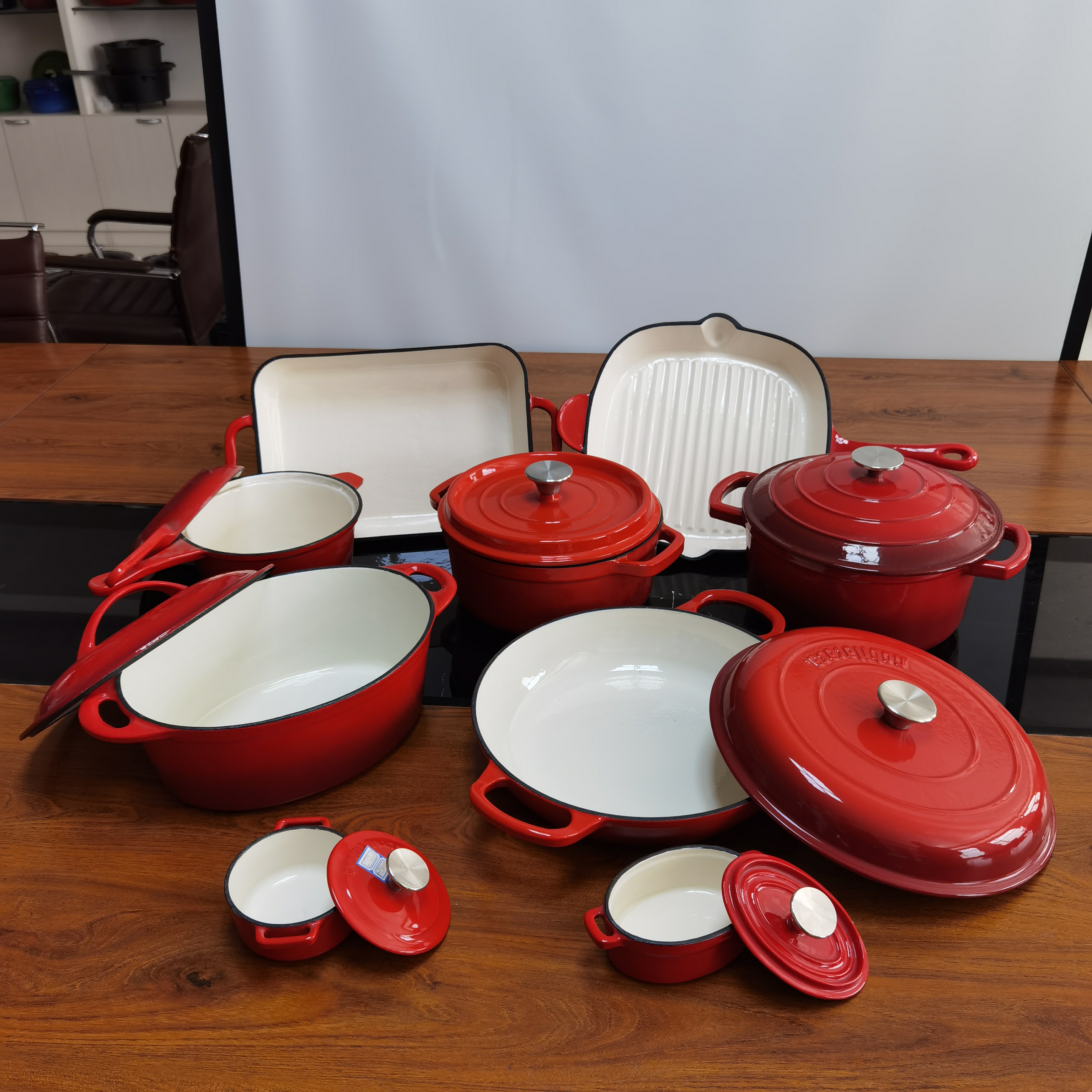
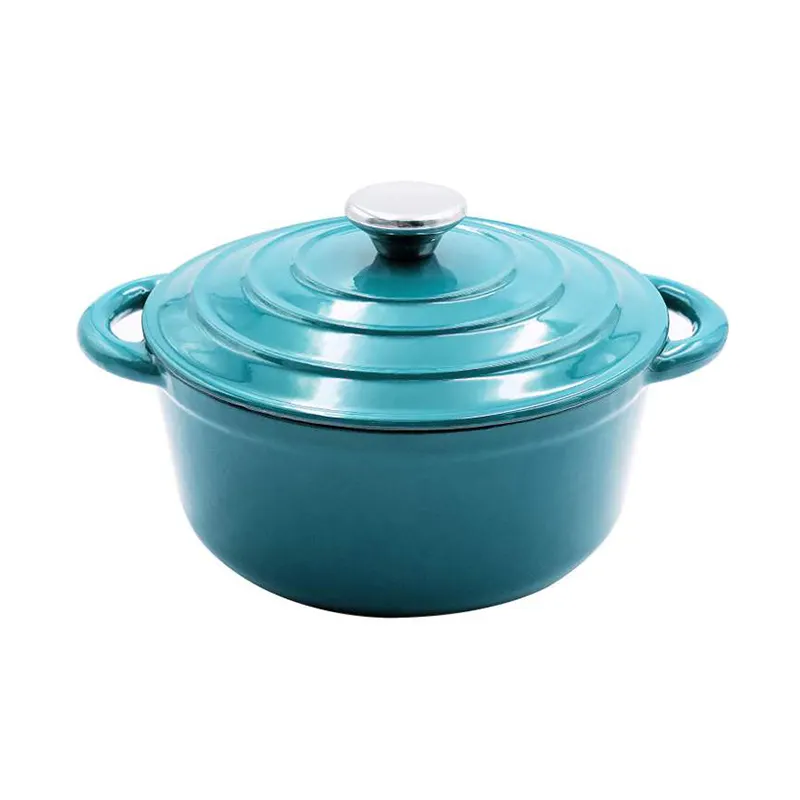
Today, the focus has shifted to surface engineering. The integration of vitreous enamel coatings has allowed for the mass production of enamel pots and pans that combine the heat retention of iron with the non-reactive properties of glass.

Future Development Trends

Precision Thermal Engineering

Integration of lightweight cast iron alloys that maintain heat capacity while reducing the physical burden for transport in rural regions.

Advanced Anti-Corrosion Coatings

Development of hybrid coatings that eliminate the need for frequent curing cast iron pan cycles, specifically targeting tropical humidity.

Specialized Gastronomy Gear

Increased demand for cast iron individual serving pots as the hospitality sector in Central African Republic adopts more formal plating styles.

Industry Trends and Future Outlook

Forecasting the technological trajectory of metal cookware in the CAR region.

Eco-Friendly Casting
Shift toward recycled iron scrap and energy-efficient furnaces to reduce the carbon footprint of heavy metal production.
Hybrid Surface Coating
Combining ceramic and enamel to create a non-stick surface that handles high-temperature grill environments.
Modular Design
Developing stackable and multi-functional vessels to save space in compact urban kitchens.
Digitalized Quality Control
Applying laser scanning and ultrasonic testing to eliminate casting voids and ensure uniform thickness.

Industry Outlook

Google search trends indicate a rising interest in sustainable and lifelong kitchenware. In the context of Central African Republic, this translates to a pivot away from disposable aluminum and toward high-density ironware.

We predict a 15% increase in the adoption of professional-grade cast iron vessels over the next 3-5 years as the hospitality sector expands and consumers prioritize health and durability over convenience.

Localized Application Scenarios in Central African Republic

Real-world utility of cast iron cookware in diverse regional settings.

1. Traditional Open-Fire Stewing

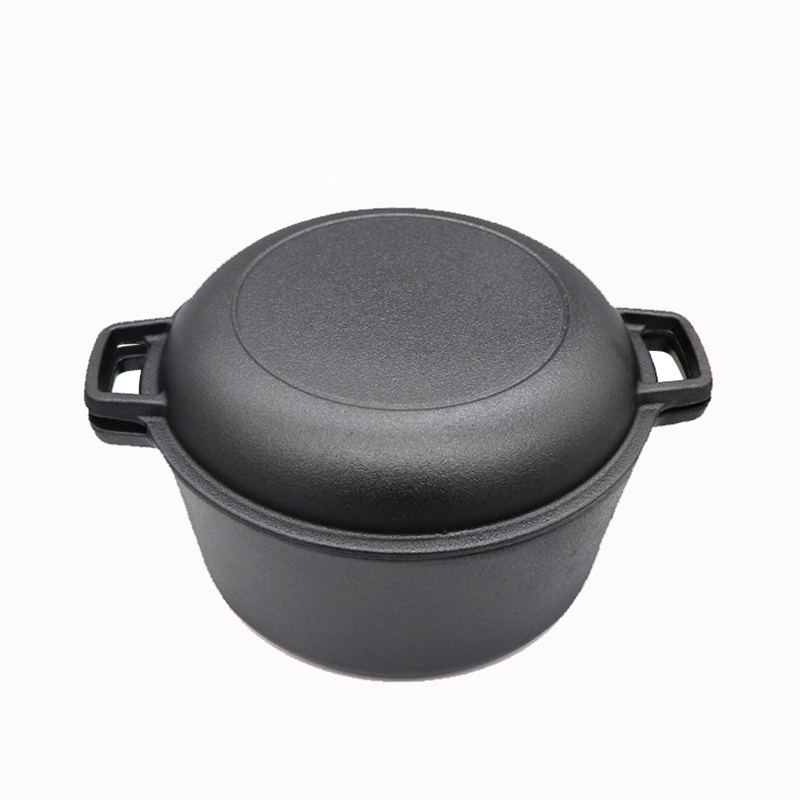
Using high-capacity cast iron pots to prepare slow-cooked meats and tubers over charcoal, leveraging the heat retention to maintain constant temperatures for hours.

2. Modern Outdoor Grilling

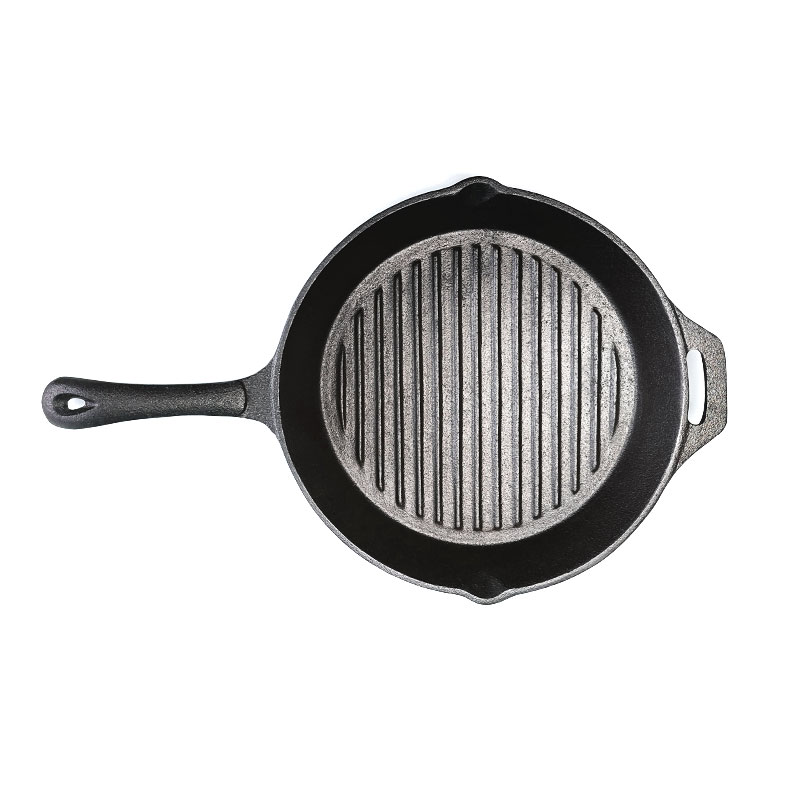
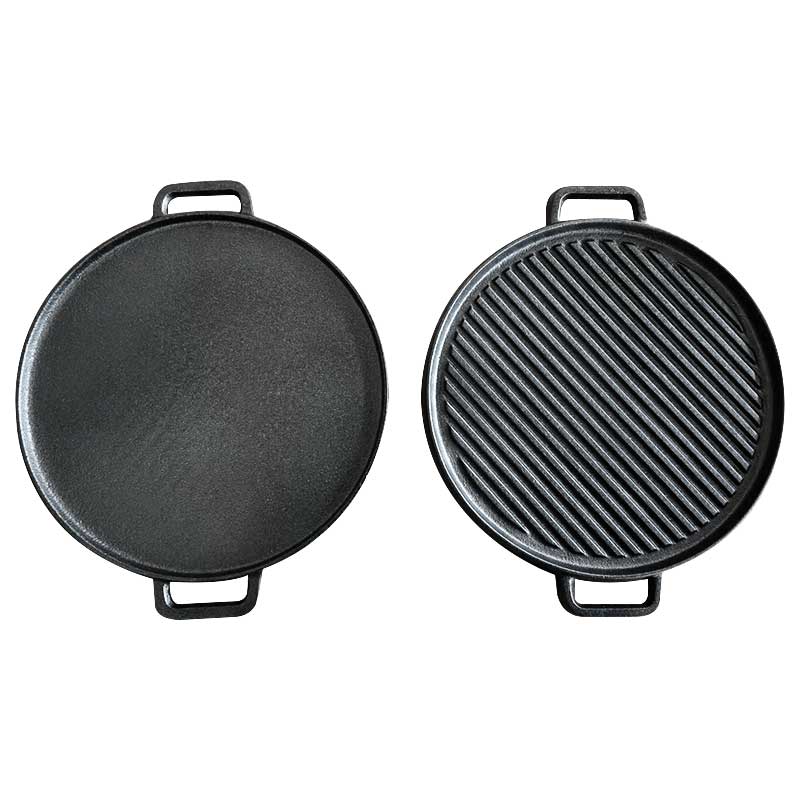
Showing chefs how to use cast iron skillet on grill stations to sear meats at extremely high temperatures, creating a professional crust impossible with thin steel.

3. Urban Boutique Dining

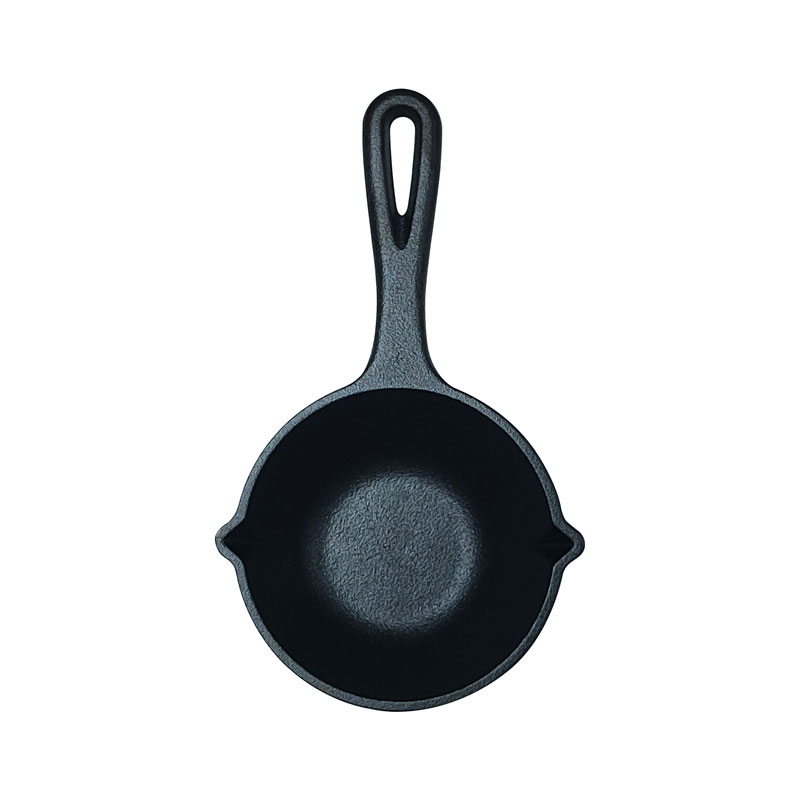
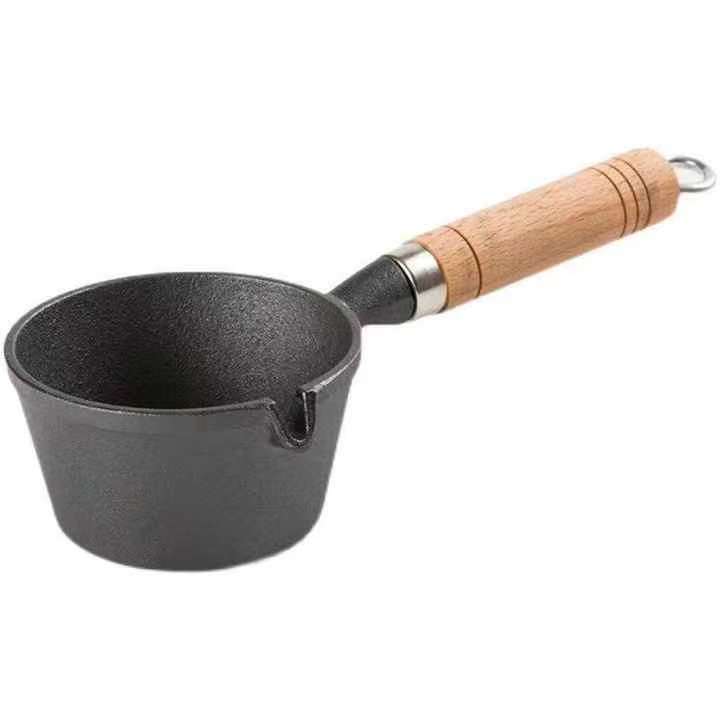
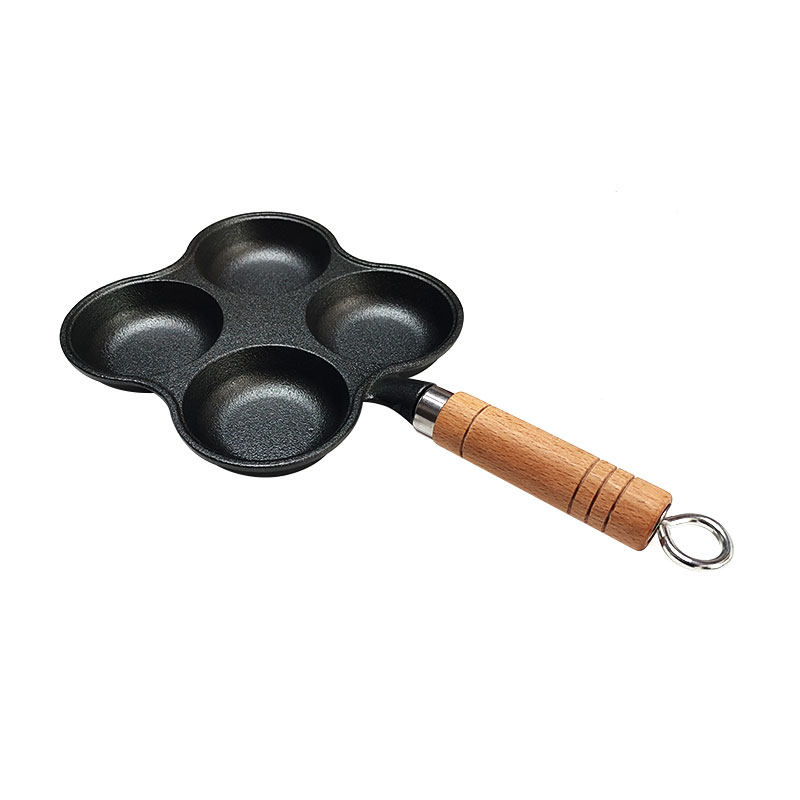
Implementing cast iron individual serving pots in Bangui's emerging bistro scene to serve sizzling appetizers directly from the oven to the table.

4. High-Acidity Food Preservation

Utilizing enamel pots and pans for cooking tomato-based sauces and acidic stews to prevent metallic tastes and ensure food safety.

5. Community Kitchen Maintenance

Establishing standardized protocols for curing cast iron pan surfaces in large-scale community centers to ensure the cookware remains non-stick and rust-free.

Brand Story

Global Development History of Hebei DB Cookware Technology Co., Ltd.

Industrial Foundations

Founded on the principles of metallurgical excellence, we started by perfecting the sand-casting process to create the most durable iron bases in the industry.

Enamel Innovation

We bridged the gap between traditional iron and modern convenience by developing a proprietary vitreous enamel fusing process that prevents chipping.

Global Expansion

Expanding our footprint into Africa, we tailored our product line to withstand the challenging environmental conditions of tropical and arid zones.

Quality Certification

Achieving international food-grade certifications to ensure that our metal cookware is safe for every household and commercial kitchen globally.

Sustainable Future

Our mission today is to eliminate "disposable cookware" by providing lifelong vessels that pass through generations of families.

Common Questions for Cast Iron Users in CAR

Expert advice on maintaining and using metal cookware in humid environments.

How often should I perform curing cast iron pan procedures in humid climates?

In high-humidity areas like Bangui, we recommend a light seasoning layer every 3-5 uses to maintain the hydrophobic barrier and prevent oxidation.

Can I use cast iron skillet on grill settings over open charcoal?

Yes, our cast iron is designed for extreme heat. Just ensure the heat is distributed evenly to avoid warping, although the thickness of our vessels makes this unlikely.

What are the benefits of using enamel pots and pans for acidic stews?

Enamel provides a non-reactive glass layer that prevents acids in tomatoes or citrus from leaching metal into your food, ensuring a pure taste.

Are cast iron individual serving pots suitable for commercial restaurant use?

Absolutely. They are highly durable and maintain heat for a significantly longer time than ceramic, improving the dining experience for the guest.

How do I clean heavy-duty cast iron vessels without stripping the seasoning?

Avoid harsh detergents. Use hot water and a stiff brush. Immediately dry the vessel on a stove and apply a thin coat of oil before storing.

Why is cast iron preferred over aluminum for slow-cooking in CAR?

Cast iron has superior thermal mass, meaning it keeps heat longer and distributes it more evenly, which is critical for the long simmering times required for local dishes.

Get Industrial Cookware Expertise

Ready to upgrade your kitchen infrastructure? We provide specialized logistics and support for all orders within Central African Republic.

Contact Us Now

Inquire Now for Cast Iron Cookware Deals

Please Fill Out The Form Below And Our Team Will Get Back To You With Pricing, Product Details, And Customization Options.

If you are interested in our products, you can choose to leave your information here, and we will be in touch with you shortly.