
wechat
WeChat
whatsapp
Email
up

Premium Culinary Solutions with enamel pots and pans in Palestine

Engineering high-performance cast iron cookware tailored for the unique culinary heritage and demanding kitchen environments of the Palestinian region.

Premium Culinary Solutions with enamel pots and pans in Palestine

From traditional slow-cooking to modern gastronomic presentation, our cast iron range provides unmatched heat retention and durability for Palestine's professional and home chefs.

Current Landscape of Cookware Manufacturing in Palestine

Analyzing the intersection of traditional metalworking and modern culinary demands.

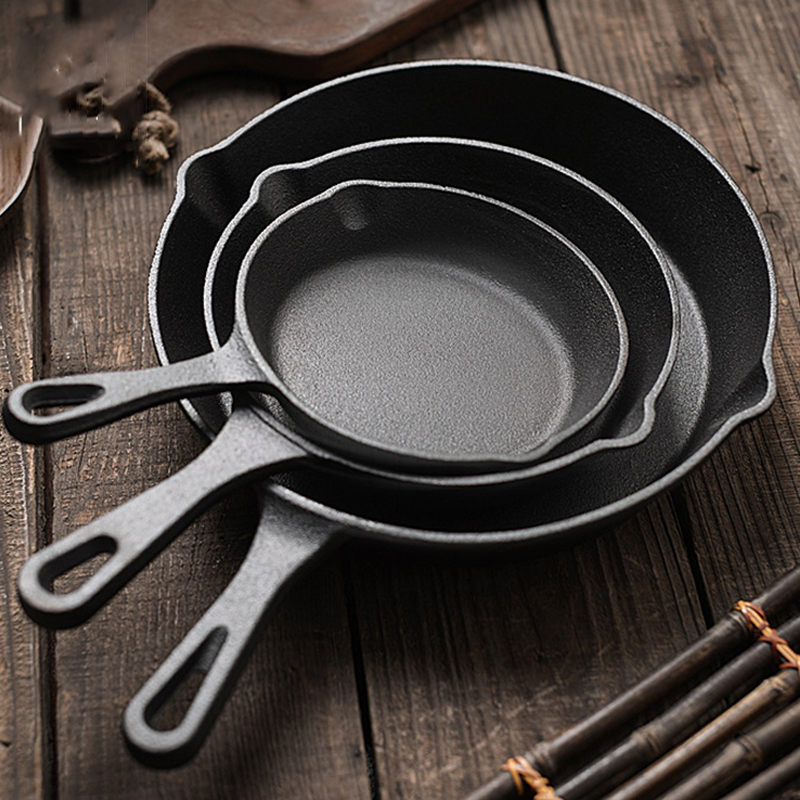
In Palestine, the cookware market is characterized by a deep respect for ancestral cooking methods, where cast iron vessels have historically been preferred for their ability to withstand open-fire cooking and maintain steady temperatures for long-simmering stews.

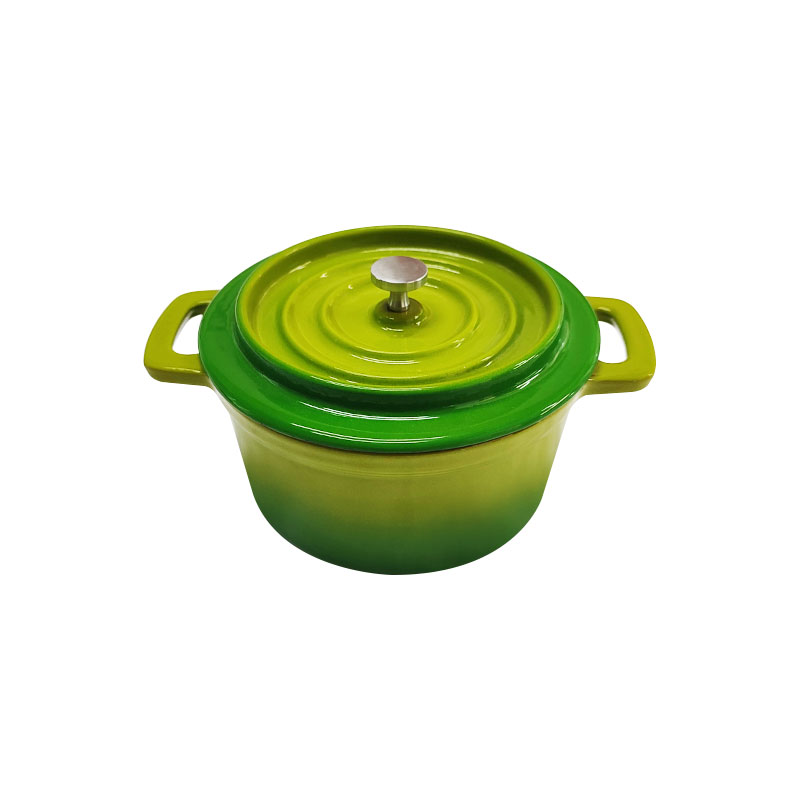
However, the harsh environmental conditions, including varying humidity and the prevalence of salty coastal air in some regions, have increased the demand for more resilient materials. This has led to a shift toward enamel-coated products that prevent oxidation while retaining the heat-holding properties of iron.

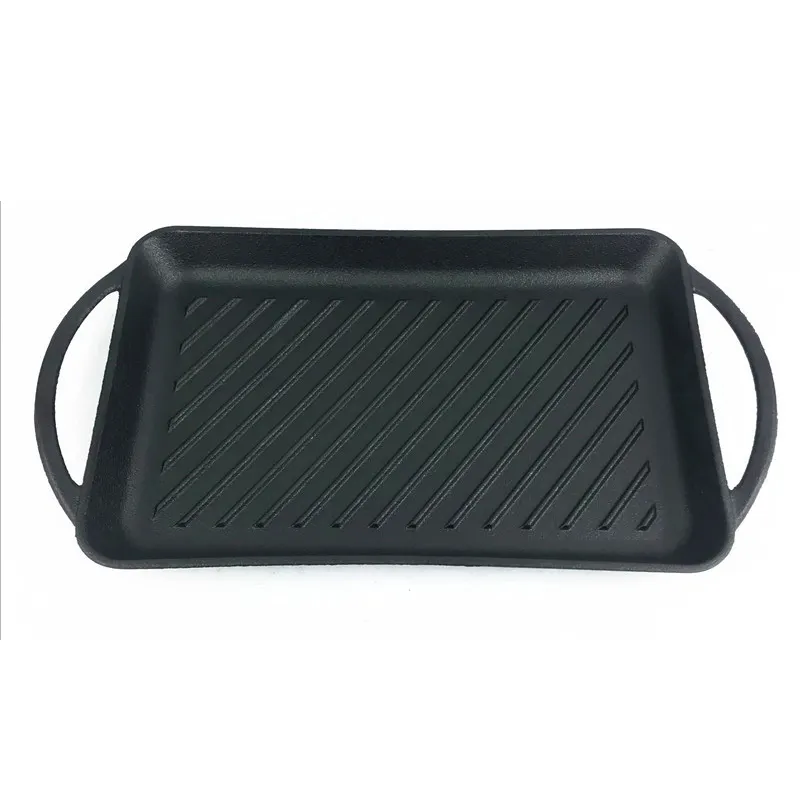
Currently, there is a growing trend among the youth and urban professionals in cities like Ramallah and Gaza to integrate global grilling techniques, increasing the search for versatility, such as learning how to use cast iron skillet on grill for authentic searing.
Evolution and Trajectory of Cast Iron Technology

From artisanal foundries to precision-engineered culinary tools.

Market Development History

Historically, the region relied on heavy, sand-cast pots produced in local workshops. These early cast iron vessels were durable but required intensive maintenance to prevent rust, often relying on primitive seasoning methods.

Between 1990 and 2010, the introduction of industrial centrifugal casting and refined metallurgy allowed for thinner walls and better heat distribution. This era saw the rise of standardized shapes and the introduction of pre-seasoned surfaces to simplify the user experience.

In the last decade, the integration of high-grade vitreous enamel has revolutionized the market. The transition to enamel pots and pans has eliminated the need for complex curing while providing a non-reactive surface for acidic ingredients common in Levantine cuisine.

Future Development Trends

Advanced Thermal Conductivity Coatings

Development is moving toward hybrid coatings that combine the longevity of enamel with the rapid response of aluminum, reducing energy consumption in domestic kitchens.

Precision Miniaturization

There is a rising demand for cast iron individual serving pots to cater to the high-end "farm-to-table" restaurant trend emerging in urban hubs.

Sustainable Manufacturing Processes

Future iterations will focus on recycled iron scrap and carbon-neutral smelting processes to align with global environmental standards and local sustainability goals.

Industry Trends and Future Outlook

Projecting the shift in cookware preferences and manufacturing standards.

Eco-Friendly Smelting
Shift towards electric induction furnaces to reduce the carbon footprint of cast iron production.
Smart Heat Distribution
Implementing precise wall-thickness variations to eliminate hot spots in large vessels.
Anti-Corrosive Enameling
Next-gen glass coatings designed specifically for coastal Palestinian humidity.
Boutique Sizing
Expanding the range of specialized small-batch pots for personalized dining.

Industry Outlook

The next 3-5 years will see a convergence of traditional craftsmanship and high-tech material science. Google search trends in the Middle East indicate a sharp rise in "low-maintenance cast iron," suggesting that consumers are moving away from labor-intensive maintenance toward pre-treated solutions.

As culinary tourism grows in Palestine, we expect professional kitchens to invest heavily in high-end cast iron vessels that can move seamlessly from the oven to the table, emphasizing both functionality and aesthetic appeal.

Localized Application Scenarios in Palestine

Practical uses of cast iron in Palestinian homes and professional kitchens.

1. Traditional Maqluba Slow-Cooking

Utilizing deep cast iron pots to achieve a perfectly caramelized crust on the bottom of the rice and meat, ensuring a seamless "flip" during presentation.

2. Coastal Grill Seafood Searing

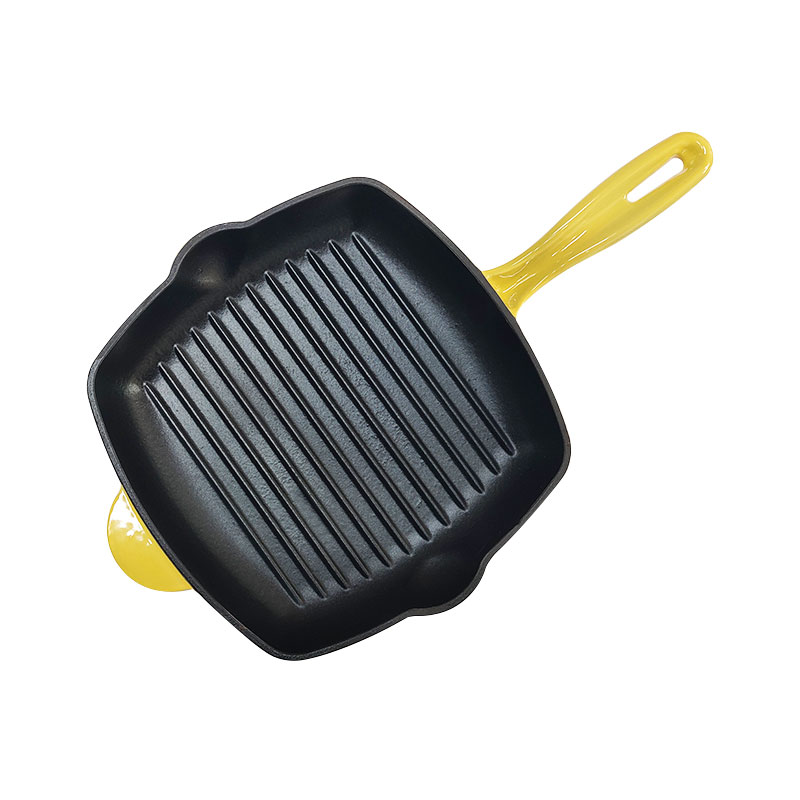
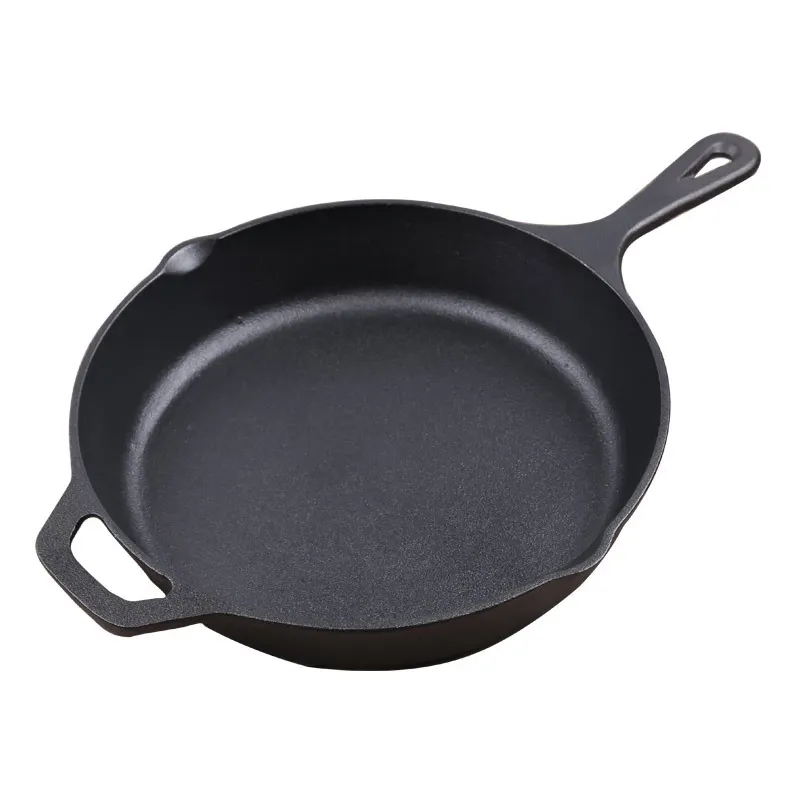
Teaching chefs how to use cast iron skillet on grill to sear fresh Mediterranean fish with a professional crust while maintaining juicy interiors.

3. Modern Meze Presentation

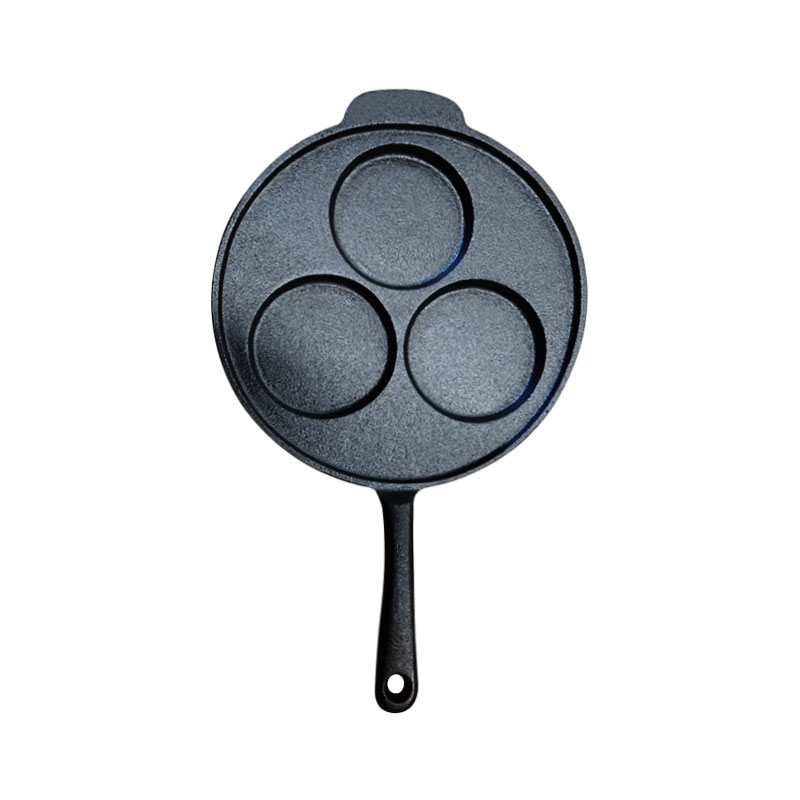
Using cast iron individual serving pots for appetizers like melted cheeses or shakshuka, served sizzling directly to the guest.

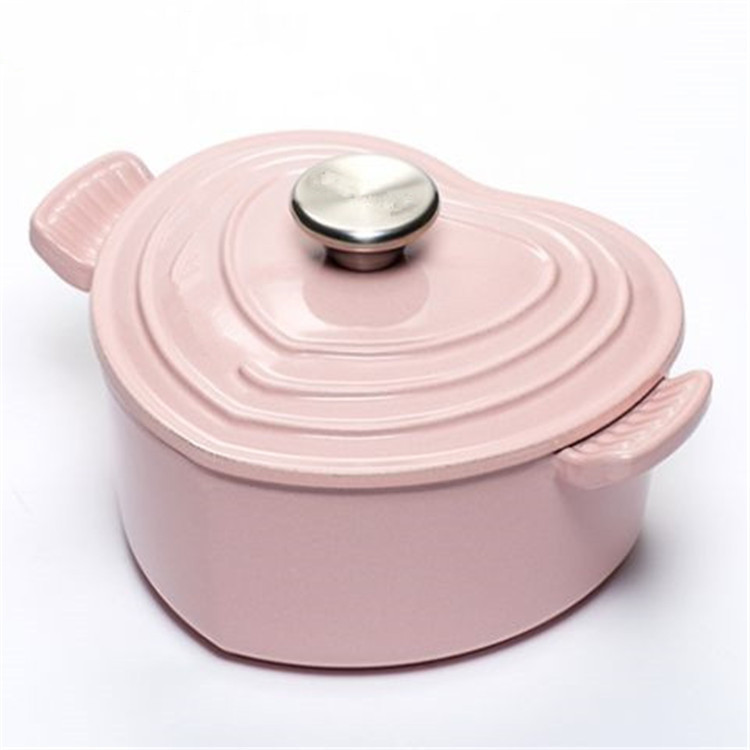
4. High-Acidity Stews in Enamel

Employing enamel pots and pans for tomato-based stews, preventing the metallic taste associated with raw iron and ensuring food safety.

5. Heritage Maintenance Education

Implementing workshops on curing cast iron pan techniques for families preserving ancestral cookware, blending old-world oils with modern heat-treating.

Brand Story

Global Development History of Hebei DB Cookware Technology Co., Ltd.

The Foundation of Quality

Started with a mission to refine the casting process, focusing on eliminating porosity in iron to create the most stable heat-conducting bases in the industry.

Material Innovation

Expanded into advanced enameling technology, solving the industry pain point of enamel chipping through high-temperature fusing processes.

Global Reach

Established strategic export channels to the Middle East, adapting our product weights and sizes to fit regional culinary preferences.

Sustainable Engineering

Integrated green manufacturing protocols, reducing waste in the foundry and ensuring all coatings are PFOA-free and food-safe.

The Future of Cooking

Continuing to innovate the synergy between traditional iron and modern aesthetics to serve the world's most demanding chefs.

Frequently Asked Questions in Palestine

Expert answers to the most common queries regarding cast iron maintenance and usage.

What is the best way for curing cast iron pan in humid coastal areas?

In humid regions, we recommend using a high-smoke point oil like grapeseed oil and performing the curing process in an oven at 230°C for one hour to create a hard, moisture-resistant polymer barrier.

Can I use enamel pots and pans for long-term simmering of tomato-based dishes?

Yes, our enamel coating is non-reactive, making it ideal for acidic ingredients. Unlike raw iron, it will not leach metallic flavors into your food during long cooking cycles.

Is it safe to use cast iron skillet on grill for high-heat searing?

Absolutely. Cast iron is designed for extreme heat. When using a skillet on a grill, ensure it is preheated slowly to avoid thermal shock, which allows for a perfect sear on meats and vegetables.

How do I maintain cast iron individual serving pots for restaurant use?

For commercial use, avoid harsh detergents. Wash with warm water, dry immediately on a heat source, and apply a thin layer of oil before storage to maintain the seasoning.

What makes professional cast iron vessels different from household ones?

Professional vessels feature increased wall thickness for superior heat stability and reinforced handles designed for heavy-duty lifting in fast-paced kitchen environments.

Do I need to season my enamel-coated cookware?

No, enamel-coated products do not require seasoning. The glass-based coating provides a natural non-stick surface and protects the iron from rusting without the need for curing.

Get Professional Grade Cookware Today

Our engineering team is ready to provide tailored manufacturing solutions for your business in Palestine.

Contact Us Now

Inquire Now for Cast Iron Cookware Deals

Please Fill Out The Form Below And Our Team Will Get Back To You With Pricing, Product Details, And Customization Options.

If you are interested in our products, you can choose to leave your information here, and we will be in touch with you shortly.