
wechat
WeChat
whatsapp
Email
up

Premium enamel pots and pans for Brazil's Culinary Excellence

Integrating industrial-grade durability with the vibrant gastronomic traditions of the Brazilian market.

Premium enamel pots and pans for Brazil's Culinary Excellence

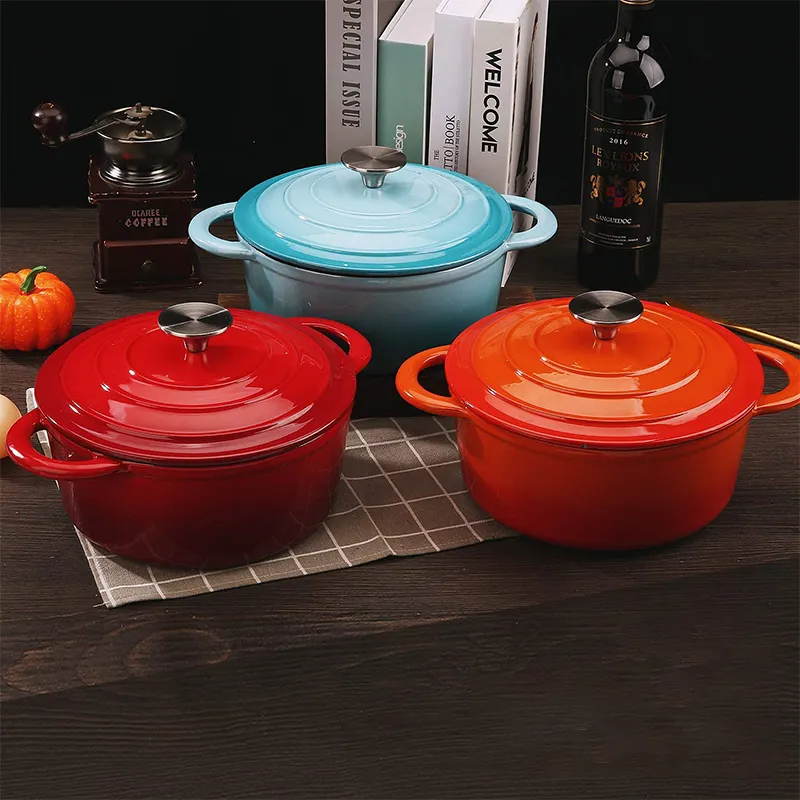
Discover the ultimate fusion of heat retention and modern aesthetics, specifically engineered to withstand the demanding high-heat cooking styles prevalent in South American kitchens.

The Landscape of Cast Iron Cookware in Brazil

Analyzing the intersection of traditional Churrasco culture and modern kitchen requirements.

In Brazil, the culinary landscape is dominated by a preference for high-temperature searing and slow-simmering, making cast iron vessels an essential tool in both commercial steakhouses and residential homes. The humid tropical climate of coastal regions poses a significant challenge for raw iron, increasing the demand for advanced rust-resistant coatings.

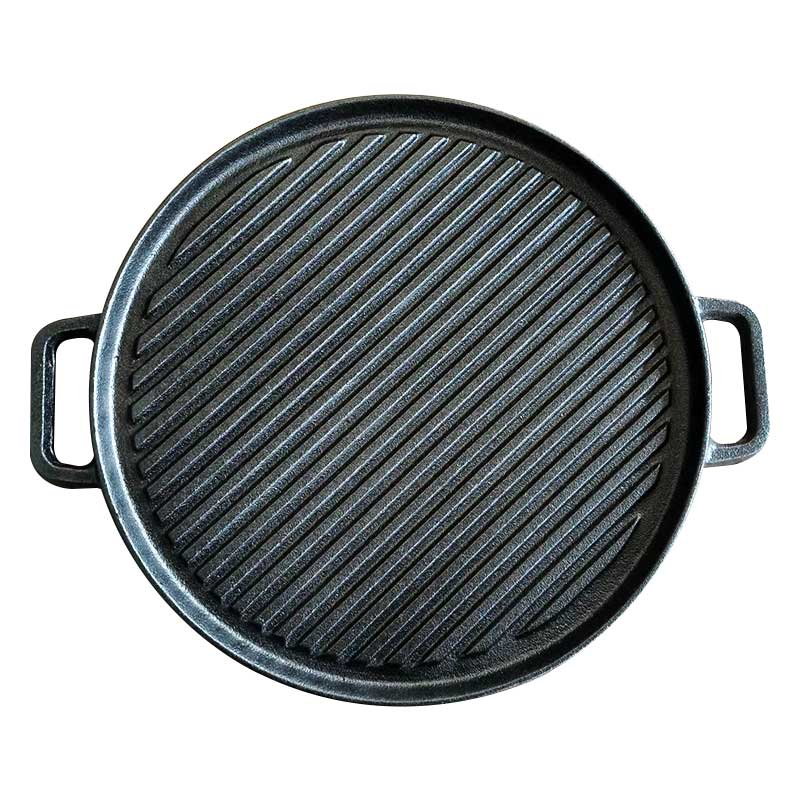
Current market trends show a shift toward versatility. While traditional heavy pots remain popular for Feijoada, there is a rising interest in how to use cast iron skillet on grill settings to achieve the perfect crust on Picanha, blending outdoor BBQ traditions with indoor precision.

Furthermore, the urbanization of cities like São Paulo and Rio de Janeiro has led to a demand for space-saving yet durable cookware, driving the adoption of multifunctional pieces that transition seamlessly from the stove to the dining table.
Evolution of Iron Casting Technology

From artisanal sand-casting to precision automated production.

Market Development History

Historically, Brazilian cookware relied on heavy, artisanal sand-cast methods that produced thick-walled but uneven surfaces. Before 2010, the primary focus was on sheer mass for heat retention, often requiring intensive manual curing cast iron pan processes to ensure non-stick performance.

Between 2010 and 2020, the industry transitioned toward centrifugal casting and precision machining. This era saw the introduction of lighter, more balanced designs and the widespread adoption of vitrified enamel to solve the oxidation issues caused by Brazil's high humidity.

Today, the market has entered the "Precision Era," where CNC machining ensures perfectly flat bases for induction cooktops, and multi-layer enamel coatings allow for vibrant colors without sacrificing the thermal properties of the base metal.

Future Development Trends

Eco-Friendly Smelting

Integration of recycled scrap metal and green energy in the smelting process to meet Brazil's growing sustainability regulations.

Smart Thermal Distribution

Development of alloyed cast iron that offers faster heat-up times while maintaining the legendary heat retention of traditional vessels.

Hyper-Localized Design

Customized geometry for regional Brazilian dishes, including specialized depths for slow-cooked stews and wider bases for rapid searing.

Future Outlook of Metalware Manufacturing

Strategic projections for the next 3-5 years based on global search trends and local demand.

Induction Optimization
Increasing demand for high-ferrite content iron to ensure 100% compatibility with modern induction hobs.
Lightweight Casting
Applying advanced wall-thickness control to reduce weight without compromising thermal mass.
Anti-Corrosive Enamel
Next-gen glass-ceramic coatings specifically designed for high-salt and high-humidity environments.
Direct-to-Table Aesthetics
Growth in cast iron individual serving pots for high-end gourmet presentations.

Industry Outlook

Based on Google search trends in the Brazil region, there is a quantifiable increase in queries related to "healthy cooking" and "non-toxic cookware." This indicates a move away from PTFE-based non-stick pans toward natural cast iron and enamel alternatives.

We predict that the integration of "smart-casting" (AI-driven mold design) will reduce material waste by 15% and improve heat distribution uniformity, making professional-grade cookware more accessible to the Brazilian middle class.

Brazilian Culinary Applications

Optimizing professional cast iron for regional gastronomic specialties.

1. Traditional Feijoada Simmering

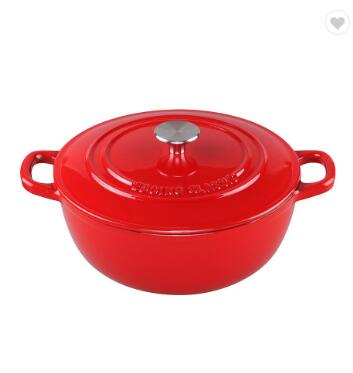
Using large-capacity enamel pots to maintain a constant, low temperature for hours, ensuring the black bean stew reaches a rich, velvety consistency without scorching.

2. Churrasco Searing

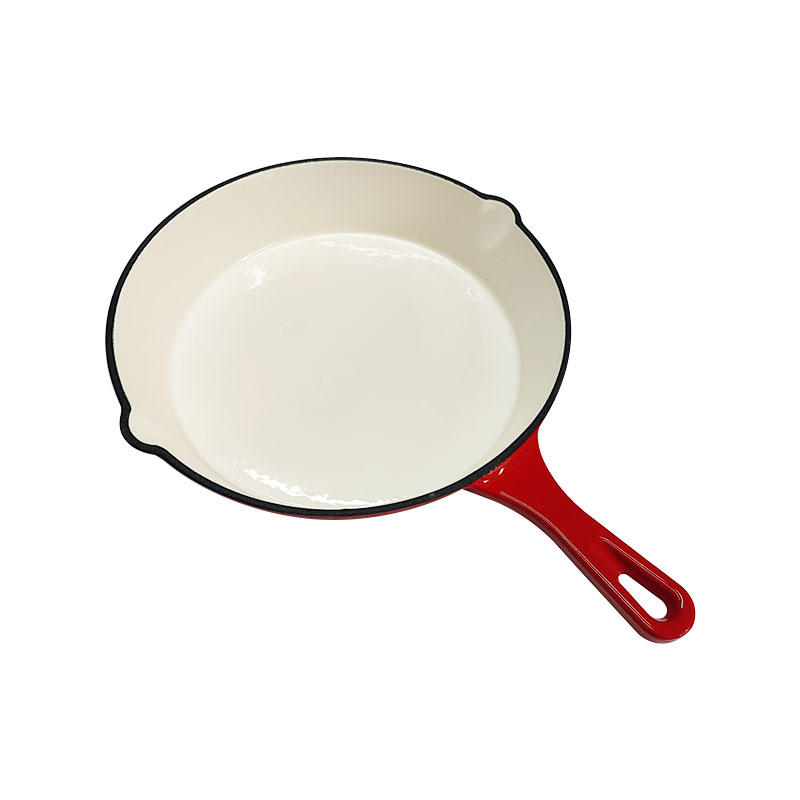
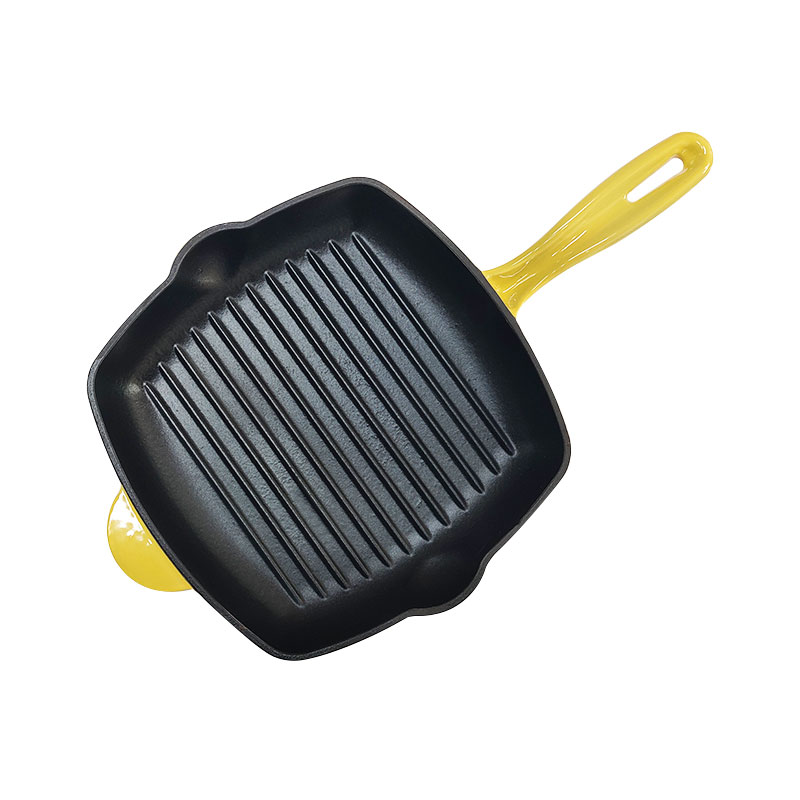
Leveraging the ability to use cast iron skillet on grill to sear high-fat cuts of beef, locking in juices that traditional open-grates often lose.

3. Moqueca Seafood Stews

Utilizing the superior heat distribution of heavy iron vessels to gently poach fish and shrimp in coconut milk, preventing the delicate proteins from overcooking.

4. Gourmet Individual Servings

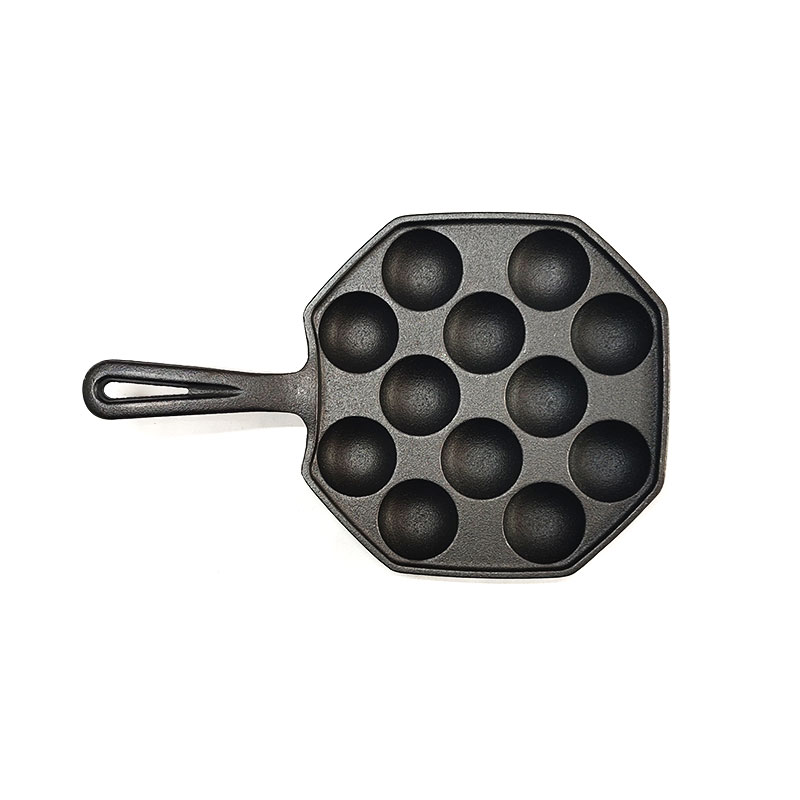
Implementing cast iron individual serving pots in urban bistros for "oven-to-table" appetizers, maintaining heat for the customer throughout the meal.

5. Artisan Bread Baking

Applying the "Dutch Oven" effect in home kitchens to create professional-grade crusts for sourdough, a growing trend in Brazil's artisanal bakery movement.

Brand Story

The Global Development Journey of Hebei DB Cookware Technology Co., Ltd.

Industrial Foundations

Established with a commitment to metallurgical precision, focusing on solving the common issue of uneven heat distribution in traditional ironware.

Enamel Innovation

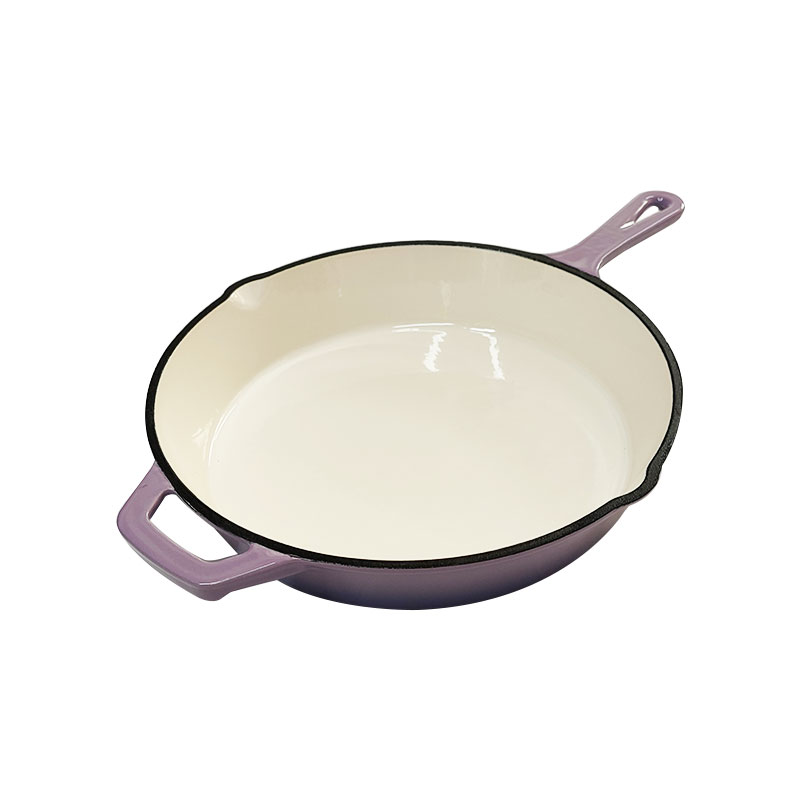
Developed proprietary vitrified enamel processes to eliminate the need for constant seasoning and prevent oxidation in humid climates.

Global Expansion

Expanded operations to South America, tailoring product weights and sizes to meet the specific needs of Brazilian commercial kitchens.

Quality Standardization

Achieved international food-grade certifications, ensuring that every vessel produced is free from harmful impurities and lead-free.

Sustainable Future

Investing in green foundry technology to reduce the carbon footprint of iron production while enhancing product durability.

Cast Iron Care & Usage FAQ - Brazil Edition

Expert answers to the most common questions from our Brazilian partners and customers.

What is the best method for curing cast iron pan in humid climates?

In high-humidity areas like Brazil, we recommend a high-smoke-point oil (like grapeseed) and a double-bake method in the oven to create a denser, more moisture-resistant polymer layer.

Can I use enamel pots and pans on a high-heat gas flame?

Yes, our enamel is fused at extreme temperatures. However, we recommend medium-high heat to avoid thermal shock, ensuring the longevity of the glass coating.

Is it safe to use cast iron skillet on grill for outdoor BBQ?

Absolutely. Cast iron is ideal for grills as it distributes the uneven heat of charcoal, providing a professional sear for steaks and vegetables.

How do I maintain cast iron individual serving pots for restaurant use?

For commercial settings, avoid soaking in water. Quick wash with mild soap, immediate drying, and a light wipe of oil before storage prevents rust in fast-paced kitchens.

Why are cast iron vessels better than aluminum for slow cooking?

Cast iron has a higher thermal mass, meaning it holds heat longer and more consistently, which is critical for breaking down tough fibers in traditional Brazilian stews.

Do I need to season enamel cookware like raw cast iron?

No. The enamel coating acts as a permanent non-reactive barrier, meaning no seasoning is required. Simply wash with a soft sponge to maintain the surface.

Partner With the Iron Experts

Looking for industrial-grade cookware manufacturing tailored for the Brazil market? Our engineers are ready to assist you.

Contact Us Now

Inquire Now for Cast Iron Cookware Deals

Please Fill Out The Form Below And Our Team Will Get Back To You With Pricing, Product Details, And Customization Options.

If you are interested in our products, you can choose to leave your information here, and we will be in touch with you shortly.