
wechat
WeChat
whatsapp
Email
up

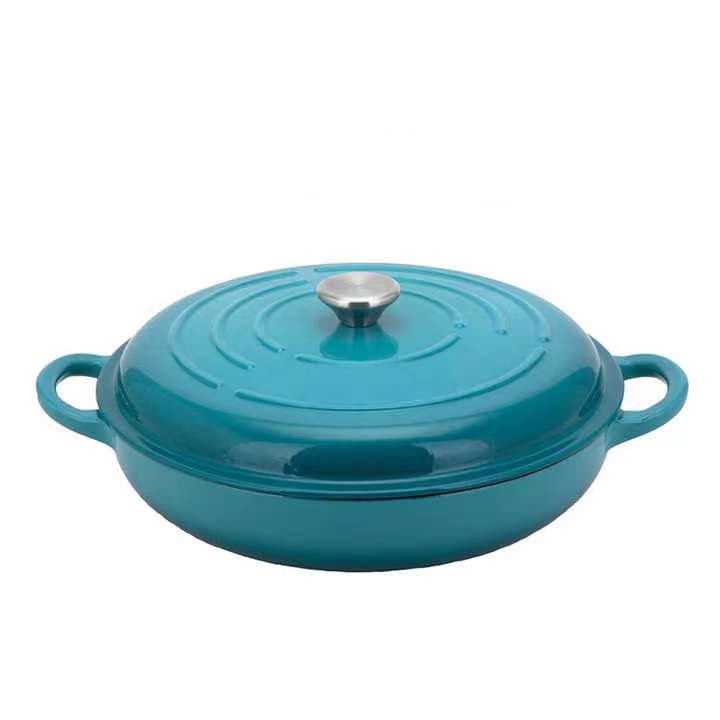
Premium enamel pots and pans for Equatorial Guinea's Culinary Market

Integrating industrial-grade cast iron durability with high-performance enamel coatings to meet the humid climate and diverse cooking needs of Central Africa.

Premium enamel pots and pans for Equatorial Guinea's Culinary Market

We provide high-thermal-inertia cookware designed to withstand the rigorous demands of both professional kitchens and home households in Equatorial Guinea, focusing on heat retention and corrosion resistance.

Cast Iron Cookware Landscape in Equatorial Guinea

Analyzing the intersection of tropical humidity and metallic durability.

In Equatorial Guinea, the high ambient humidity and saline air of coastal cities like Malabo accelerate the oxidation of traditional cast iron vessels. This environmental challenge has created a strong demand for cookware that offers both the heat capacity of iron and a protective barrier against rust.

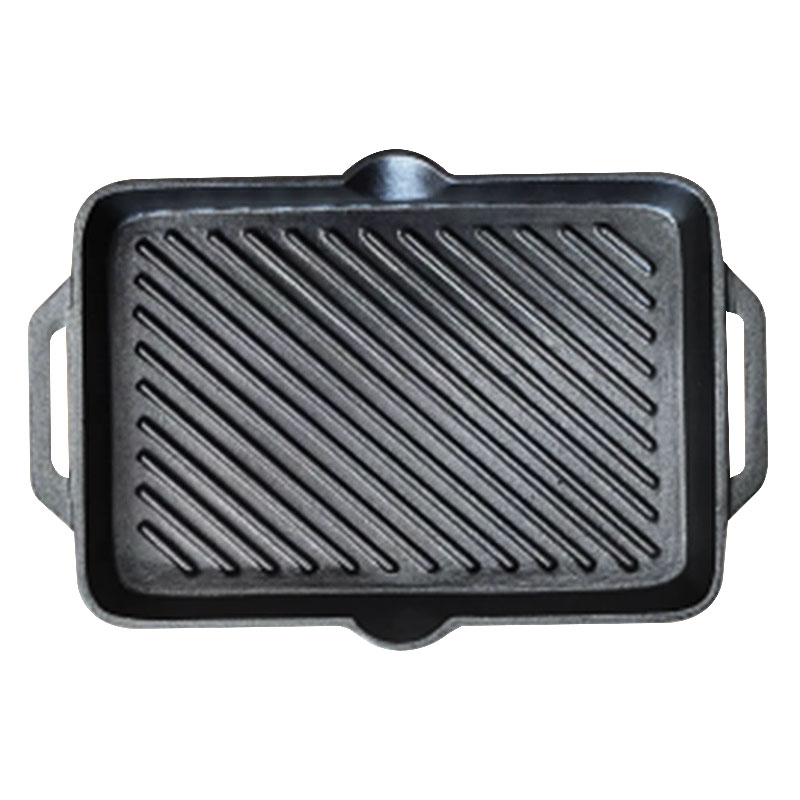
Local culinary habits often involve slow-simmering stews and open-fire grilling, making the ability to use cast iron skillet on grill a critical requirement for versatility. However, the lack of specialized maintenance knowledge locally often leads to premature degradation of non-enameled surfaces.

Currently, the market is shifting from imported generic aluminum ware toward high-end, long-lasting cast iron solutions. There is a growing awareness among the urban middle class regarding the health benefits and longevity of properly maintained professional cookware.
Evolution of Metal Cookware in Central Africa

From ancestral open-fire pots to precision-engineered enamel technology.

Market Development History

Before 2000, the market was dominated by heavy, unrefined cast iron pots used primarily over wood fires. These required constant manual oiling to prevent rust, a process similar to the modern curing cast iron pan techniques, but lacked precision in heat distribution.

Between 2010 and 2020, there was a surge in the adoption of thin-walled imported alloys. While lighter, these failed to provide the sear and heat retention required for traditional Central African dishes, leading to a resurgence of interest in heavy-duty ironware.

Today, the integration of vitreous enamel has revolutionized the sector, allowing users to enjoy the benefits of iron without the rigorous maintenance, bridging the gap between traditional cooking and modern convenience.

Future Development Trends

Smart Heat Distribution

The next 3 years will see a shift toward hybrid cast iron bases that optimize energy efficiency for both LPG stoves and traditional charcoal fires.

Miniaturization for Urban Dining

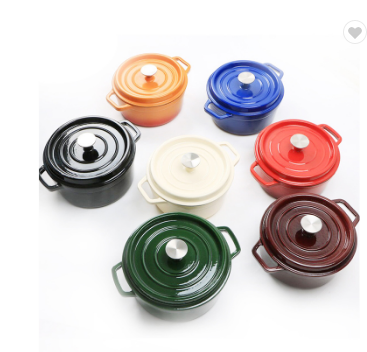
With the rise of boutique dining in Malabo and Bata, cast iron individual serving pots are becoming a trend for high-end presentation.

Eco-Friendly Coating Evolution

Google search trends indicate a rise in "non-toxic cookware," pushing the industry toward PFOA-free enamel and natural seasoning oils.

Future Outlook of Cast Iron Manufacturing

Strategic technological pivots for the next generation of cookware.

Anti-Corrosion Mastery
Implementing advanced multi-layer enamel to combat the extreme humidity of the Gulf of Guinea.
Thermal Efficiency
Optimizing wall thickness to reduce fuel consumption in rural cooking areas.
Bespoke Sizing
Developing specialized molds for local traditional dish dimensions.
Logistics Integration
Implementing reinforced packaging to prevent enamel chipping during long-haul transit.

Industry Outlook

The convergence of traditionalist cooking and modern health standards suggests that high-quality ironware will replace cheap alternatives. We anticipate a CAGR increase in the demand for premium cast iron in the CEMAC region.

Future success depends on the ability to provide educational content on maintenance, transforming the act of seasoning into a culinary ritual for the new generation of Equatorial Guinean chefs.

Localization Applications in Equatorial Guinea

Real-world scenarios where cast iron excellence meets local culture.

1. Coastal Seafood Grilling in Malabo

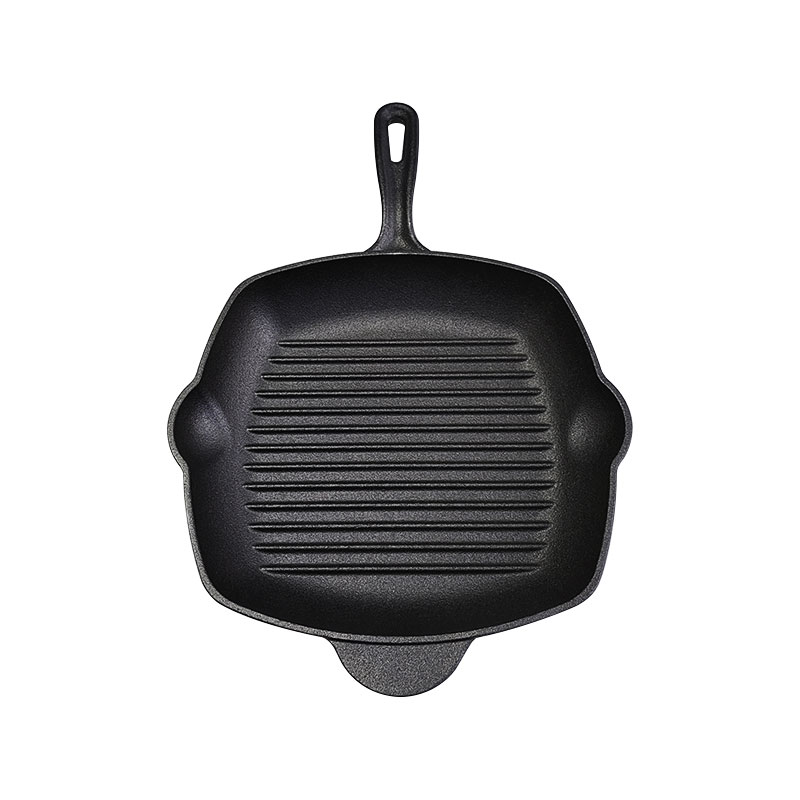
Utilizing the high heat retention to use cast iron skillet on grill for searing fresh Atlantic snapper, ensuring a perfect crust that aluminum cannot achieve.

2. Traditional Slow-Cooked Stews

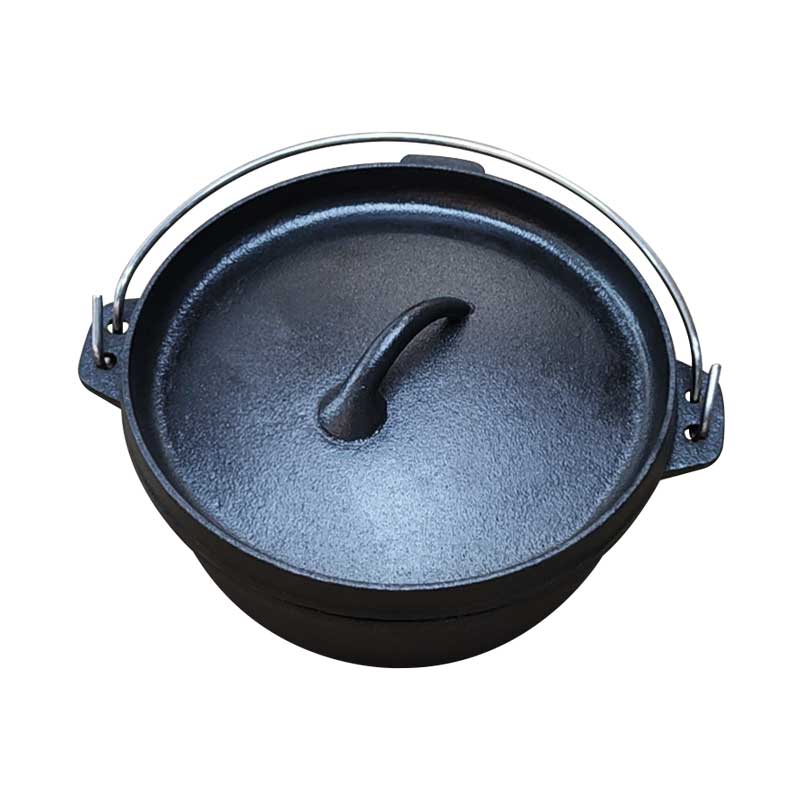
Employing large cast iron vessels for long-simmering peanut stews, maintaining a constant temperature over charcoal embers for hours.

3. Luxury Urban Bistro Presentation

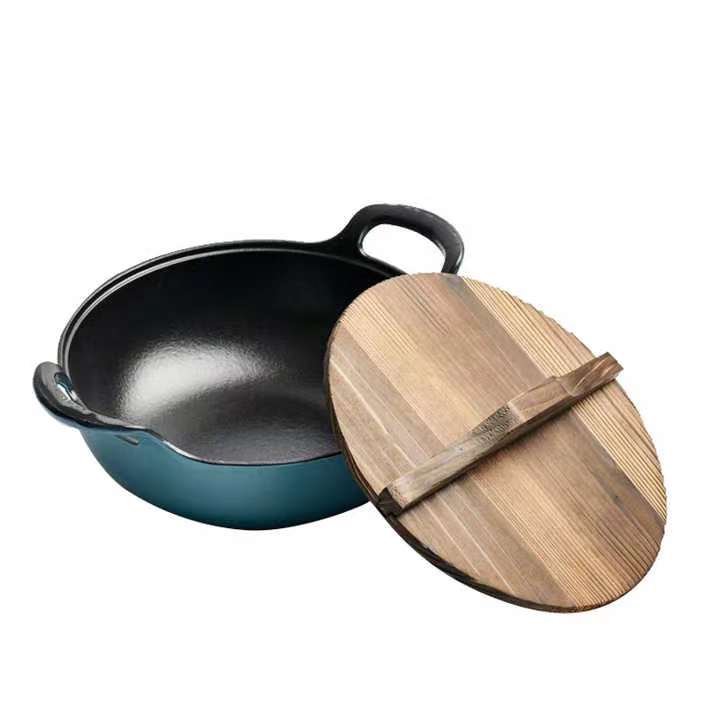
Integrating cast iron individual serving pots in high-end hotels to serve sizzling appetizers, keeping food hot from the kitchen to the table.

4. Acidic Sauce Preparation

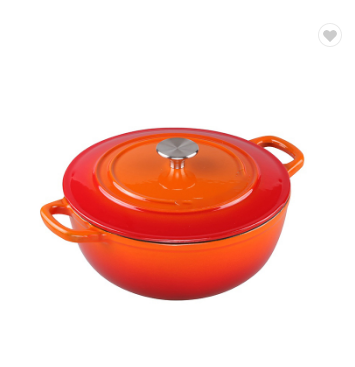
Using enamel pots and pans for tomato-based sauces, where the enamel layer prevents the iron from reacting with acidic ingredients, preserving flavor purity.

5. Family Heritage Maintenance

Teaching the art of curing cast iron pan in domestic settings to create a natural non-stick surface that lasts for generations.

Brand Story

Global Development History of Hebei DB Cookware Technology Co., Ltd.

Industrial Foundation

Established in the heart of China's metal industry, focusing on the fundamental chemistry of iron casting and thermal dynamics.

Precision Enameling Pivot

Invested in aerospace-grade enamel technology to solve the age-old problem of cast iron oxidation in humid environments.

Global Standards Certification

Achieved international food-grade certifications, ensuring every pot is safe for the most demanding health regulations worldwide.

African Market Expansion

Tailored production lines to meet the specific needs of the African market, focusing on durability and high-capacity vessels.

The Future of Sustainable Cooking

Committing to carbon-neutral manufacturing while providing the world with cookware that lasts a lifetime, not a season.

Common Questions for Our Local Users

Expert advice for maximizing the life of your cast iron investment.

How often should I be curing cast iron pan in a humid climate?

In high-humidity regions like Malabo, we recommend a light coat of oil after every use and a full re-seasoning every 3-6 months to ensure the protective layer remains intact.

Can I use enamel pots and pans on an open wood fire?

Yes, our enamel is designed for high-temperature resistance. However, avoid extreme thermal shock (putting a hot pot in cold water) to prevent the enamel from cracking.

What is the best way to use cast iron skillet on grill for seafood?

Preheat the skillet for 10 minutes over medium-high heat. The cast iron creates a superior sear that locks in juices, which is ideal for the fresh seafood available in Equatorial Guinea.

Are cast iron individual serving pots dishwasher safe?

While our enameled versions are dishwasher safe, we recommend hand-washing with a soft sponge to preserve the luster of the finish over many years.

Why choose cast iron vessels over aluminum for stews?

Cast iron provides far superior heat retention, meaning your stew stays hot longer and cooks more evenly, which is essential for traditional slow-cooking methods.

How do I remove rust from an old cast iron pan?

Scrub the rusted area with steel wool and vinegar, then immediately proceed to the curing process to seal the metal from oxygen and moisture.

Ready to Upgrade Your Kitchen?

Our specialists are ready to provide customized cookware solutions for distributors and chefs throughout Equatorial Guinea.

Contact Us Now

Inquire Now for Cast Iron Cookware Deals

Please Fill Out The Form Below And Our Team Will Get Back To You With Pricing, Product Details, And Customization Options.

If you are interested in our products, you can choose to leave your information here, and we will be in touch with you shortly.