
wechat
WeChat
whatsapp
Email
up

Premium enamel pots and pans for Ethiopian Culinary Excellence

Merging traditional Ethiopian cooking heritage with advanced metallurgical engineering for lifelong durability.

Premium enamel pots and pans for Ethiopian Culinary Excellence

Discover a professional range of high-thermal-efficiency cookware designed to withstand the rigors of both traditional open-fire cooking and modern kitchen environments in Ethiopia.

The Current State of Cookware Manufacturing in Ethiopia

Analyzing the intersection of traditional needs and modern metalworking standards.

In Ethiopia, the kitchen is the heart of the home, where cast iron vessels remain indispensable due to their ability to maintain stable temperatures during the slow simmering of traditional stews. However, the local market often struggles with inconsistent metal quality and poor finishing, leading to rapid oxidation in the humid highlands.

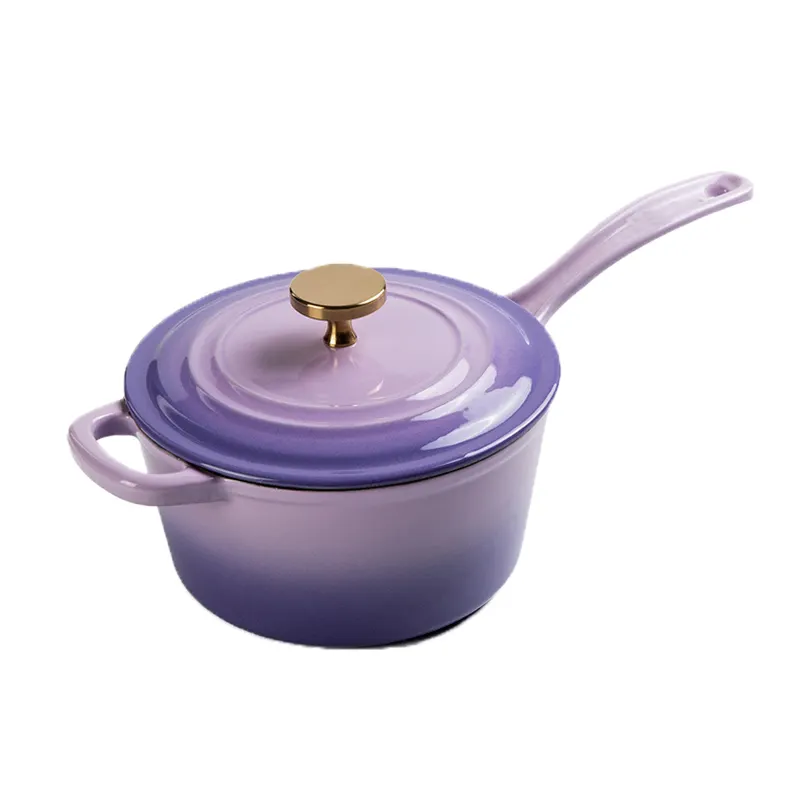
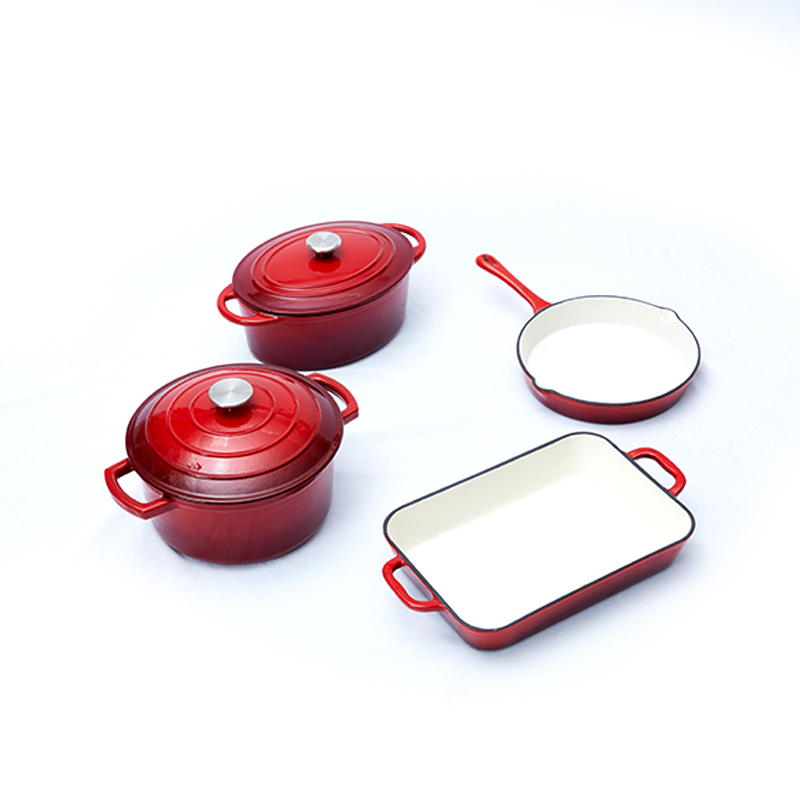
The demand for high-grade enamel pots and pans has surged as urban centers like Addis Ababa transition toward gas and electric stoves. These products are prized for their non-reactive surfaces, which are essential for preparing acidic sauces without altering the taste of the ingredients.

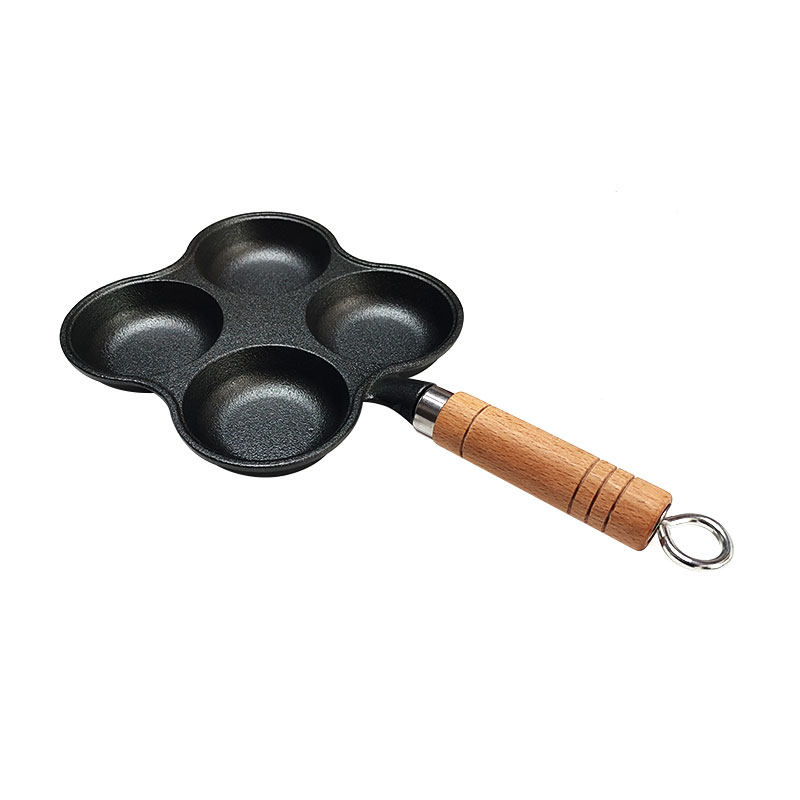
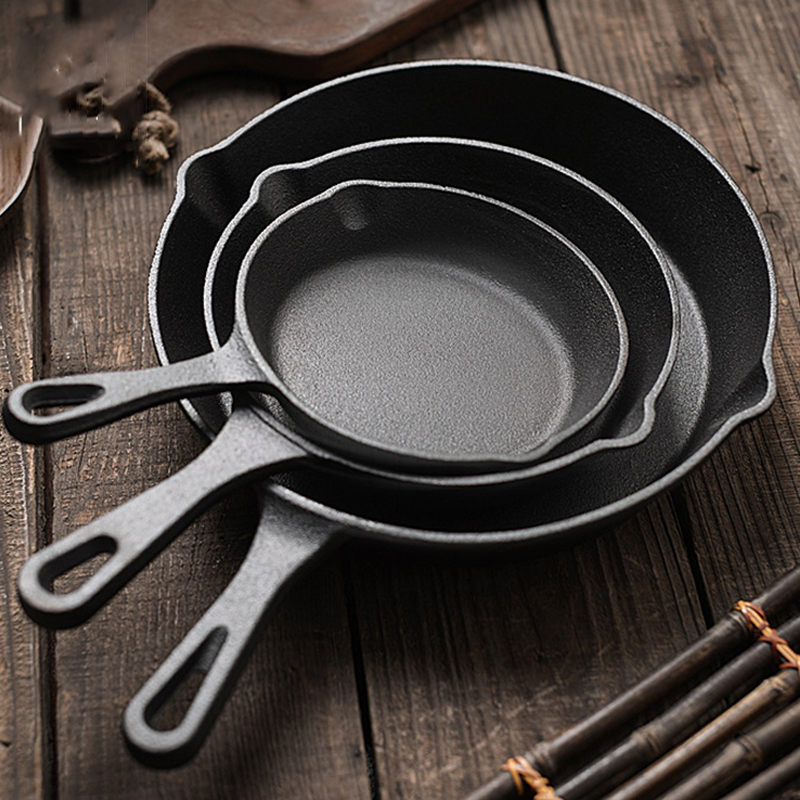
Despite this transition, a significant portion of the population still relies on charcoal and wood fires. This creates a unique technical requirement for cookware that can withstand extreme thermal shock while remaining easy to maintain through proper curing cast iron pan techniques to ensure a natural non-stick surface.
Evolution of Cast Iron Metallurgy in the Ethiopian Market

From artisanal smelting to precision industrial casting.

Market Development History

Historically, Ethiopian cookware was dominated by locally forged clay and crude iron pots. Between 1960 and 1990, the industry saw a shift toward imported cast iron, which introduced the concept of thermal mass in cooking, allowing for more consistent heat distribution.

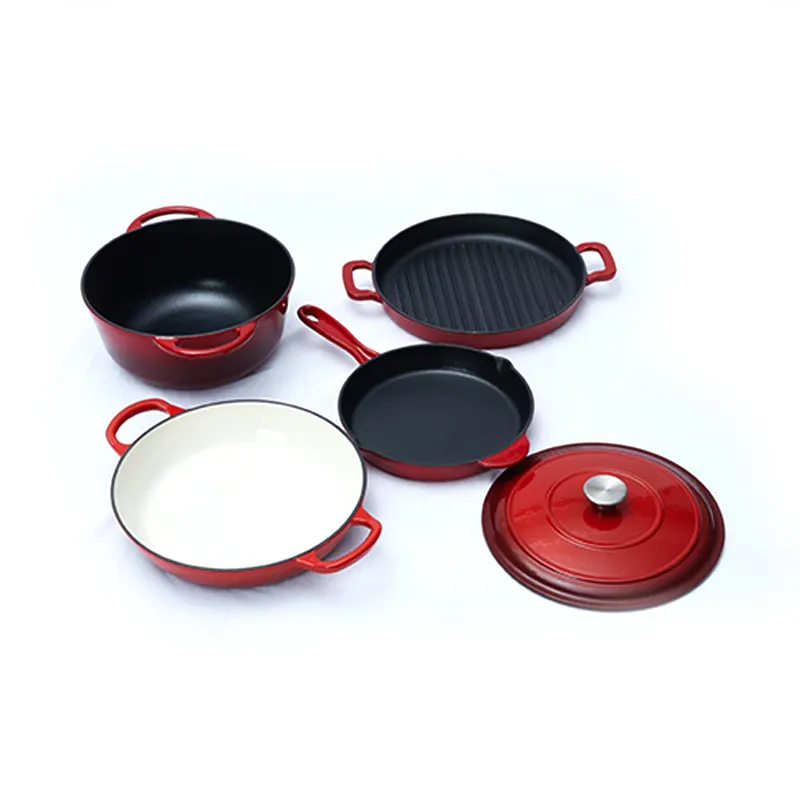
From 2000 to 2015, the "Enamel Era" arrived, where protective coatings were added to prevent rust. This period marked the transition from purely functional tools to durable consumer goods, reducing the frequent need for replacements due to corrosion.

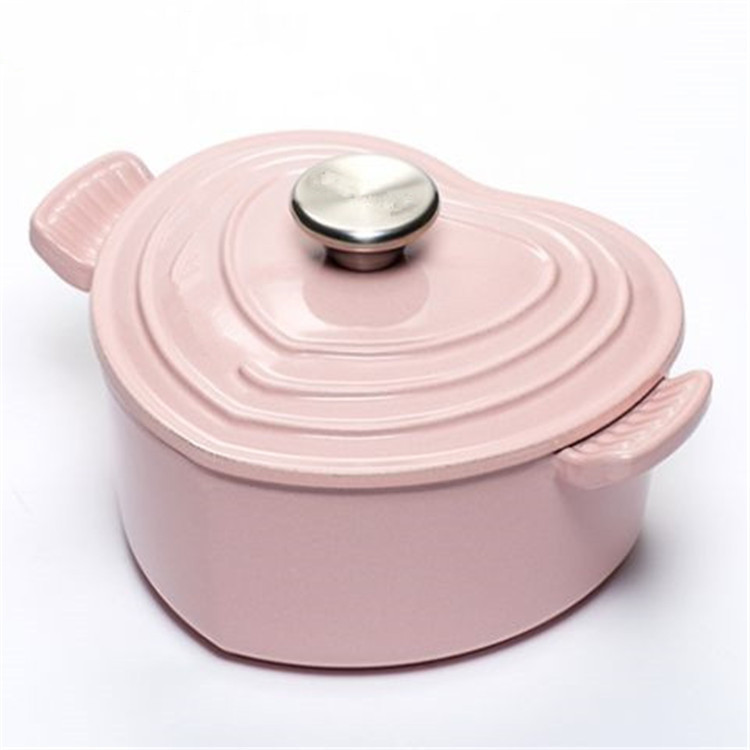
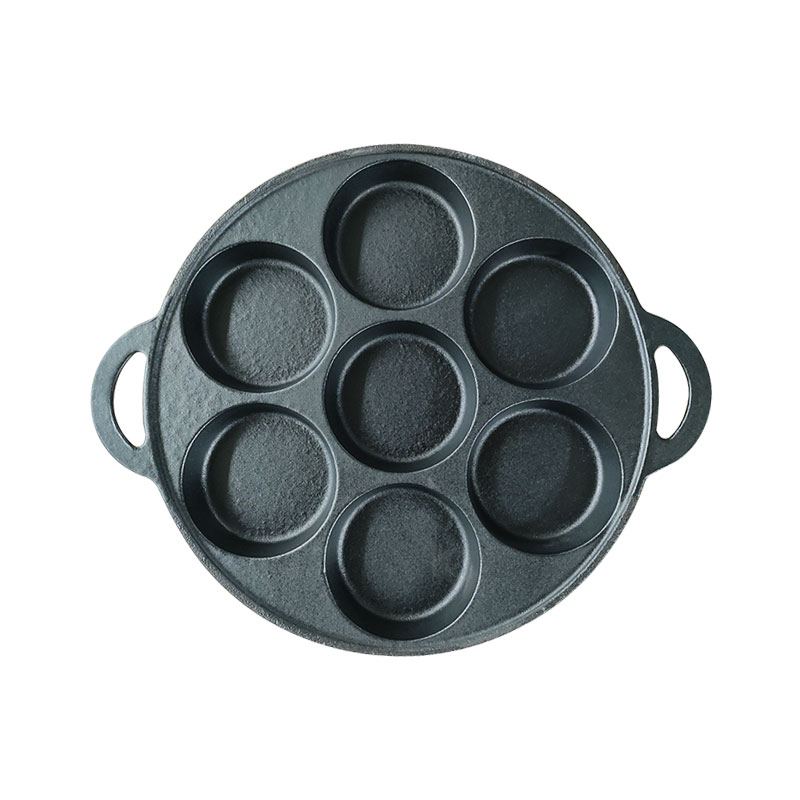
Since 2016, the focus has shifted toward precision engineering. The introduction of CNC-machined molds has allowed for the creation of cast iron individual serving pots, catering to the growing boutique hospitality sector in Ethiopia's tourism hubs.

Future Development Trends

Hybrid Coating Technology

The integration of ceramic-infused enamel to provide superior scratch resistance and higher heat thresholds for traditional open-flame usage.

Lightweight Alloy Casting

Reducing the overall weight of heavy vessels without sacrificing the heat retention properties essential for slow-cooking Ethiopian delicacies.

Eco-Friendly Curing Processes

Moving toward pre-seasoned factory finishes using organic oils, simplifying the process of curing cast iron pan for the end consumer.

Industry Outlook and Technical Forecast

Predicting the trajectory of the metalware industry in East Africa.

Thermal Optimization
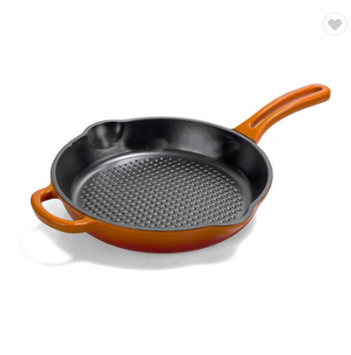
Implementing variable wall thickness to prevent hotspots, especially when users use cast iron skillet on grill setups.
Anti-Corrosion Standards
Developing advanced enamel bonding that resists chipping in high-humidity tropical environments.
Hospitality Modularization
Expanding the range of cast iron individual serving pots for upscale Ethiopian dining experiences.
Sustainable Production
Reducing carbon footprints in the casting process by optimizing heat recovery systems in the foundry.

Industry Outlook

Based on search trend data, there is a rising interest in "sustainable cookware" and "professional grade cast iron" within the African market. We anticipate a 15% growth in the adoption of precision-cast metalware as the Ethiopian middle class expands its culinary horizons.

The future will be defined by the balance between artisanal tradition and industrial precision. The shift toward high-performance cast iron vessels will likely integrate smart-surface technologies to reduce energy consumption during the heating phase.

Localized Application Scenarios in Ethiopia

Practical implementations of premium cast iron in diverse Ethiopian environments.

01. Traditional Doro Wat Slow-Cooking

Utilizing heavy-duty cast iron vessels to maintain the precise, low temperature required for hours of onion reduction, ensuring a rich, deep flavor profile.

02. Urban Gas-Stove Transition

Implementing enamel pots and pans in Addis Ababa apartments to provide a non-reactive surface that prevents the metallic taste often associated with lower-grade alloys.

03. Modern Outdoor Grilling

Teaching chefs how to use cast iron skillet on grill surfaces for searing meats at high temperatures while maintaining heat consistency across the pan.

04. Boutique Hotel Presentation

Using cast iron individual serving pots to serve traditional stews directly from the fire to the table, enhancing the sensory experience for international tourists.

05. Rural Community Kitchen Maintenance

Providing education on curing cast iron pan using local vegetable oils to create a durable, natural non-stick barrier in areas with limited access to chemical coatings.

Brand Story

Global Development History of Hebei DB Cookware Technology Co., Ltd.

Foundational Excellence

Established with a focus on metallurgical precision, DB Cookware began by solving the core problem of uneven heat distribution in industrial casting.

Technological Breakthrough

We pioneered a proprietary enamel bonding process that eliminates the common issue of chipping under extreme thermal stress.

Global Market Expansion

Extending our reach to Africa and Ethiopia, tailoring our product designs to meet the specific needs of traditional and modern cooking styles.

Sustainability Integration

Implementing green manufacturing protocols to ensure our production processes protect the environment for future generations.

Vision for Tomorrow

Our mission is to empower every kitchen in Ethiopia with cookware that lasts a lifetime, blending heritage with cutting-edge science.

Ethiopian Cookware FAQ

Expert answers to common questions regarding the use and care of cast iron.

How do I begin curing cast iron pan for the first time?

Apply a thin layer of cooking oil to the entire surface, then heat the pan in an oven or over a fire until the oil polymerizes into a hard, non-stick layer.

Can I use cast iron skillet on grill safely in Ethiopia?

Yes, cast iron is ideal for grilling. Its high thermal mass ensures consistent searing, though we recommend gradual heating to avoid thermal shock.

What are the benefits of enamel pots and pans over raw cast iron?

Enamel provides a non-reactive surface that doesn't require seasoning and is resistant to rust, making it perfect for acidic stews.

Are cast iron individual serving pots suitable for commercial use?

Absolutely. They are designed for high-frequency use in restaurants to keep food hot during transport from the kitchen to the guest.

How should I clean my cast iron vessels to avoid rust?

Avoid harsh soaps; instead, use warm water and a stiff brush. Dry immediately and apply a light coat of oil before storage.

Which cast iron vessels are best for Ethiopian highlands' humidity?

We highly recommend our enamel-coated range as the coating acts as a permanent barrier against the corrosive effects of moisture.

Partner With Us for Premium Cookware

Elevate the culinary standards of Ethiopia with our industrial-grade metalware solutions.

Contact Us Now

Inquire Now for Cast Iron Cookware Deals

Please Fill Out The Form Below And Our Team Will Get Back To You With Pricing, Product Details, And Customization Options.

If you are interested in our products, you can choose to leave your information here, and we will be in touch with you shortly.