
wechat
WeChat
whatsapp
Email
up

Premium Enamel Pots and Pans for Moroccan Culinary Arts

Engineering high-performance cast iron solutions tailored for the unique heat requirements and rich gastronomic heritage of Morocco.

The Landscape of Cast Iron Cookware in Morocco

Analyzing the intersection of traditional Tagine culture and industrial cast iron evolution.

In Morocco, the culinary landscape is defined by slow-simmering stews and open-fire grilling. Historically, earthen clay was the standard, but there is a significant shift toward cast iron vessels due to their superior thermal mass and longevity, which are essential for the humid coastal climates of Casablanca and the arid heat of Marrakech.

The Moroccan market currently faces a gap between low-quality imports and expensive luxury brands. Professional chefs in the region are increasingly seeking tools that can withstand the intense heat of charcoal grills, emphasizing the need to know how to correctly use cast iron skillet on grill setups for authentic street-food searing.

Furthermore, the rise of modern urban kitchens in Rabat has increased the demand for versatility. This has led to a surge in the popularity of cast iron individual serving pots, which allow restaurants to bridge the gap between traditional communal dining and contemporary individual plating.
Evolution of Metal Cookware in the Maghreb

From artisanal forging to precision industrial casting.

Market Development History

Between 1950 and 1990, Moroccan cookware was dominated by handcrafted pottery and basic hammered metals. The introduction of industrial casting in the late 90s brought standardized thickness, allowing for more consistent heat distribution across the base of the pan.

By the mid-2000s, the "Seasoning Era" began. Local cooks rediscovered the importance of a natural non-stick surface, leading to a widespread educational trend regarding curing cast iron pan surfaces to prevent rust in the salty Atlantic air.

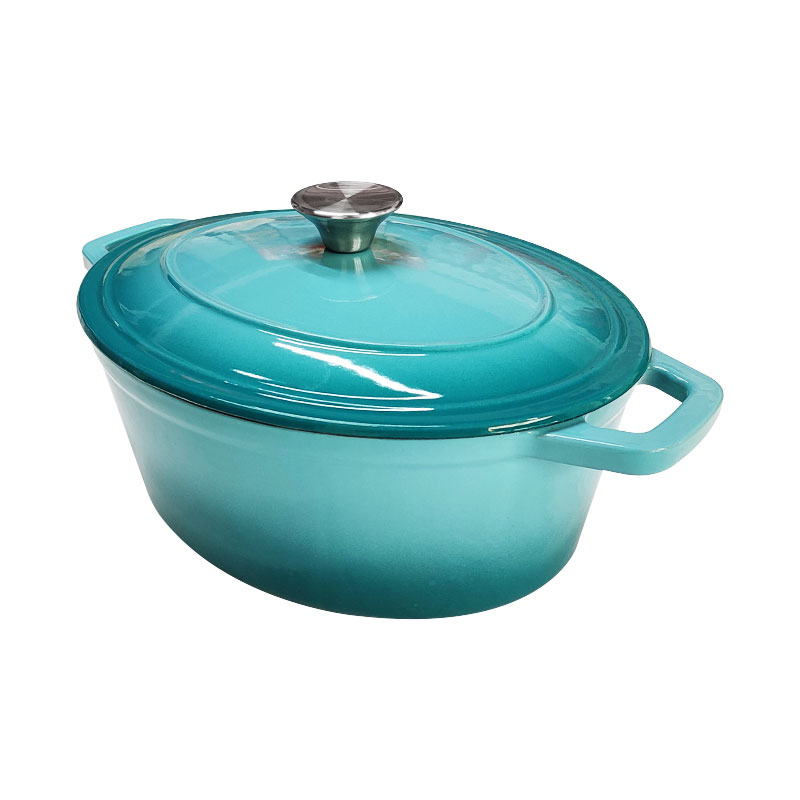
From 2015 to the present, the integration of vitreous enamel has revolutionized the market. This technology eliminated the need for constant maintenance while preserving the heat-retention properties required for traditional slow-cooked Moroccan delicacies.

Future Development Trends

Lightweight Cast Iron Alloys

The next 3 years will see a shift toward optimized alloys that reduce the weight of vessels without compromising the thermal inertia required for long-simmering dishes.

Eco-Friendly Enamel Coatings

Google search trends indicate a rising interest in PFOA-free and sustainable coatings, pushing manufacturers toward organic-based enamel formulations.

Precision-molded Geometry

Future designs will focus on "hybrid" shapes that mimic the conical nature of traditional Tagines but are optimized for modern induction hobs.

Future Strategic Outlook for Cast Iron Manufacturing

Driving innovation through material science and regional culinary trends.

Thermal Efficiency Optimization
Implementing advanced casting techniques to ensure zero hot-spots, critical for delicate Moroccan spices.
Corrosion-Resistant Enameling
Developing high-density enamel layers that withstand the salty air of coastal Moroccan cities.
Modular Design Sets
Creating interlocking cookware systems that transition from charcoal fires to modern ovens.
Customized Ergonomics
Designing handles optimized for the traditional grip and lifting styles of North African chefs.

Industry Outlook

The trajectory of the Moroccan cookware market is moving toward a "Premiumization" phase. As disposable income rises in urban centers, the demand for high-grade cast iron that offers both heritage aesthetics and industrial durability is expected to grow by 15% annually.

We anticipate a convergence where traditional open-fire techniques are paired with precision-engineered cast iron vessels, creating a new category of "Hybrid Heritage" cookware that dominates the regional hospitality sector.

Localized Applications in Moroccan Gastronomy

Integrating professional cast iron into the heart of Moroccan kitchens.

1. Traditional Tagine Modernization

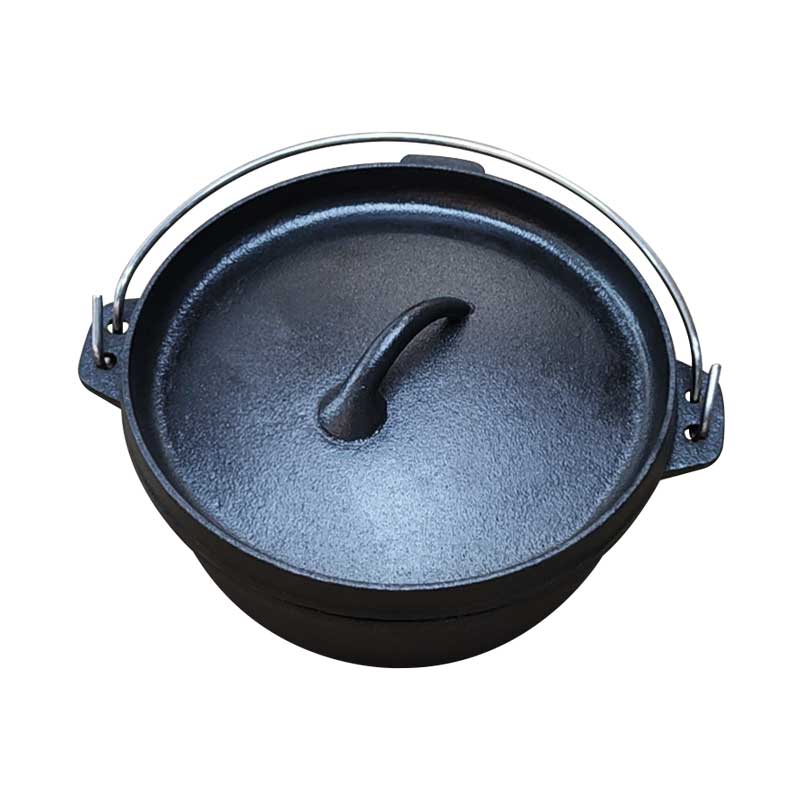
Replacing porous clay with enamel-coated cast iron to prevent food sticking while maintaining the slow-steam cycle necessary for lamb and prune stews.

2. Street-Side Grill Optimization

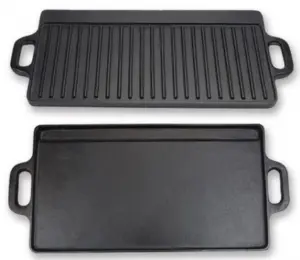
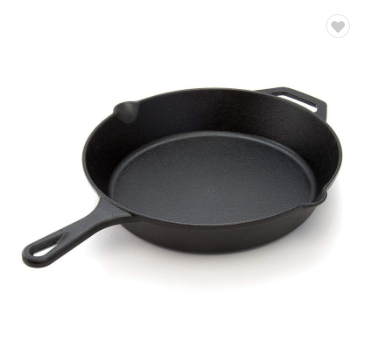
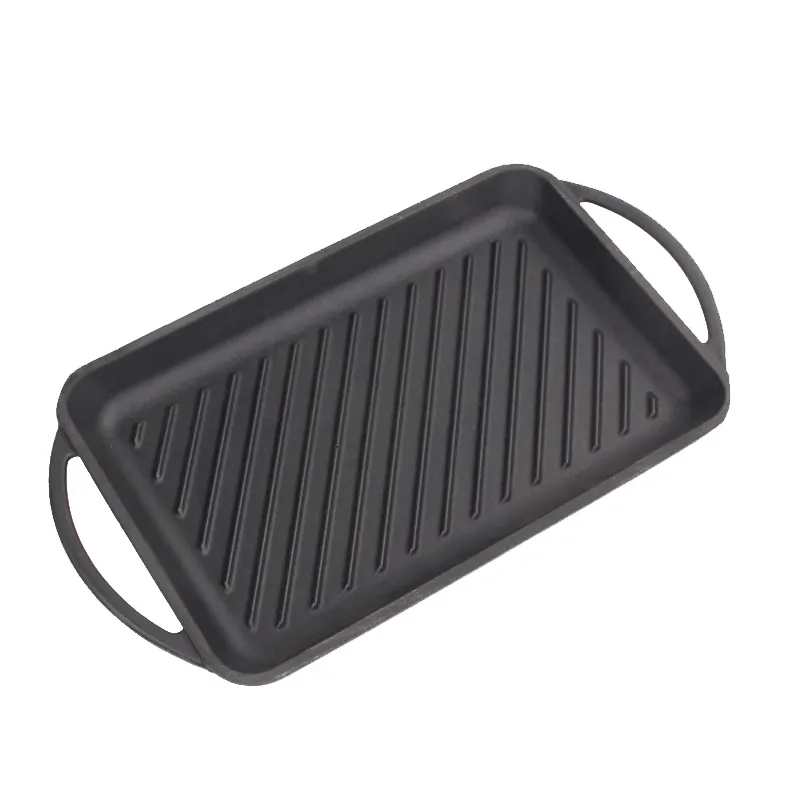
Using professional-grade surfaces to use cast iron skillet on grill for Merguez sausages, ensuring a perfect sear and juicy interior.

3. Boutique Riad Dining

Implementing cast iron individual serving pots for high-end guest experiences in Marrakech Riads, keeping food hot from kitchen to table.

4. Coastal Seafood Searing

Utilizing high-thermal-mass pans for searing fresh Atlantic fish, where rapid heat transfer is required to lock in moisture.

5. Heritage Home Cooking

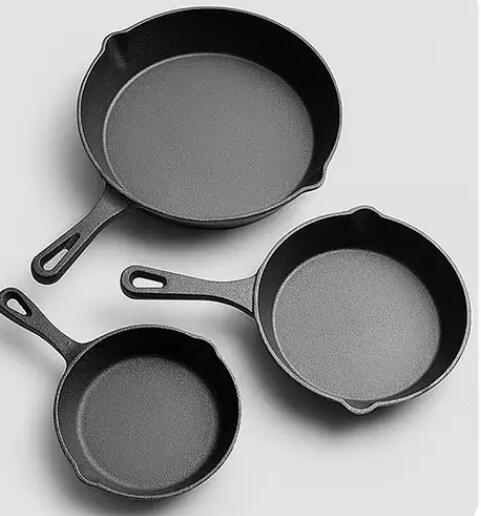
Educating the next generation on curing cast iron pan surfaces to create heirloom cookware that lasts for generations.

Brand Story

Global Development History of Hebei DB Cookware Technology Co., Ltd.

Foundational Excellence

Established as a precision foundry, we focused on solving the porosity issues in early cast iron, ensuring every vessel had a flawless surface.

Technological Breakthrough

We pioneered a multi-stage enamel bonding process that prevents chipping even under extreme temperature shocks common in outdoor cooking.

Global Market Expansion

Expanding into North Africa, we adapted our designs to meet the specific requirements of Mediterranean and Maghreb culinary traditions.

Sustainability Integration

Transitioning to a green-manufacturing model, reducing carbon emissions in the casting process while maintaining industrial strength.

Culinary Partnership Era

Collaborating with Michelin-starred chefs to refine the ergonomics of our professional series, ensuring a perfect balance of weight and utility.

Moroccan Cast Iron Care & Usage FAQ

Expert answers to the most common questions from our regional partners.

How do I start curing cast iron pan for the first time in humid climates?

In humid areas like Casablanca, apply a thin layer of flaxseed or vegetable oil and bake at 230°C for one hour. Repeat this 3 times to create a moisture-proof barrier that prevents oxidation.

Can I use cast iron skillet on grill over charcoal for Merguez?

Yes, our skilets are designed for extreme heat. Place the pan directly on the charcoal grate to achieve a high-temperature sear that locks in flavor, then move to a cooler zone for finishing.

What are the benefits of enamel pots and pans for slow-cooking Tagines?

Enamel provides a non-reactive surface, meaning the acidic ingredients in Moroccan stews won't affect the taste, and the cast iron core ensures the heat remains steady for hours.

Are cast iron individual serving pots suitable for commercial Riad kitchens?

Absolutely. They are ideal for "oven-to-table" service, ensuring that individual portions of couscous or stews remain piping hot during the transit to the guest's table.

How to clean cast iron vessels without damaging the seasoning?

Avoid harsh soaps. Use hot water and a stiff brush. For stubborn residue, use coarse salt as an abrasive, then immediately dry and apply a light coat of oil.

Which cast iron vessels are best for open-fire cooking in the Atlas Mountains?

We recommend our heavy-duty, non-enameled series. Their thickness prevents warping under uneven open flames and their ability to be re-seasoned makes them indestructible in rugged environments.

Partner with the Cast Iron Experts

Ready to elevate your culinary equipment in Morocco? Our engineering team is standing by to provide customized B2B solutions.

Contact Us Now

Inquire Now for Cast Iron Cookware Deals

Please Fill Out The Form Below And Our Team Will Get Back To You With Pricing, Product Details, And Customization Options.

If you are interested in our products, you can choose to leave your information here, and we will be in touch with you shortly.