
wechat
WeChat
whatsapp
Email
up

Premium enamel pots and pans for North Korean Culinary Traditions

Integrating industrial-grade durability with traditional Korean cooking aesthetics to redefine heat retention and longevity in the kitchen.

Premium enamel pots and pans for North Korean Culinary Traditions

Discover our high-performance range of cast iron solutions designed to withstand the rigorous demands of both commercial and domestic kitchens across North Korea, ensuring optimal heat distribution for every meal.

The Landscape of Cast Iron Ware in North Korea

Analyzing the synergy between industrial resilience and regional cooking habits.

In North Korea, the demand for cast iron vessels remains high due to the region's harsh winter climates and the necessity for cookware that can maintain steady heat over long periods. The local market prioritizes longevity and multi-functionality, often utilizing a single piece of cookware for boiling, stewing, and frying.

The economic focus on self-reliance has historically favored heavy-duty materials. However, there is a growing transition toward specialized coatings. The introduction of high-quality enamel allows users to enjoy the benefits of cast iron without the intensive maintenance typically associated with traditional raw iron.

Despite the prevalence of traditional methods, modern kitchens are increasingly seeking efficiency. This shift has created a niche for professional-grade tools that can handle extreme temperatures, whether in traditional hearths or modern gas stoves, emphasizing the need for standardized industrial quality.
Evolution and Technological Trajectory

From artisanal foundry work to precision-engineered culinary tools.

Market Development History

During the mid-20th century, cookware in North Korea was primarily artisanal, focusing on thick-walled raw iron pots designed for open-fire cooking. These tools provided unmatched durability but required constant care to prevent oxidation.

By the late 1990s, the industry shifted toward basic industrial casting. This period saw the standardization of shapes and sizes, although the lack of advanced surface treatments meant that curing cast iron pan surfaces remained a manual, labor-intensive task for every household.

In the last decade, the integration of advanced enamel technology has revolutionized the market. Precision coating processes have eliminated the risk of rust and provided a non-reactive surface, making cookware more versatile for acidic ingredients common in Korean fermentation.

Future Development Trends

Lightweight Cast Iron Alloys

Development is moving toward reducing the extreme weight of traditional vessels while maintaining the thermal mass, making them more accessible for a wider demographic.

Advanced Thermal Diffusion

Future iterations will focus on micron-level thickness consistency to eliminate hot spots, ensuring perfectly even cooking across the entire surface.

Eco-Friendly Coating Materials

The shift toward PFOA-free and lead-free enamel finishes is becoming a priority to align with global health and safety standards in cookware manufacturing.

Industry Trends and Future Outlook

Predicting the next wave of innovation in metalware manufacturing.

Precision Thermal Engineering
Implementing AI-driven casting to optimize wall thickness for superior energy efficiency.
Hybrid Material Fusion
Combining cast iron cores with ceramic-enamel hybrids for ultra-fast heating.
Modular Design Systems
Development of interchangeable lids and handles for multifunctional utility.
Sustainability Standards
Implementing 100% recyclable iron scrap in the casting process to reduce waste.

Industry Outlook

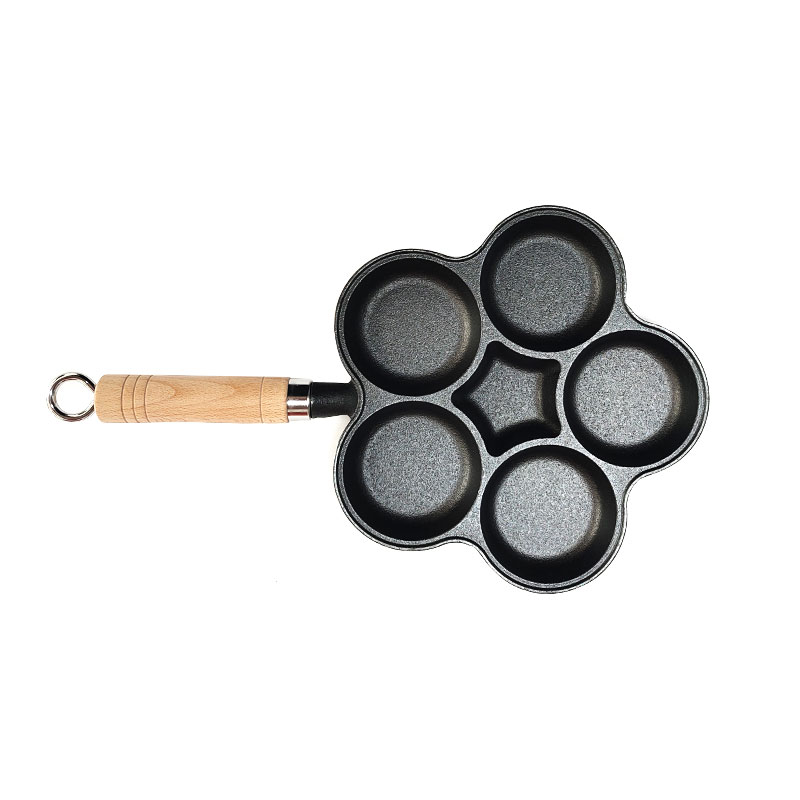
Based on global search trends and regional industrial movements, we anticipate a surge in demand for specialized cast iron individual serving pots. This reflects a transition toward modern dining presentation even within traditional settings.

Furthermore, as energy efficiency becomes a global priority, the focus will shift toward cookware that requires less fuel to maintain high temperatures, positioning high-density cast iron as the premier choice for sustainable cooking.

Localized Applications in North Korea

Practical use cases tailored to the regional environment and culinary habits.

1. Winter Stew Preservation

Using heavy-duty cast iron vessels for slow-cooking traditional root vegetable stews, keeping food warm for hours during sub-zero temperatures.

2. Outdoor Community Grill

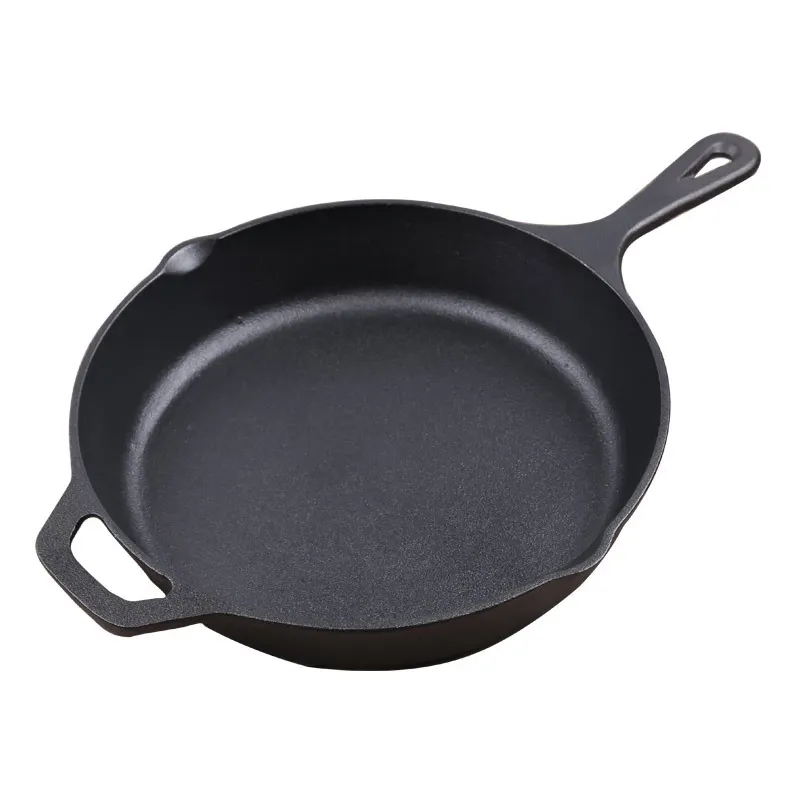
Teaching chefs how to use cast iron skillet on grill setups during seasonal festivals to achieve a perfect sear on meats while maintaining internal moisture.

3. Fermentation-Safe Cooking

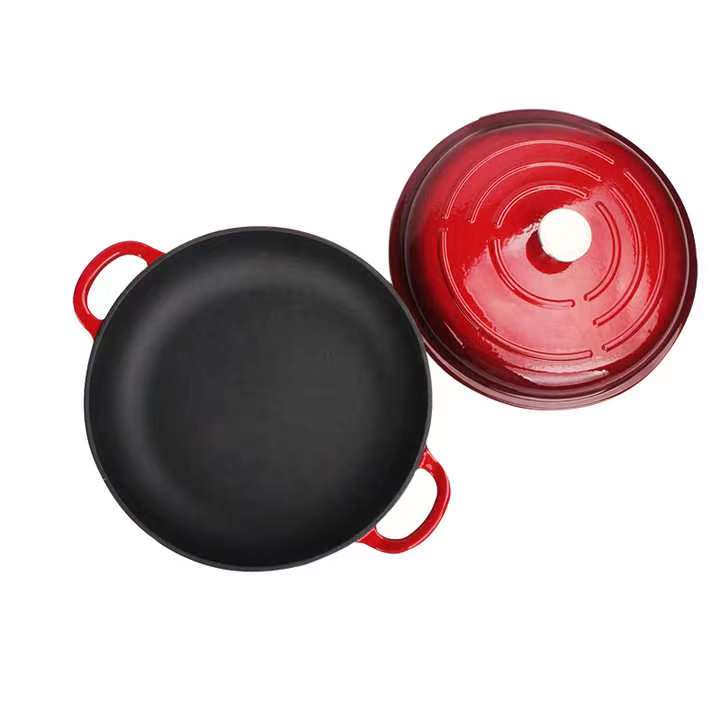
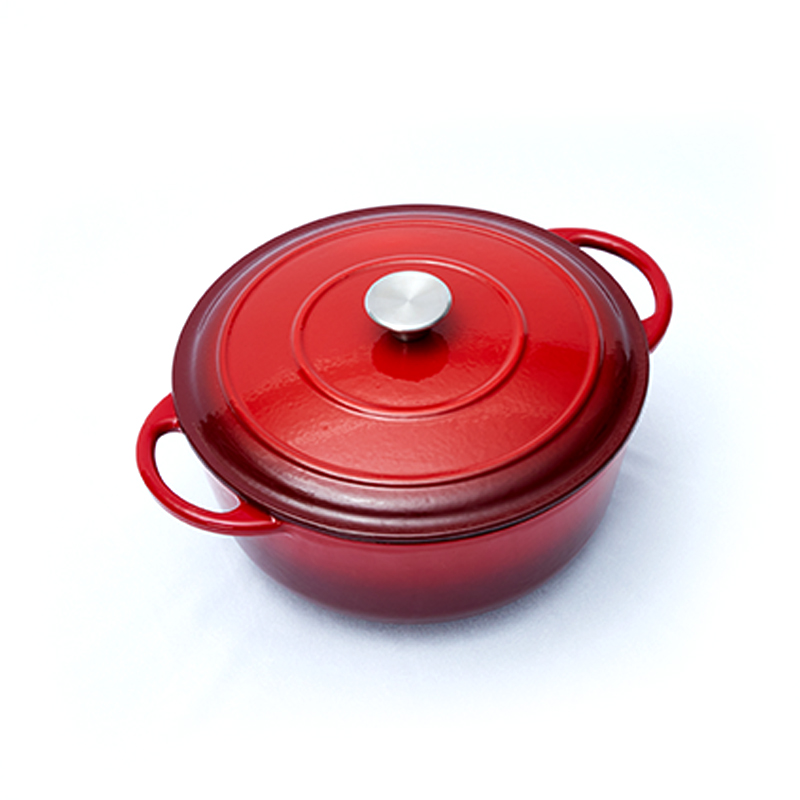
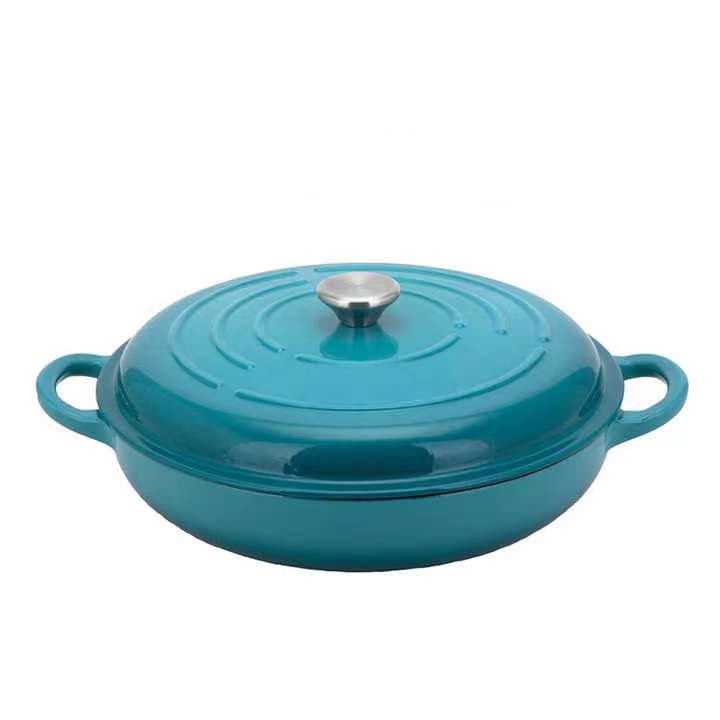
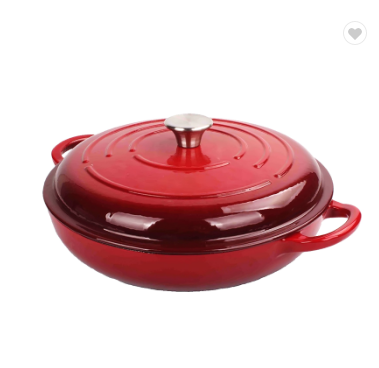
Utilizing enamel pots and pans for cooking with highly acidic kimchi bases, preventing the metallic taste often found in uncoated iron.

4. Individualized Dining Service

Deploying cast iron individual serving pots in upscale Pyongyang restaurants to serve sizzling stone-pot style rice (Dolsotbab).

5. Rural Hearth Integration

Applying specific techniques for curing cast iron pan surfaces using local organic oils to create a natural non-stick layer for rural wood-fired cooking.

Brand Story

Global Development History of Hebei DB Cookware Technology Co., Ltd.

Foundational Excellence

Established with a mission to merge traditional foundry arts with modern metallurgy, focusing on the core problem of cookware durability.

Technical Breakthroughs

Perfected the proprietary enamel bonding process, solving the common issue of coating chips in high-temperature environments.

Global Market Expansion

Expanded operations to serve Asia and beyond, adapting product designs to meet regional culinary requirements and heat sources.

Quality Certification

Achieved international food-grade safety certifications, ensuring every piece of cookware is non-toxic and sustainable.

The Future of Cooking

Continuing to innovate in lightweight cast iron and smart thermal distribution to empower chefs worldwide.

Common Questions in North Korea

Expert answers to regional cookware challenges.

How do I start curing cast iron pan surfaces for long-term use?

Clean the surface thoroughly, apply a thin layer of high-smoke-point oil, and bake in an oven or over a hearth at 200°C for one hour to create a durable polymer layer.

Can I use cast iron skillet on grill safely during outdoor events?

Yes, cast iron is ideal for grills due to its ability to withstand direct flame and provide a consistent searing surface for meats.

What are the benefits of enamel pots and pans over raw iron?

Enamel provides a non-reactive surface that prevents rust and allows for the cooking of acidic foods without altering the taste or damaging the pot.

Are cast iron individual serving pots suitable for commercial restaurants?

Absolutely. They provide excellent heat retention, ensuring that dishes reach the customer sizzling hot, improving the overall dining experience.

How should I maintain large cast iron vessels in humid climates?

Always dry the vessel completely immediately after washing and apply a very light coating of oil before storing to prevent moisture from causing rust.

Can I use metal utensils with enameled cookware?

While high-quality enamel is durable, we recommend silicone or wooden utensils to avoid scratching the glass surface over time.

Get Professional Guidance

Our engineers are ready to provide tailored cookware solutions for industrial and commercial needs in North Korea.

Contact Us Now

Inquire Now for Cast Iron Cookware Deals

Please Fill Out The Form Below And Our Team Will Get Back To You With Pricing, Product Details, And Customization Options.

If you are interested in our products, you can choose to leave your information here, and we will be in touch with you shortly.