
wechat
WeChat
whatsapp
Email
up

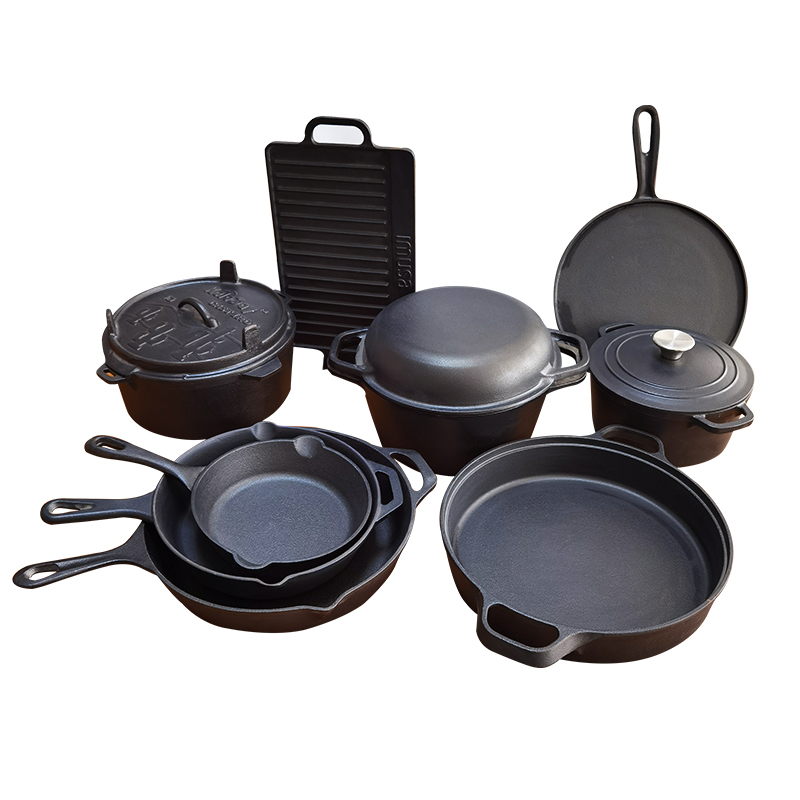
Premium enamel pots and pans for the Russian Market

Engineered for durability and thermal efficiency to meet the rigorous demands of Eastern European culinary traditions.

The State of Cast Iron Cookware in Russia

Analyzing the synergy between extreme climates and heavy-duty metallurgy.

In Russia, the culinary landscape is deeply rooted in slow-cooking methods required for hearty winter stews and braised meats. The prevalence of cast iron vessels is not merely a preference but a necessity due to the exceptional heat retention properties required to maintain temperature in cold environments.

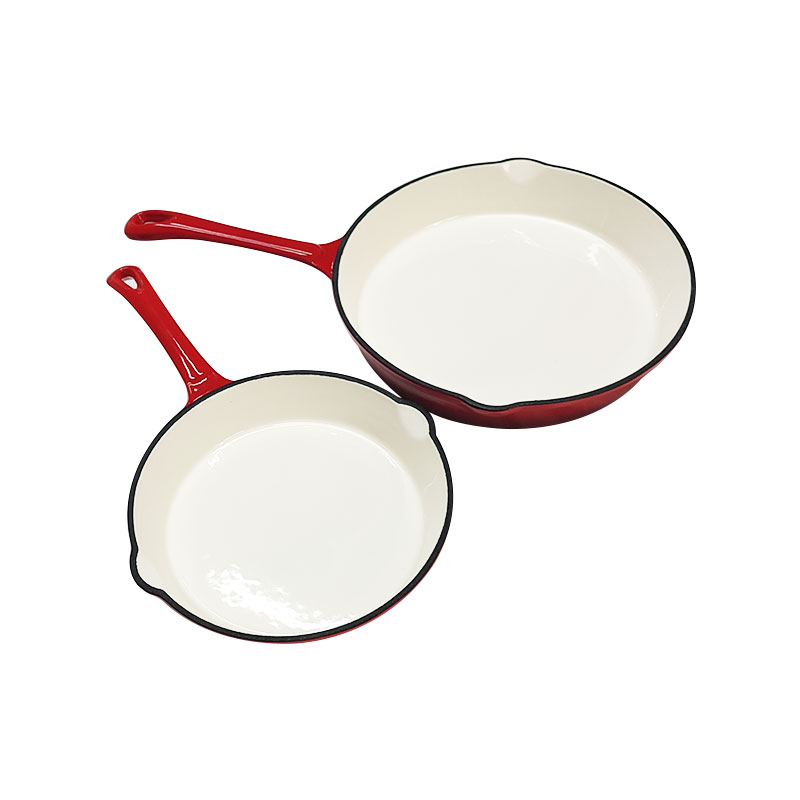
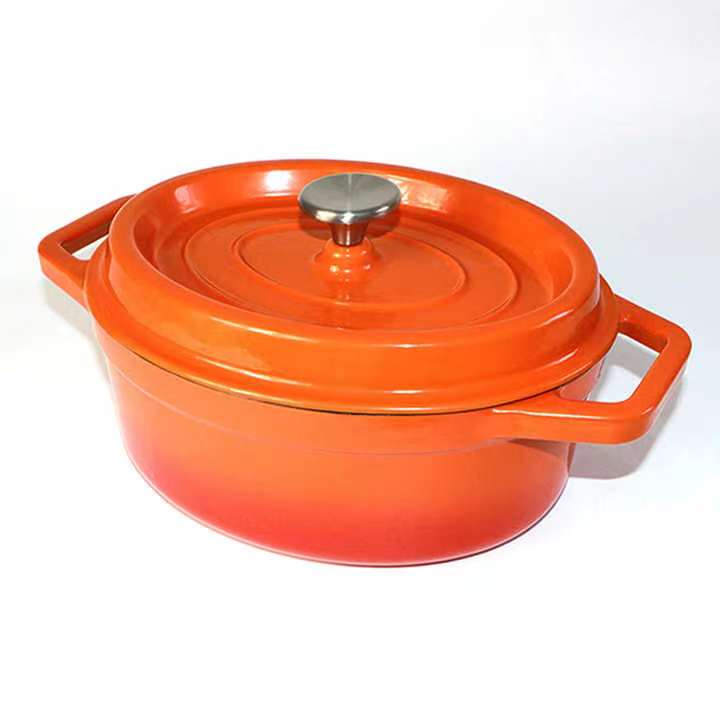
Currently, the market is seeing a shift from heavy, unlined traditional pots to sophisticated enamel pots and pans. This evolution is driven by a growing urban middle class in cities like Moscow and Saint Petersburg, who demand the longevity of iron combined with the ease of maintenance and non-reactive surface of vitreous enamel.

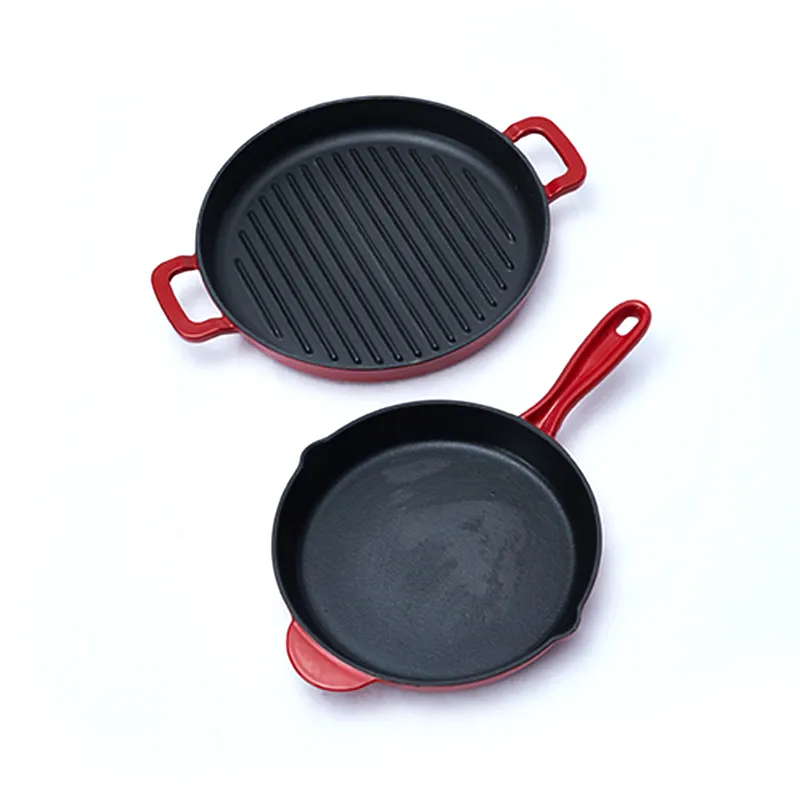
Moreover, the culture of "Dacha" (summer house) cooking has spurred a resurgence in outdoor cooking. This has led to an increased demand for versatile tools, as more users learn how to use cast iron skillet on grill setups to achieve authentic sear marks and deep flavors during the warmer months.
Evolution of Cast Iron Manufacturing

From ancestral forge techniques to precision industrial casting.

Market Development History

Historically, Russian cookware relied on sand-casting methods, producing thick-walled, porous ironware that required intensive curing cast iron pan processes to prevent rust and ensure a non-stick surface. These were heirloom pieces, passed down through generations.

Between 1990 and 2010, the industry transitioned toward standardized industrial molding. The introduction of refined smelting processes reduced impurities in the iron, leading to more consistent heat distribution and a significant reduction in the weight of the cookware without sacrificing thermal mass.

By 2020, the integration of automated enamel spraying and high-temperature kiln firing allowed for the mass production of high-durability enamel coatings, making professional-grade cookware accessible to home chefs across the region.

Future Development Trends

Nano-Ceramic Hybrid Coatings

We anticipate a move toward hybrid surfaces that combine the rustic feel of iron with nano-ceramic layers for extreme abrasion resistance.

Precision Weight Reduction

Optimization of wall thickness through CAD modeling to maintain heat retention while improving ergonomics for the modern user.

Modular Cooking Systems

A trend toward interchangeable lids and handles to maximize storage in compact urban apartments.

Industry Outlook and Strategic Future

Predicting the trajectory of metalware through data-driven insights.

Eco-Friendly Smelting
Implementation of recycled scrap iron and low-emission furnaces to meet EU-Russia green standards.
Smart Thermal Coating
Development of heat-sensitive enamel colors that indicate when the pan has reached optimal searing temperature.
Personalized Casting
Growth in B2B custom molds for luxury Russian restaurant chains wanting branded cookware.
Induction Optimization
Refining the iron base composition to maximize efficiency for modern induction hobs prevalent in Russian cities.

Industry Outlook

Based on Google search trends in the region, there is a marked increase in queries regarding "healthy cooking" and "toxin-free pans," suggesting a pivot away from PTFE-coated non-stick pans toward natural cast iron and enamel.

The next 3-5 years will see a consolidation of the market where durability and chemical safety become the primary selling points, favoring manufacturers who can guarantee lead-free and cadmium-free enamel certifications.

Local Application Scenarios in Russia

Practical use cases for cast iron in the heart of Eurasia.

1. Traditional Pelmeni Steaming and Searing

Using deep cast iron vessels to first boil and then pan-fry dumplings for a perfect contrast of textures.

2. Dacha Outdoor Grilling

Teaching homeowners how to use cast iron skillet on grill stations to cook thick steaks over open wood fires during summer retreats.

3. Gourmet Individual Appetizers

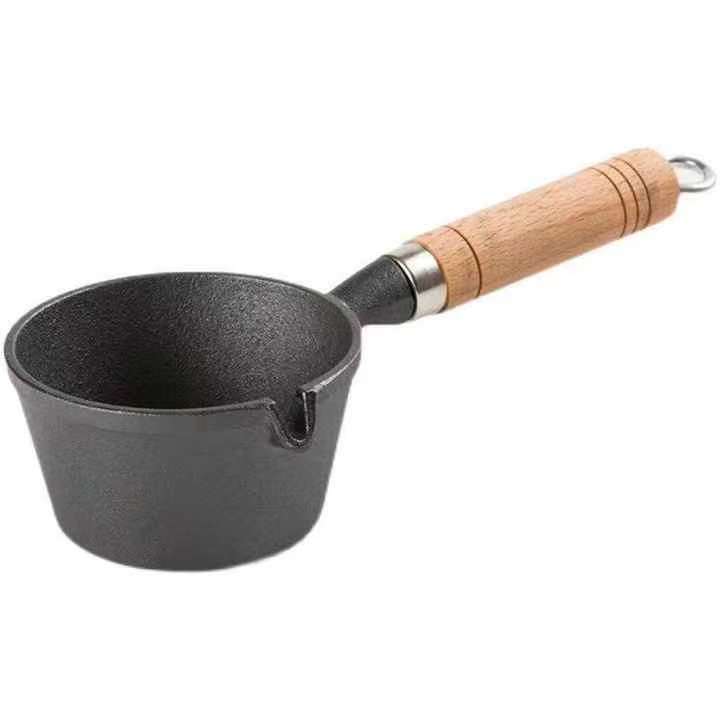
High-end restaurants in Moscow utilizing cast iron individual serving pots for sizzling zakuski (appetizers), keeping the food hot from kitchen to table.

4. Slow-Simmered Borscht

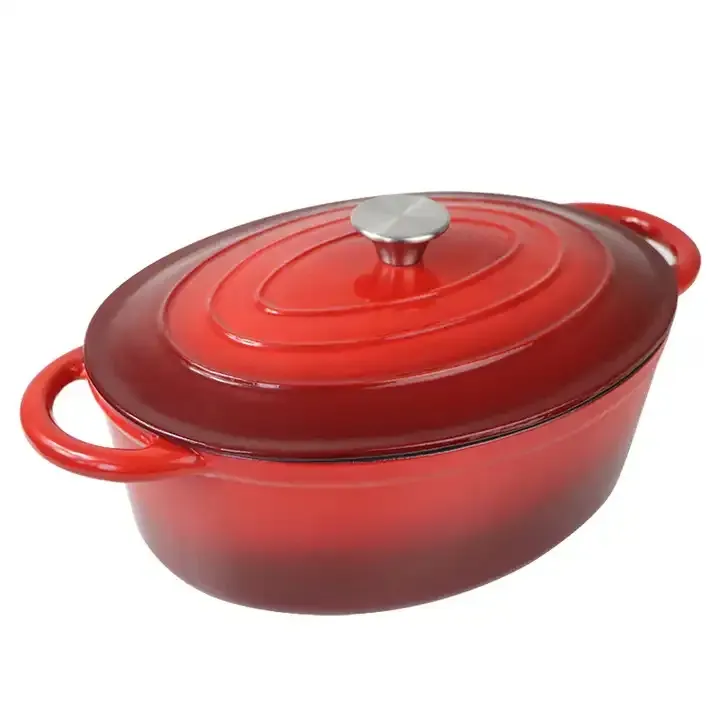
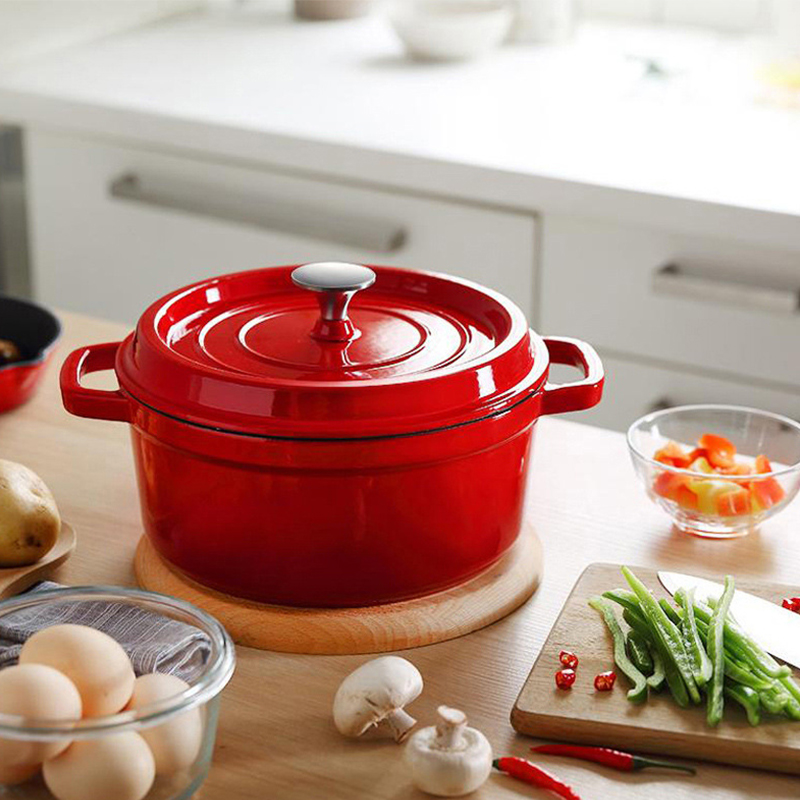
Utilizing large-capacity enamel pots and pans for the low-and-slow simmering of beet-based soups, ensuring no metallic taste disrupts the flavor.

5. Professional Pan Maintenance

Culinary schools in the region focusing on the art of curing cast iron pan surfaces to ensure lifetime durability in commercial environments.

Brand Story

Global Development Journey of Hebei DB Cookware Technology Co., Ltd.

Industrial Foundations

Established with a mission to solve the common problem of uneven heat distribution in traditional cast iron through advanced metallurgy.

Technological Breakthrough

Developed a proprietary enamel fusion process that prevents chipping even under extreme temperature shocks.

European Expansion

Tailoring our product lines to meet the strict safety and quality standards of the European and Russian markets.

Sustainable Innovation

Investing in closed-loop water systems and energy-efficient casting lines to reduce our environmental footprint.

Global Culinary Partner

Today, we empower thousands of chefs worldwide with cookware that blends ancestral strength with modern precision.

Local Cast Iron FAQ

Expert answers to the most common questions from our Russian clients.

How do I start curing cast iron pan for first-time use?

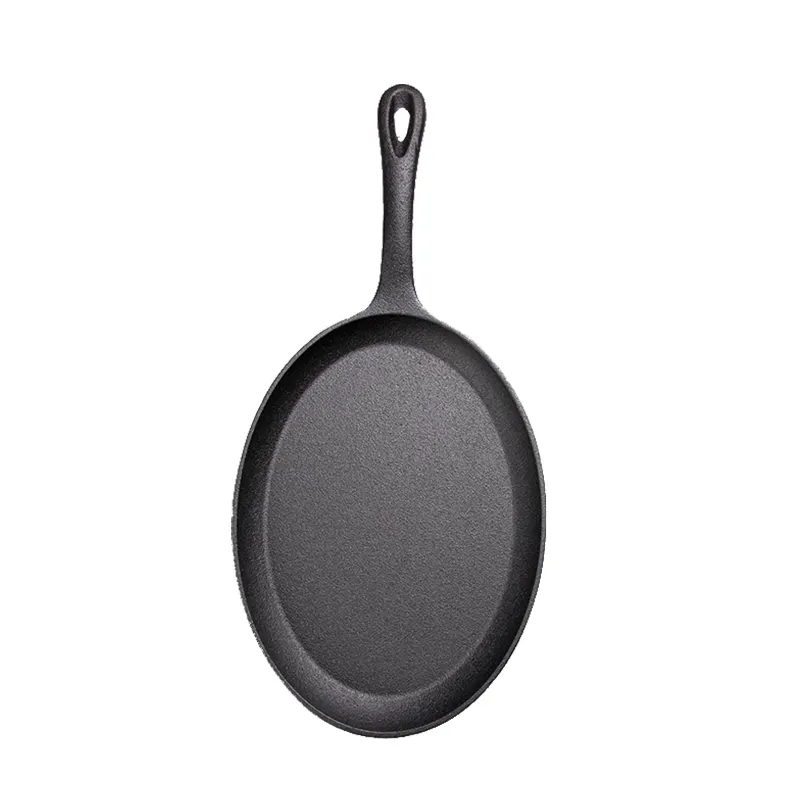
Apply a thin layer of vegetable oil to the surface, heat it in the oven at 230°C for one hour, and let it cool. Repeat this process 2-3 times to create a natural non-stick polymerization.

Can I use enamel pots and pans on an induction stove?

Yes, our enamel-coated cast iron is ferromagnetic, making it highly efficient for induction hobs while providing the superior heat retention of iron.

Is it safe to use cast iron skillet on grill high-heat settings?

Absolutely. Cast iron is designed for extreme heat. Just ensure you preheat the skillet gradually to avoid thermal shock, especially if the weather is freezing.

Why choose cast iron individual serving pots for restaurants?

They provide an upscale presentation and ensure that the food remains hot throughout the dining experience, which is critical for the Russian hospitality sector.

What are the best cast iron vessels for slow-cooking stews?

Our deep Dutch ovens are ideal, as the heavy lid traps moisture and the thick walls distribute heat evenly, preventing hot spots during long simmers.

How to prevent rust on non-enameled cast iron in humid climates?

Always dry your cookware immediately after washing and apply a light coating of oil before storing to seal the pores from oxygen and moisture.

Ready to Upgrade Your Kitchen?

Contact our specialists for B2B bulk orders and customized manufacturing solutions tailored for Russia.

Contact Us Now

Inquire Now for Cast Iron Cookware Deals

Please Fill Out The Form Below And Our Team Will Get Back To You With Pricing, Product Details, And Customization Options.

If you are interested in our products, you can choose to leave your information here, and we will be in touch with you shortly.