
wechat
WeChat
whatsapp
Email
up

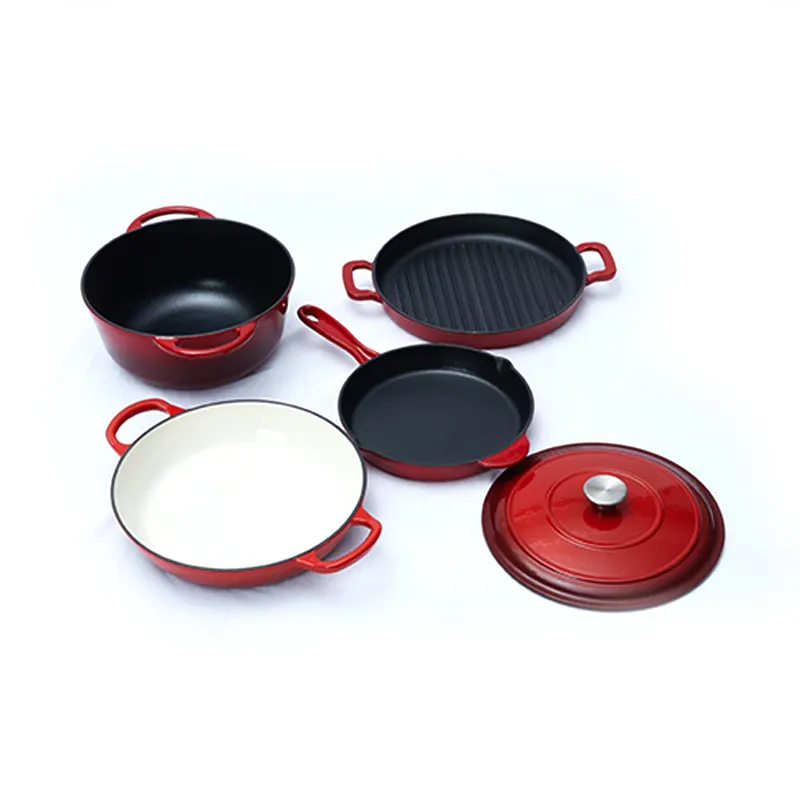
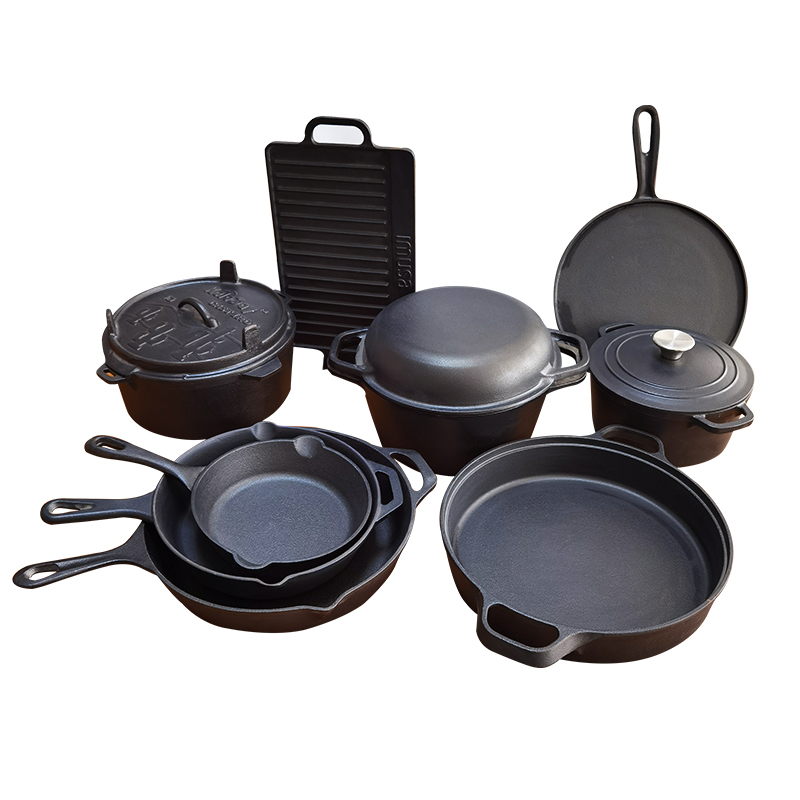
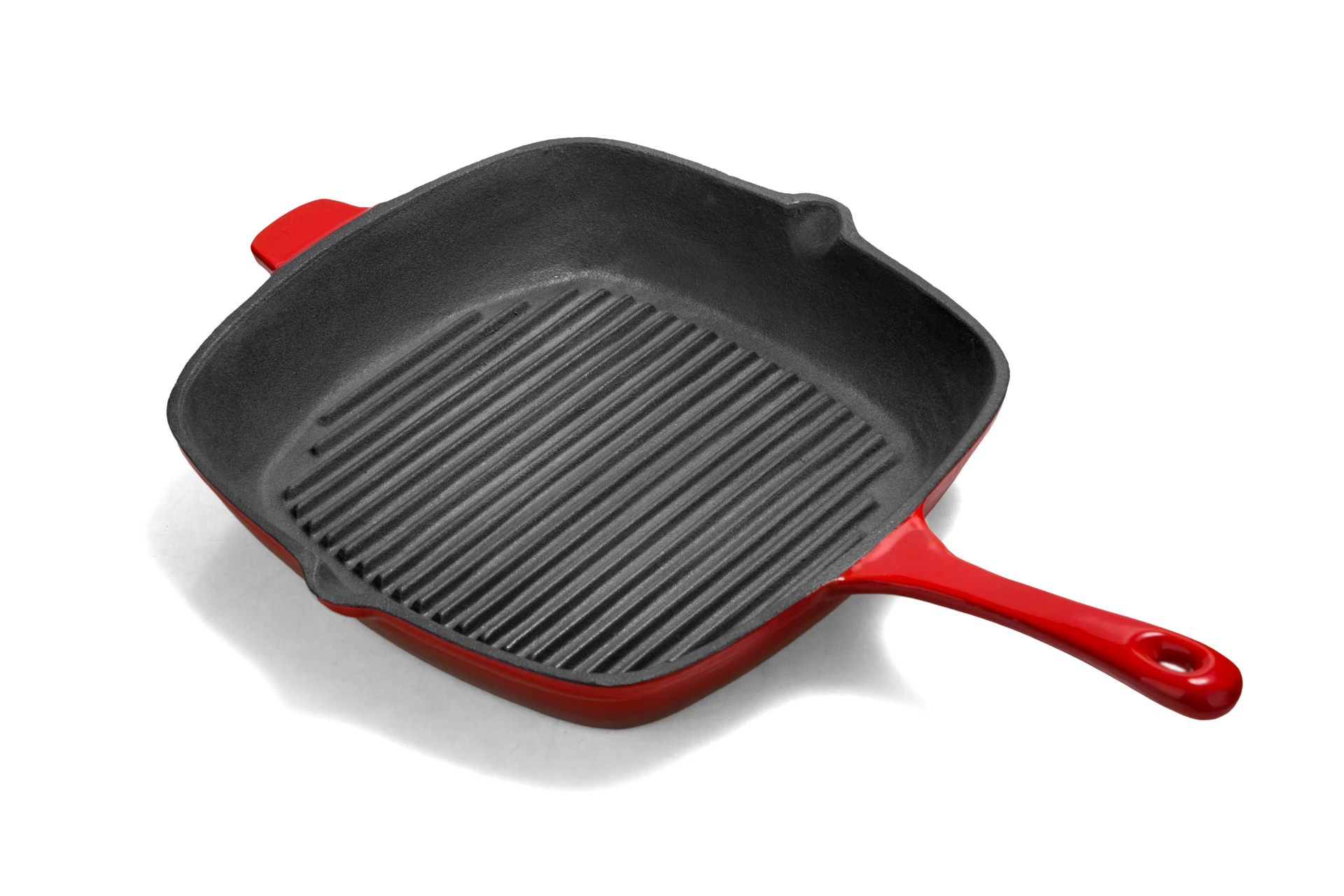
Premium enamel pots and pans Solutions for Gambia Market

Integrating industrial-grade durability with Gambian culinary traditions through advanced cast iron engineering.

Cookware Landscape in Gambia

Analyzing the demand for durable metal vessels in West African coastal environments.

In Gambia, the high humidity and salt-laden air from the Atlantic coast pose a significant challenge to metal durability. Many households rely on cast iron vessels due to their ability to handle open-fire cooking and high heat, which are common in traditional Benachin preparation.

However, the prevalence of oxidation in the coastal region has created a surging demand for enamel pots and pans. The enamel coating acts as a critical barrier against corrosion, extending the lifecycle of the cookware in the humid Gambian atmosphere.

Current market trends show a shift from generic imported aluminum to specialized ironware. Professional chefs in Banjul are increasingly seeking high-retention tools, highlighting a gap in the market for precision-engineered, heavy-duty kitchenware.
Evolution of Cast Iron Manufacturing

From ancestral sand-casting to modern precision enamel coatings.

Market Development History

Historically, cookware in the region relied on basic sand-cast iron, which required intensive maintenance. The primary challenge was the repetitive process of curing cast iron pan surfaces using local oils to prevent rust.

By the early 2000s, the introduction of industrial vitreous enamel allowed for non-reactive surfaces. This technical iteration eliminated the need for constant seasoning and allowed for the cooking of acidic ingredients without metallic contamination.

Today, the industry has moved toward precision molding and multi-layer enamel technology, creating vessels that offer the thermal mass of iron with the hygiene and ease of stainless steel.

Future Development Trends

Lightweight High-Density Alloys

Integration of refined alloys to reduce the weight of heavy vessels while maintaining the thermal properties essential for slow-cooking.

Advanced Non-Stick Enamel

Development of PFOA-free, high-temperature resistant ceramic-enamel hybrids to reduce oil usage in traditional Gambian frying.

Ergonomic Regional Design

Customizing handle designs to better suit the lifting techniques and stove types used in West African domestic kitchens.

Future Outlook of Metal Cookware

Predicting the trajectory of the Gambian kitchenware market through 2028.

Eco-Friendly Smelting
Transitioning to low-carbon casting processes to meet emerging global environmental standards for African exports.
Smart Thermal Coating
Implementing coatings that provide visual cues for optimal temperature, reducing energy waste during cooking.
Modular Sizing
Developing versatile, stackable sets to optimize storage in urban Gambian apartments.
Hybrid Heating Compatibility
Designing vessels that perform equally well on traditional charcoal stoves and modern induction hobs.

Industry Outlook

Google search trends for "durable cookware" in West Africa indicate a shift toward sustainable, long-term investments over disposable non-stick pans. This trend favors high-quality ironware that can be passed down through generations.

We anticipate that the integration of e-commerce in Gambia will accelerate the adoption of specialized items like cast iron individual serving pots, as the local hospitality sector evolves toward gourmet dining experiences.

Localized Applications in Gambia

Real-world usage scenarios for professional and domestic cooking.

1. Coastal Benachin Preparation

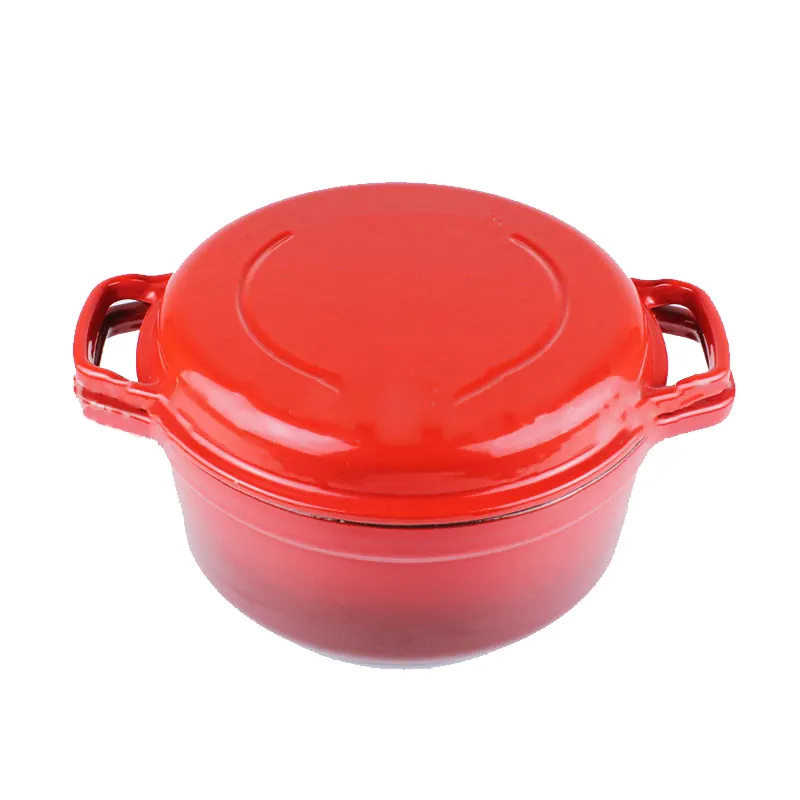
Utilizing large-capacity cast iron vessels to ensure uniform heat distribution when simmering rice and fish for large family gatherings.

2. Outdoor BBQ and Grilling

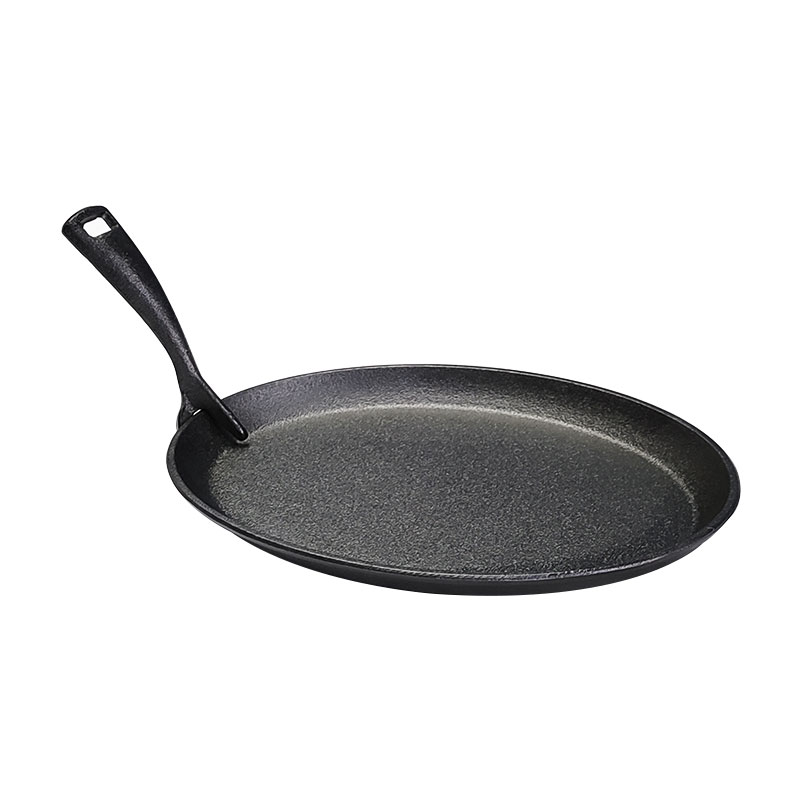
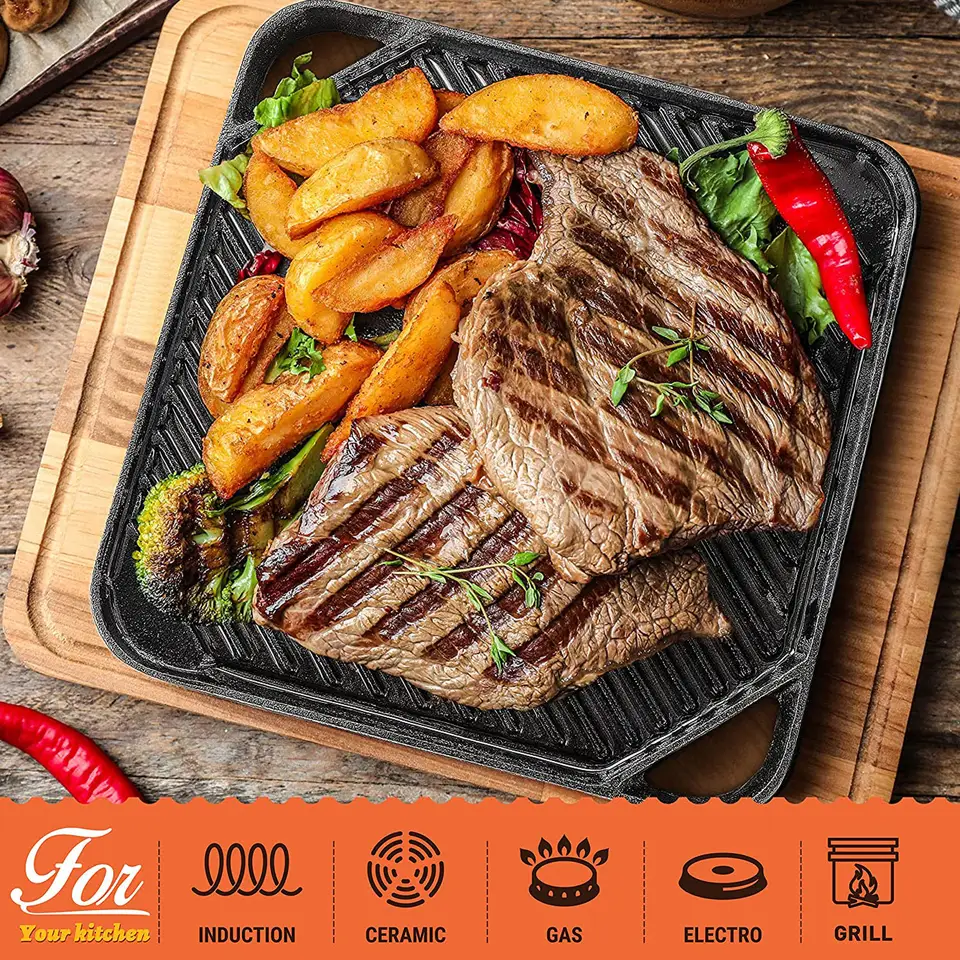
Showing chefs how to use cast iron skillet on grill for searing meats at high temperatures during street food festivals in Banjul.

3. Boutique Hotel Plating

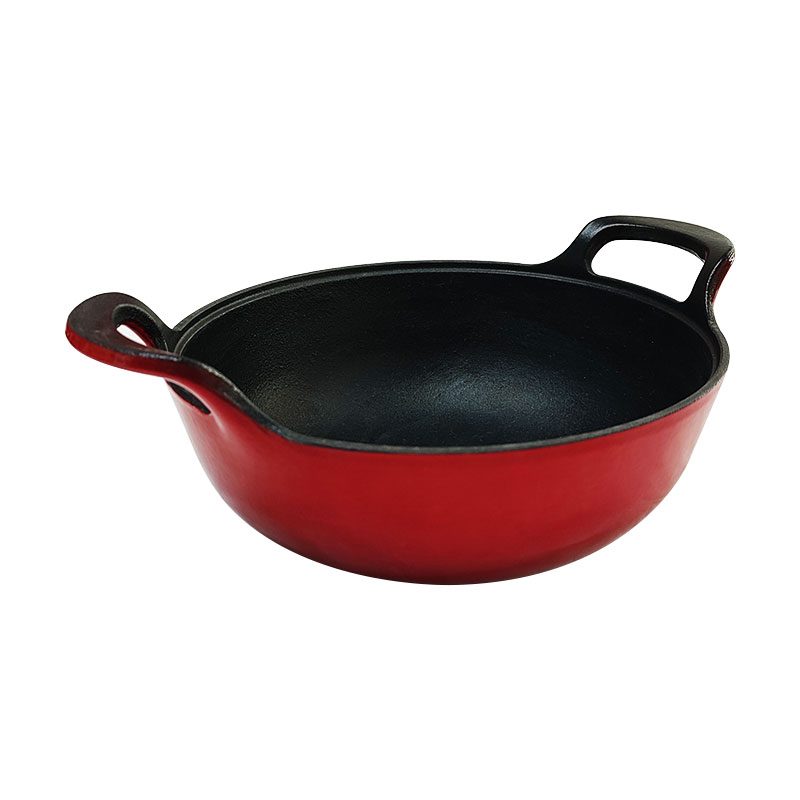
Implementing cast iron individual serving pots in luxury resorts to serve sizzling appetizers, blending rustic charm with high-end presentation.

4. Acidic Stew Preservation

Using enamel pots and pans for tomato-based stews, preventing the metallic taste often associated with uncoated iron.

5. Traditional Oil Seasoning

Educating local markets on the correct method of curing cast iron pan surfaces using local palm oil to create a natural non-stick layer.

Brand Story

Global Development Journey of Hebei DB Cookware Technology Co., Ltd.

Foundational Engineering

Established with a focus on metallurgical excellence, solving the core issue of uneven heat distribution in mass-produced ironware.

Enamel Innovation

Developed proprietary multi-layer enamel bonding technology to prevent chipping and peeling in extreme temperature fluctuations.

Global Expansion

Expanded distribution to West African markets, adapting product weights and sizes to suit regional cooking habits.

Quality Certification

Achieved international food-grade certifications, ensuring every vessel is free from harmful lead and cadmium.

Sustainable Future

Investing in green manufacturing to provide the world with cookware that lasts a lifetime, reducing landfill waste.

Gambia Cookware FAQ

Expert answers to common questions regarding cast iron maintenance and use.

How often should I perform curing cast iron pan maintenance in humid climates?

In high-humidity areas like Gambia, we recommend a light seasoning layer after every few uses to prevent moisture from penetrating the iron surface.

Can I safely use cast iron skillet on grill over charcoal fires?

Yes, cast iron is ideal for charcoal grills. Ensure the skillet is preheated slowly to avoid thermal shock and maintain a consistent sear.

Why choose enamel pots and pans over traditional raw cast iron?

Enamel provides a non-reactive surface, meaning you can cook acidic foods (like tomato stews) without the need for seasoning or risk of rust.

Are cast iron individual serving pots suitable for commercial restaurant use?

Absolutely. Their high heat retention keeps food hot from the kitchen to the table, making them perfect for the hospitality industry.

What is the best way to clean large cast iron vessels without damaging the surface?

Use a stiff brush and warm water. For enamel, a soft sponge is sufficient. Always dry immediately to prevent spotting in salty coastal air.

Do these products support induction cooking in modern Gambian kitchens?

Yes, our iron-based cookware is naturally ferromagnetic, making it fully compatible with induction, gas, and electric stoves.

Partner with DB Cookware

Providing world-class cast iron manufacturing solutions to businesses across Gambia.

Contact Us Now

Inquire Now for Cast Iron Cookware Deals

Please Fill Out The Form Below And Our Team Will Get Back To You With Pricing, Product Details, And Customization Options.

If you are interested in our products, you can choose to leave your information here, and we will be in touch with you shortly.