
wechat
WeChat
whatsapp
Email
up

Premium enamel pots and pans Solutions for Kazakhstan

Elevating Central Asian culinary traditions with high-performance cast iron engineering and durable enamel coatings tailored for the Kazakhstan market.

Premium enamel pots and pans Solutions for Kazakhstan

Discover our comprehensive range of professional-grade cookware, from heavy-duty cast iron vessels to precision-engineered serving ware, designed to withstand high-heat environments and traditional Kazakh cooking methods.

The State of Cast Iron Cookware in Kazakhstan

Analyzing the intersection of nomadic culinary heritage and modern metallurgical demands.

In Kazakhstan, the culinary culture is deeply rooted in hearty, slow-cooked meats and stews, which necessitates cookware with exceptional heat retention. The extreme continental climate, with its harsh winters, has historically made heavy cast iron vessels a staple in households for their ability to maintain consistent temperatures during long braising processes.

Currently, the market is witnessing a transition from rustic, uncoated iron to sophisticated enamel pots and pans. This shift is driven by the urbanization of cities like Almaty and Astana, where consumers seek the durability of iron combined with the ease of maintenance and non-reactive properties of enamel for modern kitchen interiors.

However, a significant gap remains in professional guidance regarding the longevity of these tools. Many local consumers struggle with the technical aspects of curing cast iron pan surfaces, leading to premature oxidation in the humid micro-climates of southern regions, creating a demand for pre-seasoned, industrial-grade solutions.
Evolution of Cast Iron Technology in Central Asia

From traditional forge-casting to high-precision enamel fusion.

Market Development History

Historically, from the mid-20th century, the region relied on heavy, sand-cast iron pots that were prized for their longevity but lacked thermal uniformity. These vessels were often passed down through generations, emphasizing the "lifetime" value of the material.

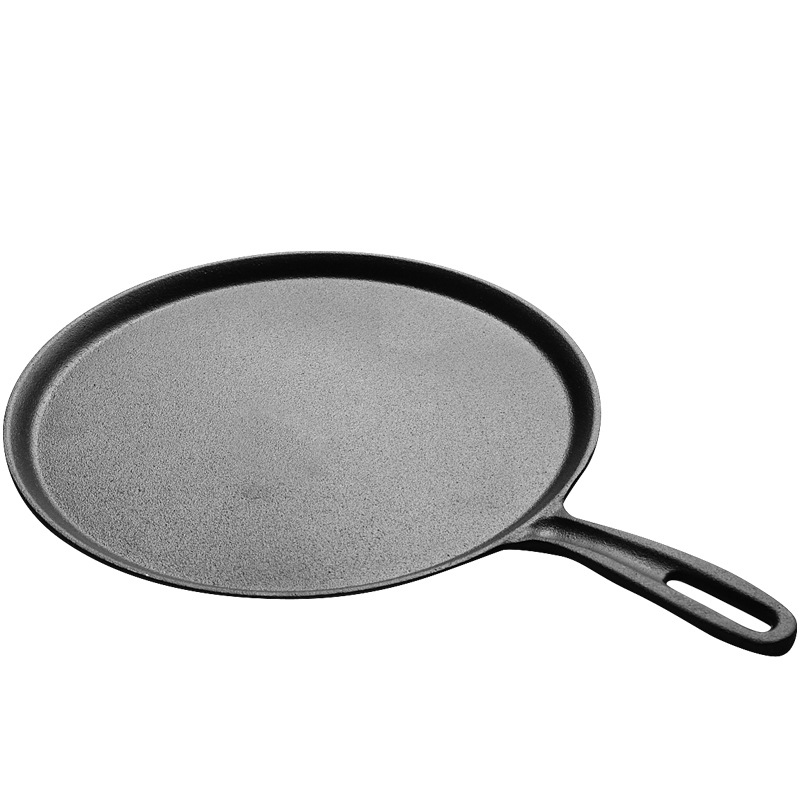
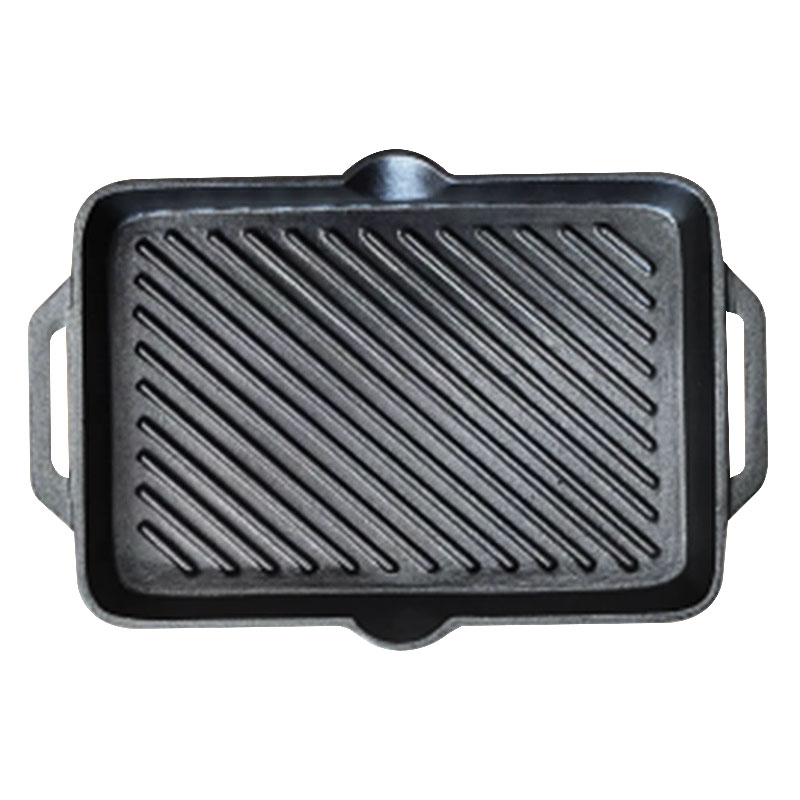
Between 2000 and 2015, the introduction of automated casting lines reduced porosity in the metal, allowing for thinner walls without sacrificing strength. This era saw the rise of the "skillet culture," where users began to use cast iron skillet on grill setups for traditional outdoor meat searing.

From 2016 to the present, the focus has shifted toward advanced vitrified enamel coatings and ergonomic designs. The emergence of cast iron individual serving pots marks a transition toward gourmet presentation in Kazakhstan's growing luxury hospitality sector.

Future Development Trends

Nano-Ceramic Hybrid Coatings

Integration of nano-ceramic layers with enamel to increase scratch resistance and improve heat distribution across the surface.

Lightweight Alloy Casting

Development of modified cast iron alloys that retain heat capacity while reducing the overall weight for easier handling in commercial kitchens.

Smart Thermal Monitoring

Integration of heat-sensitive indicators in handles to optimize the precision of slow-cooking and searing temperatures.

Industry Trends and Future Outlook

Projecting the trajectory of high-performance cookware in the Kazakhstan market.

Eco-Friendly Casting
Shift toward recycled iron scrap and low-emission smelting processes to meet global sustainability standards.
Gastronomic Specialization
Increasing demand for specialized shapes like cocottes and individual pots for fine-dining presentations.
Direct-to-Consumer Growth
Expansion of e-commerce channels for premium cast iron, bypassing traditional wholesalers in Central Asia.
Thermal Efficiency
Engineering cookware that optimizes heat distribution to reduce energy consumption in commercial settings.

Industry Outlook

Based on Google search trends in the region, there is a rising interest in "healthy cooking" and "traditional materials," which directly benefits the cast iron sector. We expect a 15% CAGR in the demand for high-end enameled ironware as Kazakh consumers move away from PTFE coatings.

The future will likely see a convergence of traditional Kazakh cooking styles with global culinary trends, where versatile tools that can move from the oven to the table—such as specialized individual pots—become the industry standard.

Localized Application Scenarios in Kazakhstan

Practical implementations of cast iron cookware across diverse Kazakh environments.

1. Traditional Beshbarmak Slow-Cooking

Utilizing heavy-bottomed cast iron vessels to maintain the low, steady simmer required for tenderizing horse or lamb meat over several hours.

2. Outdoor Shashlik Grilling

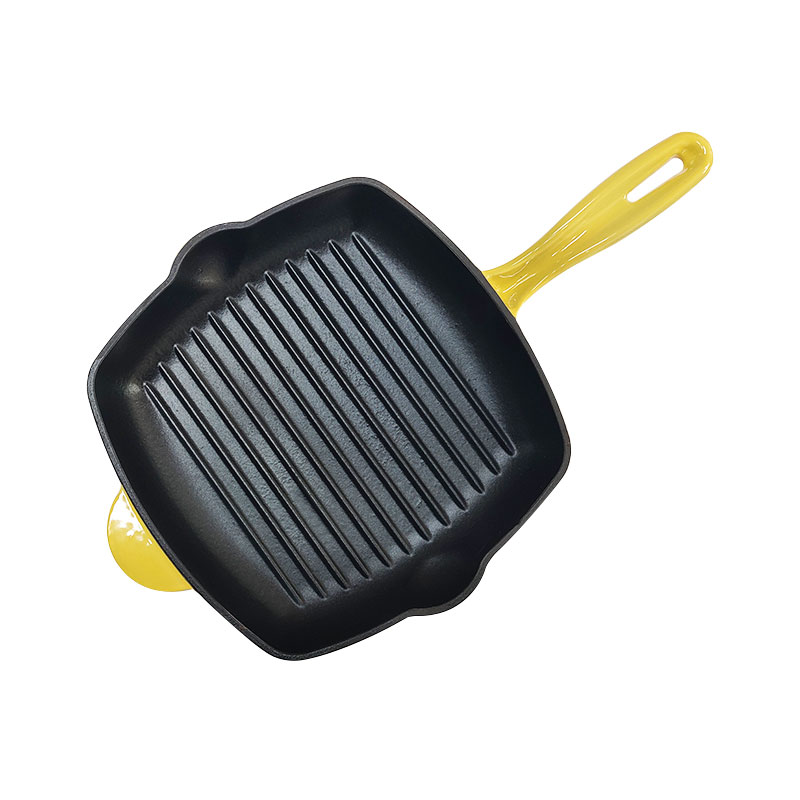
Using a professional use cast iron skillet on grill technique to sear vegetables and meat accompaniments, ensuring a perfect Maillard reaction outdoors.

3. Modern Urban Apartment Dining

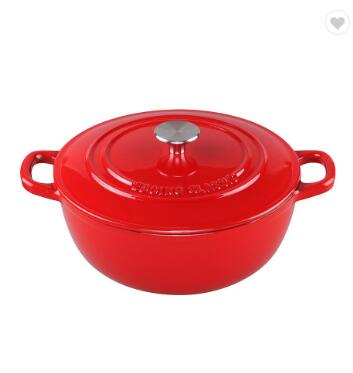
Employing enamel pots and pans for acidic stews and sauces, providing a non-reactive surface that is easy to clean in compact city kitchens.

4. Boutique Restaurant Plating

Serving gourmet Kazakh fusion dishes in cast iron individual serving pots to keep the food hot from the kitchen to the customer's table.

5. Heritage Home Maintenance

Implementing a strict regimen of curing cast iron pan surfaces using local organic oils to create a natural non-stick patina for ancestral recipes.

Brand Story

The Global Development Journey of Hebei DB Cookware Technology Co., Ltd.

Foundational Metallurgy

Starting with a commitment to pure iron casting, we focused on solving the issue of uneven heat distribution in traditional vessels.

Enamel Innovation

Developed a proprietary vitrified enamel process that eliminates chipping and resists extreme thermal shock.

Global Market Expansion

Extended our reach into Central Asia, tailoring our product weights and sizes to fit the cultural cooking habits of Kazakhstan.

Quality Standardization

Achieved international certifications ensuring every piece of cookware is food-safe and chemically inert.

Future-Proof Design

Now leading the way in ergonomic, multi-functional cast iron that bridges the gap between ancestral tradition and modern efficiency.

Kazakhstan Cast Iron Cookware FAQ

Expert answers to the most common technical questions from our local users.

How often should I perform curing cast iron pan maintenance?

For the dry climates of Kazakhstan, we recommend a light seasoning layer after every few uses. If you notice the surface becoming dull, a full curing process with high-smoke-point oil is advised.

Can I use cast iron skillet on grill for outdoor Beshbarmak searing?

Yes, our skillets are specifically engineered for extreme temperatures. Placing them directly on charcoal grills provides the intense heat needed for professional searing.

What are the advantages of enamel pots and pans over raw iron?

Enamel provides a non-reactive barrier, allowing you to cook acidic foods like tomato-based stews without altering the taste or risking rust, and it requires no seasoning.

Are cast iron individual serving pots suitable for oven-to-table use?

Absolutely. They are designed to retain heat exceptionally well, ensuring that individual portions remain hot throughout the meal service.

How do I prevent rust in my cast iron vessels during humid summers?

Always dry your cookware immediately after washing. Applying a thin layer of vegetable oil before storage creates a moisture barrier that prevents oxidation.

Can these pots be used on induction cooktops in Almaty apartments?

Yes, since they are made of ferromagnetic cast iron, all our vessels are fully compatible with induction, gas, and electric stoves.

Partner with the Cast Iron Experts

Ready to upgrade your culinary infrastructure in Kazakhstan? Contact our technical team for wholesale and custom manufacturing solutions.

Contact Us Now

Inquire Now for Cast Iron Cookware Deals

Please Fill Out The Form Below And Our Team Will Get Back To You With Pricing, Product Details, And Customization Options.

If you are interested in our products, you can choose to leave your information here, and we will be in touch with you shortly.