
wechat
WeChat
whatsapp
Email
up

Premium enamel pots and pans Solutions for Laos

Elevating Southeast Asian culinary traditions with high-performance cast iron engineering and durable enamel coatings tailored for the Lao market.

Market Dynamics of Cast Iron Cookware in Laos

Analyzing the intersection of traditional Lao cooking and modern metalware durability.

In Laos, the culinary landscape is deeply rooted in open-fire cooking and slow-simmering techniques. The high humidity of the region presents a significant challenge for raw metal, making the demand for high-quality cast iron vessels critical to prevent oxidation and ensure food safety in tropical climates.

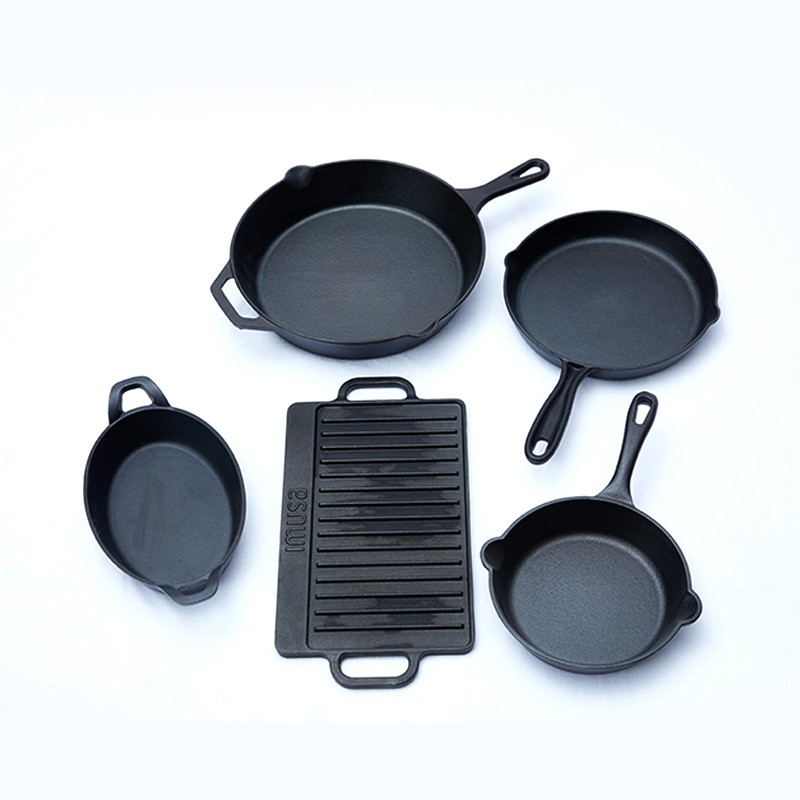
Currently, many local households rely on imported cookware. However, there is a growing shift toward specialized tools like cast iron individual serving pots, as the hospitality sector in Luang Prabang and Vientiane moves toward more sophisticated, "farm-to-table" presentation styles that retain heat effectively.

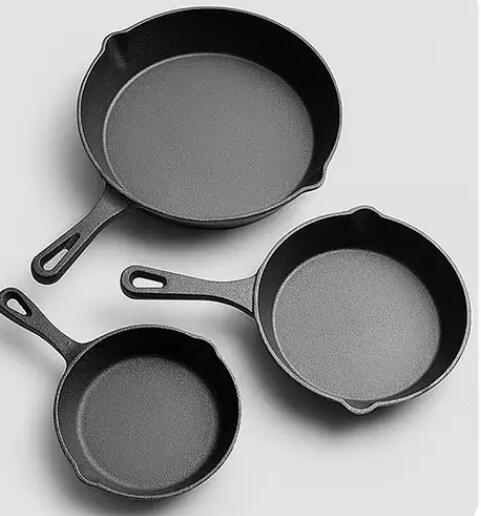
The local market is also seeing an increase in awareness regarding maintenance. The practice of curing cast iron pan surfaces is becoming a recognized skill among professional Lao chefs who seek the non-stick benefits of a well-seasoned surface without relying on synthetic chemicals.
Evolution of Cast Iron Manufacturing for Asia

From artisanal smelting to precision industrial casting.

Market Development History

Historically, cast iron in Southeast Asia was produced via sand-casting in small local foundries, resulting in porous surfaces that required heavy seasoning. These traditional vessels were prized for their weight but lacked uniform heat distribution.

By the early 2000s, the introduction of centrifugal casting and automated polishing allowed for denser iron structures. This era saw the transition toward standardized enamel pots and pans, reducing the need for constant oiling while maintaining the thermal mass of iron.

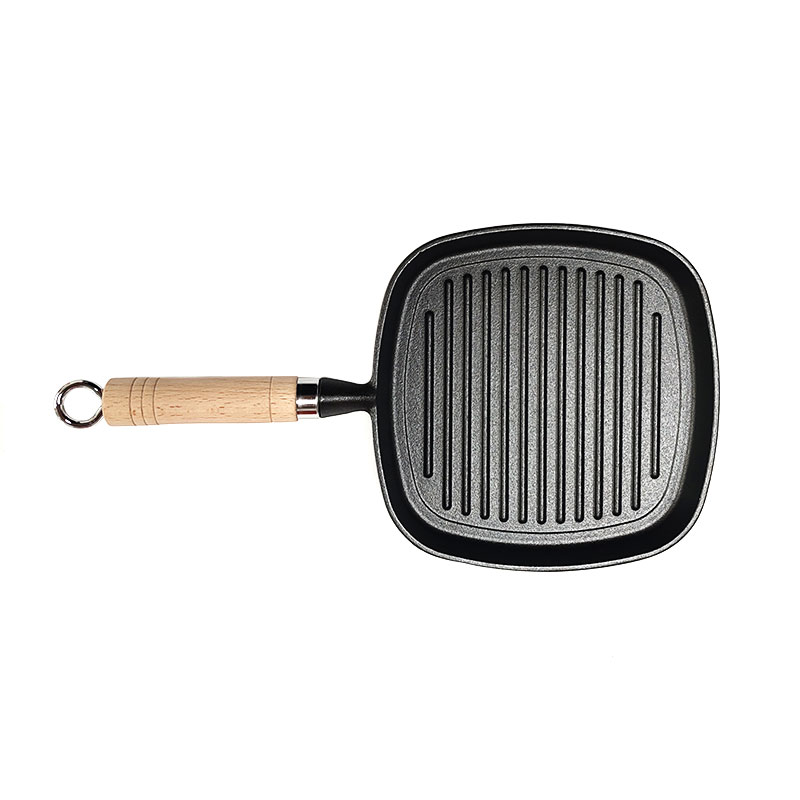
From 2015 to the present, the focus has shifted toward "hybrid" utility. The ability to use cast iron skillet on grill setups has become a standard requirement for the expanding outdoor tourism and BBQ sectors across the Mekong region.

Future Development Trends

Nitro-Carburized Surface Technology

Moving toward surfaces that offer the rust-resistance of enamel with the searing power of raw iron to suit the humid Lao climate.

Lightweight Cast Iron Alloys

Developing high-density but lower-weight alloys to make professional-grade cookware more accessible for domestic Lao kitchens.

Precision Thermal Mapping

Using AI-driven casting molds to eliminate hot spots, ensuring perfectly even cooking for traditional Lao stews.

Industry Trends and Future Outlook

Predicting the trajectory of the metalware industry in the Laos region.

Eco-Friendly Casting
Shift toward recycled iron scrap and low-emission furnaces to meet new Southeast Asian environmental standards.
Smart Coating Logic
Integration of PFOA-free ceramic and enamel layers that resist the acidic components of traditional Lao fish sauces.
Direct-to-Chef Distribution
Bypassing traditional wholesalers to provide customized cast iron tools directly to the booming Lao hotel industry.
Modular Cookware Sets
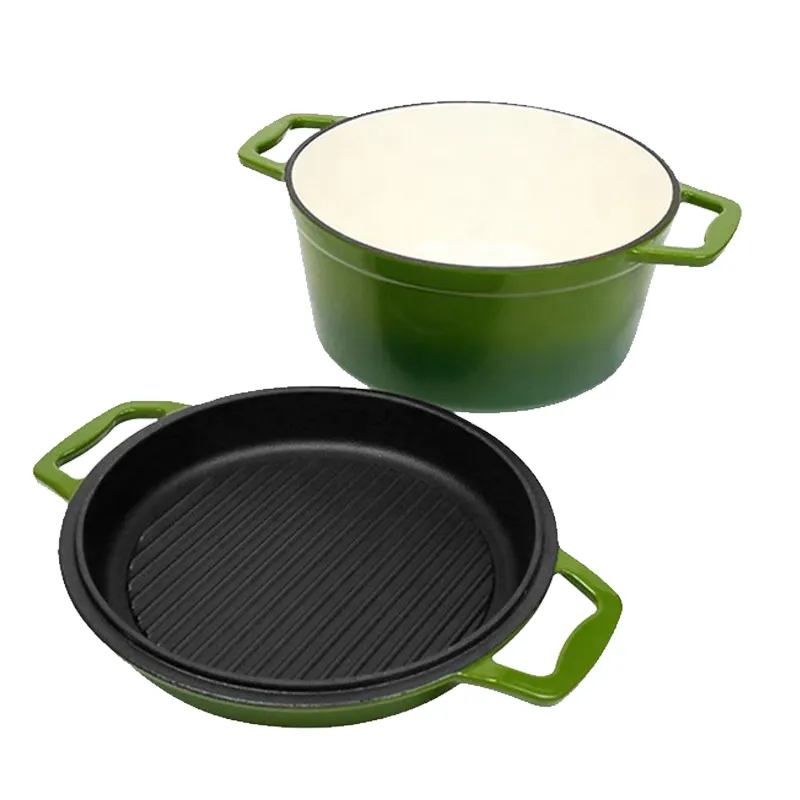
Developing interchangeable lids and handles for modular cast iron vessels to optimize kitchen space.

Industry Outlook

The next 3-5 years will see a surge in demand for "heritage-modern" cookware. Google search trends in Southeast Asia indicate a rising interest in traditional materials combined with modern convenience, suggesting that pre-seasoned and enamel-coated products will dominate.

As Laos integrates further into regional trade agreements, the flow of precision-engineered cast iron will increase, pushing local manufacturers to adopt higher E-E-A-T standards in material certification and durability testing.

Local Application Scenarios in Laos

How our cast iron solutions integrate into the Lao lifestyle and professional kitchens.

1. Traditional Lao Stews (Kaeng)

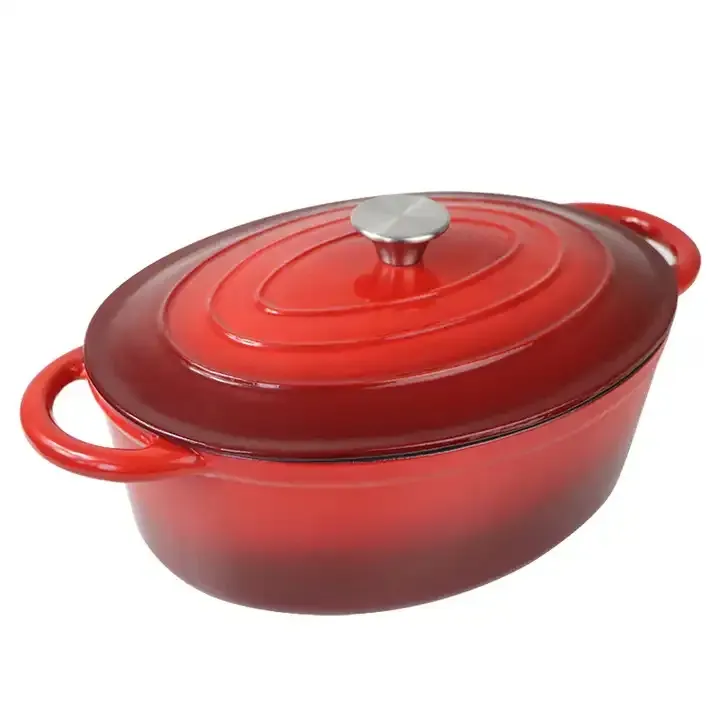
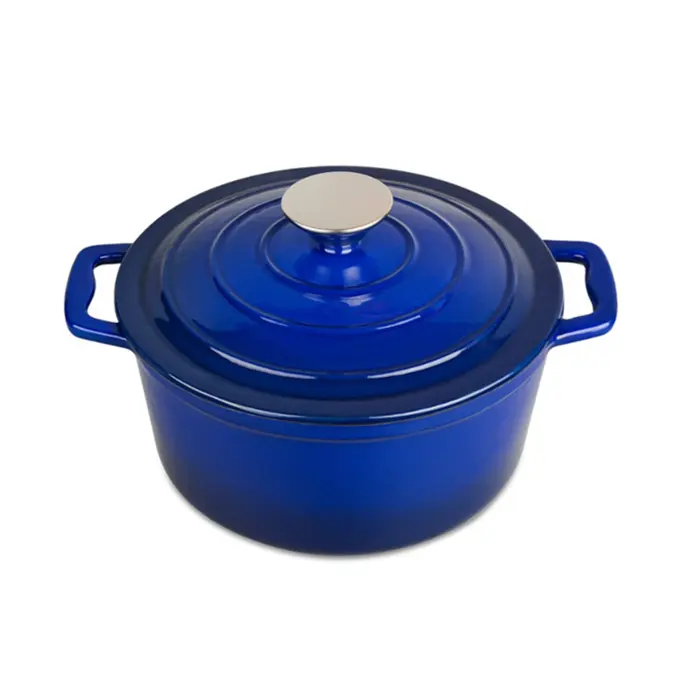
Utilizing enamel pots and pans for slow-cooking traditional stews, ensuring that the acidic lime and fish sauce do not react with the metal while maintaining a steady simmer.

2. Street Food Grilling (Ping Gai)

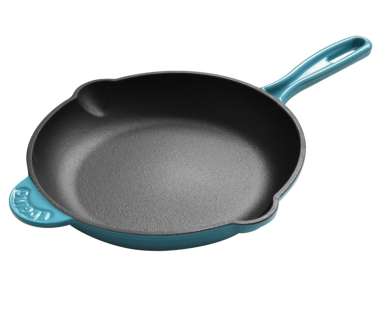
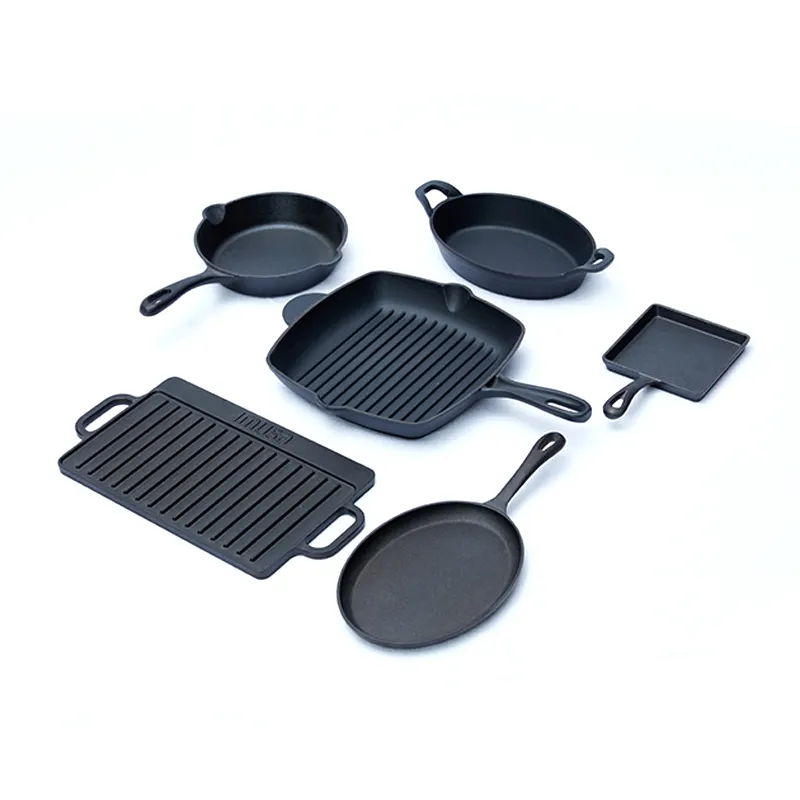
Commercial vendors can use cast iron skillet on grill setups to achieve a superior sear on grilled chicken and pork, providing consistent heat that charcoal alone cannot maintain.

3. Boutique Hotel Dining

High-end resorts in Luang Prabang use cast iron individual serving pots to present signature dishes, keeping the food hot from the kitchen to the table for a premium guest experience.

4. Rural Home Cooking

Heavy-duty cast iron vessels are used over wood-fire stoves in rural provinces, where the iron's ability to withstand extreme heat without warping is essential.

5. Modern Urban Apartments

Vientiane's growing middle class is adopting the practice of curing cast iron pan surfaces for healthier, low-oil cooking on induction and gas hobs.

Brand Story

Global Development History of Hebei DB Cookware Technology Co., Ltd.

Industrial Foundations

Established with a focus on high-grade iron smelting, we began by solving the fundamental problem of porosity in traditional cast iron.

Precision Engineering Shift

We integrated CNC machining and automated polishing to create the perfectly flat surfaces required for modern stovetops.

Enamel Innovation

Developed a proprietary multi-layer enamel process that prevents chipping and resists corrosive ingredients used in Asian cuisine.

Global Expansion

Extended our footprint into the Laos and wider Southeast Asian markets, adapting our product lines to regional cooking styles.

Sustainability Leadership

Now leading the industry in green casting technology, reducing the carbon footprint of every pot and pan produced.

Laos Cookware FAQ

Expert answers to common questions about using and maintaining cast iron in humid climates.

How often should I be curing cast iron pan surfaces in Laos?

Due to the high humidity in Laos, we recommend a maintenance seasoning every 3-4 uses, or whenever the surface looks dull, to prevent rust.

Can I use cast iron skillet on grill for outdoor Lao BBQ?

Yes, our skillets are designed for extreme heat. Using them on a grill provides a stable surface for searing meats and vegetables consistently.

Are enamel pots and pans better for acidic Lao dishes?

Absolutely. The enamel coating acts as a barrier, preventing acidic ingredients like tamarind or lime from reacting with the iron.

What are the benefits of cast iron individual serving pots in restaurants?

They provide exceptional heat retention, ensuring that dishes remain hot from the kitchen to the guest's table, enhancing the dining experience.

How do I choose the right cast iron vessels for a commercial kitchen?

Focus on wall thickness and handle ergonomics. Commercial vessels require higher thermal mass for constant high-volume cooking.

Do enamel coatings chip when used over open wood fires?

Our high-temperature enamel is designed for durability, but we recommend avoiding extreme thermal shock (e.g., putting a hot pot in cold water).

Partner with the Cast Iron Experts

Ready to upgrade your culinary equipment? We provide tailored manufacturing and supply chain solutions across Laos.

Contact Us Now

Inquire Now for Cast Iron Cookware Deals

Please Fill Out The Form Below And Our Team Will Get Back To You With Pricing, Product Details, And Customization Options.

If you are interested in our products, you can choose to leave your information here, and we will be in touch with you shortly.