
wechat
WeChat
whatsapp
Email
up

Premium Enamel Pots and Pans Solutions for Malaysia's Culinary Market

Engineering high-performance cast iron cookware tailored for the humid climates and diverse gastronomic needs of Southeast Asia.

Premium Enamel Pots and Pans Solutions for Malaysia's Culinary Market

Integrating advanced metallurgy with traditional craftsmanship to provide Malaysian chefs and home cooks with durable, heat-retentive cast iron solutions.

The Landscape of Cast Iron Vessels in Malaysia

Analyzing the intersection of tropical humidity and traditional metalware.

In Malaysia, the culinary landscape is a vibrant blend of Malay, Chinese, and Indian influences, where high-heat searing and slow-simmering are essential. However, the extreme tropical humidity of the region poses a significant challenge for traditional ironware, making the risk of oxidation higher than in temperate zones.

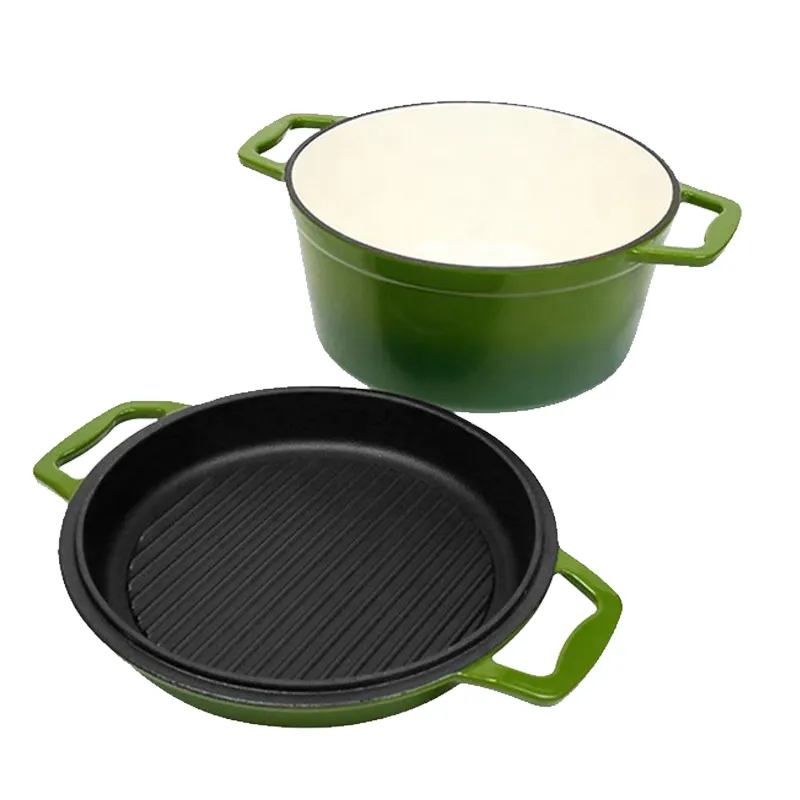
This environmental factor has led to a surge in demand for specialized enamel pots and pans, which provide a protective barrier against moisture while maintaining the superior thermal mass of cast iron. Modern Malaysian kitchens are transitioning from thin aluminum to heavy-duty vessels that can handle the intensity of local spice pastes and coconut-based curries.

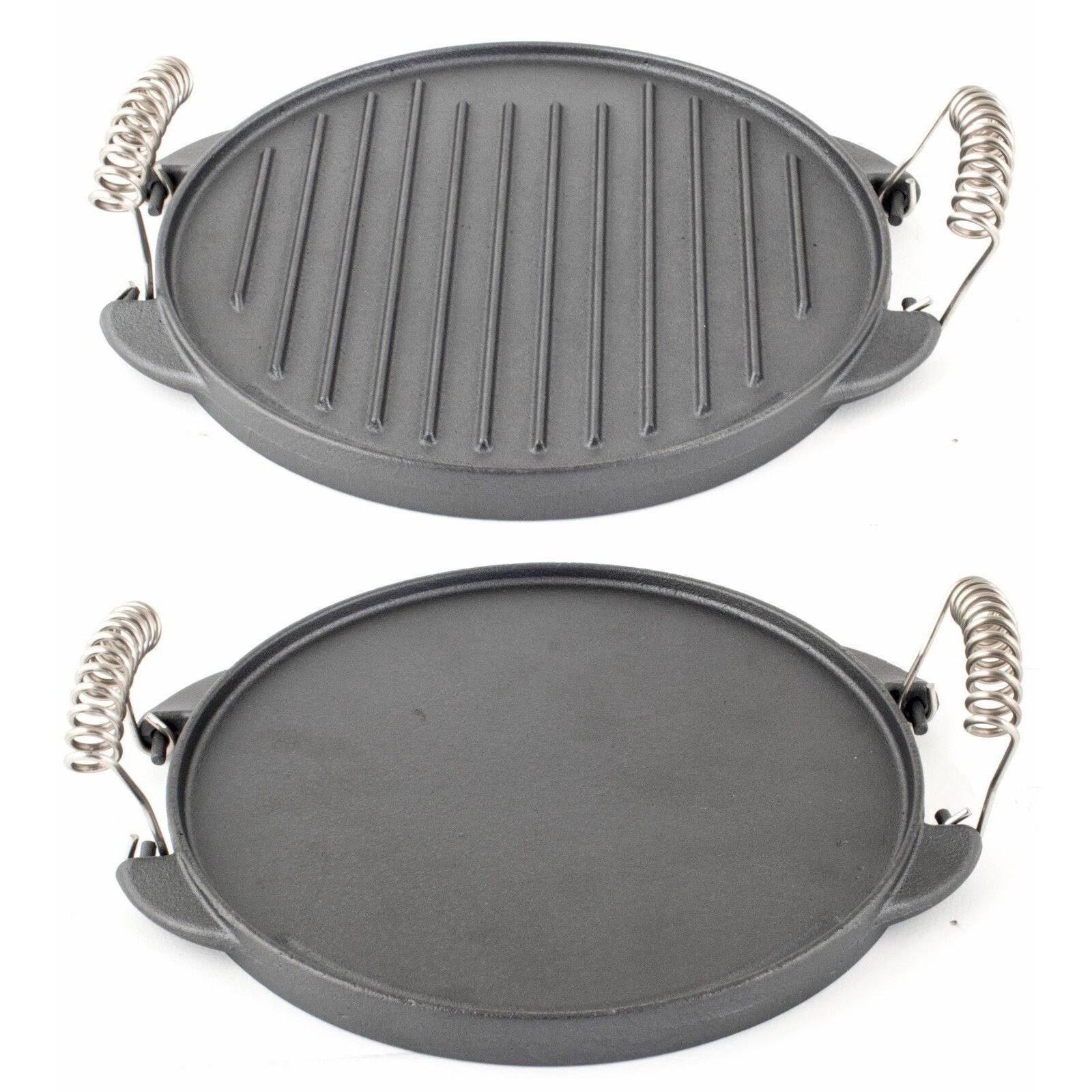
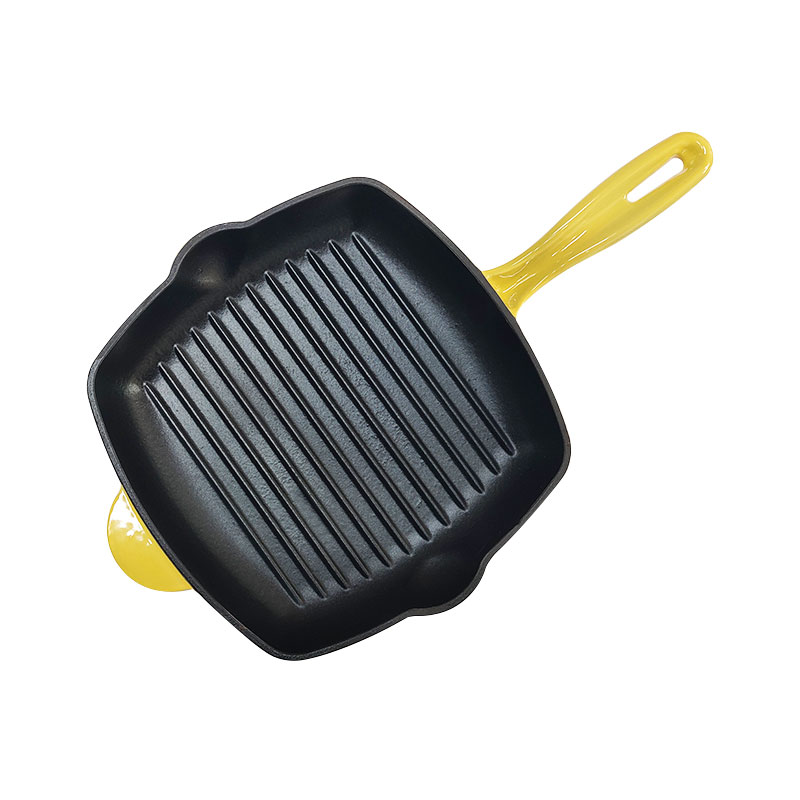
Furthermore, the rise of "outdoor living" and street-food culture in urban centers like Kuala Lumpur has increased the popularity of versatile tools. Professional vendors are increasingly looking for ways to use cast iron skillet on grill setups to achieve the perfect Maillard reaction for satay and grilled seafood.
Evolution of Cast Iron Metallurgy

From ancestral smelting to precision automated casting.

Market Development History

Historically, cast iron in the region was limited to heavy, rustic pots used in rural village cooking. Before 2000, these were primarily raw iron, requiring labor-intensive maintenance and constant oiling to prevent rust in the humid Malaysian air.

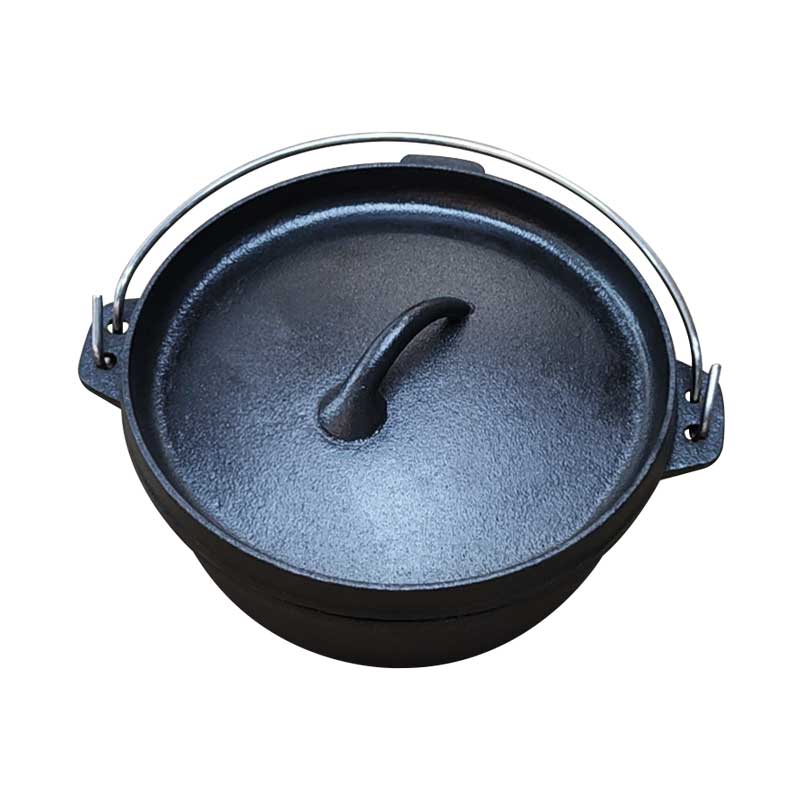
Between 2010 and 2020, the industry saw a technical pivot toward "Pre-Seasoned" technology. The focus shifted toward simplifying the process of curing cast iron pan surfaces at the factory level using vegetable-based polymers, reducing the barrier to entry for home consumers.

Today, the trajectory has moved toward precision engineering. We now see the integration of vitreous enamel coatings and the development of cast iron individual serving pots, reflecting a shift toward gourmet plating and "oven-to-table" dining trends in upscale Malaysian bistros.

Future Development Trends

Lightweight Cast Alloys

Developing high-density alloys that reduce the physical weight of the vessel without sacrificing the heat retention capabilities essential for slow-cooking.

Nano-Ceramic Hybrid Coatings

Moving beyond traditional enamel to nano-coatings that offer higher scratch resistance and better non-stick properties for oil-reduced cooking.

Smart Heat Distribution Geometry

Utilizing AI-driven mold design to eliminate hot spots, ensuring perfectly even heating for high-precision Malaysian confectionery and baking.

Industry Forecast & Strategic Outlook

Predicting the next 5 years of cast iron innovation in Asia.

Sustainable Sourcing
Increased adoption of recycled iron scrap and eco-friendly smelting processes to meet Malaysia's green manufacturing goals.
Direct-to-Consumer Growth
Growth in e-commerce penetration driving personalized cookware sets and bespoke sizing for home chefs.
Induction Optimization
Optimizing base flatness for high-efficiency induction hobs now standard in new Malaysian apartments.
Modular Design
Designing interchangeable lids and handles to reduce waste and increase versatility for diverse Asian cooking styles.

Industry Outlook

Google search trends in Malaysia indicate a rising interest in "healthy cooking" and "non-toxic cookware," driving a shift away from PFOA-based non-stick pans toward natural cast iron and enamel. We expect a compound annual growth rate (CAGR) of 4.5% in the premium cookware segment.

The focus will shift from purely functional utility to "lifestyle" cookware, where aesthetic appeal (colors and forms) becomes as important as heat distribution, particularly for the growing middle-class urban demographic in Selangor and Johor.

Localized Application Scenarios

How our cast iron solutions integrate into the Malaysian lifestyle.

01. Traditional Rendang Slow-Cooking

Utilizing the extreme heat retention of our cast iron vessels to simmer beef rendang for hours, ensuring a rich, caramelized sauce without burning.

02. Urban Balcony Grilling

Ideal for condo living in KL; homeowners use cast iron skillet on grill setups to achieve steakhouse-quality searing in limited outdoor spaces.

03. High-End Cafe Plating

Modern cafes in Penang use cast iron individual serving pots to serve sizzling appetizers or baked desserts, maintaining temperature from kitchen to table.

04. Acidic Curry Braising

Using enamel pots and pans to cook Tamarind-based fish curries (Asam Pedas), where the enamel prevents the acidic ingredients from reacting with the metal.

05. Heritage Pan Restoration

Education-focused initiatives helping new generations of Malaysian cooks master the art of curing cast iron pan surfaces to preserve family heirlooms.

Brand Story

Global Development Journey of Hebei DB Cookware Technology Co., Ltd.

Foundational Excellence

Established with a focus on metallurgical purity, we began by solving the common issue of uneven wall thickness in traditional casting.

Enamel Innovation

Pioneered high-bonding vitreous enamel technology to eliminate chipping, specifically targeting the needs of high-acid cooking environments.

Global Expansion

Scaled our operations to serve the Asian market, optimizing designs for regional cuisines and tropical storage conditions.

Precision Automation

Integrated robotic pouring and CNC finishing to ensure every vessel meets aerospace-grade tolerances for flat-bottom induction heating.

Future Commitment

Dedicated to creating a sustainable culinary future by combining ancestral cast iron durability with modern eco-friendly coatings.

Malaysia Cast Iron Care & Usage FAQ

Expert answers to common questions from the Malaysian community.

How to prevent rust when curing cast iron pan in Malaysia's humidity?

Ensure the pan is completely dry before storage. In high-humidity areas, we recommend a very thin layer of grapeseed oil and storing in a well-ventilated area or using a breathable cotton cover.

Are enamel pots and pans suitable for high-heat stir-frying?

Yes, but we recommend medium-high heat. While the cast iron handles the temperature, the enamel can crack under extreme thermal shock (e.g., putting a hot pan in cold water).

Can I use cast iron skillet on grill for outdoor satay parties?

Absolutely. Cast iron is the best material for grills because it distributes heat evenly and creates the authentic charred crust desired for satay and grilled meats.

What is the best way to clean cast iron individual serving pots?

For enameled versions, use a soft sponge and mild soap. For raw cast iron, use a chainmail scrubber and avoid harsh detergents to keep the seasoning intact.

Why choose cast iron vessels over stainless steel for curries?

Cast iron provides superior heat retention, meaning your curry stays hot for much longer on the table, and it prevents the "hot spots" that often cause thick coconut milk sauces to burn.

Do I need to re-season my pan every time I use it?

No, but applying a light coat of oil after each cleaning helps maintain the polymerization layer, especially in the moist air of the Malaysian peninsula.

Partner with the Cast Iron Experts

Providing industrial-grade cookware solutions for wholesalers and distributors across Malaysia.

Contact Us Now

Inquire Now for Cast Iron Cookware Deals

Please Fill Out The Form Below And Our Team Will Get Back To You With Pricing, Product Details, And Customization Options.

If you are interested in our products, you can choose to leave your information here, and we will be in touch with you shortly.