
wechat
WeChat
whatsapp
Email
up

Premium enamel pots and pans Solutions for Oman's Culinary Excellence

Integrating industrial-grade durability with Middle Eastern gastronomic traditions to deliver high-performance cookware for Oman's professional and home chefs.

Premium enamel pots and pans Solutions for Oman's Culinary Excellence

Our specialized cast iron manufacturing process ensures that every vessel withstands the extreme thermal requirements of Omani cuisine while maintaining elegant aesthetics.

The Landscape of Cast Iron Cookware in Oman

Analyzing the synergy between traditional cooking methods and modern metal manufacturing in the Arabian Peninsula.

In Oman, the culinary culture is deeply rooted in slow-cooking traditions, such as preparing Shuwa. This requires high-thermal mass cast iron vessels that can maintain consistent temperatures over long periods, especially in the arid and high-temperature climate of the region.

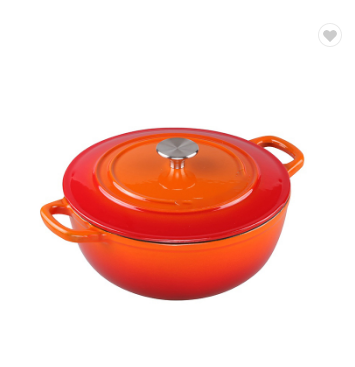
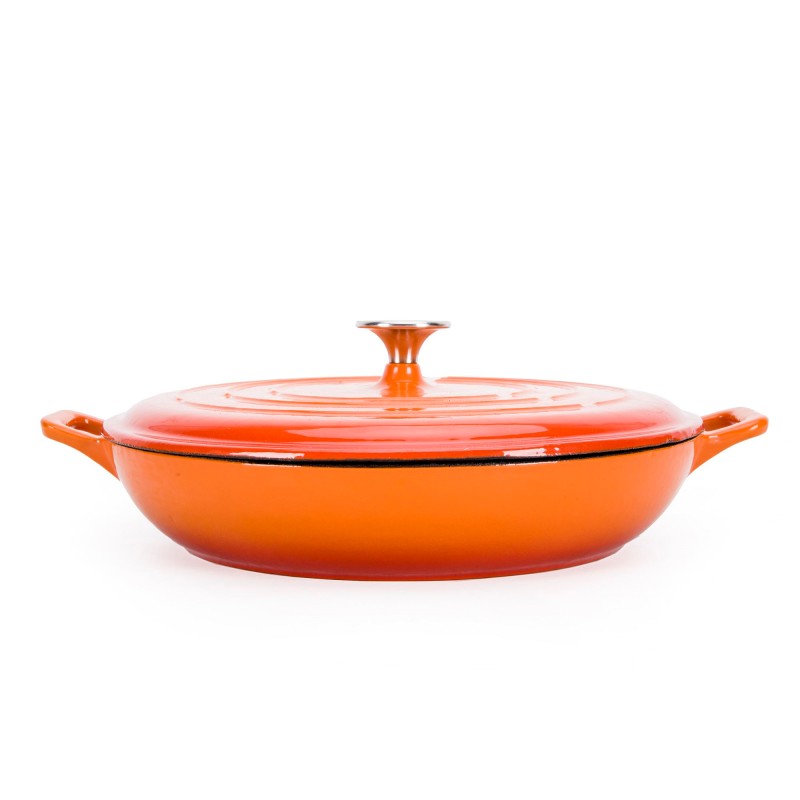
However, the coastal humidity in cities like Muscat poses a significant challenge for traditional iron, leading to rapid oxidation. This has created a surge in demand for high-quality enamel pots and pans, which provide the heat retention of cast iron with a protective barrier against corrosion.

Modern Omani households are increasingly blending these traditions with contemporary techniques, moving from open-fire pits to professional indoor ranges and high-end grills, necessitating versatile tools that can transition across different heat sources.
Evolution of Casting Technology in the Gulf Market

From primitive sand casting to precision CNC-finished gastronomic tools.

Market Development History

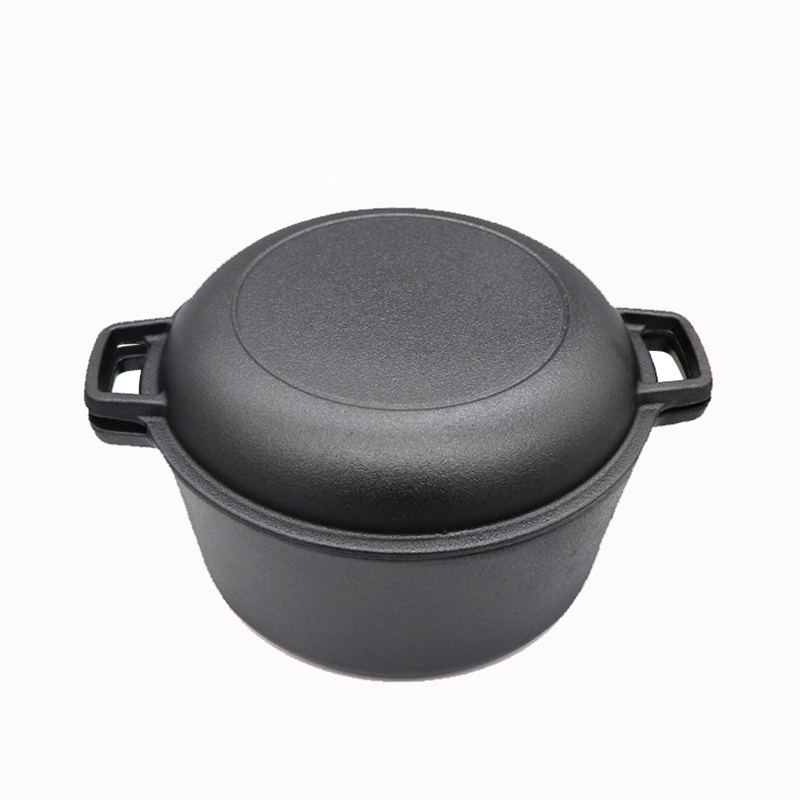
Historically, cookware in the region relied on heavy, rudimentary cast iron produced via basic sand casting. These vessels were functional but lacked precision, often requiring extensive manual labor for the initial curing cast iron pan process to ensure non-stick properties.

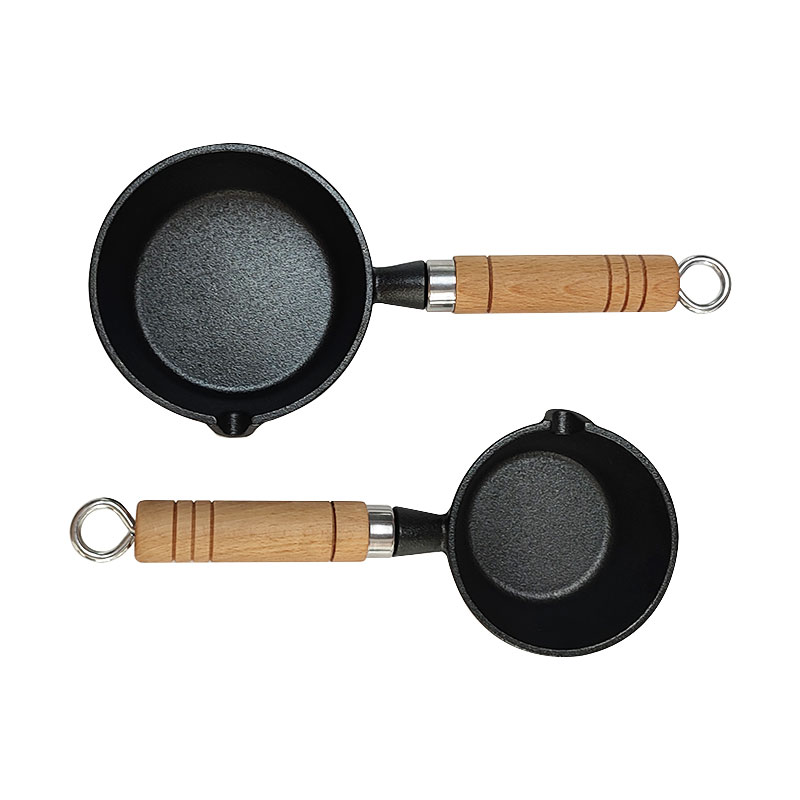
By the early 2000s, the introduction of automated molding and refined metallurgy allowed for thinner walls without sacrificing strength. This era saw the rise of specialized cast iron individual serving pots, catering to the growing hospitality sector in Muscat and Salalah.

In the last decade, the integration of vitreous enamel coating transformed the industry. This technological leap eliminated the need for constant seasoning and allowed for a wider variety of colors and acid-resistant surfaces, meeting international food safety standards.

Future Development Trends

Nano-Ceramic Hybrid Coatings

We anticipate a shift toward hybrid coatings that combine the durability of enamel with nano-ceramic properties for even lower friction and higher heat distribution.

Lightweight Alloy Integration

Research is focusing on reducing the weight of traditional vessels while maintaining the thermal inertia required for slow-cooking Omani stews.

Smart Thermal Monitoring

Integration of heat-sensitive indicators in the handles of professional cookware to prevent overheating in high-temperature industrial kitchens.

Industry Trends and Future Outlook

Strategizing the next phase of metalware manufacturing for the Oman market.

Sustainable Smelting
Implementing green energy in the casting process to reduce the carbon footprint of metal production in Asia.
Precision Enameling
Using robotic spraying to ensure zero-defect enamel layers for professional-grade pots and pans.
Customization Trends
Growth in demand for bespoke sizes and engravings for Oman's luxury hotel sector.
Direct-to-Chef Logistics
Optimizing supply chains to deliver heavy cast iron products efficiently across the Omani governorates.

Industry Outlook

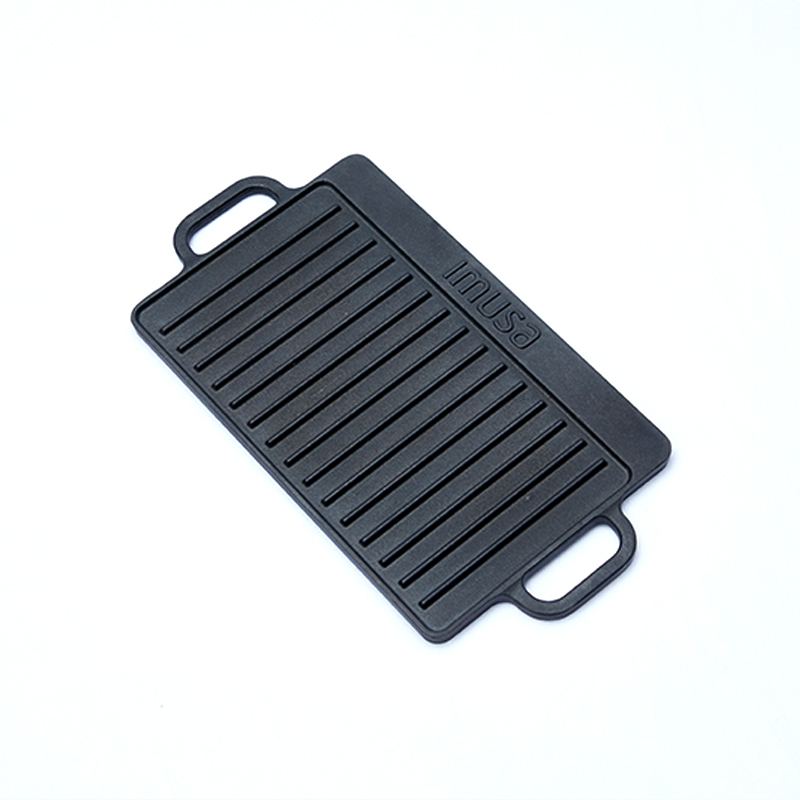
Based on regional search trends, there is a marked increase in queries regarding how to use cast iron skillet on grill, indicating a shift toward outdoor lifestyle cooking and luxury camping in Oman's mountains.

We predict that the market will pivot toward "Hybrid Kitchens" where professional-grade cast iron is used in residential settings, driving demand for high-end, easy-to-maintain enameled cookware.

Localized Applications in Oman

Practical use cases for cast iron technology in the Omani environment.

1. Traditional Shuwa Slow-Cooking

Using heavy-duty cast iron vessels to seal marinated meats, ensuring heat is distributed evenly during the long underground roasting process.

2. Modern Outdoor BBQ Culture

Teaching users how to use cast iron skillet on grill for searing premium meats in the desert camps of Wahiba Sands.

3. Boutique Hotel Plating

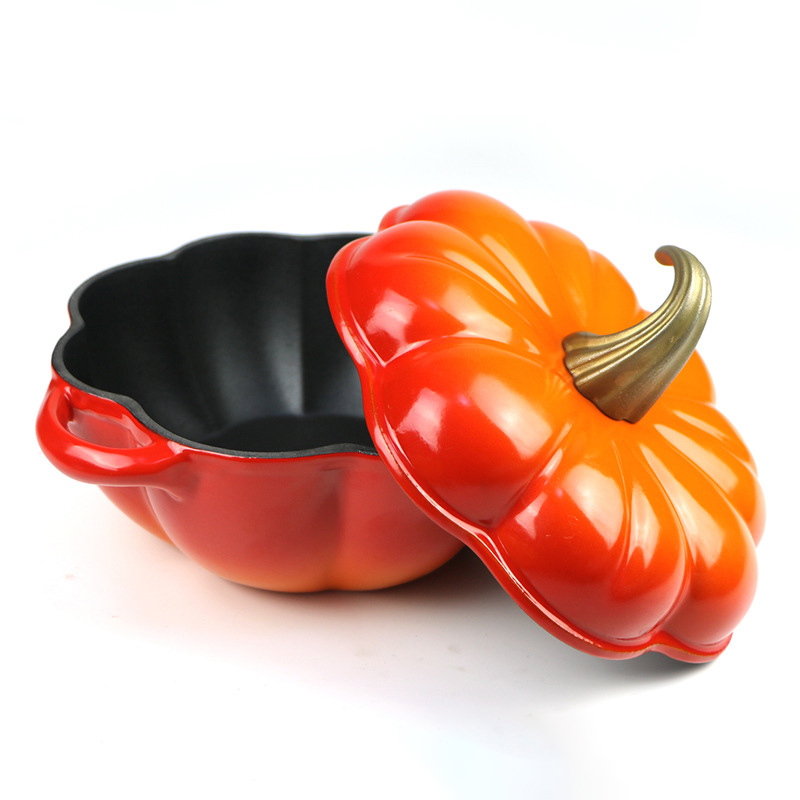
Utilizing cast iron individual serving pots in luxury resorts to serve sizzling appetizers, maintaining heat from the kitchen to the table.

4. Coastal Kitchen Preservation

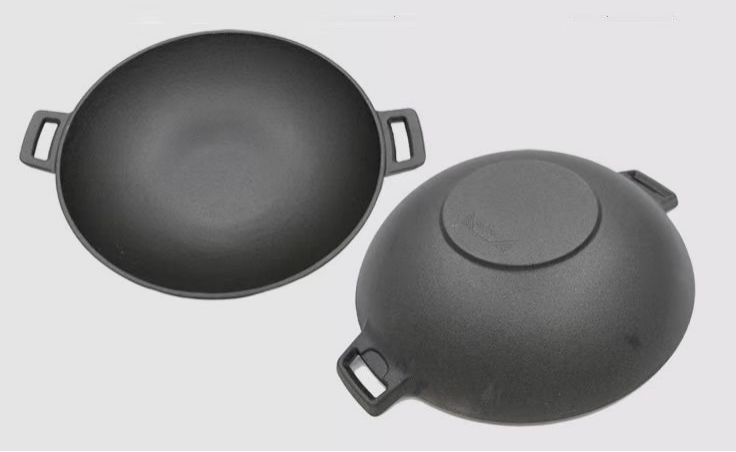
Deploying enamel pots and pans in Muscat's humid coastal areas to prevent rust while cooking traditional fish stews.

5. Artisanal Home Cooking

Educating home chefs on the art of curing cast iron pan to create a natural non-stick surface for traditional Omani flatbreads.

Brand Story

Global Development Journey of Hebei DB Cookware Technology Co., Ltd.

Founding Vision

Established to bridge the gap between industrial metallurgy and culinary art, focusing on the durability of cast iron.

Technological Leap

Mastered the precision enameling process, solving the pain point of rust and maintenance for global users.

Market Expansion

Expanded into the Middle East market, adapting product designs to suit the specific thermal needs of Gulf cuisine.

Quality Certification

Achieved international food-grade certifications, ensuring that our enamel layers are safe and chemically inert.

Future Commitment

Dedicated to innovating eco-friendly casting methods to support a sustainable culinary future worldwide.

Common Inquiries from Oman's Culinary Professionals

Expert answers to technical questions regarding cast iron maintenance and use.

How to perform the first curing cast iron pan process in humid climates?

In humid areas like Muscat, it is crucial to dry the pan completely on a heat source before applying a thin layer of oil and baking it at 200°C for one hour to seal the pores against moisture.

Can I use cast iron skillet on grill for high-temperature searing?

Yes, cast iron is ideal for grills. Its high heat capacity allows for a perfect sear, though we recommend avoiding sudden temperature shocks (like adding cold water to a hot pan) to prevent cracking.

What are the benefits of enamel pots and pans over raw cast iron?

Enamel provides a non-reactive surface, meaning you can cook acidic foods (like tomato-based stews) without altering the taste or damaging the pan, and it requires no seasoning.

Are cast iron individual serving pots suitable for commercial ovens?

Absolutely. Our individual pots are designed for high-thermal stability, making them perfect for transitioning from oven to table in luxury dining environments.

How do I prevent rust on my cast iron vessels in Oman?

Always dry your vessels immediately after washing. Applying a very light coat of vegetable oil before storage creates a moisture barrier essential for the Gulf's coastal humidity.

Can I use metallic scrubbers on enameled cast iron?

We recommend using non-abrasive sponges. While our enamel is industrial-grade, avoiding steel wool prevents micro-scratches and preserves the glossy finish over years of use.

Partner with the Experts in Metalware

Ready to upgrade your culinary infrastructure? Contact us for customized manufacturing solutions tailored for Oman.

Contact Us Now

Inquire Now for Cast Iron Cookware Deals

Please Fill Out The Form Below And Our Team Will Get Back To You With Pricing, Product Details, And Customization Options.

If you are interested in our products, you can choose to leave your information here, and we will be in touch with you shortly.