
wechat
WeChat
whatsapp
Email
up

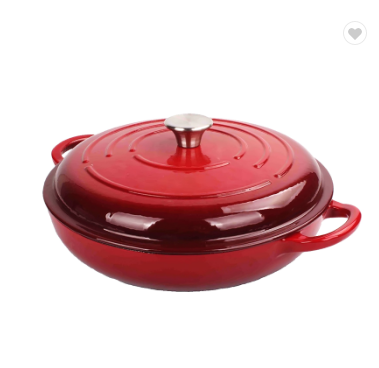
Premium enamel pots and pans Solutions for South Korean Culinary Excellence

Integrating traditional durability with modern aesthetic precision to meet the rigorous standards of South Korea's high-end gastronomy and home cooking markets.

Premium enamel pots and pans Solutions for South Korean Culinary Excellence

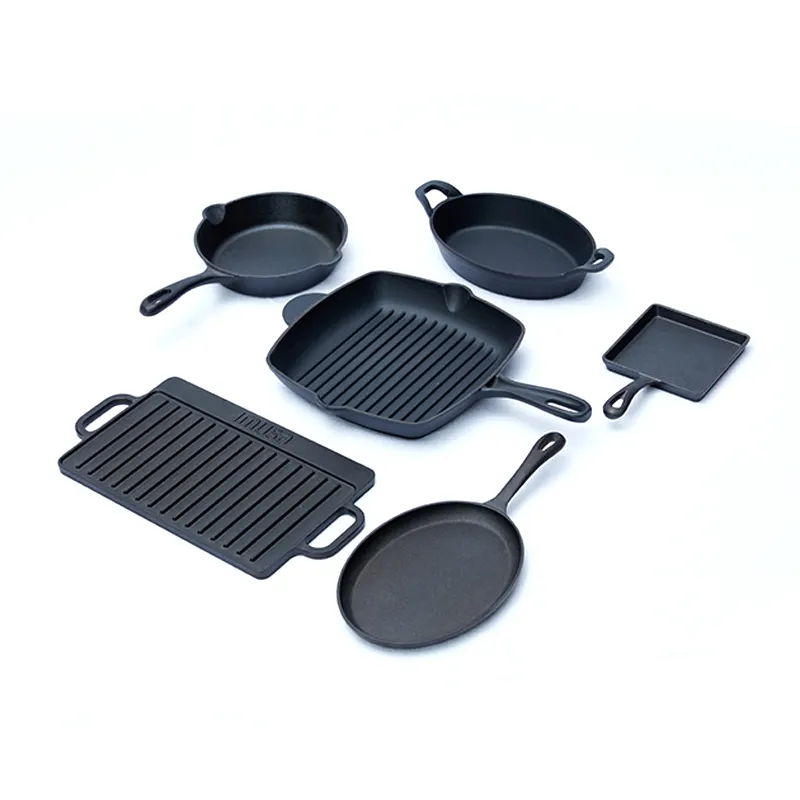
We provide professional-grade cast iron solutions tailored for the South Korean market, combining thermal efficiency with superior non-stick performance for diverse Asian cuisines.

The State of Cast Iron Cookware in South Korea

Analyzing the intersection of K-Food trends and high-performance metallurgy.

In South Korea, the culinary landscape is characterized by a deep respect for slow-cooked stews (Jjigae) and high-heat grilling. The demand for cast iron vessels has surged as modern Korean consumers shift toward health-conscious, chemical-free cooking surfaces that offer exceptional heat retention.

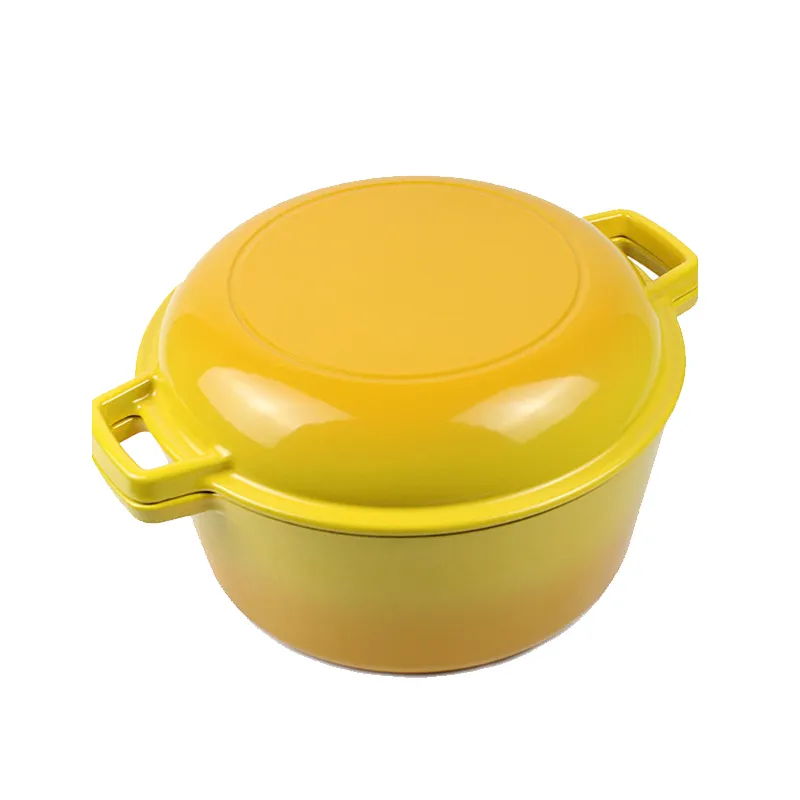
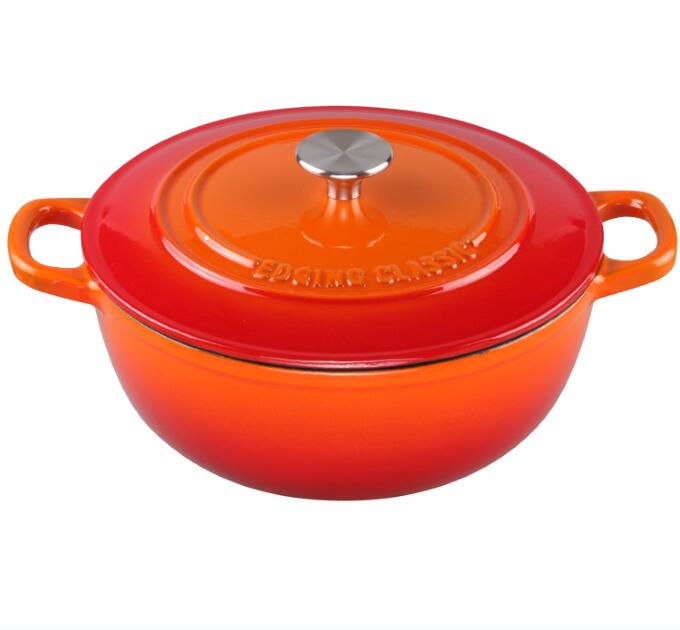
Economically, the South Korean market is highly sophisticated, with a preference for "premiumization." This has led to a significant increase in the adoption of high-end enamel pots and pans, which blend the rustic strength of cast iron with the easy maintenance and vibrant aesthetics required for contemporary Seoul apartments.

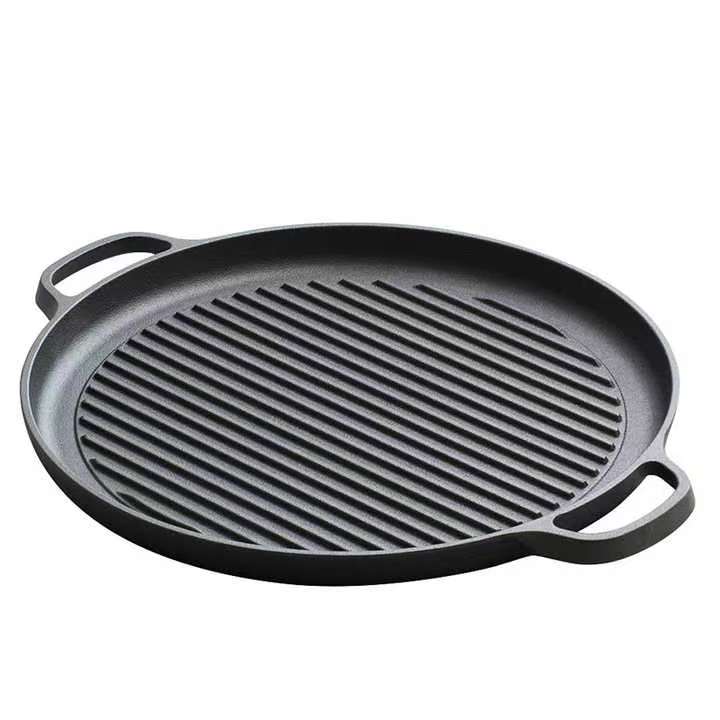
Furthermore, the outdoor lifestyle trend, particularly "glamping," has created a niche for versatile cookware. Many enthusiasts now seek guides on how to use cast iron skillet on grill settings to achieve the perfect sear on Korean BBQ meats while maintaining consistent temperature control.
Evolution of Cast Iron Craftsmanship

From traditional heavy-duty foundry work to precision-engineered kitchenware.

Market Development History

Historically, Korean cookware relied on heavy, unrefined iron pots. During the early 20th century, these were primary tools for communal cooking, but lacked the refined surface finish required for diverse ingredients.

By the 1990s and 2000s, the industry shifted toward industrial standardization. The introduction of pre-seasoned technology reduced the burden of curing cast iron pan surfaces, making the products more accessible to the urban middle class.

In the last decade, the integration of advanced vitreous enamel coatings has transformed the industry. We have moved from purely functional tools to "kitchen art," where heat distribution is calculated via computer simulation to ensure no hot spots exist in the vessel.

Future Development Trends

Nano-Ceramic Hybrid Coatings

Moving beyond traditional enamel, the next 3 years will see the rise of nano-ceramic layers that offer the glide of Teflon with the toxicity-free profile of cast iron.

Compact Ergonomic Design

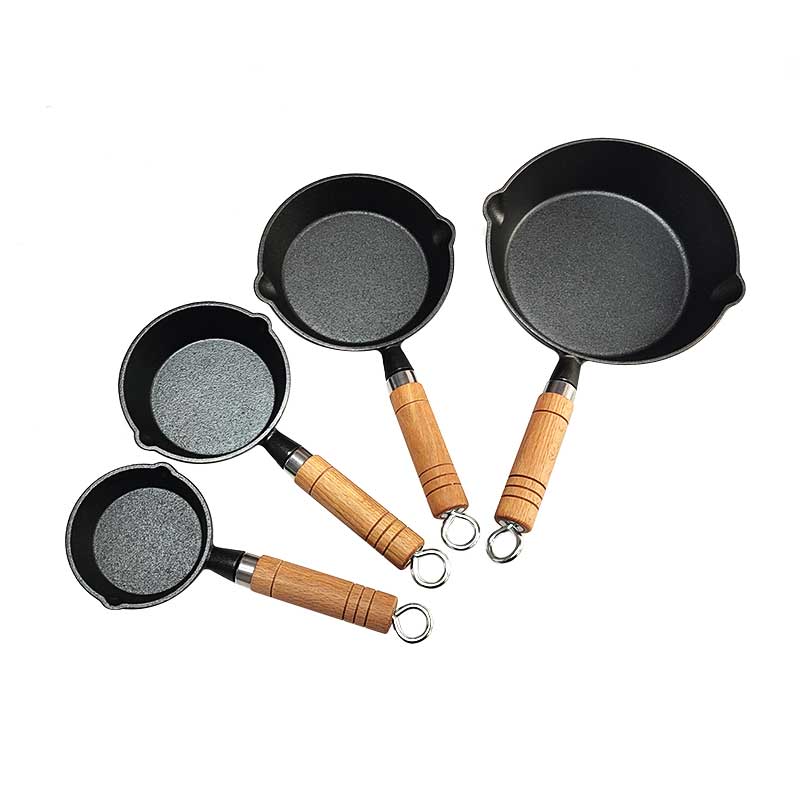
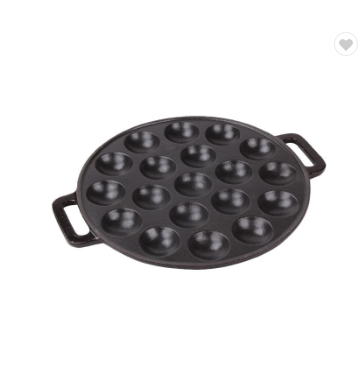
As South Korean living spaces become more optimized, the trend is shifting toward cast iron individual serving pots that transition seamlessly from oven to dining table.

Smart-Heat Integration

Alignment with induction-ready bases is now mandatory, with future designs focusing on magnetic flux optimization for faster boiling times in energy-efficient kitchens.

Industry Outlook and Technological Trajectory

Predicting the next era of metalware manufacturing for the East Asian market.

Sustainable Sourcing
Transitioning to 100% recycled iron scrap to meet South Korea's strict ESG (Environmental, Social, and Governance) requirements.
Precision Weight Reduction
Utilizing advanced casting techniques to reduce weight without sacrificing the heat retention properties of traditional vessels.
Digital Maintenance Guides
Integrating QR codes on products to provide localized video tutorials on curing and care for the modern user.
AI-Driven Thermal Mapping
Using AI to optimize the wall thickness of pots to ensure perfectly even heat distribution for slow-simmering tasks.

Industry Outlook

Based on Google Search trends in South Korea, there is a rising interest in "Home-Cafe" and "Slow Living." This suggests that cast iron will transition from being a purely utility-based tool to a lifestyle statement piece.

We anticipate a surge in demand for hybrid materials—combining the thermal mass of iron with the lightweight nature of advanced alloys—to cater to the aging population in Korea who require easier handling without losing performance.

Localized Application Scenarios in South Korea

Optimizing our cookware for the unique rhythms of Korean dining.

1. High-End Korean BBQ Glamping

Utilizing the thermal stability of our products to use cast iron skillet on grill surfaces, ensuring the perfect Maillard reaction on premium Hanwoo beef in outdoor settings.

2. Traditional Jjigae Slow-Cooking

Using deep cast iron vessels for Kimchi Jjigae, where the thick walls maintain a gentle simmer, extracting maximum flavor from fermented ingredients.

3. Modern Seoul Apartment Meal-Prep

Implementing enamel pots and pans for urban dwellers who require the efficiency of induction stoves but crave the taste of traditional slow-cooked meals.

4. Boutique Restaurant Plating

Deploying cast iron individual serving pots in Gangnam's fine-dining scene to serve sizzling appetizers that stay hot from the kitchen to the table.

5. Heritage Home Maintenance

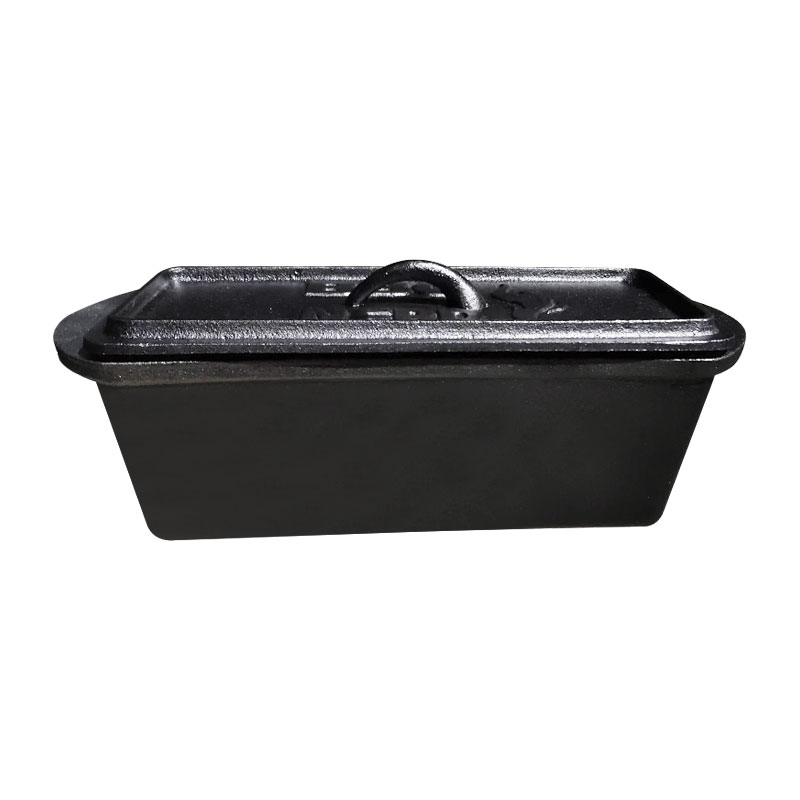
Educating new generations of home cooks on the art of curing cast iron pan surfaces, blending traditional wisdom with modern organic oils for a natural non-stick finish.

Brand Story

Global Development Journey of Hebei DB Cookware Technology Co., Ltd.

Foundational Excellence

Established with a mission to revolutionize metal casting, we began by solving the core issue of porosity in industrial cast iron.

Technological Breakthrough

We pioneered a proprietary enamel fusion process that eliminated peeling and cracking, meeting international food safety standards.

Global Expansion

Expanding into the Asian market, we tailored our designs to fit the specific culinary needs of South Korea and Japan.

Quality Certification

Achieved global certifications (FDA, LFGB), ensuring our cast iron products are the safest choice for families worldwide.

Future Vision

Our goal is to merge AI-driven manufacturing with artisan quality, making professional cast iron accessible to every kitchen.

South Korea Cast Iron FAQ

Expert answers to the most common questions from our Korean customers.

How often should I be curing cast iron pan surfaces in humid Korean summers?

In humid climates like South Korea's summer, we recommend a light maintenance seasoning every 2-3 uses to prevent oxidation and maintain the non-stick layer.

Can I use enamel pots and pans on a high-power induction stove?

Yes, our enamel range is specifically engineered with a magnetic base optimized for induction, ensuring rapid and even heating without damaging the enamel coating.

What is the best way to use cast iron skillet on grill for Korean BBQ?

Preheat the skillet for 5-10 minutes on the grill. Once it reaches a high temperature, add a small amount of oil before placing the meat to ensure a perfect sear.

Are cast iron individual serving pots suitable for oven-to-table service?

Absolutely. They are designed to withstand high oven temperatures and retain heat for a long period, making them ideal for serving sizzling stews directly to guests.

How do I remove burnt food from cast iron vessels without ruining the seasoning?

Use a coarse salt scrub or a chainmail scrubber with warm water. Avoid using harsh soaps; simply rinse and apply a thin layer of oil while the pan is still warm.

Do I need to season my enamel cookware like I do with raw iron?

No, enamel is a glass-like coating that does not require seasoning. Simply wash with a soft sponge and mild detergent to maintain its glossy finish.

Partner with the Cast Iron Experts

Ready to elevate your cookware business in South Korea? Contact our engineering team for customized OEM/ODM solutions.

Contact Us Now

Inquire Now for Cast Iron Cookware Deals

Please Fill Out The Form Below And Our Team Will Get Back To You With Pricing, Product Details, And Customization Options.

If you are interested in our products, you can choose to leave your information here, and we will be in touch with you shortly.