
wechat
WeChat
whatsapp
Email
up

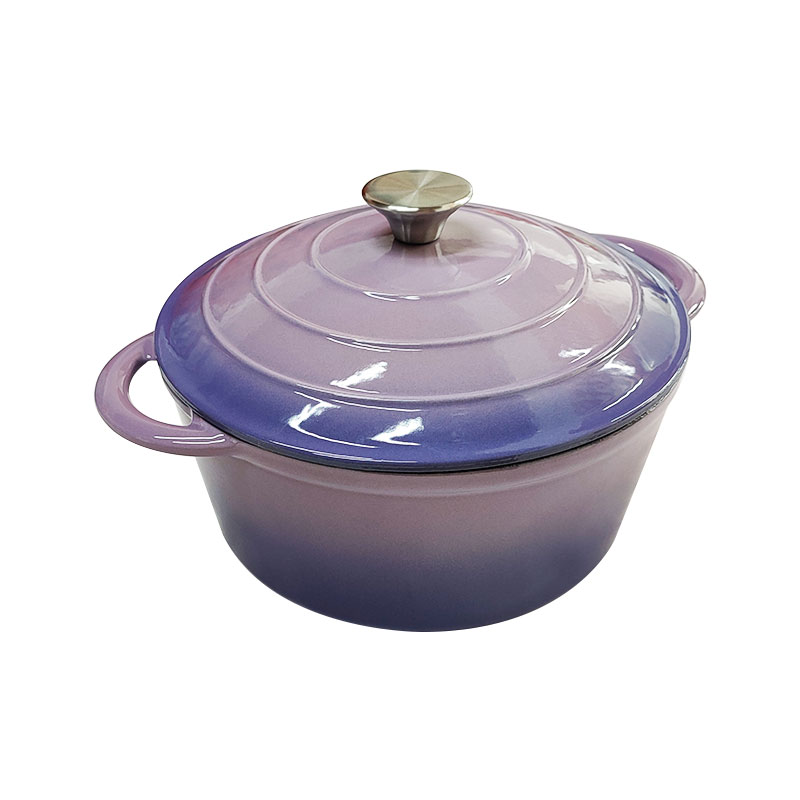
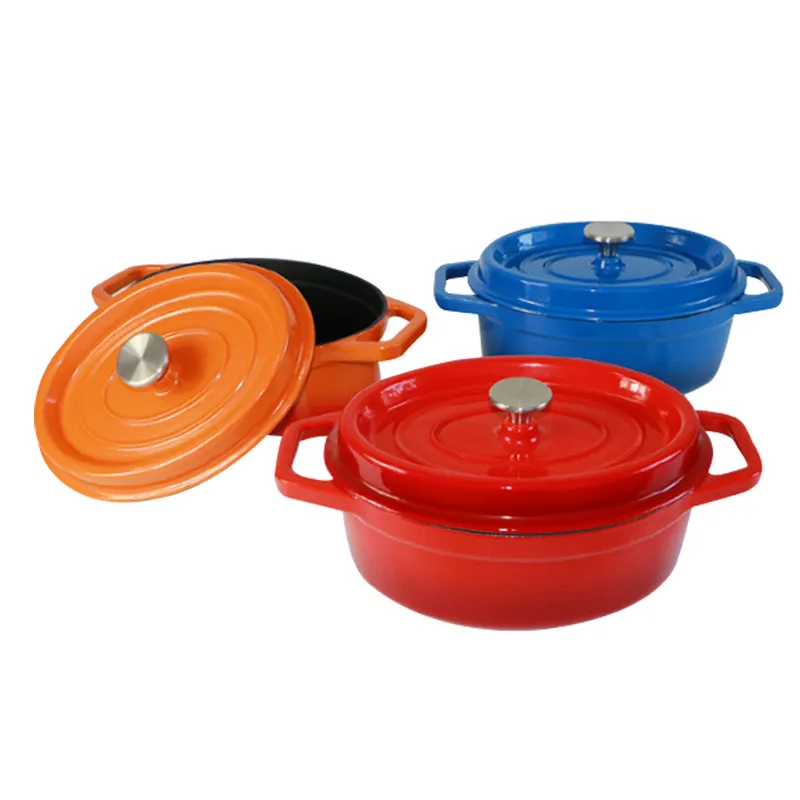
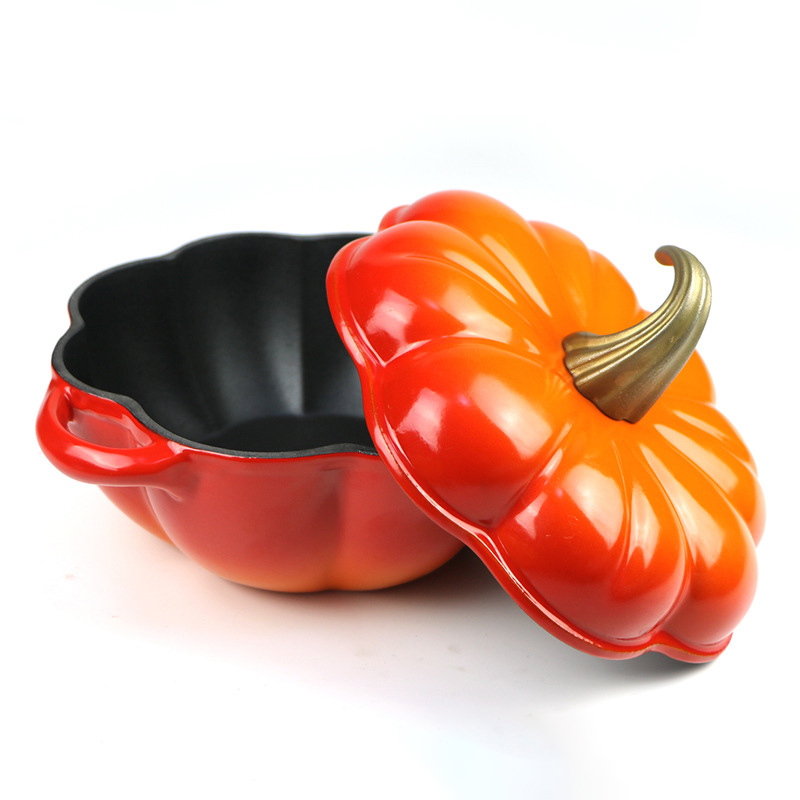
Premium enamel pots and pans Solutions for South Sudan

Industrial-grade cast iron cookware engineered for durability, heat retention, and the demanding culinary environments of South Sudan.

Premium enamel pots and pans Solutions for South Sudan

Providing high-performance metalware that combines traditional heat management with modern enamel coatings to serve the growing hospitality and domestic markets in South Sudan.

Current Landscape of Cookware in South Sudan

Analyzing the intersection of traditional cooking habits and the shift toward durable industrial metals.

In South Sudan, the culinary landscape is characterized by a reliance on open-fire cooking and charcoal stoves, which require cast iron vessels capable of withstanding extreme thermal shock. The local market predominantly uses heavy-duty materials that can maintain steady heat during long simmering processes common in regional stews.

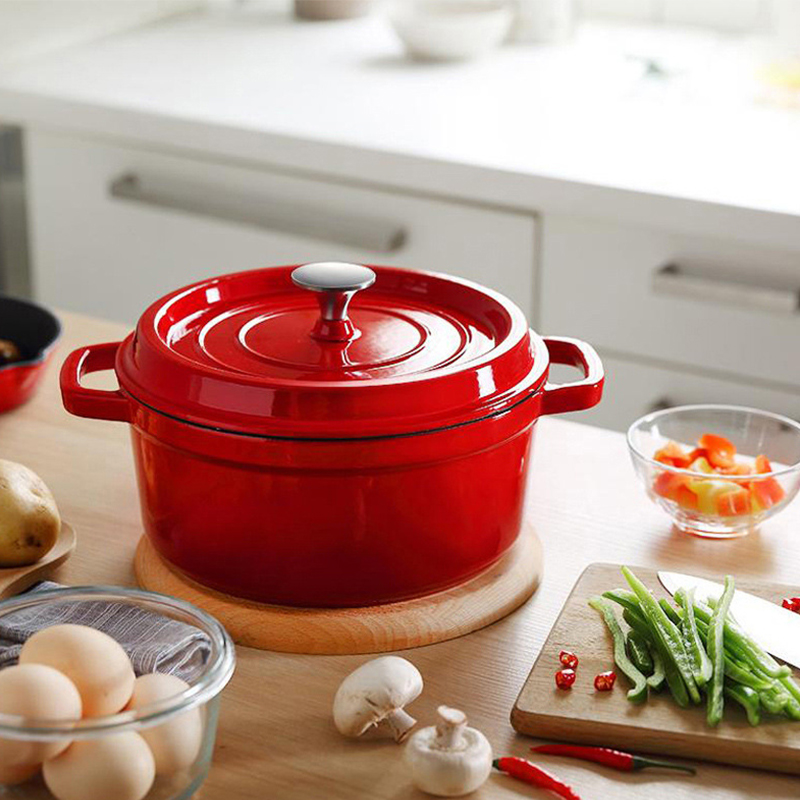
Economic volatility and environmental humidity in riverine areas make corrosion a significant challenge. This has led to an increased demand for specialized coatings, where enamel pots and pans provide a crucial barrier against rust while remaining easy to clean in areas with limited water infrastructure.

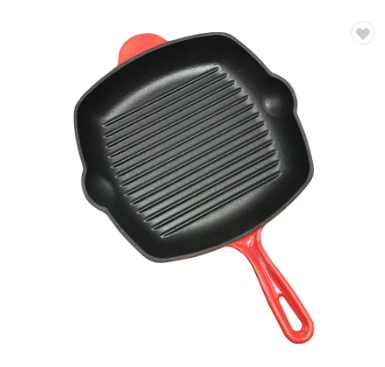
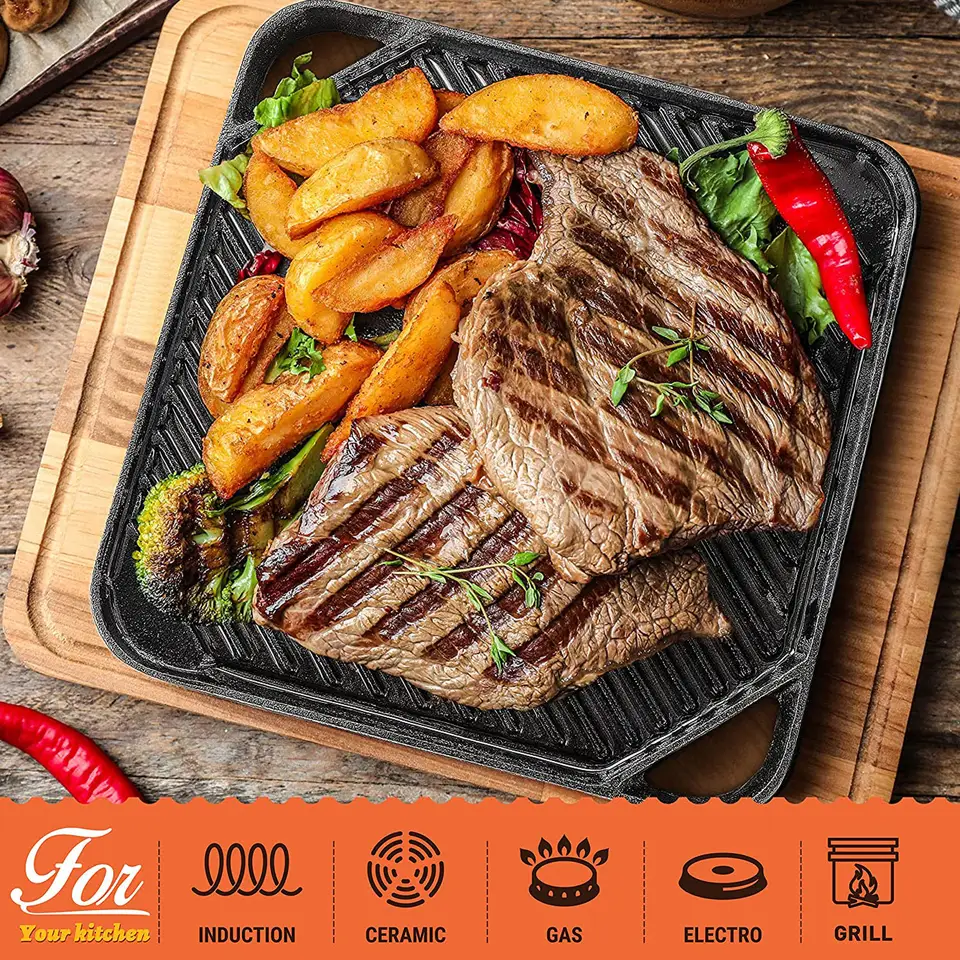
Furthermore, the urbanization of cities like Juba is introducing a hybrid cooking style. While traditional methods persist, there is a growing trend among commercial vendors to use cast iron skillet on grill setups to meet the demand for fast, high-heat searing for street foods and hotel catering.
Evolution of Cast Iron Manufacturing

From ancestral smelting to precision engineering for the African market.

Market Development History

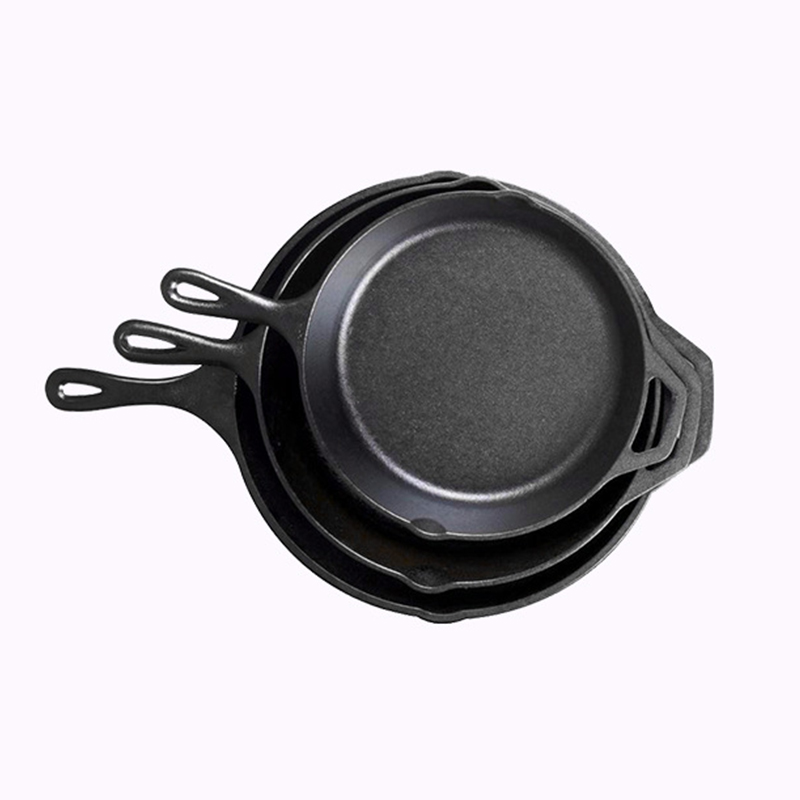
Historically, the South Sudanese market relied on basic cast iron imports that lacked standardized seasoning, often requiring users to master the art of curing cast iron pan surfaces manually using local animal fats to prevent oxidation.

By the early 2010s, a shift occurred toward semi-industrialized production. Manufacturers began introducing pre-seasoned options and thicker wall designs to better suit the high-intensity heat of charcoal fires, reducing the frequency of warping in professional kitchens.

In recent years, the integration of vitreous enamel technology has revolutionized the sector. The introduction of cast iron individual serving pots has allowed the hospitality sector to transition from bulk serving to plated, gourmet presentations without losing heat.

Future Development Trends

Advanced Thermal Coatings

The next 3 years will see a shift toward nano-ceramic hybrids that combine the non-stick properties of modern coatings with the heat retention of traditional iron.

Eco-Friendly Manufacturing

Driven by global ESG trends, production is moving toward recycled scrap metal smelting, reducing the carbon footprint of cookware exports to South Sudan.

Precision Mold Casting

Implementation of CNC-controlled molding will ensure perfectly flat bases, optimizing the efficiency of cast iron vessels on modern induction hobs appearing in urban centers.

Industry Trends and Future Outlook

Strategic projections for the metalware industry in South Sudan (2024-2029).

Hybrid Heating Integration
Development of cookware that operates seamlessly between traditional open flames and emerging electric grids.
Anti-Corrosive Enameling
Implementation of high-density enamel to prevent rust in the humid Nile basin regions.
Hospitality Scaling
Growth in individual portionware for the burgeoning tourism and NGO sector in South Sudan.
Thermal Efficiency
Optimizing wall thickness to reduce fuel consumption in rural South Sudanese households.

Industry Outlook

Google search trends indicate a rising interest in "durable kitchenware" and "non-rust pots" within East African emerging markets. We project that the demand for professional-grade cast iron will grow by 15% annually as the South Sudanese restaurant sector formalizes.

The future lies in the democratization of high-end metallurgy—bringing the precision of industrial casting to the everyday cook, ensuring that tools are not just functional, but generational assets.

Localized Application Scenarios in South Sudan

Practical deployments of our cast iron technology across various South Sudanese environments.

1. Urban Restaurant Searing

Professional chefs in Juba frequently use cast iron skillet on grill to achieve the perfect Maillard reaction for premium meats, catering to international expats and diplomatic delegations.

2. Rural Community Feast Cooking

Large-capacity cast iron vessels are deployed in village gatherings, where their ability to hold heat for hours ensures that large quantities of porridge or stews remain warm.

3. High-Humidity Coastal Kitchens

In regions near the Nile, where air moisture accelerates oxidation, enamel pots and pans are used to prevent food contamination from rust, offering a hygienic and durable alternative.

4. Boutique Hotel Plating

Upscale lodges use cast iron individual serving pots to present traditional dishes in a modern, high-end format that retains heat from the kitchen to the table.

5. Home Maintenance & Heritage

Local households prioritize the longevity of their tools, employing a strict regimen of curing cast iron pan surfaces to ensure their cookware lasts for multiple generations.

Brand Story

Global Development Journey of Hebei DB Cookware Technology Co., Ltd.

Foundational Excellence

Starting in the heart of China's metallurgy hub, we focused on mastering the molecular structure of grey iron to eliminate casting porosity.

Enamel Innovation

We solved the "chipping" pain point by developing a multi-stage firing process, ensuring our enamel bonds permanently to the iron core.

Global Expansion

Recognizing the need for durable tools in emerging markets, we expanded our logistics to serve Africa, focusing on high-stress cooking environments.

Sustainable Sourcing

We transitioned to 100% recyclable iron ore, aligning our industrial growth with the environmental needs of our global partners.

Future-Proofing Kitchens

Our current mission is to integrate smart-thermal technology into cast iron, ensuring energy efficiency for every cook in South Sudan.

Common Questions for South Sudan Markets

Expert guidance on maintaining and using professional cast iron in East Africa.

How often should I be curing cast iron pan surfaces in humid climates?

In humid regions of South Sudan, we recommend a light seasoning after every use to maintain the hydrophobic barrier and prevent flash rust.

Can I use cast iron skillet on grill over charcoal fires?

Yes, our skillets are designed for extreme heat. Just ensure you avoid sudden temperature shocks (like adding ice water to a hot pan) to prevent cracking.

What makes enamel pots and pans better for acidic stews?

The vitreous enamel coating is non-reactive, meaning it won't leach metallic tastes into acidic ingredients like tomatoes, which are common in regional recipes.

Are cast iron individual serving pots suitable for hotel catering?

Absolutely. Their superior heat retention ensures that guests receive their meal at the optimal temperature, enhancing the dining experience.

How do I clean heavy-duty cast iron vessels without removing the seasoning?

Avoid harsh detergents. Use warm water and a stiff brush; for stubborn residue, use coarse salt as a natural abrasive.

Which is better for South Sudan's climate: raw cast iron or enamel?

Raw cast iron is best for high-heat searing and traditionalists, while enamel is superior for moisture-rich environments and easy maintenance.

Ready to Upgrade Your Kitchen Infrastructure?

Contact our industrial specialists to secure high-performance cookware for your business in South Sudan.

Contact Us Now

Inquire Now for Cast Iron Cookware Deals

Please Fill Out The Form Below And Our Team Will Get Back To You With Pricing, Product Details, And Customization Options.

If you are interested in our products, you can choose to leave your information here, and we will be in touch with you shortly.