
wechat
WeChat
whatsapp
Email
up

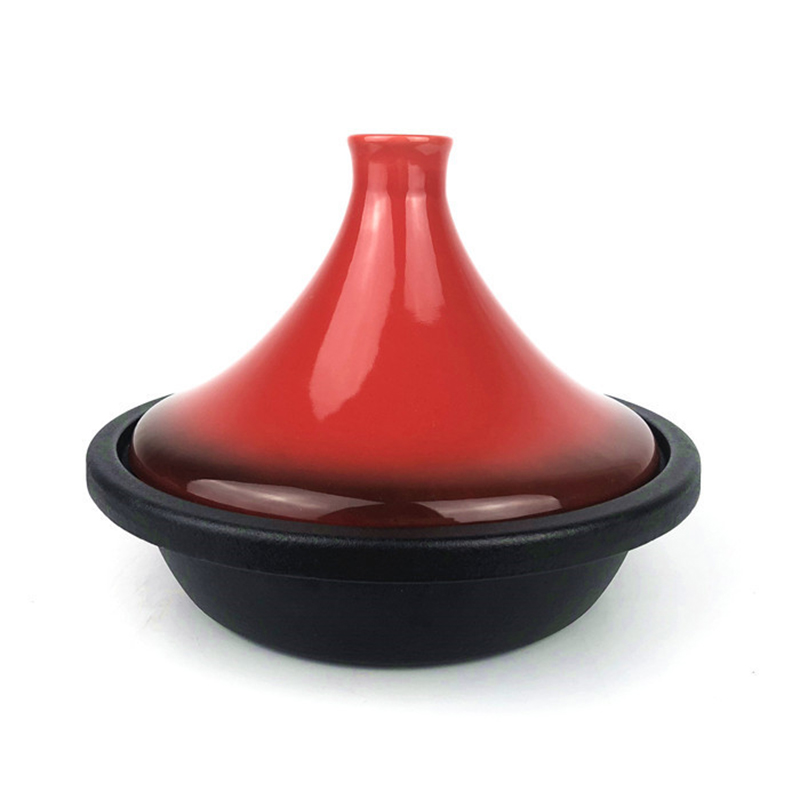
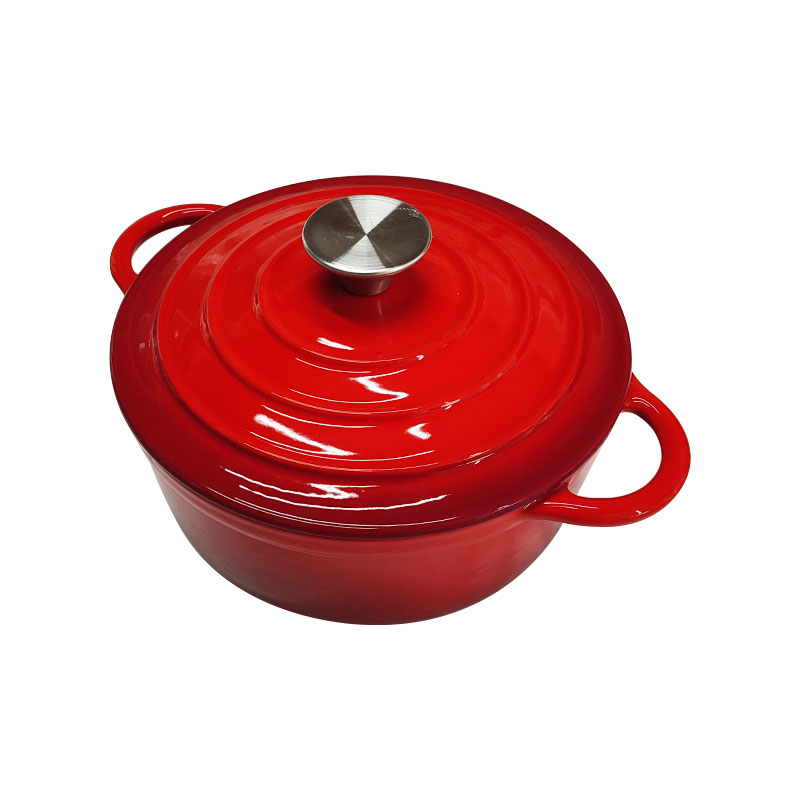
Premium enamel pots and pans Solutions for Turkmenistan

Integrating traditional Central Asian culinary heritage with advanced metallurgical precision for high-performance cookware.

Cast Iron Cookware Landscape in Turkmenistan

Analyzing the synergy between nomadic culinary traditions and modern metalware

In Turkmenistan, the culinary culture is deeply rooted in slow-cooking and heat-retention, making cast iron vessels an essential part of the household. The arid climate and the preference for hearty, meat-based stews require cookware that can maintain steady temperatures over long periods.

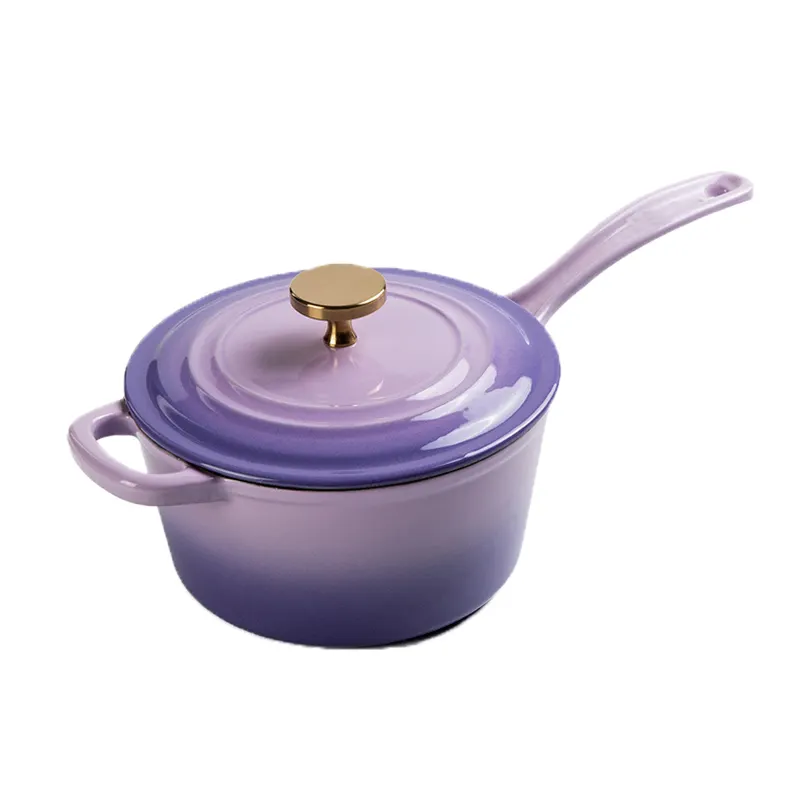
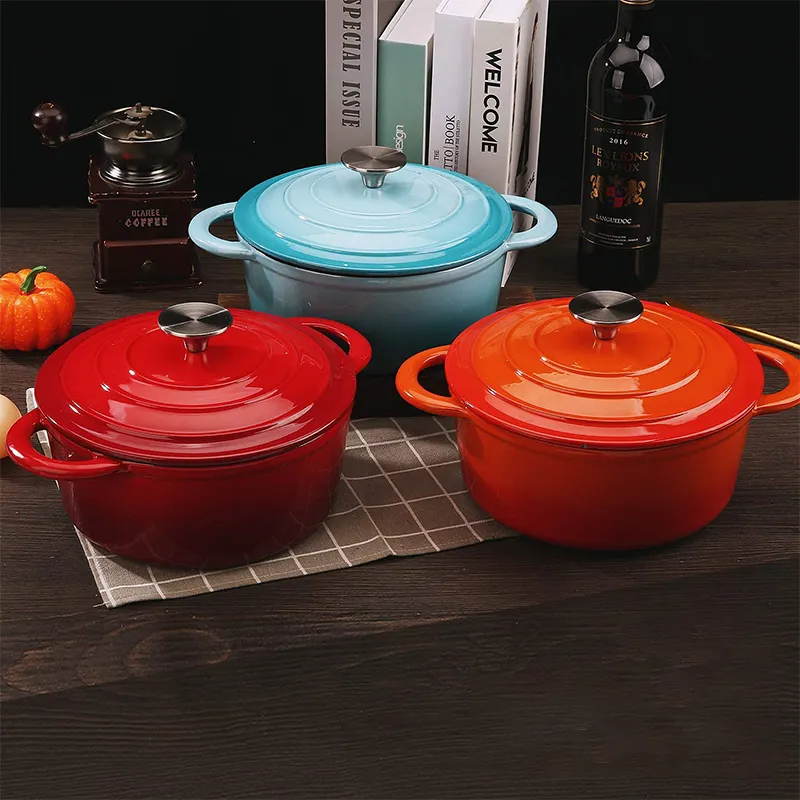
Currently, the market is shifting from heavy, rustic traditional pots to refined enamel pots and pans. This transition is driven by a growing urban middle class in Ashgabat and Mary who seek the durability of iron combined with the ease of maintenance and aesthetic appeal of enamel coatings.

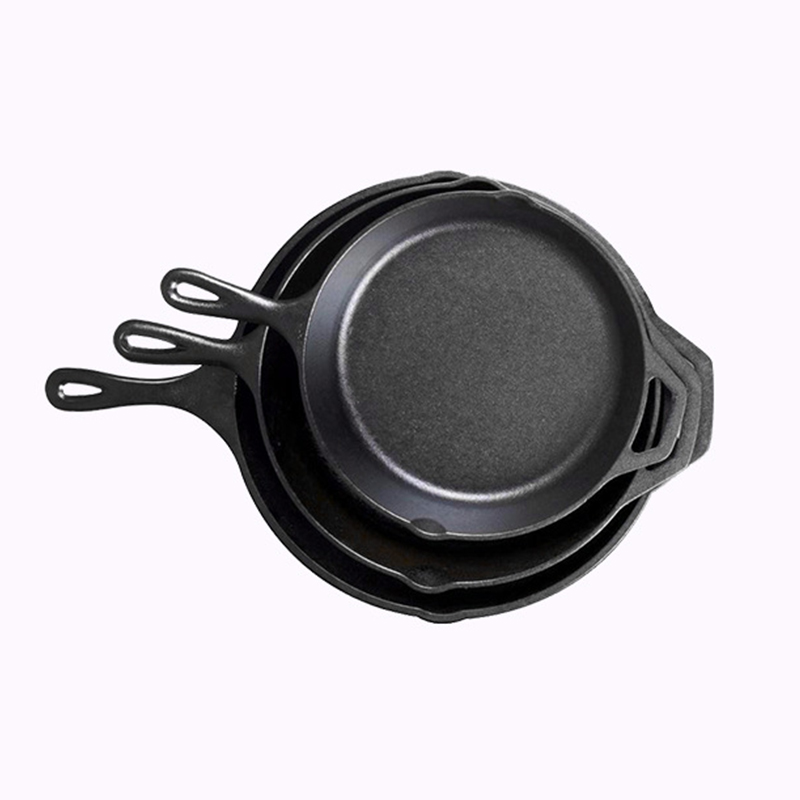
Despite the modernization, the technical knowledge of curing cast iron pan surfaces remains a prized skill among local chefs, ensuring that traditional flavors are preserved through naturally non-stick seasoning processes.
Evolution of Cast Iron Manufacturing

From artisanal sand-casting to precision engineered culinary tools

Market Development History

Historically, the region relied on artisanal sand-cast iron produced in local workshops. These early vessels were heavy and prone to oxidation, requiring constant manual seasoning to remain functional for daily use.

By the late 20th century, the introduction of standardized industrial casting reduced porosity in the metal, leading to more consistent heat distribution and the birth of specialized cast iron individual serving pots for upscale hospitality.

In the last decade, the integration of vitreous enamel technology has revolutionized the sector, allowing users to cook acidic foods without the risk of metallic leaching, significantly expanding the versatility of the product line.

Future Development Trends

Lightweight High-Density Alloys

The industry is moving towards high-density cast iron that offers the same thermal mass as traditional pots but with a 15-20% reduction in overall weight for better ergonomics.

Eco-Friendly Seasoning Agents

Shift towards plant-based, high-smoke-point organic oils for the pre-curing process, catering to the health-conscious consumer base in Central Asia.

Hybrid Thermal Coatings

Development of ceramic-enamel hybrids that offer superior scratch resistance and extreme temperature stability for outdoor use.

Future Trends and Strategic Outlook

Predicting the next wave of metallurgical innovation in the cookware sector

Precision Thermal Mapping
Using AI-driven casting to eliminate hot spots, ensuring perfectly even heat across the base.
Outdoor Culinary Integration
Increasing demand to use cast iron skillet on grill for traditional outdoor feasts.
Modular Design Systems
Creating stackable, multi-functional vessel sets to optimize storage in modern apartments.
Sustainable Sourcing
Transitioning to 100% recycled iron scrap to minimize carbon footprints in production.

Industry Outlook

Over the next 3-5 years, we anticipate a surge in "hybrid cooking" trends in Turkmenistan, where traditional slow-cooking methods are combined with rapid searing techniques. This will drive the demand for versatility in cookware.

Google search trends indicate a growing interest in long-term cookware sustainability. The shift toward "lifetime products" favors cast iron, as users move away from disposable non-stick coatings toward permanent, high-quality metalware.

Localized Culinary Applications in Turkmenistan

Optimizing cast iron performance for regional specialties

01. Traditional Plov Preparation

Using heavy cast iron vessels for Plov ensures the same heat distribution as a traditional kazan, allowing the rice to steam perfectly without burning the bottom.

02. High-Heat Kebab Searing

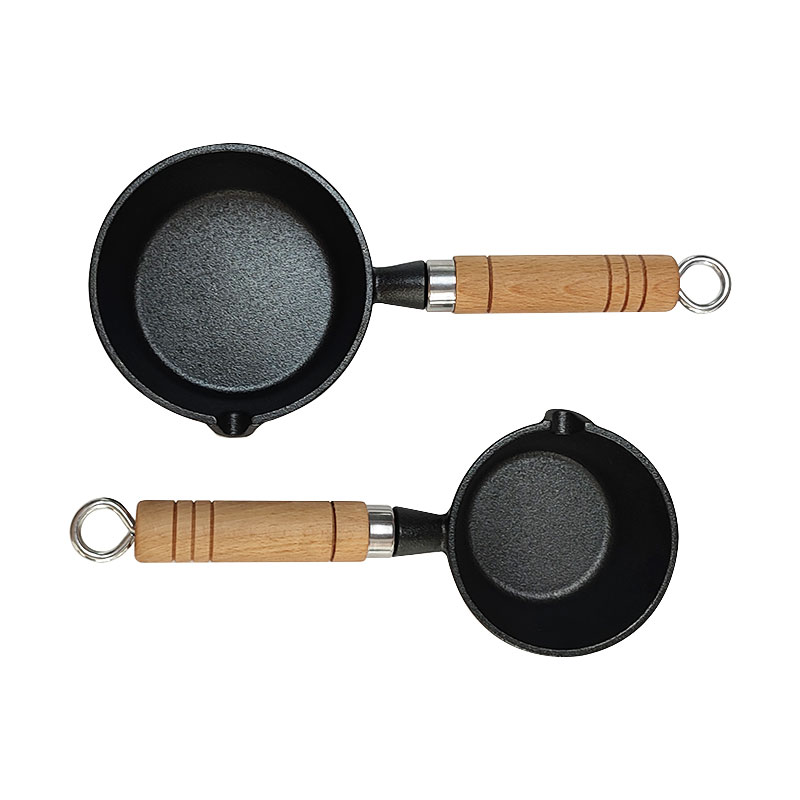
The ability to use cast iron skillet on grill setups allows Turkmen chefs to achieve a restaurant-grade crust on meats while maintaining internal juiciness.

03. Modern Urban Apartment Cooking

Compact enamel pots and pans are ideal for modern kitchens in Ashgabat, providing a non-reactive surface for cooking diverse international cuisines.

04. Boutique Hotel Presentation

The use of cast iron individual serving pots elevates the dining experience in tourist hubs, keeping traditional stews hot from the kitchen to the table.

05. Heritage Seasoning Rituals

Professional kitchens implementing a strict curing cast iron pan protocol to ensure the longevity and non-stick properties of their cookware for generations.

Brand Story

Global Development Journey of Hebei DB Cookware Technology Co., Ltd.

Foundational Precision

Established as a specialist in high-grade iron casting, we focused on solving the problem of uneven heating in industrial cookware.

Enamel Innovation

Developed a proprietary vitreous enamel bonding process that prevents chipping under extreme thermal shock.

Global Market Expansion

Extended our reach to Central Asia, adapting our designs to meet the heavy-duty requirements of the Turkmen market.

Sustainability Pivot

Integrated recycled metal workflows and eco-friendly curing oils into our mass production lines.

Industry Leadership

Recognized as a leading manufacturer providing end-to-end solutions from raw casting to high-end finished cookware.

Turkmenistan Cookware FAQ

Expert answers to common technical questions about cast iron use

How often should I be curing cast iron pan surfaces in humid weather?

In regions with fluctuating humidity, we recommend a maintenance layer of oil every 2-3 uses to prevent oxidation and maintain the non-stick patina.

Can I use enamel pots and pans for high-acidity tomato stews?

Yes, the vitreous enamel coating provides a non-reactive barrier that prevents acids from reacting with the iron, making them perfect for long-simmered tomato dishes.

Is it safe to use cast iron skillet on grill charcoal for Plov?

Absolutely. Cast iron is designed for extreme heat. Just ensure you avoid sudden temperature shocks (like adding ice water to a hot pan) to prevent cracking.

What is the best way to clean cast iron individual serving pots?

Use warm water and a soft brush. Avoid harsh soaps on seasoned iron; for enamel, a mild detergent and sponge are sufficient to keep the finish glossy.

Why are cast iron vessels preferred over aluminum for slow cooking?

Cast iron has superior thermal mass, meaning it holds heat longer and distributes it more evenly, which is critical for the slow-cooking process required in Turkmen cuisine.

Do I need to season my enamel-coated cookware?

No, enamel is a glass-like coating that does not require seasoning. It is ready to use straight out of the box and is naturally non-porous.

Partner with the Experts in Metallurgy

Looking for high-performance cookware manufacturing solutions in Turkmenistan? Our engineering team is ready to help.

Contact Us Now

Inquire Now for Cast Iron Cookware Deals

Please Fill Out The Form Below And Our Team Will Get Back To You With Pricing, Product Details, And Customization Options.

If you are interested in our products, you can choose to leave your information here, and we will be in touch with you shortly.