
wechat
WeChat
whatsapp
Email
up

Premium enamel pots and pans Solutions for Ukraine

Engineered for durability and thermal efficiency, bridging traditional Ukrainian culinary heritage with modern metallurgical precision.

Premium enamel pots and pans Solutions for Ukraine

Discover a comprehensive range of heavy-duty cookware designed to withstand the rigorous demands of Eastern European kitchens and professional catering services.

The State of Cast Iron Cookware in Ukraine

Analyzing the resilience and demand for high-thermal-mass kitchenware in the Ukrainian market.

In Ukraine, the preference for cast iron vessels is deeply rooted in the necessity for energy-efficient heating during harsh winters. The local market demands cookware that can maintain consistent temperatures for slow-cooking traditional stews and borscht.

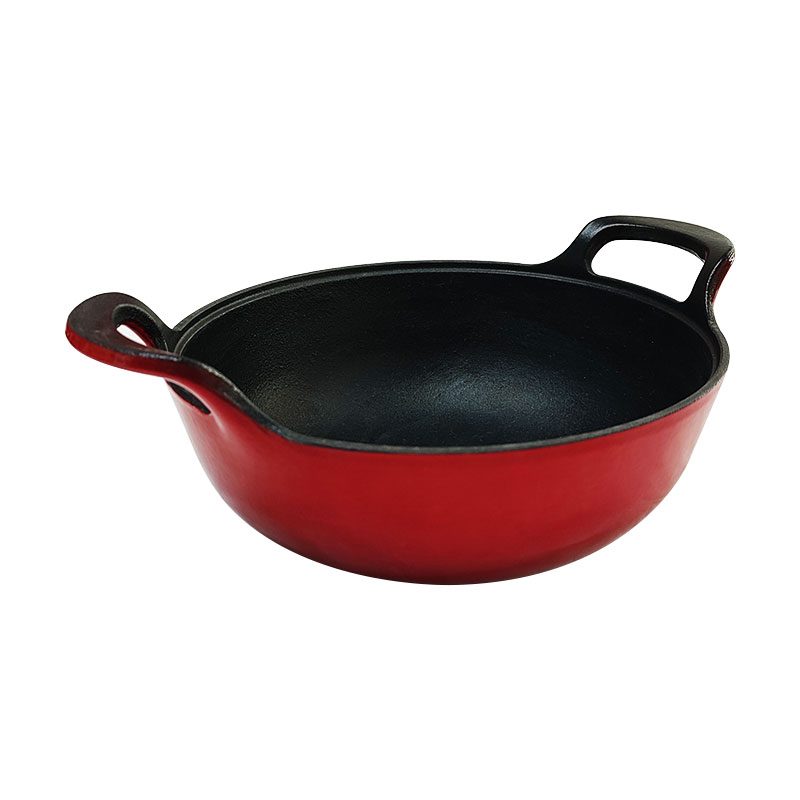
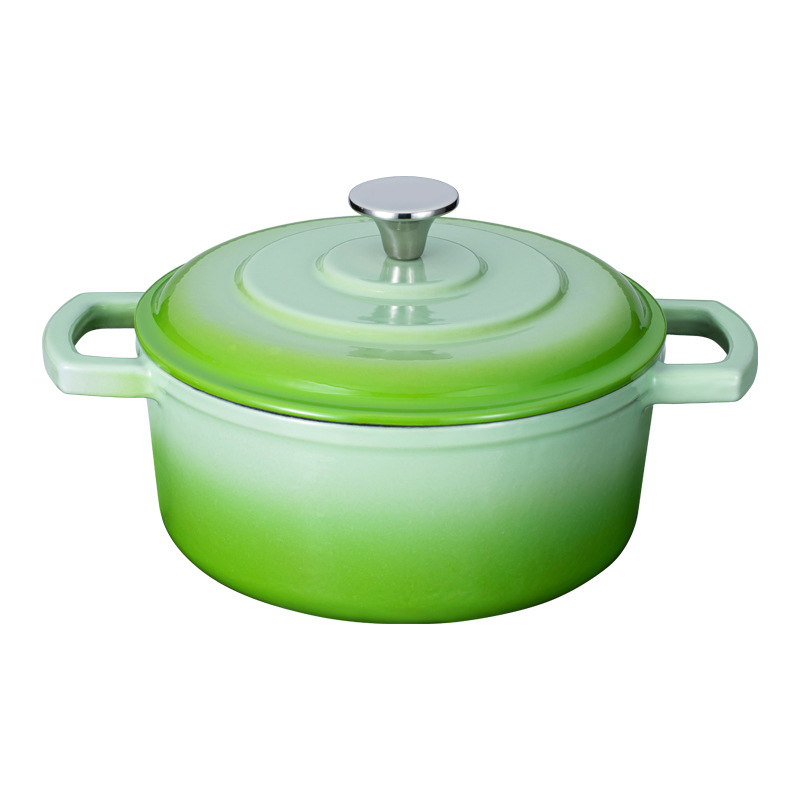
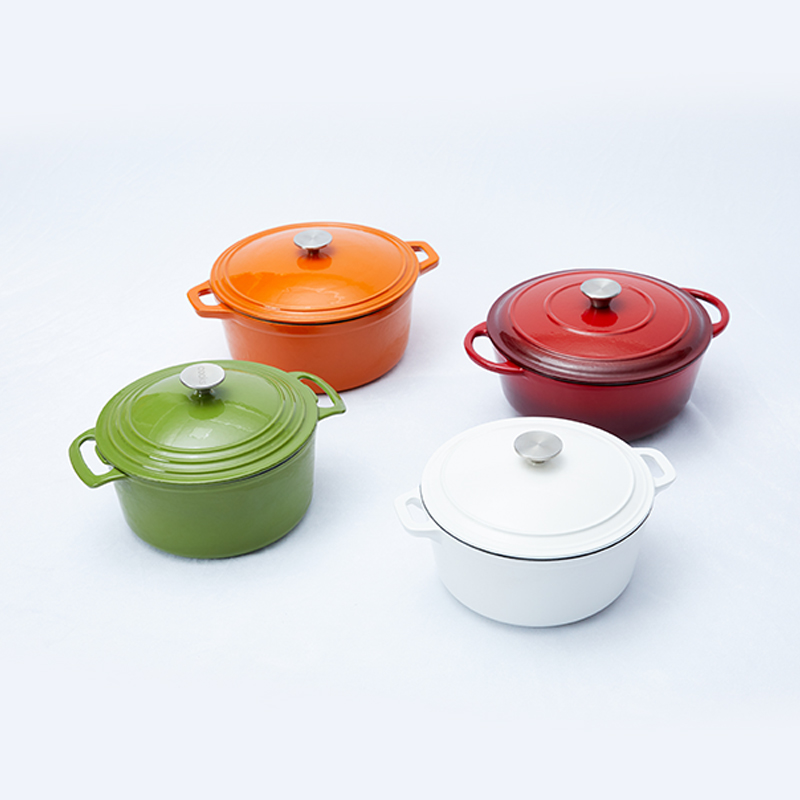
Currently, there is a significant shift towards hybridized cookware. While traditional raw iron remains popular, the rise of urban gastronomy has increased the demand for enamel pots and pans which offer the heat retention of iron with the added benefit of non-reactivity and easier cleaning.

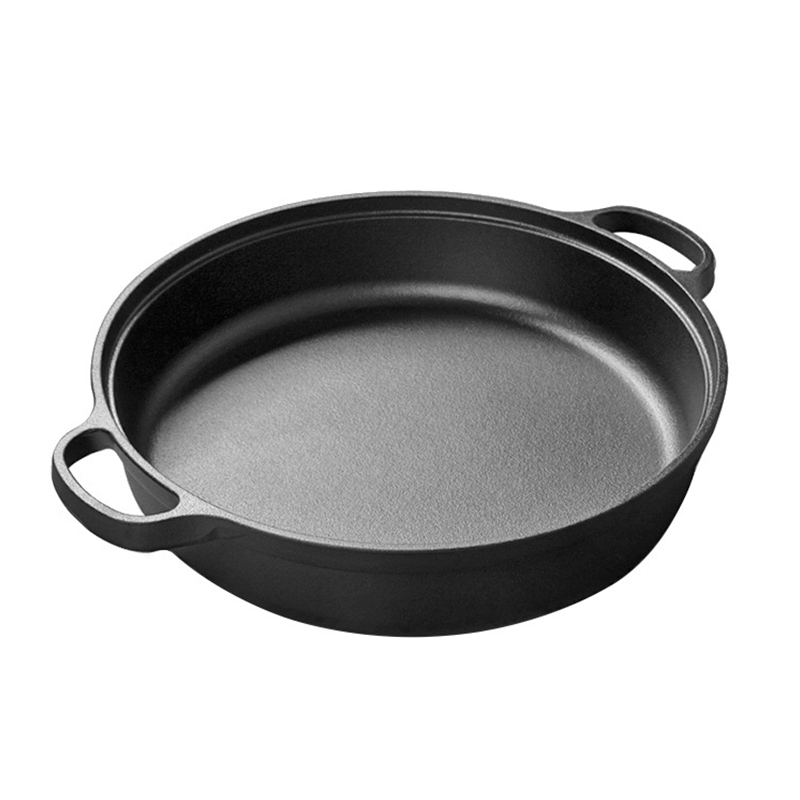
Economic fluctuations have led Ukrainian consumers to prioritize "lifetime" products over disposable non-stick pans. This has revitalized the interest in maintaining heritage gear, specifically increasing the search volume for professional guides on curing cast iron pan surfaces to ensure longevity.
Evolution of Metalware Metallurgy

From village forge traditions to precision industrial casting.

Market Development History

Until the late 20th century, Ukrainian cookware was dominated by heavy, sand-cast iron produced in regional foundries, characterized by high weight but inconsistent surface smoothness.

Between 2000 and 2015, the industry transitioned toward centrifugal casting and automated polishing, reducing the porosity of cast iron vessels and allowing for more precise heat distribution across the base.

In the last decade, the integration of high-grade vitreous enamel coatings has transformed the industry, moving from simple utilitarian tools to high-performance kitchen assets that prevent rust and oxidation.

Future Development Trends

Nitrogen-Infused Iron

The next phase involves the adoption of nitrogen-treated cast iron to create a naturally non-stick surface without the need for chemical coatings.

Precision Lightweighting

Using CAD/CAM technology to optimize wall thickness, reducing the weight of heavy pots without compromising the thermal inertia required for slow cooking.

Eco-Friendly Vitrification

Transitioning to lead-free and cadmium-free enamel processes to meet strict EU environmental standards and health regulations in Ukraine.

Industry Trends and Future Outlook

Strategic trajectories for the cast iron manufacturing sector.

Outdoor Culinary Shift
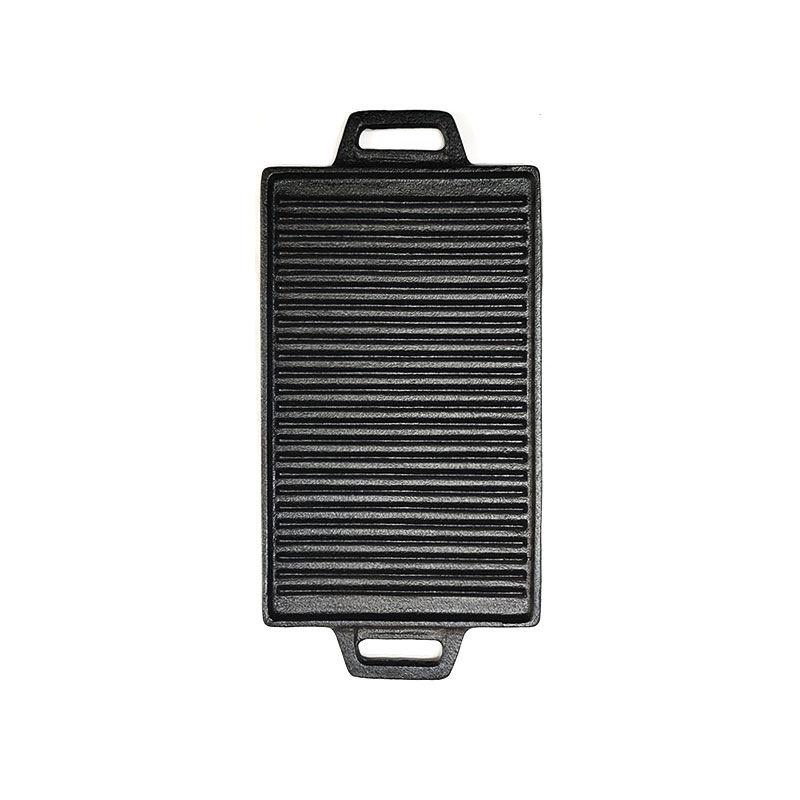
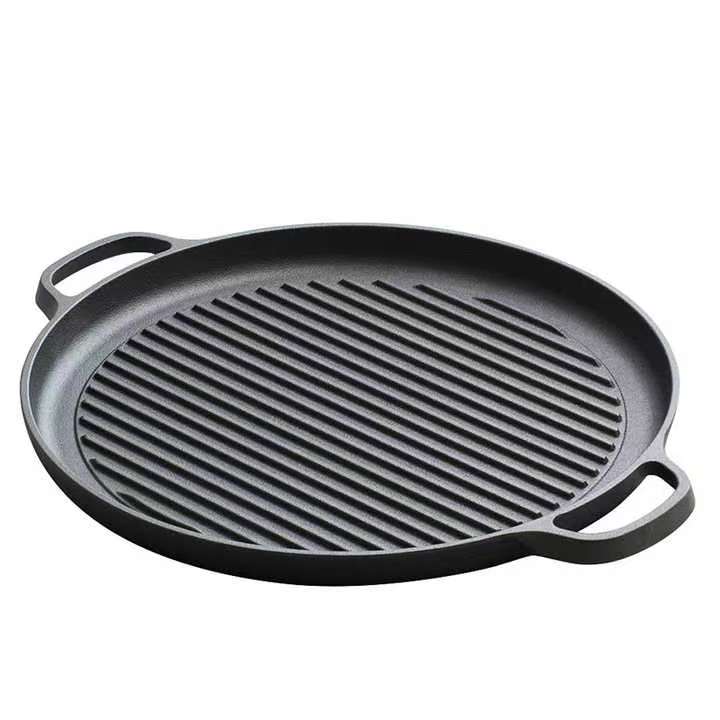
Growing trend to use cast iron skillet on grill for open-fire seasonal festivals.
Portion-Controlled Dining
Rise in demand for cast iron individual serving pots in HORECA sectors.
Smart Thermal Coatings
Implementation of nano-ceramic layers to enhance the durability of enamel surfaces.
Sustainability Integration
Using recycled iron scrap to reduce carbon footprint in the casting process.

Industry Outlook

Based on current Google search trends in Eastern Europe, there is a 25% year-over-year increase in queries regarding sustainable kitchenware. The market is moving away from PTFE-coated aluminum toward natural iron.

We expect the Ukrainian market to integrate more "hybrid" kitchenware—products that combine the ruggedness of traditional iron with the aesthetic and safety standards of modern European enamel coatings.

Local Application Scenarios in Ukraine

Practical deployments of our cast iron solutions across diverse Ukrainian environments.

1. Traditional Village Hearth Cooking

Using high-capacity cast iron vessels for slow-simmering root vegetables and meats over wood-fired ovens in rural households.

2. Modern Urban Gastropubs in Kyiv

Implementing cast iron individual serving pots to present sizzling appetizers, maintaining heat from the kitchen to the table.

3. Seasonal Carpathian Outdoor Festivals

Professional chefs who use cast iron skillet on grill setups to sear mountain trout and local meats at high temperatures.

4. High-Acidity Stew Preparation

Utilizing enamel pots and pans for cooking tomato-based sauces and vinegary preserves without metallic leaching.

5. Heirloom Maintenance Workshops

Community-led initiatives focusing on curing cast iron pan techniques to restore ancestral cookware for new generations.

Brand Story

Global Development History of Hebei Deben Technology Co., Ltd.

Foundational Excellence

Established with a vision to master the art of iron casting, focusing on the purity of raw materials to eliminate impurities.

Technological Pivot

Integrated advanced enamel coating lines to solve the common pain point of rust and oxidation in traditional ironware.

European Expansion

Tailored product specifications to meet EU safety standards, expanding distribution into Eastern European markets including Ukraine.

R&D Innovation

Developed proprietary thermal distribution patterns to ensure zero hot-spots in large-scale catering vessels.

Sustainable Future

Committing to a circular economy by implementing energy-efficient smelting and recyclable packaging solutions.

Ukrainian Cast Iron FAQ

Expert answers to the most common technical questions from our local partners.

How do I begin curing cast iron pan surfaces for the first time?

Apply a thin layer of unsaturated fat (like flaxseed oil), heat the pan to its smoke point in the oven for one hour, and repeat the process 3-5 times to create a polymerised non-stick layer.

Are enamel pots and pans suitable for high-acid Ukrainian recipes?

Yes, the vitreous enamel coating acts as a barrier, preventing acidic ingredients like tomatoes or vinegar from reacting with the iron base, making them ideal for borscht.

Can I safely use cast iron skillet on grill settings for searing?

Absolutely. Cast iron is designed for high-temperature environments. Just ensure you avoid extreme thermal shock (e.g., placing a red-hot pan in ice water).

What is the best way to clean cast iron individual serving pots?

Use a stiff brush and hot water. For stubborn residue, use coarse salt as an abrasive. Always dry immediately and apply a light coat of oil before storing.

Why choose cast iron vessels over aluminum for slow cooking?

Cast iron has superior thermal mass, meaning it holds heat longer and distributes it more evenly, preventing the "hot spots" common in thinner aluminum cookware.

How often should I re-season my raw iron cookware?

Seasoning should be maintained after every use with a thin layer of oil. A full oven-cure is recommended every 6-12 months depending on usage frequency.

Partner With the Iron Experts

Looking for industrial-scale cookware supply in Ukraine? Our engineers are ready to customize your order.

Contact Us Now

Inquire Now for Cast Iron Cookware Deals

Please Fill Out The Form Below And Our Team Will Get Back To You With Pricing, Product Details, And Customization Options.

If you are interested in our products, you can choose to leave your information here, and we will be in touch with you shortly.