
wechat
WeChat
whatsapp
Email
up

Premium enamel pots and pans Solutions for Uzbekistan Market

Integrating traditional Central Asian culinary heritage with advanced metallurgical casting technology for durable, high-performance cookware.

The Landscape of Cookware Manufacturing in Uzbekistan

Analyzing the intersection of traditional metallurgy and modern culinary demands in Central Asia.

In Uzbekistan, the culinary culture is deeply rooted in slow-cooking and high-heat searing, making cast iron vessels essential. The regional climate, characterized by extreme temperature variances, requires cookware that possesses exceptional thermal mass and durability to ensure consistent heat distribution during the preparation of traditional Plov.

Currently, the market is seeing a shift from basic sand-cast implements to precision-engineered enamel pots and pans. This transition is driven by a growing urban middle class in Tashkent and Samarkand who demand the non-reactive benefits of enamel coating combined with the heat retention of heavy iron.

Despite the availability of modern alloys, the local preference remains strong for heavy-duty equipment. However, there is a significant knowledge gap regarding the maintenance of raw iron, leading to an increased demand for professional guidance on curing cast iron pan surfaces to prevent oxidation in the humid continental climate.
Evolution and Trajectory of Cast Iron Technology

From artisanal forge work to automated industrial precision.

Market Development History

Prior to the 1990s, the region relied heavily on artisanal casting, where vessels were produced in small batches with high porosity. The focus was purely on utility, with basic iron pots serving as the primary tools for communal cooking.

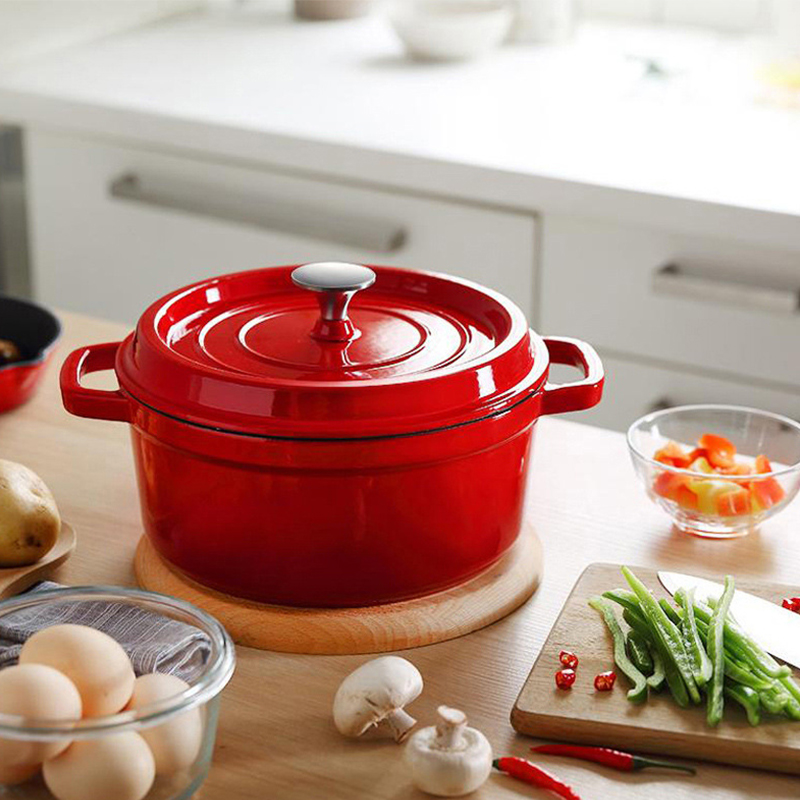
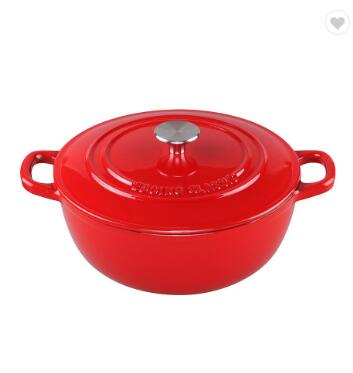
Between 2000 and 2015, the introduction of industrial enamel coating technology revolutionized the sector. This era saw the rise of enamel pots and pans which eliminated the need for constant seasoning and allowed for the cooking of acidic ingredients without metallic leaching.

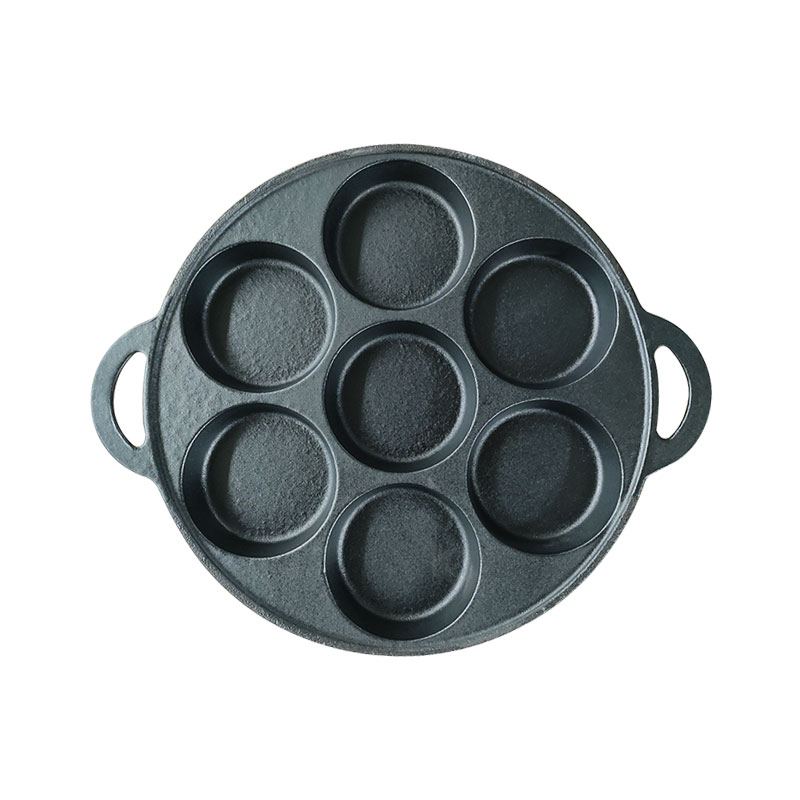
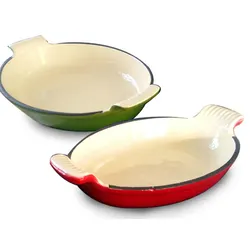
From 2016 to the present, the focus has shifted toward specialized geometry and surface engineering. The emergence of cast iron individual serving pots reflects the modernization of the Uzbek hospitality sector, moving toward gourmet presentation while maintaining traditional heat profiles.

Future Development Trends

Nitrogen-Infused Iron Surfaces

Integration of nitrogen-treatment to reduce the dependency on traditional oils, making the process of curing cast iron pan surfaces more efficient and permanent.

Lightweight High-Density Alloys

Development of thinner-walled but high-density cast iron to improve ergonomics without sacrificing the thermal properties required for professional searing.

Smart-Coating Integration

Implementation of biocompatible, PFOA-free ceramic-enamel hybrids that offer superior slide-off properties while remaining compatible with open-fire cooking.

Industry Trends and Future Outlook

Strategic projections for the metalware industry in the Uzbekistan region.

Eco-Friendly Casting
Transitioning to recycled iron scrap and low-emission furnaces to meet new regional environmental standards.
Outdoor Cooking Integration
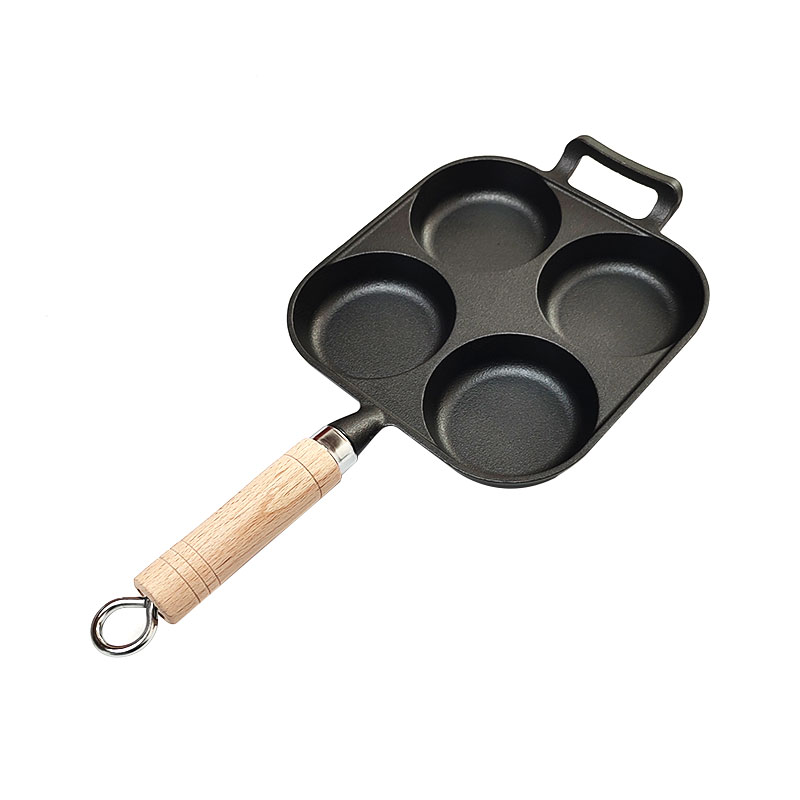
Increasing demand to use cast iron skillet on grill setups for traditional outdoor festivals.
Modular Design
Development of interchangeable lids and bases to suit various Central Asian stove types.
Direct-to-Consumer Shift
Rise of e-commerce platforms in Uzbekistan leading to higher demand for customized cookware sets.

Industry Outlook

Google search trends for "durable cookware" and "non-stick cast iron" in the region indicate a strong pivot towards professional-grade home equipment. The next 3-5 years will likely see a fusion of high-tech enamel coatings and traditional shapes.

As Uzbekistan continues to modernize its tourism infrastructure, the demand for cast iron individual serving pots in boutique hotels and luxury restaurants is expected to grow by 15% annually.

Localized Application Scenarios in Uzbekistan

How our cast iron solutions integrate into the unique culinary fabric of Central Asia.

1. Traditional Plov Preparation

Utilizing high-capacity cast iron vessels for the critical searing of meat and carrots, ensuring the same heat distribution as traditional cauldrons but with industrial consistency.

2. Modern Gastronomy Presentation

Implementing cast iron individual serving pots in Tashkent's fine-dining scene to serve slow-cooked stews directly from oven to table, preserving heat for extended periods.

3. Outdoor Culinary Festivals

Designing heavy-duty skillets optimized to use cast iron skillet on grill setups during regional food festivals, providing the perfect crust for traditional meats.

4. Acidic Stews and Braising

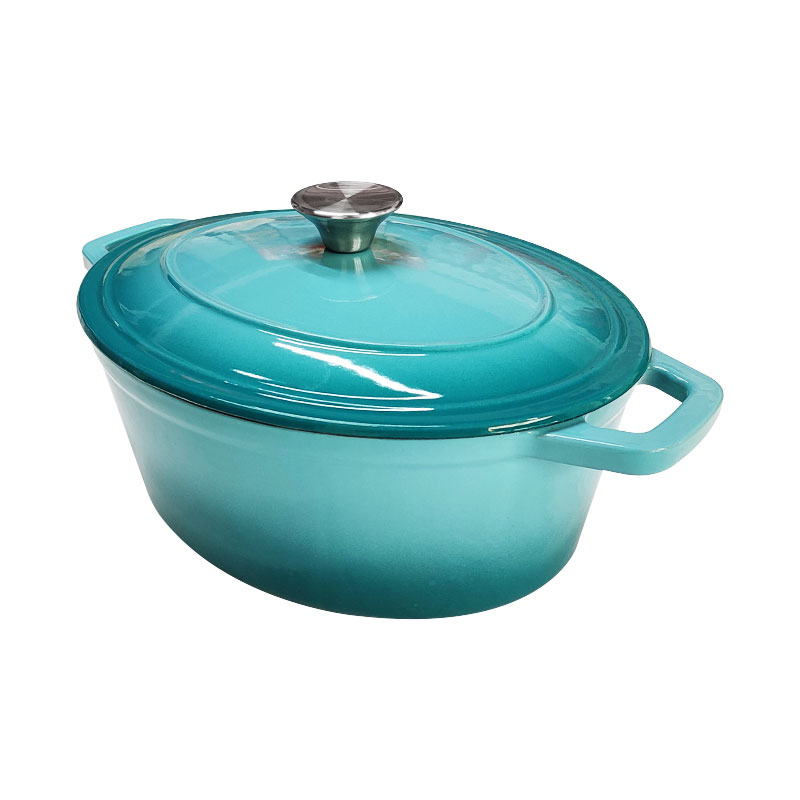
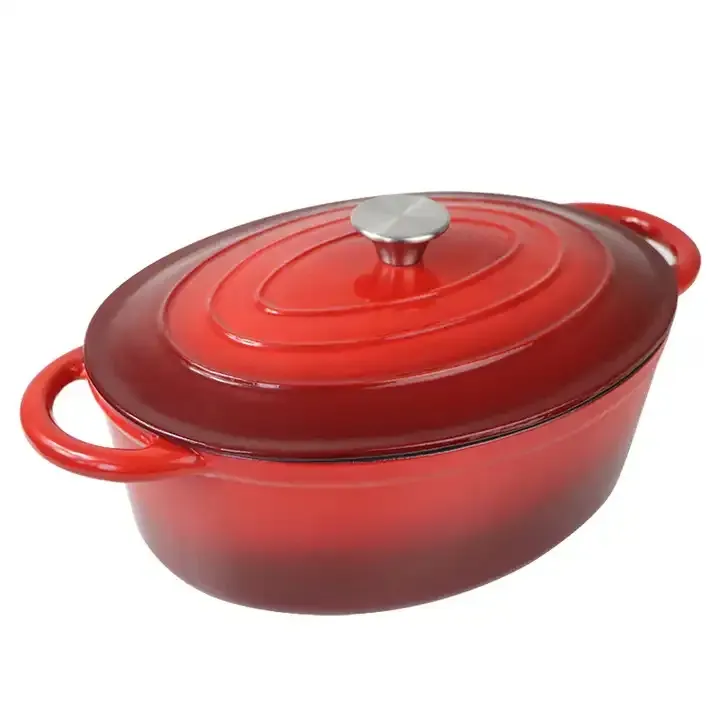
Using premium enamel pots and pans for cooking tomato-based dishes, preventing the metallic taste associated with raw iron and easing the cleaning process.

5. Home Maintenance Workshops

Providing local consumers with the tools and knowledge for curing cast iron pan surfaces using regional vegetable oils to create a natural, long-lasting non-stick layer.

Brand Story

Global Development Journey of Hebei DB Cookware Technology Co., Ltd.

Foundational Metallurgy

Established with a mission to solve the instability of heat distribution in traditional casting, focusing on high-purity iron sourcing.

Enamel Innovation

Pioneered advanced fusion-bonding enamel techniques to create cookware that is both non-reactive and virtually indestructible.

Global Standardization

Achieved international food-grade certifications, allowing our products to enter the most stringent European and Asian markets.

Central Asian Expansion

Tailored product lines specifically for the Uzbekistan market, combining traditional shapes with modern metallurgical standards.

Future-Proof Cooking

Investing in R&D for carbon-neutral casting processes to ensure a sustainable future for the global cookware industry.

Frequently Asked Questions in Uzbekistan

Expert answers to common queries regarding the use and care of cast iron cookware.

How often should I perform curing cast iron pan maintenance?

For the dry climate of Uzbekistan, we recommend a light re-seasoning every 3-6 months or after using high-acidity ingredients to maintain the non-stick surface of your cast iron vessels.

Can I use cast iron skillet on grill over open wood fire?

Yes, our cookware is designed for extreme heat. To use cast iron skillet on grill setups, simply ensure the pan is preheated slowly to avoid thermal shock.

Are enamel pots and pans safe for slow-cooking Plov?

Absolutely. enamel pots and pans are ideal for long-duration simmering as they provide stable heat and protect the food from metallic interaction.

Why choose cast iron individual serving pots for restaurants?

These pots maintain temperature far longer than ceramic or steel, ensuring that dishes reach the customer at the optimal serving temperature, which is critical for Uzbek hospitality.

How do I remove rust from old cast iron vessels?

Scrub the rusted area with steel wool and mild soap, dry completely on the stove, and immediately begin the process of curing cast iron pan surfaces with oil.

What is the difference between raw and enameled cast iron?

Raw iron requires seasoning but is better for high-heat searing; enamel pots and pans are maintenance-free and better for acidic braising and aesthetic presentation.

Partner With the Experts in Metallurgy

Ready to upgrade your culinary equipment? Contact our specialist team for custom manufacturing solutions in Uzbekistan.

Contact Us Now

Inquire Now for Cast Iron Cookware Deals

Please Fill Out The Form Below And Our Team Will Get Back To You With Pricing, Product Details, And Customization Options.

If you are interested in our products, you can choose to leave your information here, and we will be in touch with you shortly.