
wechat
WeChat
whatsapp
Email
up

Premium enamel pots and pans Solutions for Yemen Market

Integrating traditional Yemeni culinary heritage with advanced metallurgical precision for enduring performance.

Premium enamel pots and pans Solutions for Yemen Market

Providing high-performance cookware designed to withstand the diverse cooking styles and environmental conditions of Yemen, from the highlands of Sana'a to the coastal heat of Aden.

Current State of Cookware Manufacturing in Yemen

Analyzing the intersection of traditional metallurgy and modern commercial demand in the Arabian Peninsula.

In Yemen, the use of cast iron vessels remains deeply rooted in traditional slow-cooking methods. However, the local market faces challenges due to economic instability and the scarcity of high-grade raw materials, leading to a reliance on imported heavy-duty cookware that can withstand open-fire cooking.

The arid climate and high salt content in coastal regions often accelerate the oxidation of untreated iron. Consequently, there is a growing demand for precision-engineered surfaces and a better understanding of curing cast iron pan techniques to prolong the lifespan of kitchen tools in humid environments.

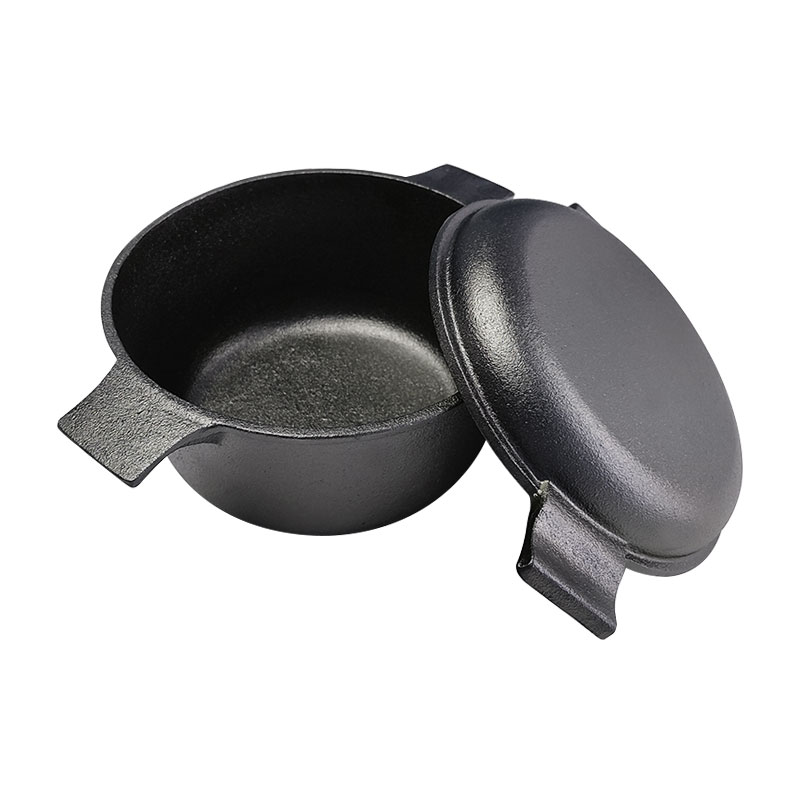
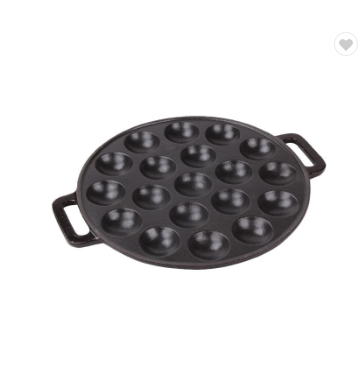
Furthermore, the shift toward urban hospitality and modern catering in Yemeni cities has sparked an interest in specialized tools, such as cast iron individual serving pots, which combine aesthetic appeal with the thermal retention required for authentic Mandi and Salta dishes.
Evolution of Cast Iron Technology in Yemen

From artisanal forge-casting to automated industrial precision.

Market Development History

Historically, Yemeni cookware relied on basic sand-casting methods, where vessels were thick-walled and lacked uniformity. Before 2000, most cast iron vessels were produced by local blacksmiths using scrap metal, prioritizing durability over heat distribution.

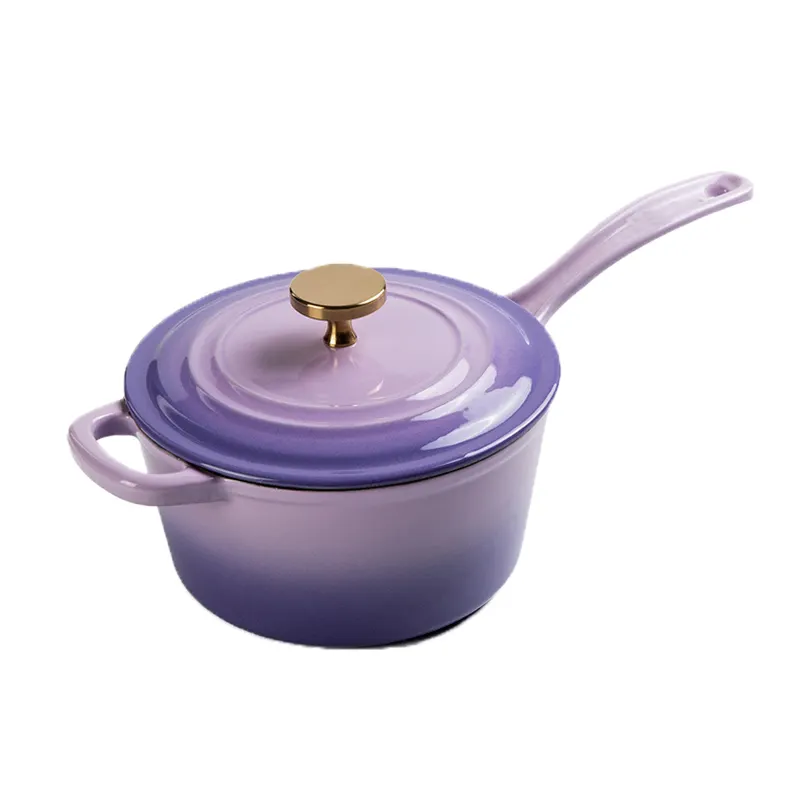
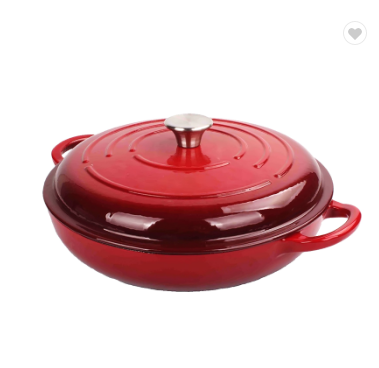
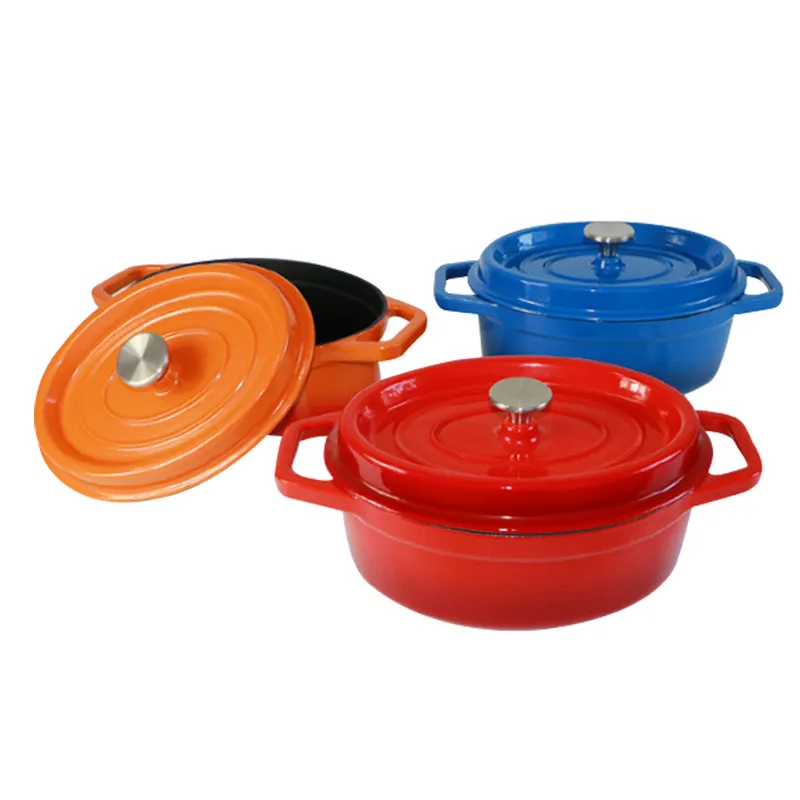
Between 2005 and 2015, the introduction of standardized industrial imports brought a shift toward enamel coatings. This period saw the rise of enamel pots and pans, which solved the problem of rust and eased the cleaning process for large-scale family gatherings.

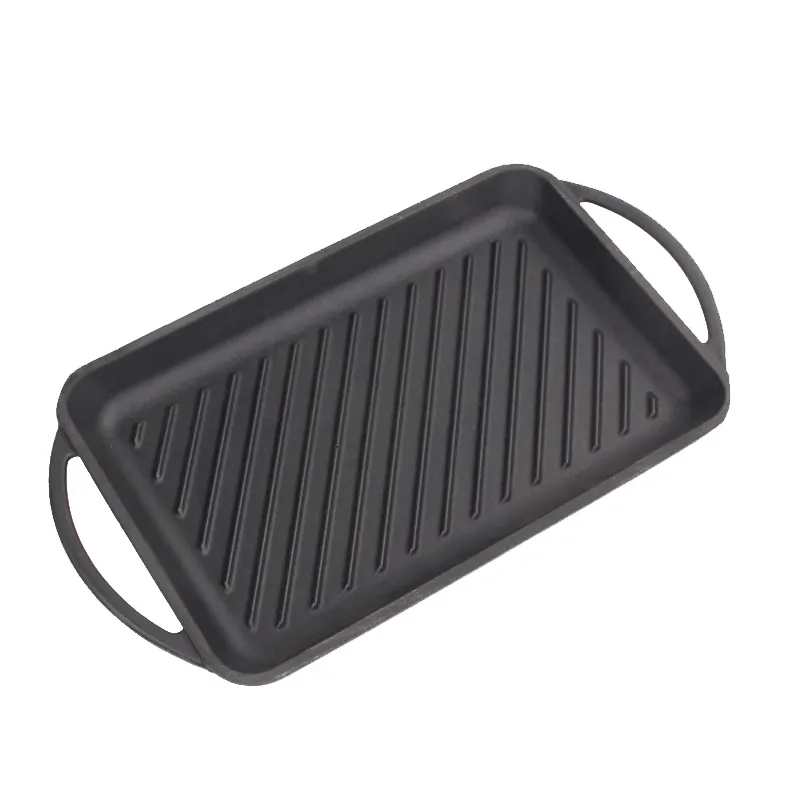
From 2018 onwards, the market has transitioned toward "hybrid usage," where professional chefs began to use cast iron skillet on grill setups to achieve the charred flavor profile required for traditional meats while maintaining modern temperature control.

Future Development Trends

Nano-Ceramic Integration

Integration of nano-coatings to reduce the maintenance effort of seasoning while keeping the heat properties of raw iron.

Lightweight Alloy Casting

Development of thinner, high-density walls to make industrial-grade pans more maneuverable in compact Yemeni kitchens.

Smart Thermal Distribution

Focus on ergonomic designs that optimize heat flow for charcoal-based cooking, reducing fuel consumption.

Industry Trends and Future Outlook

Strategic forecasts for the metalware sector in the Middle East region.

Eco-Friendly Casting
Shift toward recycled iron ores and low-emission furnaces to meet global sustainability standards.
E-Commerce Integration
Rise of direct-to-consumer sales for professional cookware in Yemen's emerging digital markets.
Hospitality Standardization
Increased demand for uniform cast iron individual serving pots in luxury hotels.
Advanced Enameling
Developing multi-layer vitreous enamel to prevent chipping under extreme temperature fluctuations.

Industry Outlook

Based on Google search trends, there is a significant increase in queries related to "long-term durability" and "non-toxic coatings" in the Middle East. This indicates a shift from cheap disposables to investment-grade cookware.

We predict that the next 3-5 years will see a fusion of smart-casting and traditional aesthetics, allowing Yemeni chefs to maintain authentic flavors while benefiting from modern industrial efficiency.

Localized Application Scenarios in Yemen

Practical implementations of heavy-duty ironware in local culinary contexts.

1. Traditional Mandi Pit Integration

Utilizing heavy cast iron vessels inside underground pits to maintain steady, high-temperature heat for slow-roasting meat over 6-8 hours.

2. Modern Street Food Grilling

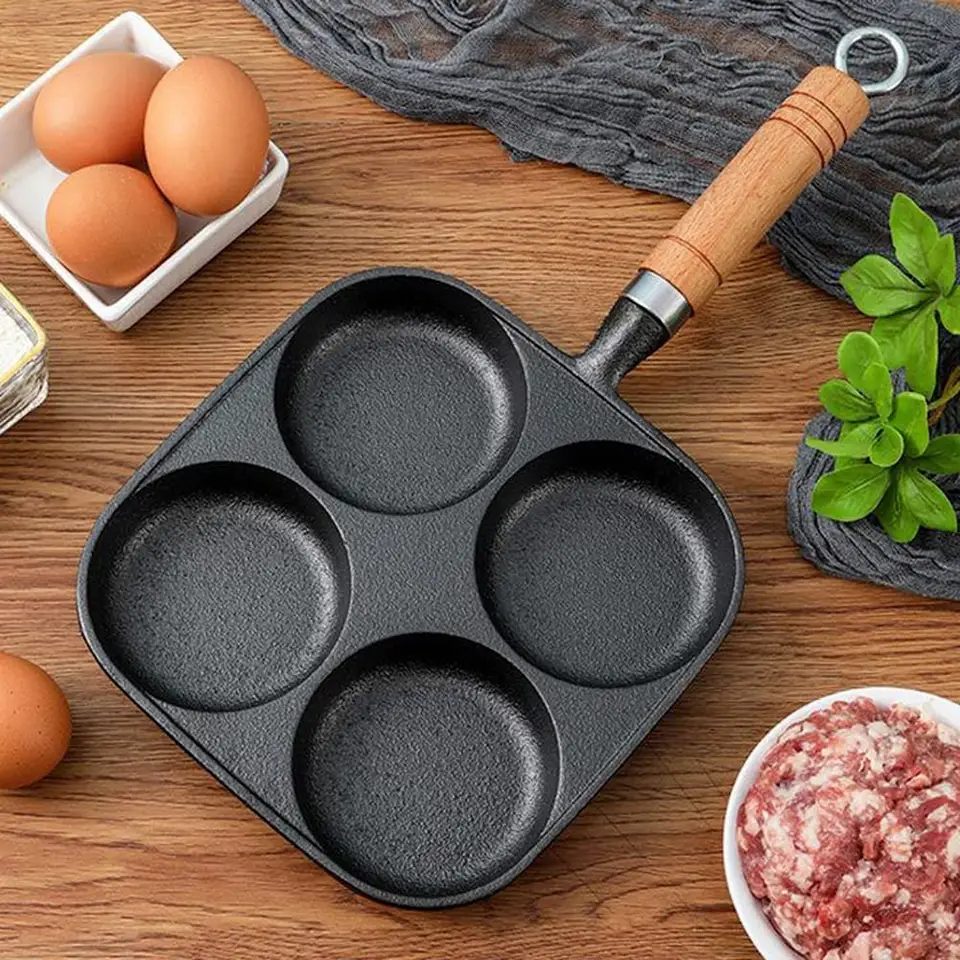
Commercial vendors now use cast iron skillet on grill stations to sear meats quickly, ensuring a perfect crust that is impossible with thin aluminum pans.

3. High-End Restaurant Presentation

Implementing cast iron individual serving pots for Salta, keeping the stew bubbling hot from the kitchen to the customer's table.

4. Family-Style Stewing

The use of large enamel pots and pans for preparing large batches of traditional Yemeni stews, preventing acidic ingredients from reacting with the metal.

5. Rural Outdoor Cooking

Teaching local communities about curing cast iron pan using local oils to create a natural non-stick surface for open-fire cooking in remote areas.

Brand Story

Global Development History of Hebei DB Cookware Technology Co., Ltd.

Foundational Metallurgy

Starting with a commitment to pure iron casting, we focused on eliminating impurities to ensure maximum heat retention.

Enamel Innovation

We pioneered high-temperature fusion enameling to solve the age-old problem of iron oxidation in humid climates.

Global Market Expansion

Expanding our footprint into the Middle East, tailoring our product weights to match regional cooking habits.

Precision Engineering

Implementing CNC machining for perfectly flat bases, ensuring compatibility with both grills and modern stoves.

Sustainability Mission

Our current mission is to provide lifetime-use cookware that reduces environmental waste in the global kitchen.

Common Questions in Yemen Market

Expert answers to technical queries regarding cast iron maintenance and usage.

How often should I perform curing cast iron pan procedures in humid coastal areas?

In coastal cities like Aden, we recommend a light seasoning layer every 2-3 uses to prevent salt-air oxidation.

Can I safely use cast iron skillet on grill over charcoal for Mandi?

Yes, our skilets are designed for extreme heat. Ensure the charcoal is evenly spread to avoid localized warping.

What is the advantage of enamel pots and pans over raw iron for Yemeni stews?

Enamel provides a non-reactive surface, which is crucial for acidic ingredients like tomatoes and lemon common in Yemeni cuisine.

How do I maintain cast iron individual serving pots for commercial use?

Avoid soaking in water. Wash with warm water, dry immediately on a flame, and apply a thin coat of oil before storage.

Are these cast iron vessels compatible with induction cooktops?

Yes, our precision-ground bases ensure maximum contact and efficiency on induction surfaces.

Why is the weight of these pots higher than aluminum alternatives?

The mass is essential for thermal inertia, ensuring that food stays hot long after it is removed from the heat source.

Get Professional Metallurgy Consultation

Ready to upgrade your kitchen or hospitality business in Yemen? Contact our engineers today for tailored bulk solutions.

Contact Us Now

Inquire Now for Cast Iron Cookware Deals

Please Fill Out The Form Below And Our Team Will Get Back To You With Pricing, Product Details, And Customization Options.

If you are interested in our products, you can choose to leave your information here, and we will be in touch with you shortly.