
wechat
WeChat
whatsapp
Email
up

Premium Japanese Culinary Solutions with enamel pots and pans

Merging traditional Japanese craftsmanship with advanced metallurgical engineering to deliver professional-grade cast iron cookware for the discerning Asian market.

The Evolution of Cast Iron in Japan's Modern Kitchens

Analyzing the synergy between traditional "Tetsubin" culture and modern gastronomic requirements in Japan.

In the Japanese market, the appreciation for cast iron vessels is deeply rooted in the cultural pursuit of "Monozukuri" (the art of making things). With Japan's humid climate, the industry has pivoted toward materials that resist corrosion while maintaining the superior heat distribution required for precise temperature control in Washoku cooking.

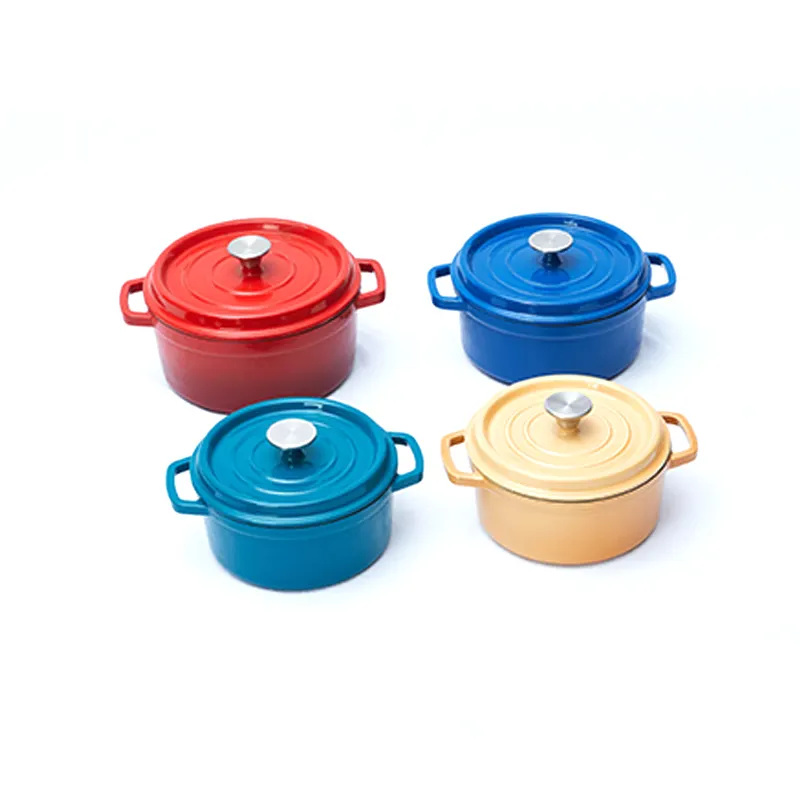
Current market trends show a significant shift toward hybrid cookware. Modern Japanese consumers are increasingly seeking the benefits of traditional iron but with lower maintenance, leading to a surge in demand for high-grade vitreous enamel coatings that eliminate the need for constant seasoning.

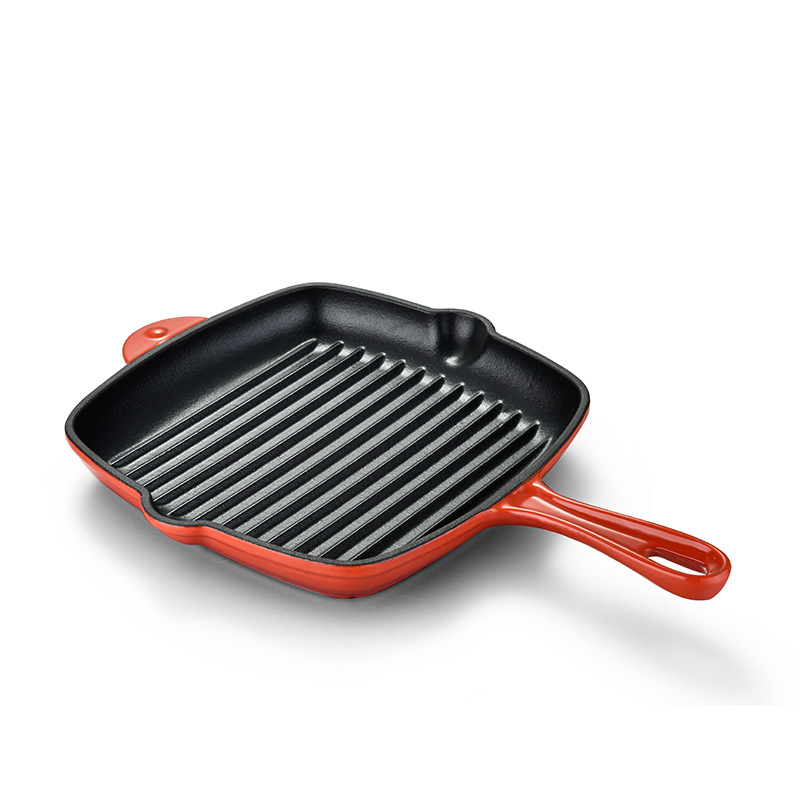
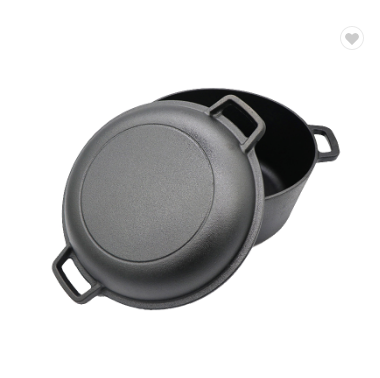
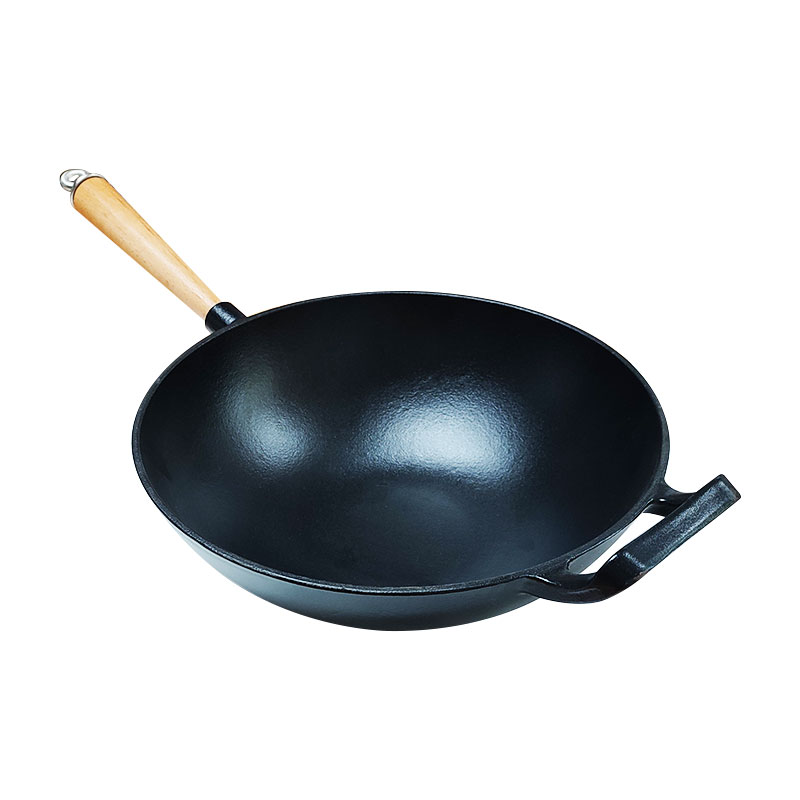
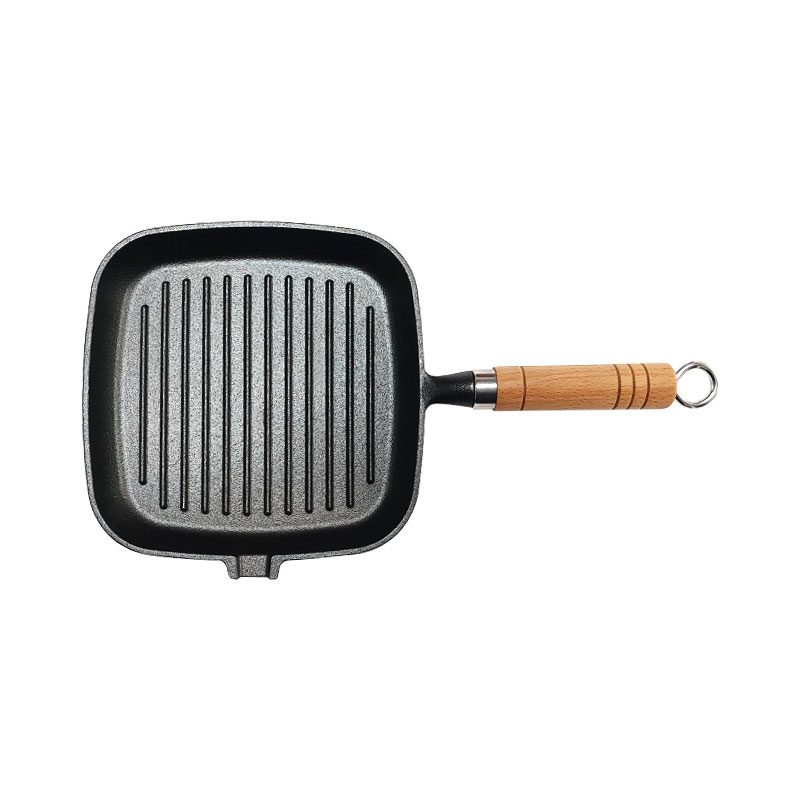
The professional sector in Tokyo and Osaka is currently integrating versatile tools that allow chefs to use cast iron skillet on grill stations for high-heat searing, bridging the gap between traditional charcoal grilling (Sumibi) and modern induction technology.
Technical Trajectory of Cast Iron Manufacturing

From artisanal sand-casting to precision automated induction melting.

Market Development History

Historically, Japan focused on artisan-led sand casting, where cast iron vessels were prized for their rustic texture and longevity. Through the mid-20th century, the focus remained on heavy-walled vessels for slow-simmering stews.

The 1990s marked a technical pivot toward precision molding and the introduction of advanced enamel coatings. This period solved the oxidation issues prevalent in Japan's coastal cities, making enamel pots and pans a staple in urban households.

By 2015, the industry integrated CNC finishing and laser-controlled quality checks, ensuring that the thickness of the iron is uniform to within 0.5mm, optimizing heat spread for high-efficiency Japanese induction hobs.

Future Development Trends

Lightweight Alloy Integration

The next 3 years will see the adoption of specialized iron alloys that reduce the weight of the cookware by 20% without sacrificing thermal mass.

Smart-Coating Technology

Integration of nano-ceramic layers to enhance the non-stick properties of traditional surfaces, reducing the reliance on traditional curing cast iron pan methods.

Eco-Friendly Smelting

A transition toward carbon-neutral smelting processes to align with Japan's "Green Growth Strategy" for 2050.

Industry Outlook & Future Projections

Forecasting the intersection of metallurgy and culinary trends in Asia.

Precision Thermal Mapping
Utilizing AI-driven thermal analysis to eliminate hot spots in large-scale cast iron production.
Induction Optimization
Enhancing the ferromagnetic properties of the base to increase energy efficiency on IH stoves.
Modular Sizing
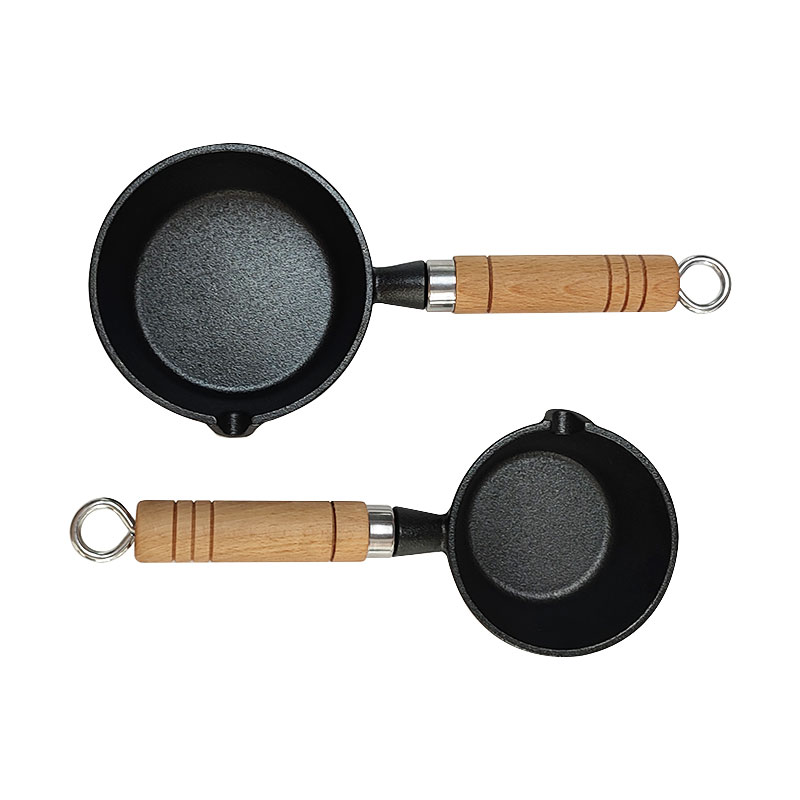
Developing cast iron individual serving pots to meet the "solo-dining" trend in Japanese cities.
Sustainable Sourcing
Utilizing recycled scrap iron processed through advanced purifying furnaces to reduce carbon footprint.

Industry Outlook

Based on Google search trends in Japan, there is a rising interest in "hybrid cooking" where traditional cast iron is used in outdoor settings. This indicates a growing luxury camping (Glamping) market where the ability to use cast iron skillet on grill is a primary purchasing driver.

The long-term outlook suggests a convergence of aesthetic design and functional durability. Future products will likely feature ergonomic handles and integrated heat-sensors, appealing to a younger generation of Japanese chefs who value both tradition and technological convenience.

Localized Application Scenarios in Japan

Integrating high-performance cast iron into diverse Japanese culinary settings.

01. Kaiseki Dining Individual Presentation

Utilizing cast iron individual serving pots to maintain the precise serving temperature of delicate soups and stews in high-end Kyoto-style Kaiseki restaurants.

02. Modern Urban Apartment Cooking

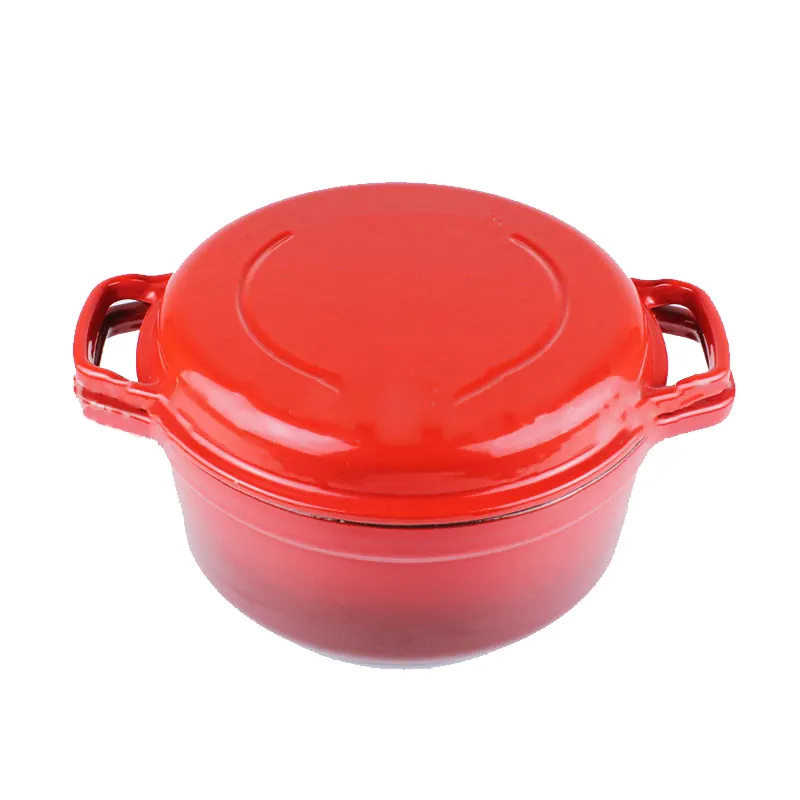
Deployment of enamel pots and pans for slow-cooking "Nikujaga" in compact Tokyo kitchens where ventilation is limited and low-maintenance cookware is essential.

03. Outdoor Glamping and BBQ

Using heavy-duty cast iron to use cast iron skillet on grill for authentic Wagyu searing during outdoor seasonal festivals.

04. Traditional Home Maintenance

Implementing professional curing cast iron pan techniques to preserve heritage cookware passed down through generations of Japanese families.

05. Industrial Kitchen Efficiency

Using large-scale cast iron vessels for batch-cooking dashi and traditional stocks, leveraging the material's exceptional heat retention for energy savings.

Brand Story

Global Development Journey of Hebei DB Cookware Technology Co., Ltd.

Foundational Metallurgy

Established with a vision to master the core of iron casting, focusing on impurity removal to ensure medical-grade safety in cookware.

Technological Breakthrough

Developed a proprietary enamel fusing process that prevents chipping under extreme thermal shock, specifically for high-end markets.

Global Market Expansion

Expanded operations to Asia and Europe, tailoring product weights and sizes to match regional culinary habits and stove types.

Sustainability Pivot

Introduced eco-friendly casting methods, reducing energy consumption by 15% through advanced heat-recovery systems.

The Future of Iron

Currently leading the integration of smart-materials into cast iron to redefine the professional cooking experience worldwide.

Frequently Asked Questions for Japan Region

Expert answers to the most common technical queries regarding cast iron usage.

What is the best method for curing cast iron pan in humid Japanese climates?

In humid areas, we recommend using a high-smoke point oil and baking the pan in an oven at 230°C for one hour to create a hard, moisture-resistant polymer layer.

Can I use enamel pots and pans on high-power Japanese induction hobs?

Yes, our enamel cookware is engineered with a flat, high-ferritic base specifically optimized for the electromagnetic frequency of modern IH stoves.

How do I maintain cast iron individual serving pots for restaurant use?

Avoid abrasive scrubbers. Wash with mild soap, dry immediately on heat, and apply a thin layer of vegetable oil before storage to prevent oxidation.

Is it safe to use cast iron skillet on grill for high-heat Wagyu searing?

Absolutely. Cast iron is the ideal material for grilling as it handles extreme temperatures without warping, ensuring a perfect Maillard reaction.

Why choose professional cast iron vessels over aluminum for slow cooking?

Cast iron provides significantly higher thermal mass, which means the temperature remains stable even when adding cold ingredients, essential for tenderizing meat.

Do your enamel coatings contain PFOA or Lead?

No. All our enamel coatings are food-safe, PFOA-free, and lead-free, complying with strict Japanese health and safety regulations.

Consult Our Metallurgy Experts

Providing bespoke cast iron manufacturing solutions tailored for the unique culinary standards of Japan.

Contact Us Now

Inquire Now for Cast Iron Cookware Deals

Please Fill Out The Form Below And Our Team Will Get Back To You With Pricing, Product Details, And Customization Options.

If you are interested in our products, you can choose to leave your information here, and we will be in touch with you shortly.