
wechat
WeChat
whatsapp
Email
up

Premium Solution for enamel pots and pans in India

Integrating traditional Indian culinary wisdom with advanced metallurgical engineering to provide durable, high-performance cookware for every kitchen.

The Landscape of cast iron vessels in the Indian Market

Analyzing the intersection of traditional metallurgy and modern urban kitchen demands.

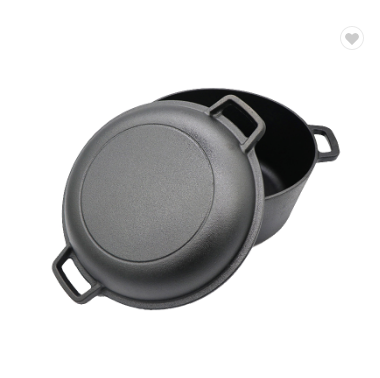
India has a profound historical connection with iron cookware, traditionally used in rural households for slow-cooking legumes and grains. However, the humid climate in coastal regions and the high moisture levels during the monsoon season often lead to rapid oxidation, making the process of curing cast iron pan essential for longevity and non-stick performance.

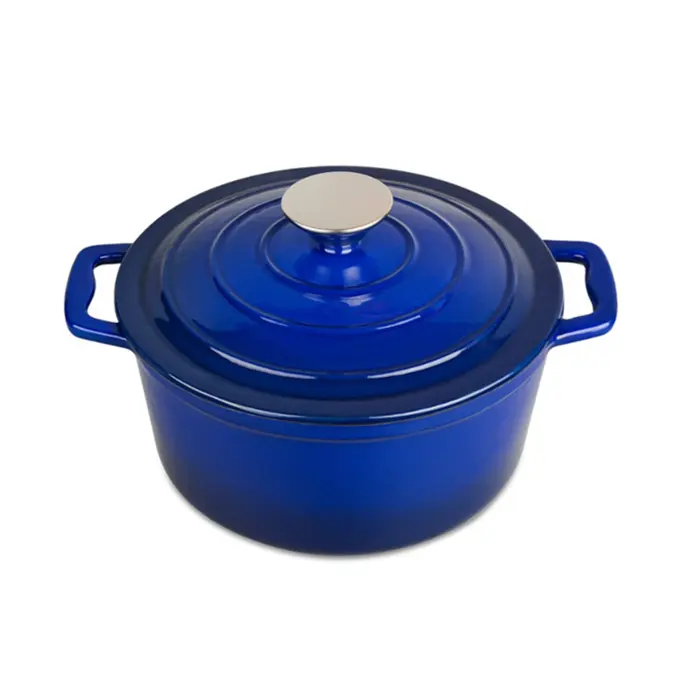
With the rise of the urban middle class, there is a significant shift towards "modern-traditional" cookware. Consumers are moving away from heavy, unrefined pots toward precision-engineered enamel pots and pans that offer the thermal mass of iron without the intensive maintenance of seasoning.

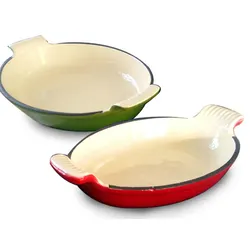
The economic trajectory shows a growing preference for multi-functional cookware. Today's Indian kitchens require tools that can handle high-heat stir-frying and slow-simmering, leading to an increased demand for versatile items like the cast iron individual serving pots for the burgeoning gourmet dining segment.
Evolution and Trajectory of Cast Iron Manufacturing

From artisanal village foundries to automated precision casting.

Market Development History

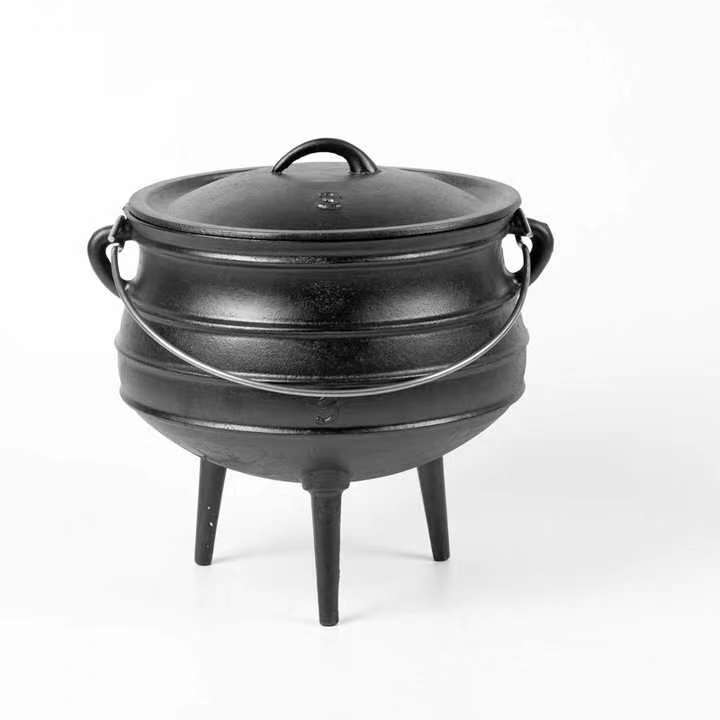
Before the 1990s, the Indian market was dominated by sand-cast, heavy-walled vessels produced in local foundries. These tools were prized for their durability but lacked uniformity in heat distribution and surface smoothness.

Between 2000 and 2015, the introduction of centrifugal casting and precision polishing transformed the industry. This era saw the rise of standardized cookware that could be used on gas stoves and induction cooktops, reducing the weight while maintaining thermal efficiency.

From 2016 to the present, the focus has shifted toward surface chemistry. The integration of vitreous enamel coatings and pre-seasoned finishes has addressed the primary pain point of rust, making high-end cast iron vessels accessible to the modern, fast-paced consumer.

Future Development Trends

Smart Alloy Integration

We predict a shift toward lightweight cast iron alloys that offer faster heating times while retaining the signature heat capacity of traditional iron.

Eco-Friendly Enameling

Driven by global health standards, the transition to PFOA-free and low-emission enamel firing processes will become the industry standard in India.

Hybrid Heating Compatibility

As India transitions to electric and induction cooking, the development of composite bases for cast iron will ensure 100% energy efficiency across all heat sources.

Industry Outlook and Future Prospects

Strategic forecasting based on consumer behavior and metallurgical advancements.

Health-Centric Design
Increasing awareness of iron deficiency (anemia) in India is driving a resurgence in traditional iron cookware.
Outdoor Culinary Growth
A rise in urban camping and garden parties is increasing the trend to use cast iron skillet on grill setups.
Compact Urbanism
Smaller kitchen footprints are shifting demand toward versatile, stackable, and individual-sized cooking vessels.
E-Commerce Integration
Direct-to-consumer models are enabling education on how to properly season and maintain high-quality ironware.

Industry Outlook

Based on Google search trends in South Asia, there is a 35% year-on-year increase in queries related to "natural non-stick cookware." This indicates a systemic shift away from chemical coatings (PTFE) toward natural alternatives like seasoned cast iron.

Over the next 3-5 years, we expect the "Home Chef" movement in India to peak, where professional-grade tools like the cast iron individual serving pots will transition from luxury hotel kitchens to high-end residential homes.

Localized Application Scenarios in India

How our cast iron solutions fit into the unique culinary habits of the Indian subcontinent.

1. Traditional Slow-Cooked Dal and Curries

Using heavy-bottomed cast iron vessels to achieve the perfect "Dum" (slow steam) for traditional North Indian dals and slow-cooked mutton curries, ensuring heat is evenly distributed.

2. Tandoori-Style Home Grilling

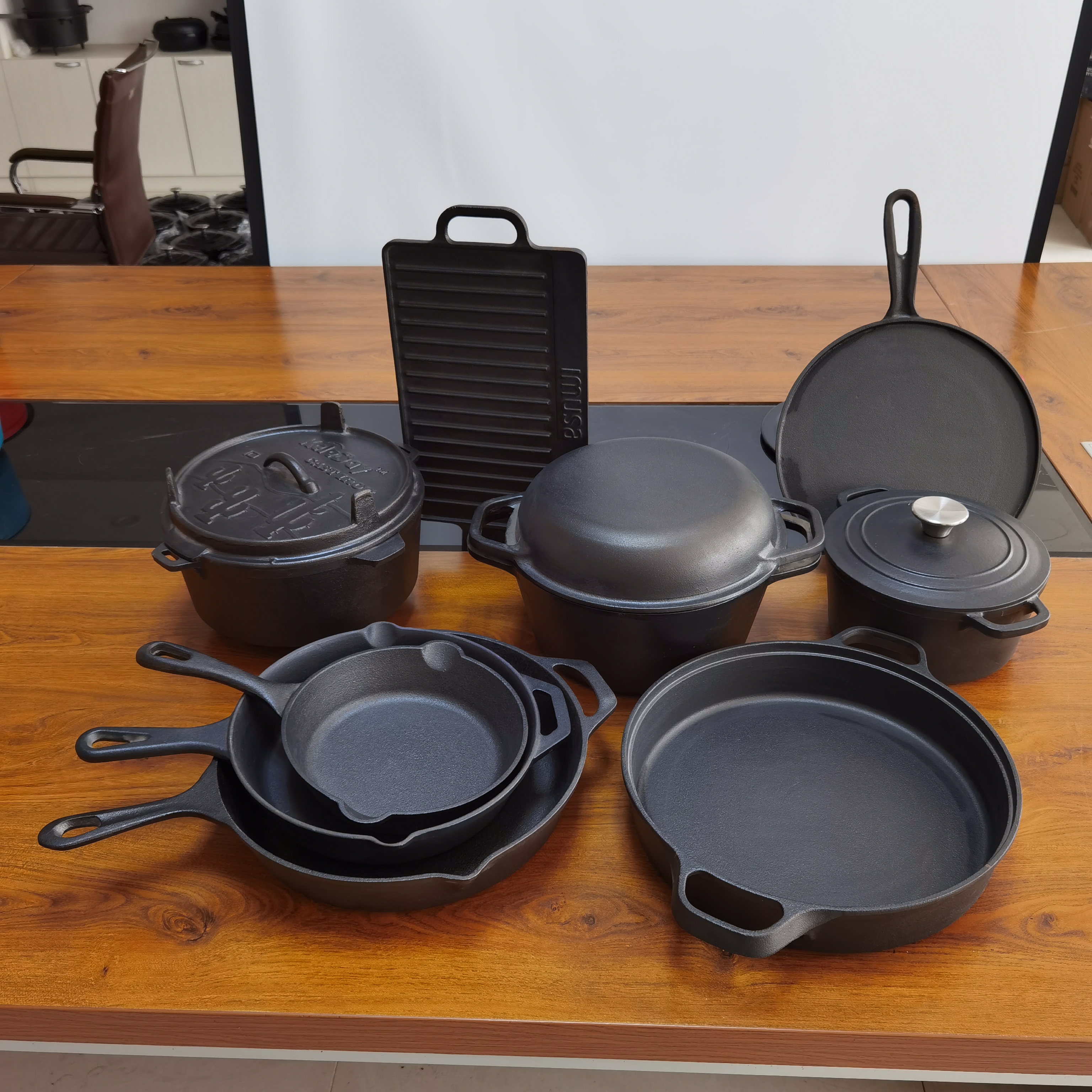
Utilizing the high heat capacity of our products to use cast iron skillet on grill for authentic charred paneer tikka or chicken tandoori in backyard settings.

3. Modern Fusion Fine Dining

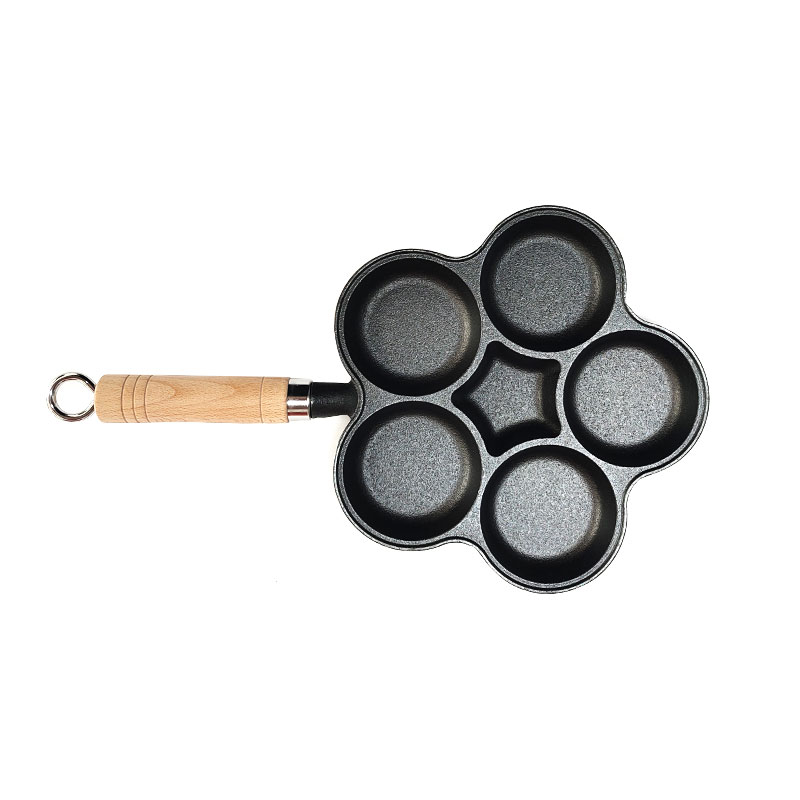
Implementing cast iron individual serving pots in boutique hotels in Mumbai and Delhi to serve sizzling starters or molten desserts directly from the stove to the table.

4. Acidic Gravy Cooking with Enamel

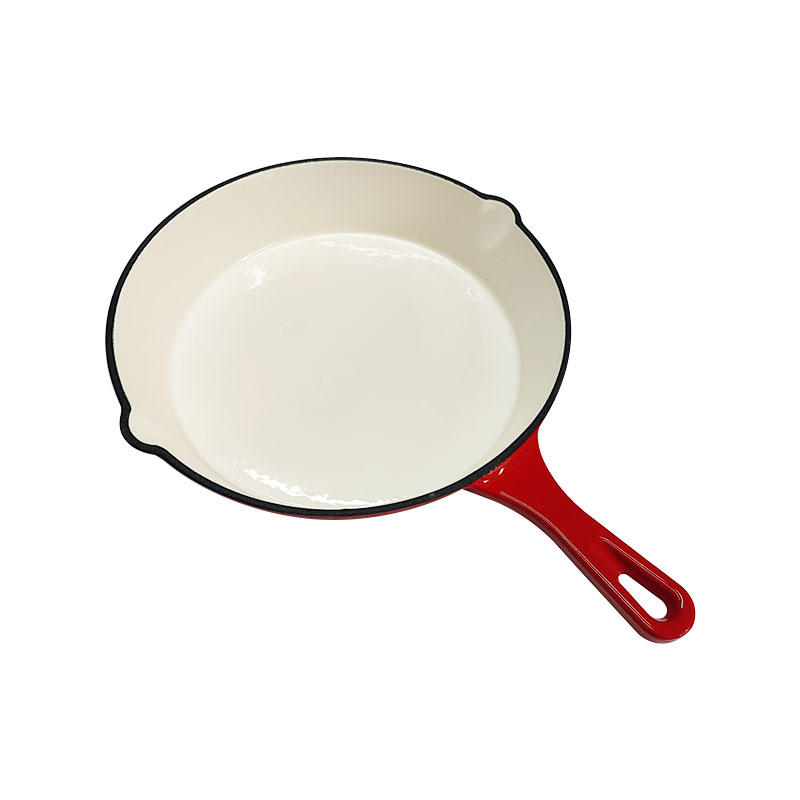
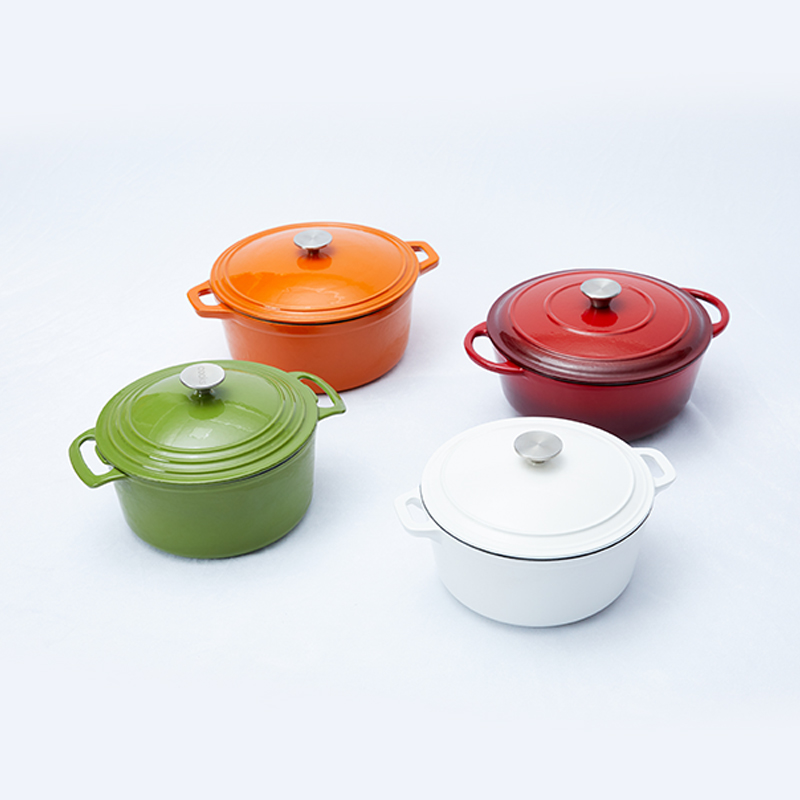
Using enamel pots and pans for tomato-based Goan fish curries or tamarind-heavy South Indian sambars, preventing the iron from reacting with acidic ingredients.

5. Heritage Restoration and Care

Educating new generations of home cooks on the art of curing cast iron pan using locally sourced mustard oil or ghee to create a natural, durable non-stick layer.

Brand Story

Global Development Journey of Hebei DB Cookware Technology Co., Ltd.

The Foundation of Precision

Founded on the principle of metallurgical excellence, we began by solving the common issue of uneven casting in traditional ironware.

Technological Breakthrough

We introduced advanced enamel fusing technology, allowing us to combine the strength of iron with the versatility of glass-ceramic coatings.

Global Expansion

Expanding beyond borders, we adapted our designs to meet the rigorous standards of international markets, from North America to Asia.

India Market Adaptation

Recognizing the unique needs of Indian cuisine, we optimized our product weights and thermal profiles for high-heat, long-duration cooking.

The Mission of Sustainability

Our current mission is to replace disposable non-stick coatings with lifelong cast iron solutions, promoting a sustainable, plastic-free kitchen.

Frequently Asked Questions for the Indian Kitchen

Expert answers to help you maintain and use your cast iron cookware.

How often should I be curing my cast iron pan in a humid climate?

In high-humidity regions like Mumbai or Chennai, we recommend a light maintenance cure every 3-4 uses. Always dry the pan completely on the stove before storing to prevent oxidation.

Can I use enamel pots and pans for acidic Indian curries?

Yes, that is the primary advantage of enamel. The glass coating creates a non-reactive barrier, making it perfect for tomato-based or tamarind-based gravies that would otherwise strip the seasoning from raw iron.

Is it safe to use cast iron skillet on grill for outdoor parties?

Absolutely. Our skillets are designed for extreme heat. When using them on a grill, preheat the skillet for 5-10 minutes to achieve professional searing results for tikkas and kebabs.

What are the benefits of cast iron individual serving pots for restaurants?

They provide exceptional heat retention, ensuring that food stays hot from the kitchen to the table. They also add a rustic, premium aesthetic that enhances the dining experience.

Do cast iron vessels work on Indian induction cooktops?

Yes, cast iron is naturally ferromagnetic. Our precision-ground bases ensure maximum contact with the induction surface for efficient energy transfer.

How do I remove burnt food from my enameled cast iron?

Avoid steel wool. Instead, simmer water and a small amount of baking soda in the pot for 10 minutes, then gently wipe away the residue with a soft sponge.

Upgrade Your Culinary Experience

Partner with the leading experts in cast iron manufacturing to bring professional-grade cookware to India.

Contact Us Now

Inquire Now for Cast Iron Cookware Deals

Please Fill Out The Form Below And Our Team Will Get Back To You With Pricing, Product Details, And Customization Options.

If you are interested in our products, you can choose to leave your information here, and we will be in touch with you shortly.