
wechat
WeChat
whatsapp
Email
up

Premium Solutions for enamel pots and pans in Belarus

Engineering high-thermal efficiency cast iron cookware tailored for the rigorous culinary demands of the Belarusian market.

The State of Cast Iron Cookware in Belarus

Analyzing the intersection of climatic needs and culinary traditions in the Belarusian market.

In Belarus, the culinary culture is deeply rooted in slow-cooking and hearty stews, which makes the use of cast iron vessels an essential part of the household. The cold continental climate necessitates cookware that can retain heat for extended periods, ensuring that meals remain warm during long winter evenings.

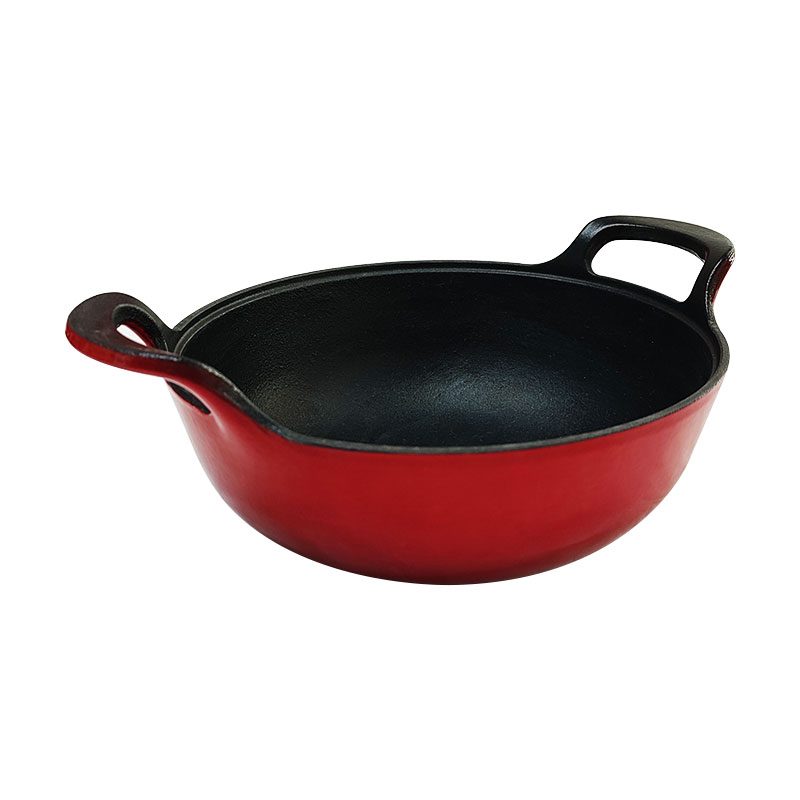
Current market trends show a shift from raw cast iron to enamel pots and pans. This transition is driven by the need for easier maintenance and the ability to cook acidic foods, such as traditional borscht, without the risk of metallic leaching or corrosive reactions.

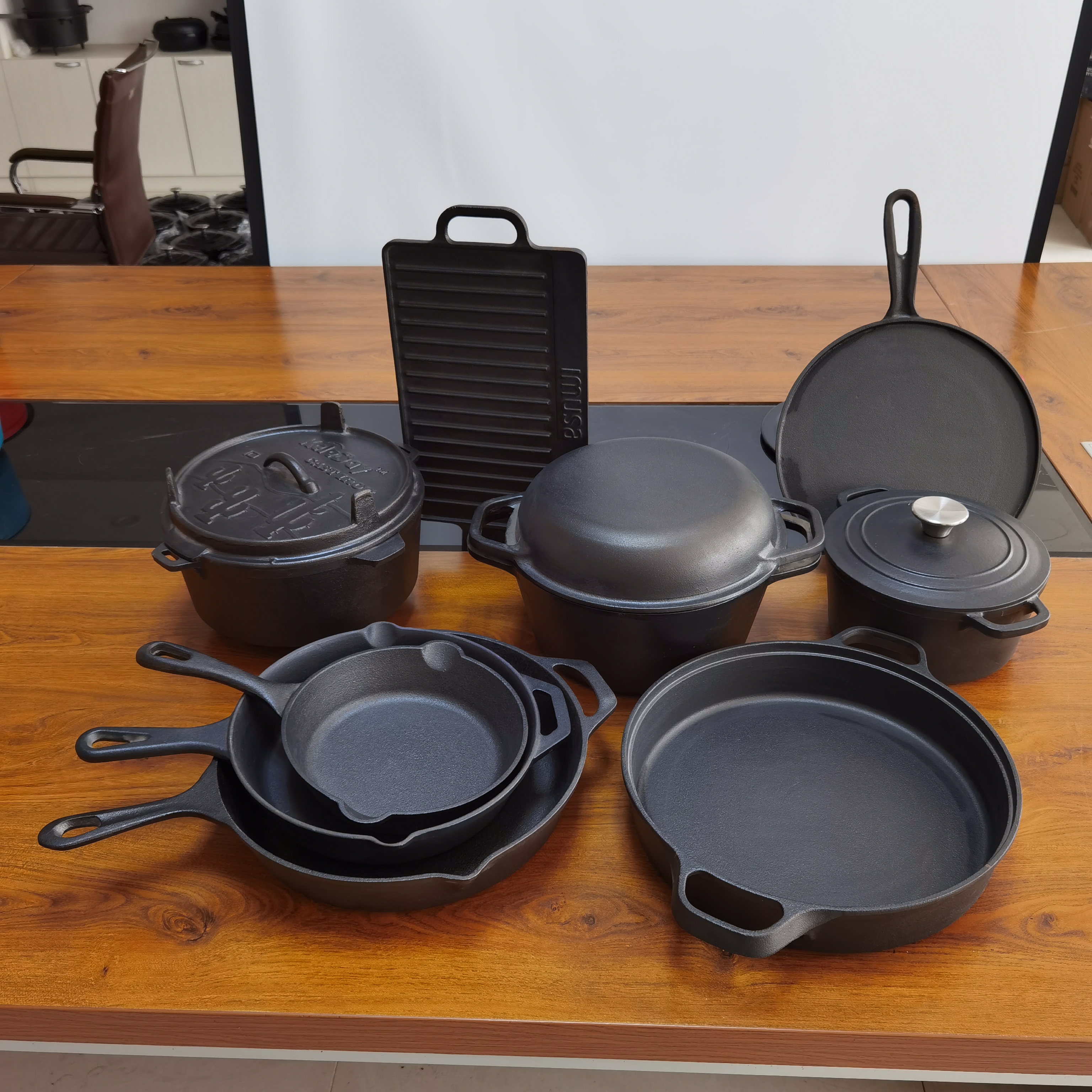
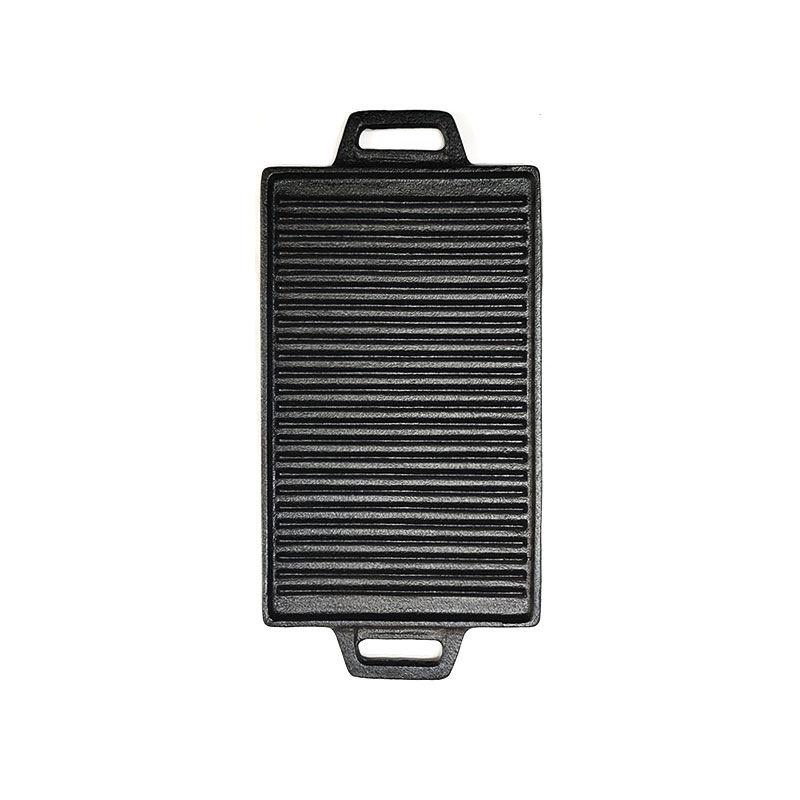
Furthermore, there is a growing interest in outdoor cooking during the brief but intense summer seasons. Many Belarusian homeowners are learning how to use cast iron skillet on grill setups to achieve authentic sear marks and deep flavor profiles in dacha gardens.
Evolution and Technical Trajectory of Ironware

From ancestral hearths to precision-engineered kitchenware.

Market Development History

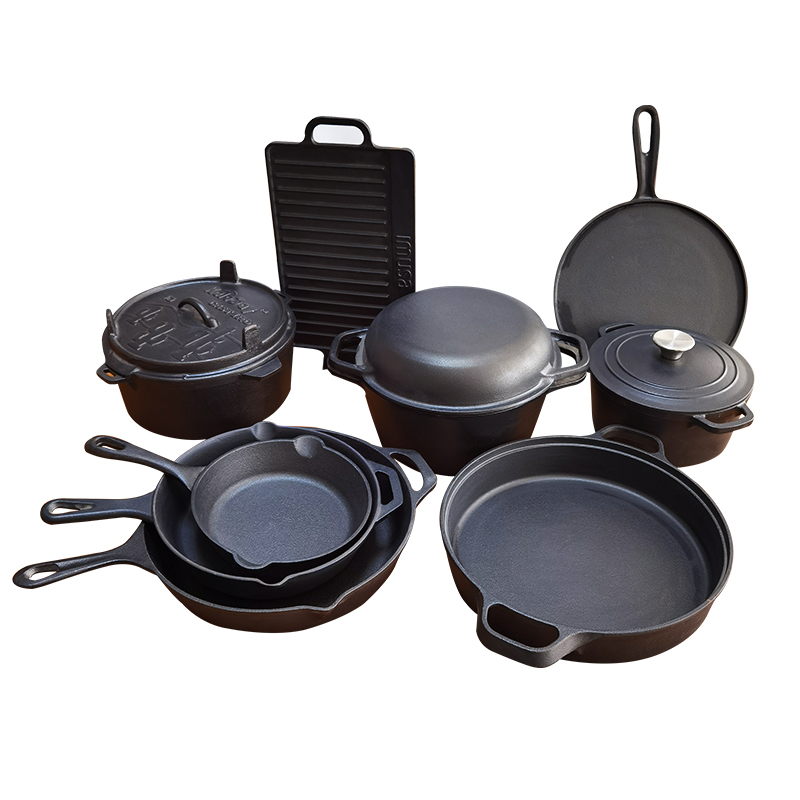
Historically, Belarusian cookware relied on heavy, sand-cast iron produced in local foundries. These tools were durable but required rigorous maintenance, specifically the art of curing cast iron pan surfaces using animal fats to create a natural non-stick layer.

Between 1990 and 2010, the industry saw an influx of lightweight aluminum, but the superiority of heat distribution in cast iron led to a resurgence. Manufacturers began implementing refined smelting processes to reduce porosity, making the vessels more hygienic and durable.

In the last decade, the integration of vitreous enamel coatings has revolutionized the market, allowing for vibrant colors and a glass-like finish that eliminates the need for constant seasoning while maintaining the thermal mass of the iron core.

Future Development Trends

Nano-Enamel Integration

The next phase involves nano-scale enamel coatings that are virtually chip-proof, catering to the high-intensity use found in commercial Belarusian kitchens.

Precision Weight Reduction

Engineering focus is shifting toward "light-weight" cast iron that maintains heat retention but reduces the physical strain on the user during handling.

Modular Design for Versatility

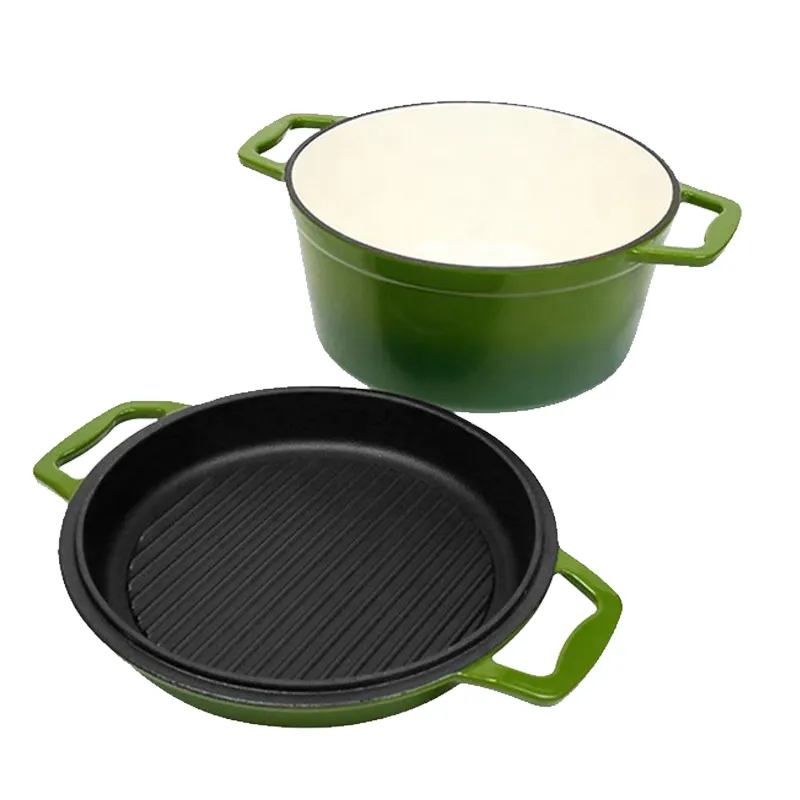
We anticipate a rise in multi-functional sets, including cast iron individual serving pots that move seamlessly from the oven to the dining table.

Industry Outlook and Future Strategic Trends

Forecasting the shift in metallurgical standards for European cookware.

Eco-Friendly Smelting
Implementing recycled iron scrap and low-emission furnaces to meet EU environmental standards.
Induction Optimization
Optimizing the base flatness and magnetic permeability for the rapid adoption of induction hobs.
Smart Thermal Coating
Developing coatings that change color slightly to indicate the optimal searing temperature.
Ergonomic Handle Design
Redesigning grips for better leverage and heat dissipation, reducing risk of burns.

Industry Outlook

Based on Google Search trends in Eastern Europe, there is a significant uptick in queries regarding "sustainable kitchenware" and "lifetime products." This indicates that consumers in Belarus are moving away from disposable non-stick pans toward heirloom-quality ironware.

The next 3-5 years will see a convergence of professional restaurant standards and home cooking, where specialized items like cast iron individual serving pots become staples for high-end home dining and boutique hospitality in Minsk.

Localized Application Scenarios in Belarus

Real-world integration of cast iron technology in Belarusian homes and businesses.

1. Traditional Winter Stewing

Utilizing heavy-bottomed enamel pots to simmer Draniki-inspired stews over low heat for 4+ hours, ensuring perfectly tender results throughout the winter.

2. Dacha Summer Grilling

Learning to use cast iron skillet on grill for outdoor breakfast cooking, utilizing the intense heat of charcoal to sear fresh local produce.

3. Boutique Hotel Plating

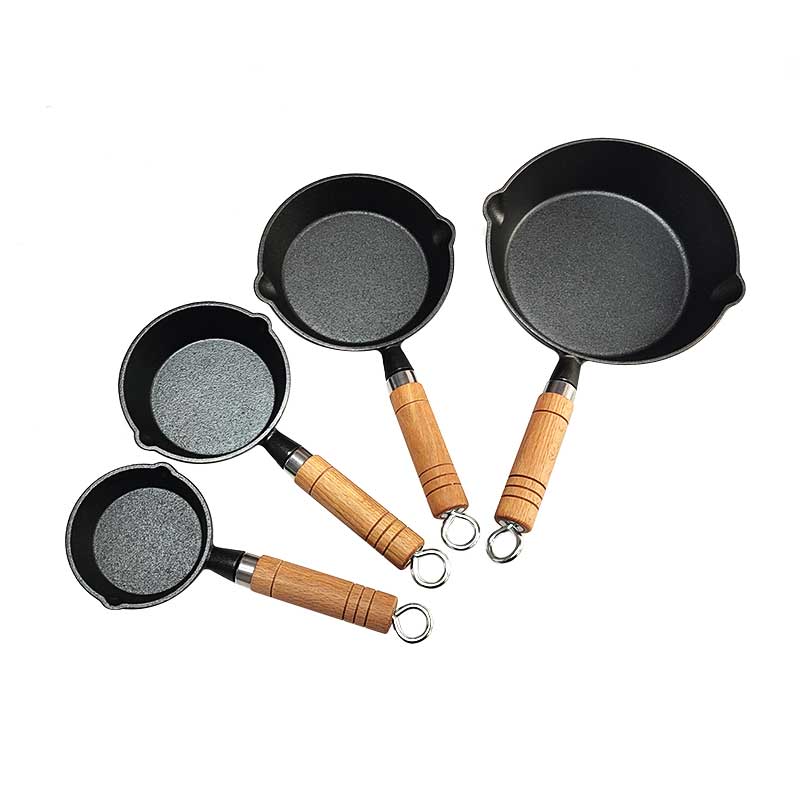
Using cast iron individual serving pots in Minsk's upscale restaurants to serve sizzling appetizers, maintaining temperature from kitchen to table.

4. Heritage Pan Restoration

Applying modern techniques for curing cast iron pan surfaces to restore heirloom cookware passed down through generations of Belarusian families.

5. Acidic Food Preparation

Employing high-grade enamel pots and pans to cook tomato-based sauces and vinegary pickles without affecting the flavor of the food.

Brand Story

Global Development History of Hebei DB Cookware Technology Co., Ltd.

Foundational Metallurgy

Established with a vision to master the art of iron casting, focusing on purity and thermal consistency in the early stages.

Enamel Innovation

Pioneered the integration of high-temperature vitreous enamel, solving the age-old problem of rust and reactivity in cast iron.

Global Expansion

Expanded our reach into the European market, adapting designs to meet the specific culinary needs of regions like Belarus.

Quality Certification

Achieved international food-safety and durability certifications, ensuring every piece is safe for multi-generational use.

Sustainability Future

Committing to a zero-waste production cycle, ensuring the future of the planet is as durable as our cookware.

Belarus Cookware FAQ

Expert answers to common questions regarding cast iron maintenance and use.

How often should I be curing cast iron pan surfaces?

For non-enamel pans, we recommend a light curing session after every few uses if you notice the surface losing its sheen, or a full cure once every few months to maintain the non-stick barrier.

Can I use enamel pots and pans on an induction stove?

Yes, our enamel-coated cast iron is highly compatible with induction cooktops due to the magnetic properties of the iron core, providing efficient and fast heating.

Is it safe to use cast iron skillet on grill for high-heat searing?

Absolutely. Cast iron is designed for extreme heat. Just ensure you preheat the skillet slowly to avoid thermal shock, especially in cold Belarusian outdoor temperatures.

What is the best way to clean cast iron individual serving pots?

Use warm water and a soft brush. For enamel versions, mild soap is fine. For raw iron, avoid soap and dry immediately to prevent rust.

Why choose cast iron vessels over stainless steel for stews?

Cast iron provides superior heat retention and distribution, preventing "hot spots" and allowing for a slow, even simmer that is critical for traditional Belarusian slow-cooking.

How do I prevent enamel from chipping in commercial use?

Avoid using metal utensils on the enamel surface; instead, use silicone or wood. Additionally, avoid sudden temperature changes (like plunging a hot pot into ice water).

Request a Professional Consultation

Get customized cast iron manufacturing solutions for your business in Belarus.

Contact Us Now

Inquire Now for Cast Iron Cookware Deals

Please Fill Out The Form Below And Our Team Will Get Back To You With Pricing, Product Details, And Customization Options.

If you are interested in our products, you can choose to leave your information here, and we will be in touch with you shortly.