
wechat
WeChat
whatsapp
Email
up

Professional Solutions for Enamel Pots and Pans in Uruguay

Elevating South American culinary traditions with high-performance cast iron technology designed for durability and precision.

The State of Cast Iron Cookware in Uruguay

Analyzing the intersection of "Asado" culture and modern kitchenware demands.

In Uruguay, the culinary landscape is dominated by a deep-rooted passion for open-fire cooking. The demand for cast iron vessels is exceptionally high due to their ability to withstand the intense heat of traditional Parrillas, making them essential for both commercial steakhouses and home kitchens.

However, the humid Atlantic climate of the region poses a significant challenge: oxidation. Many local consumers struggle with rust, increasing the market need for professional guidance on curing cast iron pan surfaces to create a natural, non-stick barrier that resists the salty coastal air.

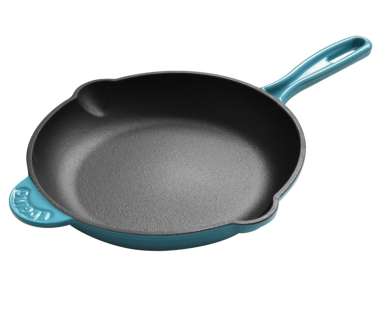
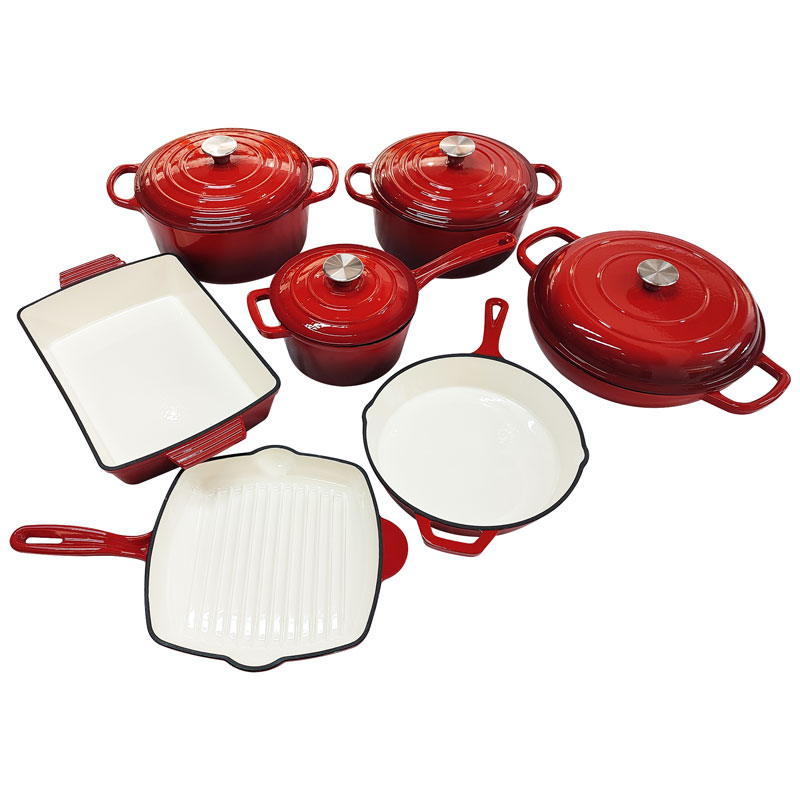
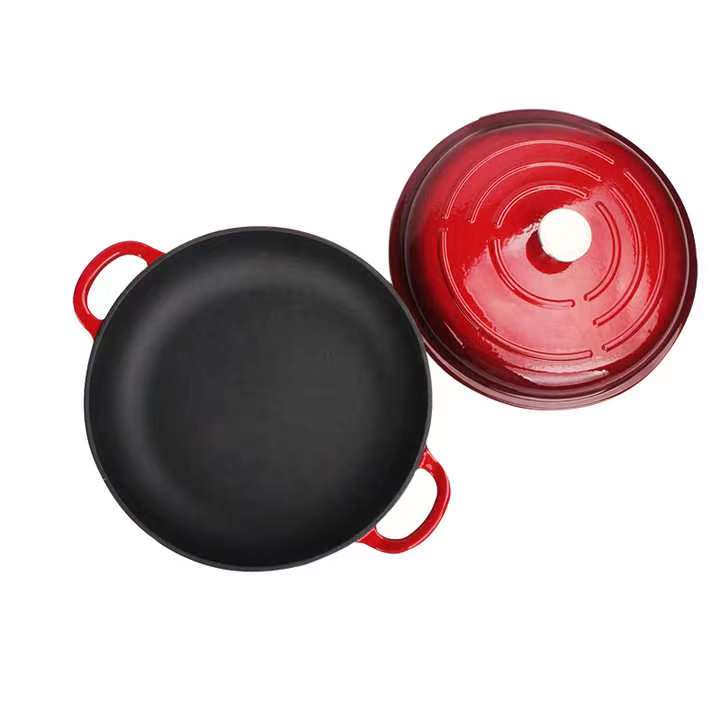
While traditional heavy pans remain popular, there is a growing shift toward versatility. Modern Uruguayan chefs are increasingly integrating enamel pots and pans to handle acidic ingredients like wine-based reductions and tomato sauces, which would otherwise react with raw cast iron.
Evolution of Metalware Manufacturing

From artisanal smelting to precision engineering for the South American market.

Market Development History

Until the late 20th century, the Uruguayan market relied heavily on heavy, artisanal cast iron produced in small batches. These pieces were durable but lacked thermal uniformity, often resulting in "hot spots" that could burn food during slow-cooking processes.

Between 2000 and 2015, the industry transitioned toward standardized industrial casting. The introduction of refined iron alloys reduced porosity, making the cast iron vessels lighter without sacrificing the heat capacity required for professional searing.

In the last decade, the focus has shifted to surface science. The integration of vitreous enamel coatings and advanced pre-seasoning techniques has allowed these tools to move from the outdoor grill to the indoor induction cooktop seamlessly.

Future Development Trends

Eco-Friendly Smelting

Integration of recycled metal scrap and low-emission furnaces to meet South America's tightening environmental regulations.

Hybrid Material Integration

Development of lightweight cast iron cores with high-grade enamel exteriors to reduce wrist strain in commercial kitchens.

Smart Thermal Mapping

Using AI-driven mold design to ensure 100% heat distribution accuracy, eliminating cold zones in large-scale pans.

Industry Trends and Future Outlook

Strategic projections for the cast iron sector in the Southern Cone.

Outdoor Culinary Synergy
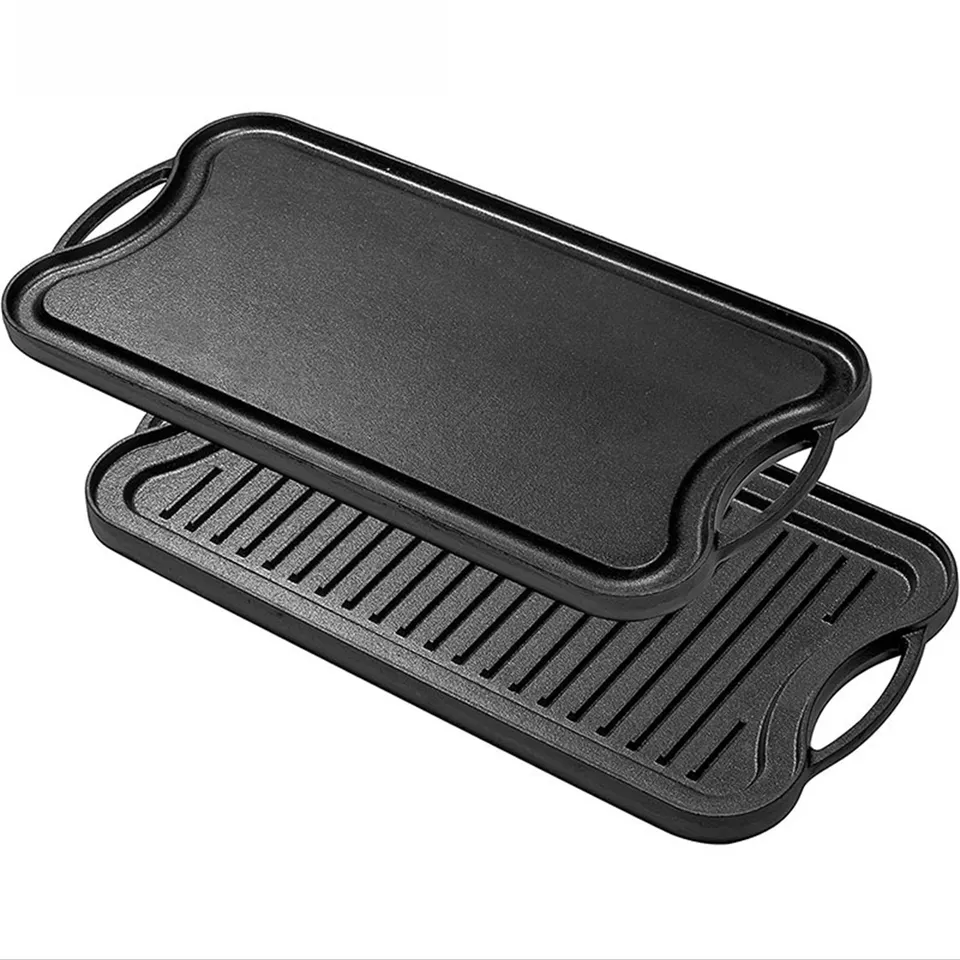
Increased demand to use cast iron skillet on grill setups for authentic Uruguayan BBQ experiences.
Gourmet Individualization
Rise of cast iron individual serving pots in high-end Montevideo restaurants for "farm-to-table" presentation.
Enamel Durability 2.0
Next-gen non-reactive coatings that combine the health benefits of iron with effortless cleaning.
Direct-to-Consumer Shift
Growth of e-commerce for specialized cookware, bypassing traditional retail for faster delivery in Uruguay.

Industry Outlook

Based on search trends, there is a marked increase in "sustainable kitchenware" queries. The future of cast iron in Uruguay lies in its image as a "lifetime tool," opposing the disposable nature of Teflon-coated pans.

We expect a surge in professional-grade home equipment as more Uruguayans adopt "slow food" movements, utilizing the high thermal mass of cast iron for authentic, low-temperature braising.

Localized Application Scenarios in Uruguay

Practical ways our cast iron solutions integrate into the Uruguayan lifestyle.

01. The Authentic Parrilla Experience

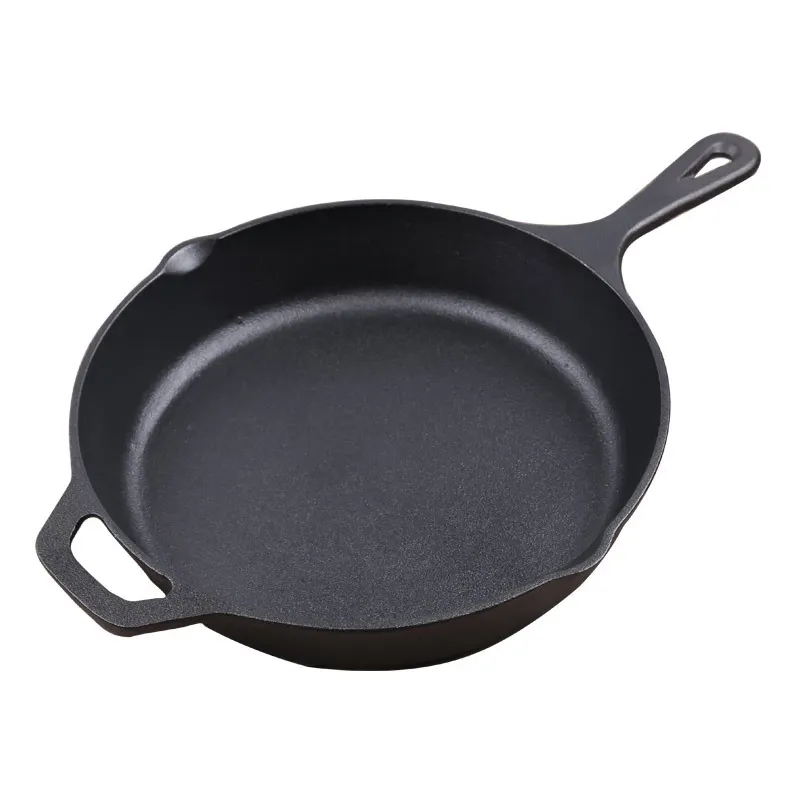
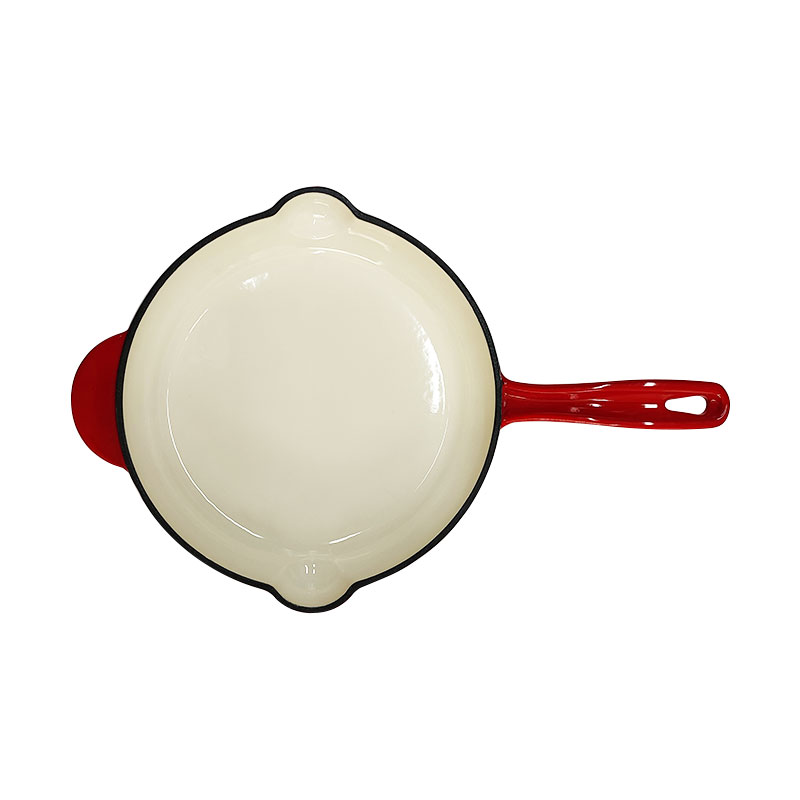
Using a heavy-duty skillet to sear premium beef cuts directly on the coals, leveraging the ability to use cast iron skillet on grill for an unmatched Maillard reaction.

02. Traditional Stews and Guisos

Utilizing large cast iron vessels for slow-cooking winter guisos, ensuring that heat is distributed evenly over several hours of simmering.

03. Modern Bistro Plating

Implementing cast iron individual serving pots in Montevideo's trendy bistros to keep appetizers sizzling from the kitchen to the customer's table.

04. Acidic Sauce Mastery

Employing enamel pots and pans for preparing Chimichurri-based reductions and wine sauces without altering the flavor profile of the food.

05. Coastal Kitchen Preservation

Applying professional curing cast iron pan techniques to prevent salt-air corrosion in beachfront homes in Punta del Este.

Brand Story

Global Development Journey of Hebei DB Cookware Technology Co., Ltd.

Founding Excellence

Established with a mission to solve the instability of heat distribution in mass-produced ironware through advanced metallurgical research.

Technical Breakthrough

Developed a proprietary enamel fusing process that eliminates chipping, solving the primary pain point of enamel cookware longevity.

Global Expansion

Expanded operations to South America, tailoring product weights and thermal properties to the specific grilling cultures of the region.

Quality Certification

Achieved international food-grade certifications, ensuring that our cast iron is free from harmful impurities and safe for all diets.

Sustainable Future

Committing to carbon-neutral manufacturing processes to protect the planet while providing tools for generational cooking.

Uruguayan Cast Iron Cookware FAQ

Expert answers to common questions about cast iron maintenance and usage.

How often should I perform curing cast iron pan maintenance in humid climates?

In coastal areas like Uruguay, we recommend a light curing layer after every few uses to ensure the moisture from the Atlantic air doesn't penetrate the seasoning.

Is it safe to use cast iron skillet on grill for high-temperature searing?

Yes, our vessels are engineered for extreme heat. Using them on a grill is ideal for achieving a professional crust on meats while maintaining heat stability.

What are the benefits of enamel pots and pans over raw cast iron for stews?

Enamel provides a non-reactive surface, meaning you can cook acidic ingredients (like tomato or wine) without the pan stripping its seasoning or altering the food's taste.

Can I use cast iron individual serving pots in a commercial oven?

Absolutely. These pots are designed for the "oven-to-table" workflow, retaining heat significantly longer than ceramic or stainless steel alternatives.

Which cast iron vessels are best for slow-cooking Uruguayan beef?

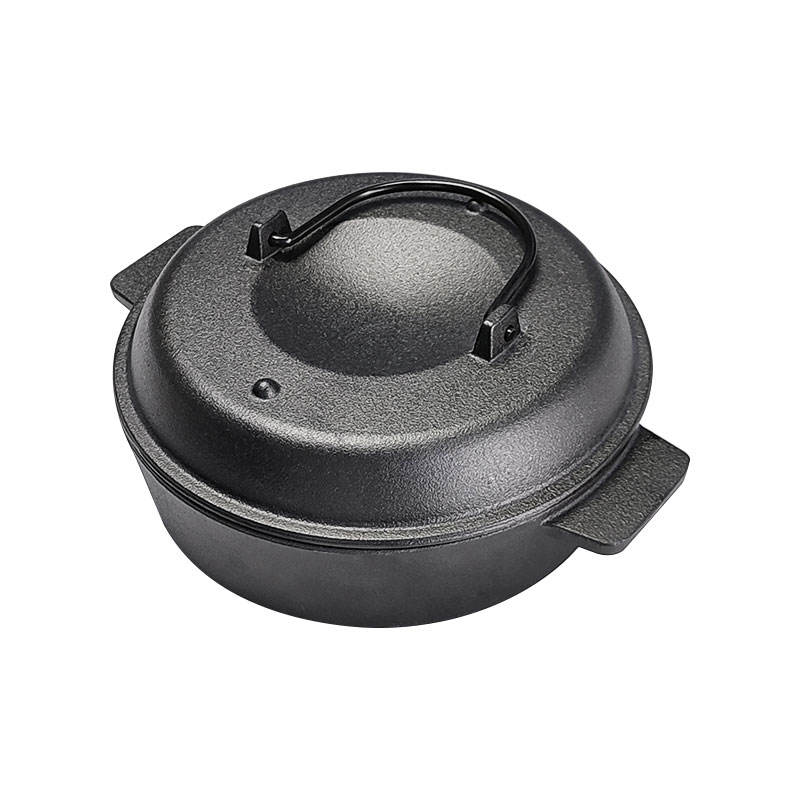
We recommend deep Dutch ovens or heavy-bottomed pots with tight-fitting lids to lock in moisture during the braising process.

How do I remove rust from an old cast iron pan without damaging it?

Scrub the rust with steel wool and mild soap, dry immediately on heat, and perform a full oven-seasoning cycle to restore the protective layer.

Partner With The Cast Iron Experts

Ready to upgrade your culinary hardware? We provide industrial-scale supply and customized OEM solutions for the market in Uruguay.

Contact Us Now

Inquire Now for Cast Iron Cookware Deals

Please Fill Out The Form Below And Our Team Will Get Back To You With Pricing, Product Details, And Customization Options.

If you are interested in our products, you can choose to leave your information here, and we will be in touch with you shortly.