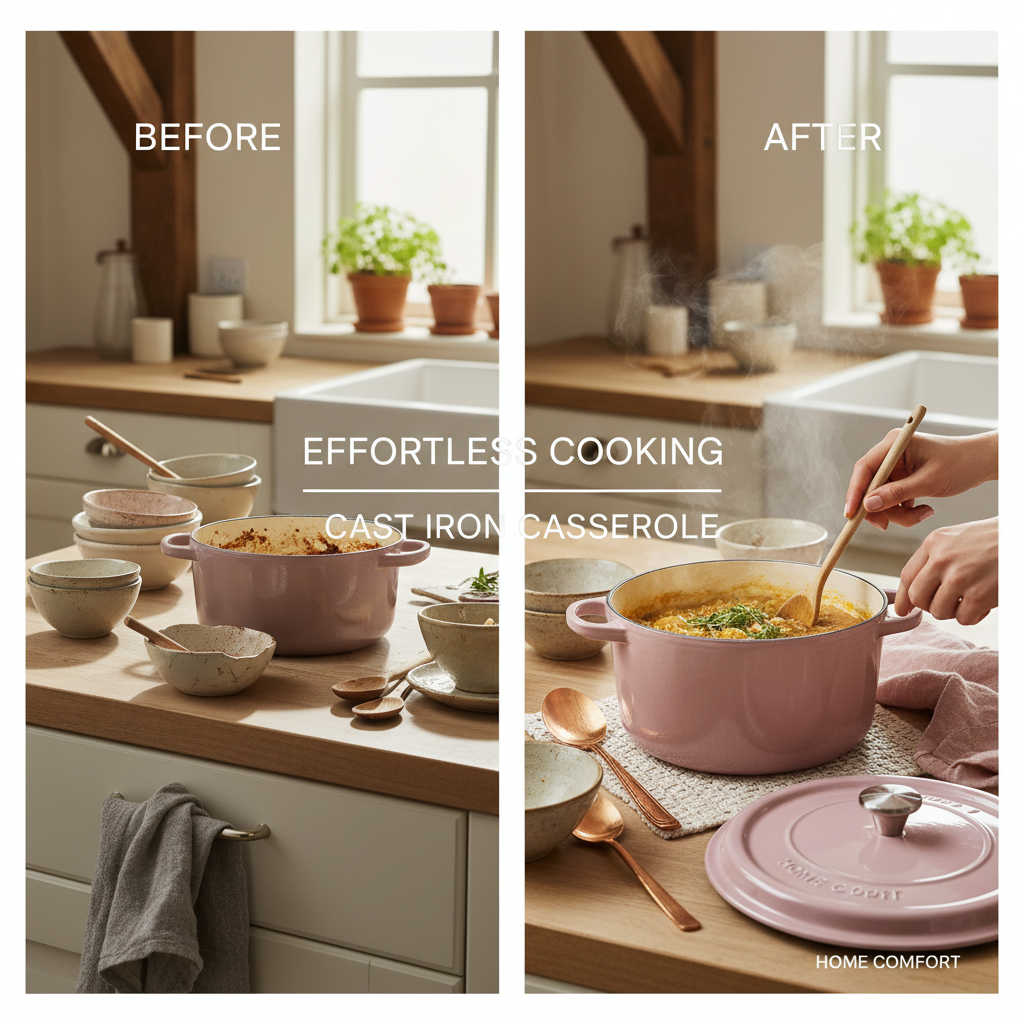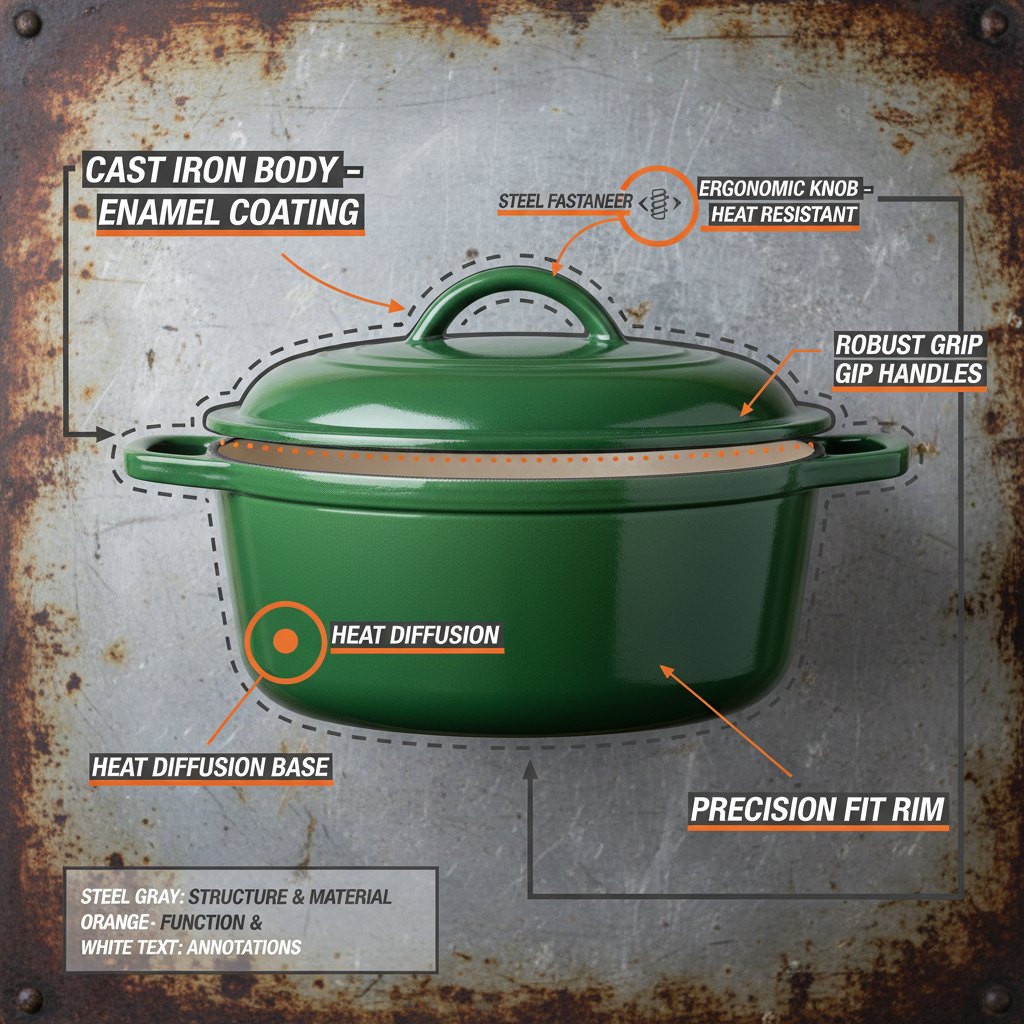


Look, I've spent years knee-deep in dust and concrete, watching projects rise from the ground. And if there’s one thing I've learned, it’s that having the right tools makes or breaks a job. That's where a good casserole cast iron pot comes in – it’s not just for Grandma’s Sunday dinner anymore. It’s a workhorse, a piece of kit you can rely on, day in and day out. We're talking durability, heat retention, even cooking – things a construction crew can appreciate when they’re relying on a hot meal after a 12-hour shift.
I’ve seen too many flimsy pots buckle under pressure, or worse, unevenly cook a stew leaving some guys with barely warm food. Time is money on a site, and nobody wants to be messing around with kitchen equipment when there's work to be done. A properly seasoned casserole cast iron pot delivers consistently, minimizing hassle and maximizing efficiency, even in a makeshift camp kitchen. It’s about quality, reliability, and feeding the team – and a well-fed team is a productive team.
These aren’t delicate pieces you’re babysitting. We’re talking about tools that can withstand rough handling, open flames, and everything in between. A decent casserole cast iron pot is an investment, and one that pays for itself in time saved and morale boosted.
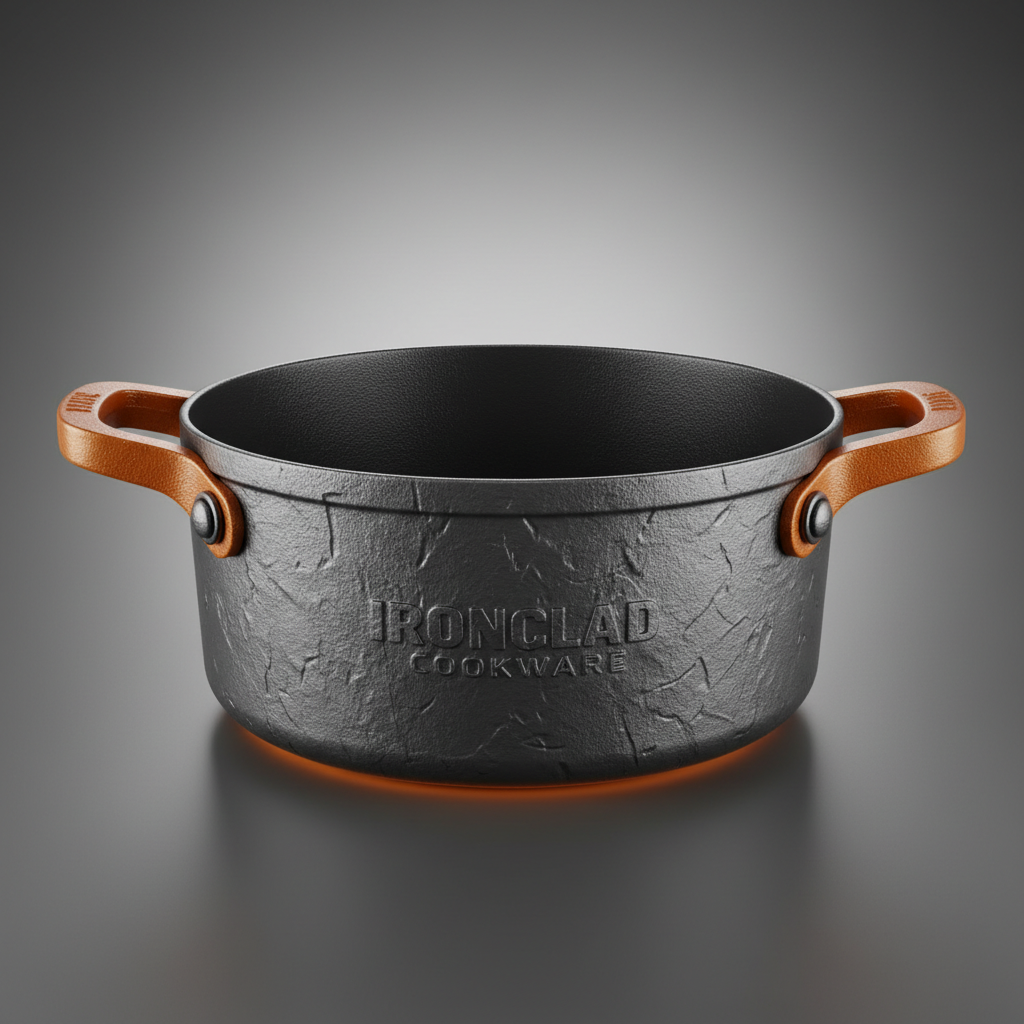
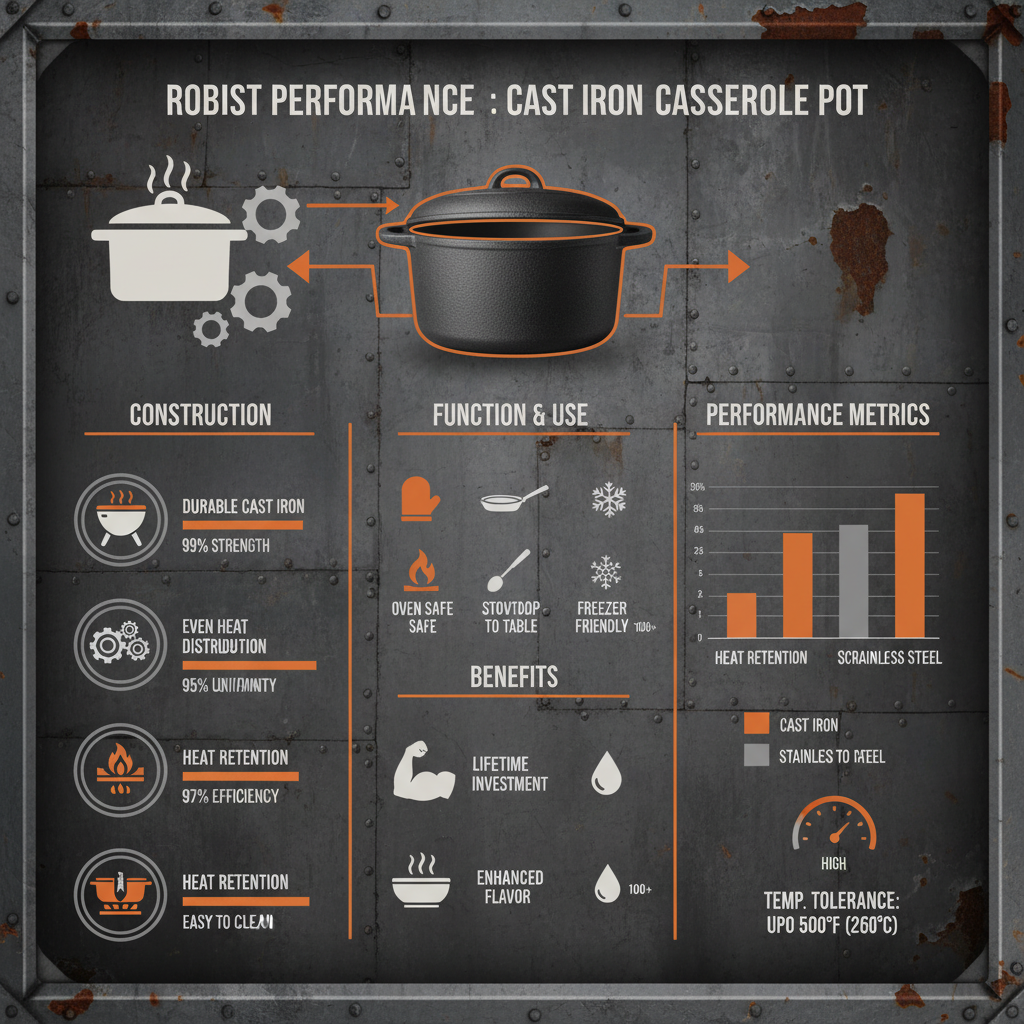
A casserole cast iron pot isn't just cookware; it's a legacy. It’s about slow cooking, even heating, and a depth of flavor you just don’t get with modern non-stick stuff. I've seen these things passed down through generations, getting better with age. They’re built to last, plain and simple.
What sets a casserole cast iron pot apart is its ability to retain heat, meaning you can cook efficiently, even with fluctuating heat sources. On a site where power isn’t always guaranteed, that's a huge advantage. It’s about dependability.
Seasoning is crucial. Start by cleaning the pot thoroughly. Then, coat it thinly with a high smoke-point oil (like flaxseed or canola) and bake it upside down in a 400°F oven for an hour. Repeat several times to build up a good base layer. This creates a natural non-stick surface and protects against rust. It's not a quick process, but trust me, it's worth the effort. Don't go overboard with the oil – thin layers are key.
For years, people said no, but modern dish soaps are gentler. A little bit of mild dish soap won’t ruin your seasoning, especially if you re-season afterwards. The real enemy is prolonged soaking in soapy water. Dry it immediately and lightly oil it after washing. Avoiding harsh detergents and abrasive scrubbers is still a good idea.
The key is keeping it dry. After washing, dry it immediately and thoroughly. Then, apply a very light coat of oil. Storing it in a dry place is also essential. If rust does appear, scrub it off with steel wool, then re-season the pot. Prevention is always better than cure, though. A well-seasoned pot is far less prone to rust.
You can use your casserole cast iron pot on most stovetops – gas, electric, even induction. However, avoid drastic temperature changes (like putting a hot pot in cold water) as this can cause it to crack. Metal utensils are fine, but be gentle – avoid scraping aggressively. It's also oven-safe, which is a huge bonus.
Not necessarily. Weight often indicates thickness, which contributes to heat retention, but it also makes the pot harder to maneuver. A well-made, moderately weighted pot is often a good compromise. Look for consistent thickness throughout the pot, not just a thick bottom and thin sides. The quality of the iron matters more than sheer weight.
Enameled cast iron pots offer a few advantages. They don’t require seasoning, they’re easier to clean, and they don’t react with acidic foods. However, they can be more expensive and the enamel can chip if mistreated. A well-maintained seasoned pot can perform just as well, and many cooks prefer the traditional look and feel. The choice comes down to personal preference.
So, there you have it. The casserole cast iron pot is more than just a piece of cookware; it’s a workhorse, a heritage piece, and a reliable companion. It’s a testament to the idea that sometimes, the oldest methods are the best. Investing in a quality pot – and taking care of it – will pay dividends in years of delicious meals and dependable performance.
Don’t underestimate the value of a good casserole cast iron pot. It's a tool that rewards patience, provides exceptional results, and connects you to a long tradition of cooking. If you’re serious about cooking – whether you're on a construction site or at home – it's a worthwhile investment. Visit our website to explore our range of high-quality cast iron pots and find the perfect one for your needs.

Inquire Now for Cast Iron Cookware Deals
Please Fill Out The Form Below And Our Team Will Get Back To You With Pricing, Product Details, And Customization Options.

Debien is advancing with time, updating equipment, elaborately carving out our brand, focusing on developing high-end products, and actively responding to market demands with creativity.


QUICK LINKS
CONTACT US
Debien is advancing with time, updating equipment, elaborately carving out our brand, focusing on developing high-end products, and actively responding to market demands with creativity.
Copyright © 2026 HEBEI DEBIEN TECHNOLOGY CO., LTD. All Rights Reserved. Sitemap | Privacy Policy | Top Blog | Global Service