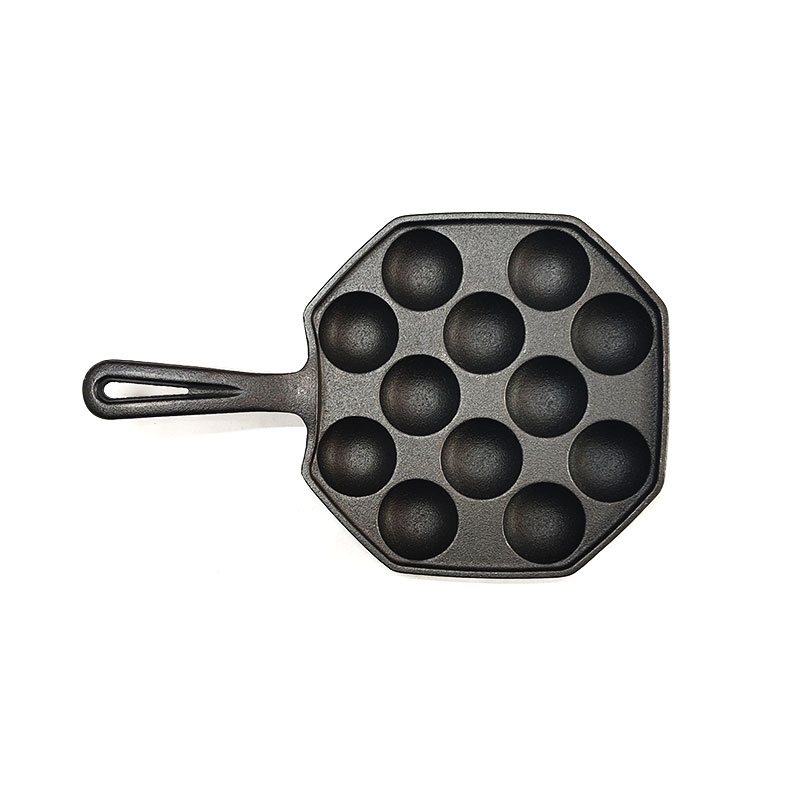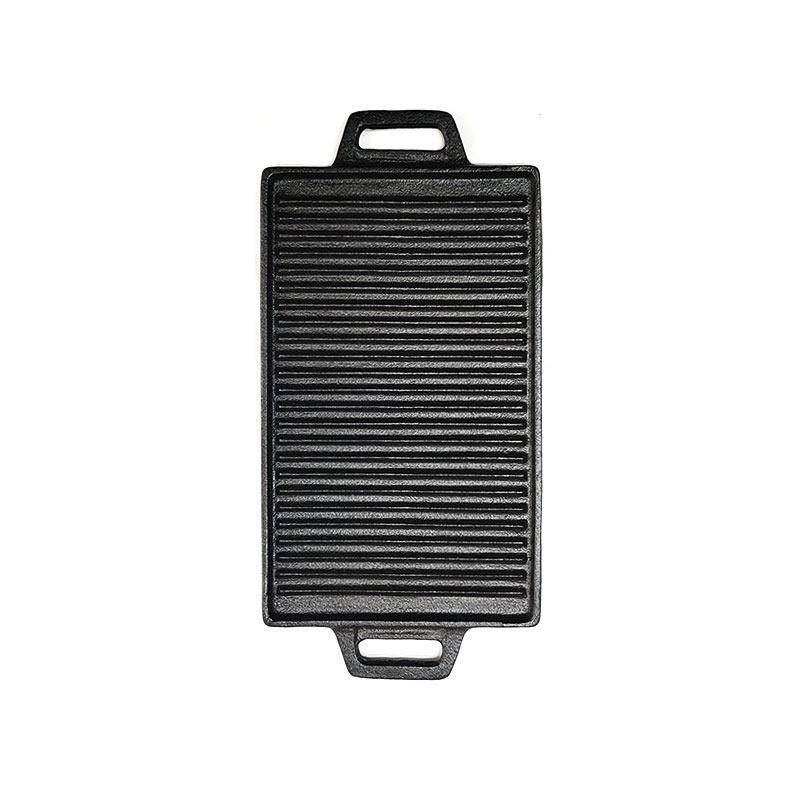





Professional Guide to Heavy Duty Cast Iron Skillet Price and Value
Selecting high-performance cookware requires a balance between material thermal properties and long-term durability. For commercial kitchens and home baking enthusiasts, the cast iron skillet stands out due to its unmatched heat retention and ability to create a natural non-stick surface through seasoning. Unlike thinner alternatives, a heavy-duty cast iron pan ensures that heat is distributed evenly across the base, which is critical for achieving the perfect sear on proteins or a golden-brown crust on dense cakes. Understanding the factors that influence the overall value of these tools allows procurement managers and chefs to make informed decisions based on operational needs rather than just initial cost.

The Technical Superiority of Cast Iron in Modern Culinary Applications
Cast iron is prized in the manufacturing of cookware for its exceptional thermal mass. In a professional environment, the ability of a pan to maintain a constant temperature despite the addition of cold ingredients is vital. This stability prevents the "temperature drop" commonly seen in aluminum or stainless steel, ensuring that food is seared instantly rather than steamed. The molecular structure of cast iron allows it to absorb and radiate heat intensely, making it an ideal choice for high-temperature roasting and frying.
Furthermore, the seasoning process—the polymerization of fats—creates a hydrophobic layer that improves release. Our production process focuses on creating a surface that becomes more non-stick with every use, eliminating the need for synthetic chemical coatings that degrade over time. This natural evolution of the cooking surface makes cast iron one of the most sustainable and healthy choices for human health and environmental protection.

Optimizing Baking Results with Heavy-Bottomed Cast Iron Cookware
When transitioning from stovetop searing to oven baking, cast iron provides a unique advantage in moisture retention. For baking moist, golden cakes, the thickened bottom of the pan acts as a heat reservoir, locking in temperature and ensuring the center of the cake cooks through without burning the edges. To achieve bakery-worthy results, we recommend preheating the pan in the oven and reducing the recipe temperature by approximately 15°C compared to aluminum pans, as the intense heat retention can lead to over-browning if not adjusted.
- Even Heating: Thick walls prevent hot spots, resulting in a uniform crumb structure.
- Caramelization: Steady heat release promotes the Maillard reaction for a professional finish.
- Versatility: From deep-dish quiches and skillet cookies to Dutch baby pancakes, the depth and heat capacity accommodate diverse recipes.
Strategic Comparison: Cast Iron vs. Aluminum for Professional Use
Choosing between cast iron and aluminum depends entirely on the intended culinary outcome. Aluminum is characterized by rapid heat transfer and light weight, which is beneficial for delicate tasks like angel food cakes. However, it is prone to warping under high heat and lacks the stability required for heavy-duty searing. In contrast, cast iron excels in stability and longevity, offering a lifespan that can span generations if properly maintained.
For dense, moist cakes such as pound cakes, the steady heat of cast iron is superior. While the weight of the pan is higher, this mass ensures the pan remains flat on the induction cooker or gas range, providing a consistent contact point. When evaluating the cast iron skillet price, buyers should consider the "cost-per-use" ratio, as the durability of cast iron far exceeds that of disposable non-stick aluminumware.
Performance Analysis and Selection Criteria
| Feature | Cast Iron | Aluminum | Stainless Steel | Non-Stick Coating |
|---|---|---|---|---|
| Heat Retention | Very High | Low | Medium | Low |
| Durability | Lifetime | Moderate | High | Short-term |
| Non-Stick Method | Polymerized Oil | Chemical Coating | Surface Polish | PTFE/Ceramic |
| Primary Use Case | Searing/Baking | Quick Heating | Deglazing/Sauces | Low-fat Cooking |
| Maintenance | Seasoning Req. | Easy Clean | Moderate | Delicate Handle |
Manufacturing Excellence and Quality Control Standards
High-quality cast iron production requires rigorous control over the smelting and molding processes. Utilizing advanced equipment such as automatic vertical parting-type box-free injection molding lines and induction furnaces ensures that the metal density is consistent, reducing the risk of porosities or cracks. Our facility employs BRUKER spectrometers and digital display hydraulic universal testing machines to verify the metallurgical composition of every batch, ensuring the product meets ISO9001, FDA, and LFGB standards.
The finishing process is where value is truly added. Whether utilizing a vegetable oil seasoning line or a specialized enamel line, the goal is to create a surface that is safe for food contact and highly resistant to corrosion. By integrating CNC lathes and machining centers, we ensure that the pan bottoms are perfectly flat, making them fully compatible with induction cookers, gas ranges, and open fires.
Procurement Guidance for B2B Cookware Sourcing
For distributors and commercial buyers, the focus should shift from basic specifications to supplier reliability and customization capabilities. When sourcing at scale, it is essential to evaluate the manufacturer's ability to maintain consistency across thousands of units. A supplier with integrated enamel and oil lines can offer a broader product range—from seasoned skillets to enameled Dutch ovens—reducing the complexity of the supply chain.
Furthermore, consider the logistics of weight and packaging. Since cast iron is heavy, optimized packaging is necessary to prevent damage during international transit. We recommend buyers focus on certifications such as BSCI for social responsibility and FDA for safety, ensuring that the products can be seamlessly integrated into global markets without regulatory hurdles.
Expert Insights on Cast Iron Cookware
Why is cast iron considered more healthy than coated pans?
Cast iron uses a natural seasoning process of polymerized vegetable oils, which avoids the use of PFOA or PTFE chemicals found in many synthetic non-stick coatings, making it environmentally friendly and safe for the human body.
Can these skillets be used on induction cooktops?
Yes, due to their ferromagnetic properties and our precision machining that ensures a flat bottom, our cast iron pans are compatible with induction, gas, and open-fire heat sources.
How do I maintain the non-stick properties of a seasoned pan?
Avoid using harsh soaps or soaking the pan in water for long periods. Simply rinse with warm water, dry immediately, and apply a light layer of cooking oil before storage to maintain the polymerized layer.
What is the difference between seasoned and enameled cast iron?
Seasoned cast iron requires oil maintenance to prevent rust and create a non-stick surface, while enameled cast iron has a glass-like coating that is non-reactive and does not require seasoning.
What factors affect the wholesale price of cast iron skillets?
Pricing is primarily influenced by the weight of the metal, the type of surface treatment (seasoning vs. enamel), the precision of the machining, and the volume of the order.
Are these pans suitable for high-temperature oven baking?
Absolutely. Cast iron is designed for extreme heat and is ideal for oven-to-table applications, including baking dense cakes, breads, and roasting meats.
Industry Standards and Technical References
- ISO 9001 Quality Management Systems for Manufacturing
- FDA Food Contact Substance Regulations
- LFGB Food Grade Material Standards
- BSCI Social Compliance Audit Framework
Whether you are upgrading a commercial kitchen or expanding a retail product line, choosing a manufacturer with integrated production capabilities ensures quality and consistency. For detailed pricing and customization options, please contact our technical team.
Related Professional Cookware Solutions