
The culinary world has seen a resurgence in traditional cookware, with the cast iron casserole dish with lid standing as a testament to enduring quality and thermal efficiency. Unlike modern non-stick alternatives, these heavy-duty vessels offer a unique combination of heat retention and versatility that allows home cooks to transition seamlessly from the stovetop to the oven. Understanding the mechanics of cast iron is essential for anyone looking to elevate their slow-cooking and braising game.
Across the globe, the demand for durable, sustainable kitchenware is growing, driven by a move away from "disposable" consumerism. The cast iron casserole dish with lid addresses this shift by providing a lifetime tool that actually improves with age. By creating a natural non-stick surface through seasoning, it eliminates the need for chemical coatings, making it a preferred choice for health-conscious households and professional chefs alike.
However, the perceived weight and maintenance requirements often intimidate beginners. The key to mastering the cast iron casserole dish with lid lies in understanding its material properties—specifically how its high thermal mass ensures even heat distribution, preventing the "hot spots" common in thinner aluminum or stainless steel pots.
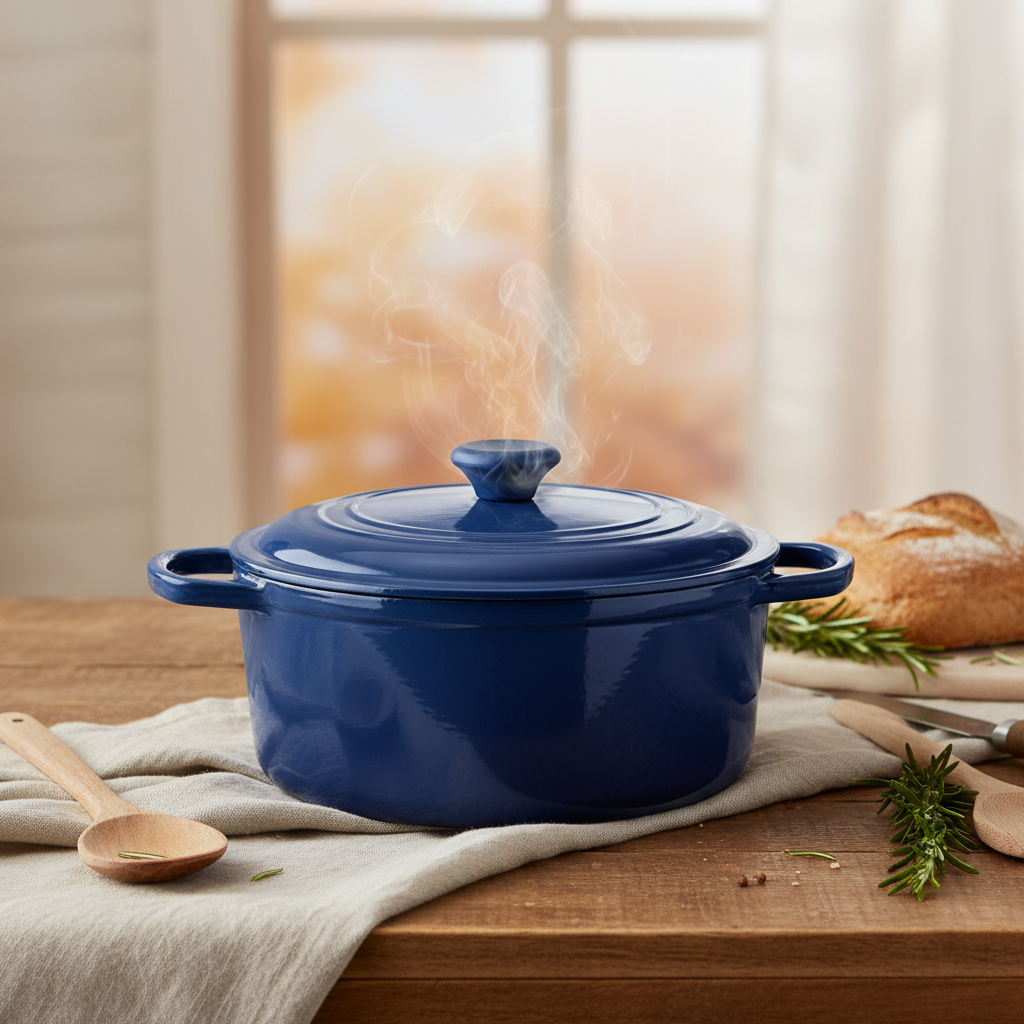
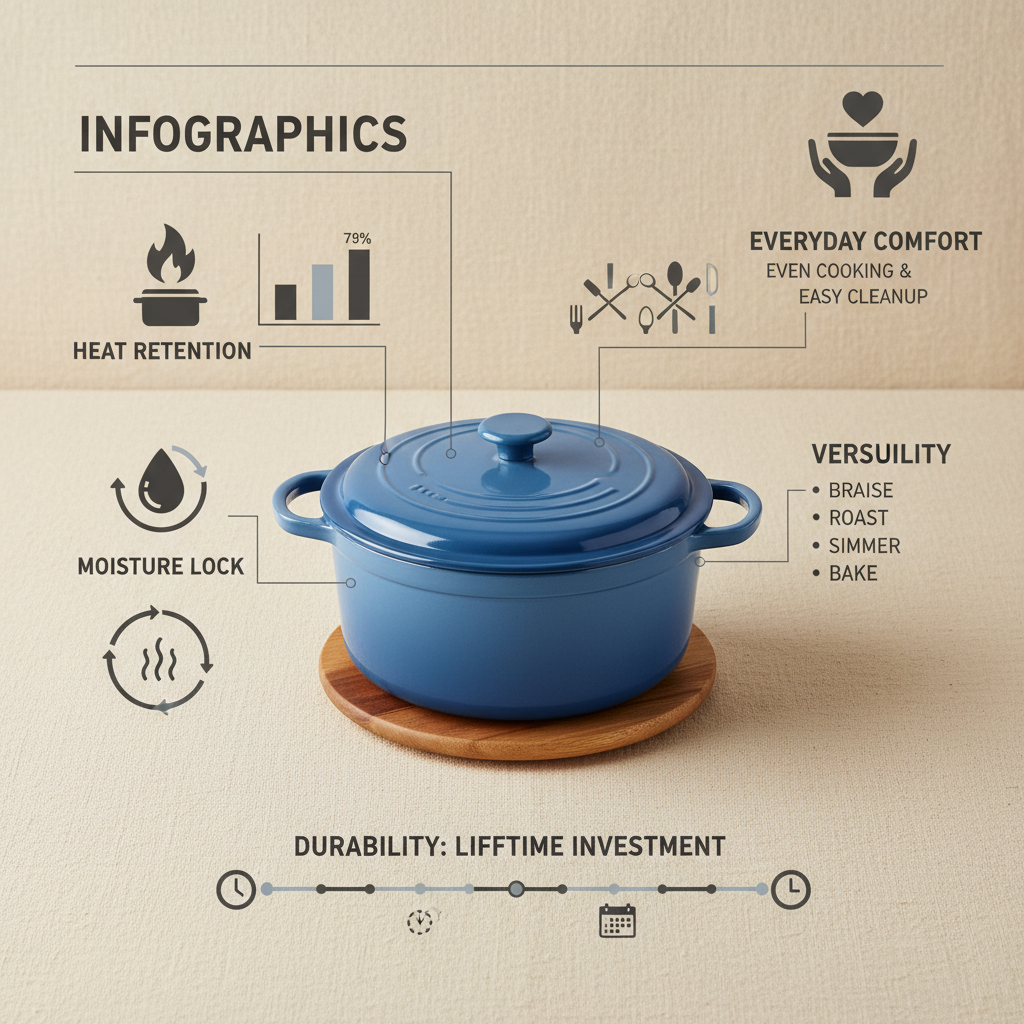
The primary appeal of a cast iron casserole dish with lid is its exceptional thermal mass. In metallurgical terms, cast iron is an alloy of iron and carbon, which allows it to absorb a significant amount of heat energy and release it slowly and evenly. This prevents the food from scorching and ensures that thick cuts of meat are cooked through without drying out the exterior.
Furthermore, the tight-fitting lid creates a sealed environment that traps steam and moisture. This "self-basting" effect is critical for slow-cooked stews and braises, as the condensed liquid drips back onto the ingredients, intensifying flavors and maintaining tenderness over several hours of cooking.
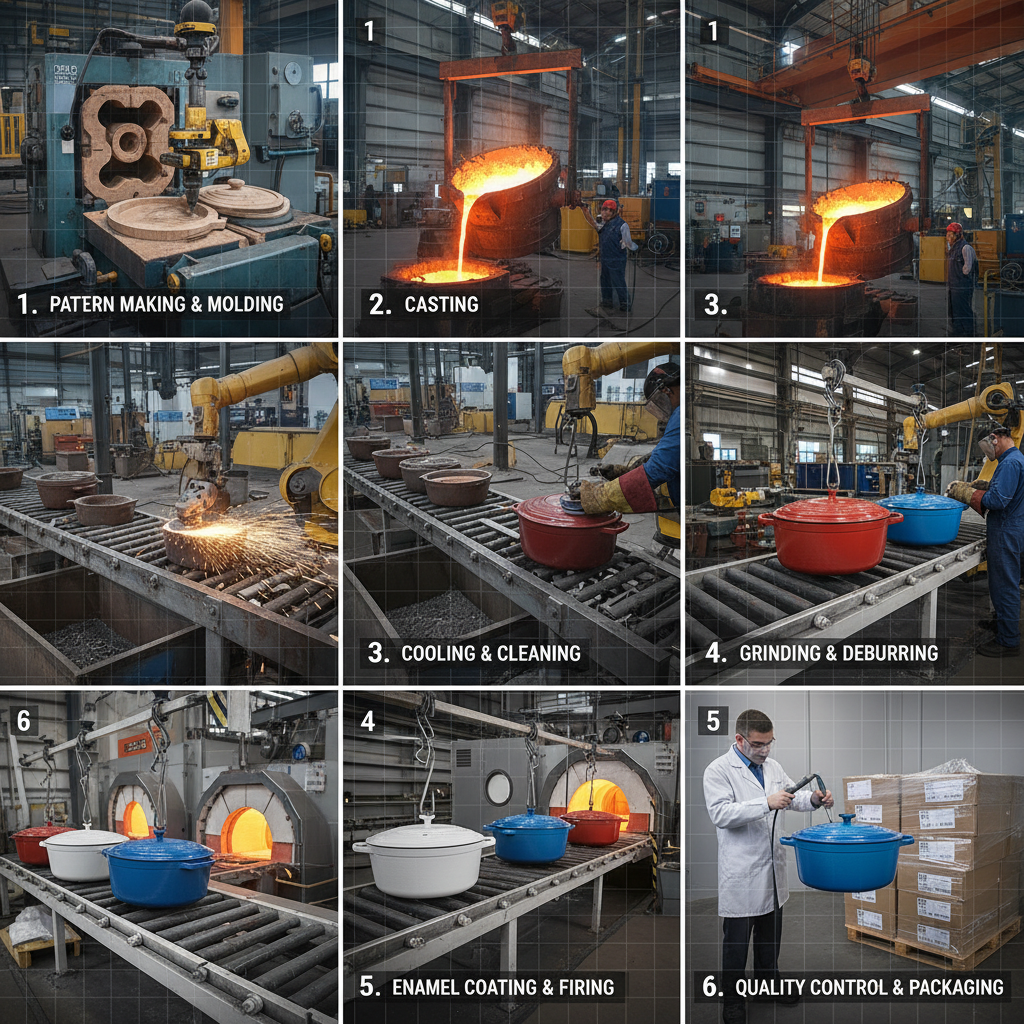
In the global manufacturing sector, the production of a cast iron casserole dish with lid must adhere to strict safety and quality standards, such as ISO certifications for metal casting. The process begins with the selection of high-grade scrap iron and alloying elements, which are melted in induction furnaces to ensure a homogenous mixture. Any impurity in the metal can lead to structural weaknesses or "pitting" in the final product.
Consistency in wall thickness is another critical industrial benchmark. A high-quality cast iron casserole dish with lid will have a uniform thickness across the base and sides to avoid warping under high temperatures. Precision molding and controlled cooling rates are employed to minimize internal stress within the metal, ensuring the pot does not crack during rapid temperature changes.
Finally, the surface finishing—whether it be traditional pre-seasoning or vitreous enamel coating—determines the dish's reactivity. Enamel-coated versions are particularly popular in European markets because they allow for the cooking of acidic foods (like tomato-based sauces) without the risk of the iron leaching a metallic taste into the dish, combining the heat benefits of iron with the non-reactive properties of glass.
The structural integrity of a cast iron casserole dish with lid depends heavily on the quality of its lid seal. A precision-engineered lid minimizes the escape of aromatic vapors, which is essential for maintaining the internal pressure required for tenderizing tough connective tissues in meat.
Another core component is the handle ergonomics. Because a cast iron casserole dish with lid is naturally heavy, the handles must be securely cast into the body of the pot, providing a firm grip for safe transport from the oven to the dining table.
Lastly, the base geometry is vital for heat distribution. A flat, heavy bottom ensures maximum contact with the heating element, whether it is a gas flame or an induction hob, allowing the cast iron casserole dish with lid to reach a stable temperature quickly and maintain it efficiently.
Different casting techniques result in varying performance metrics for the cast iron casserole dish with lid. Sand casting, the most traditional method, provides a rustic texture that is excellent for seasoning, while centrifugal casting offers a denser grain structure that enhances durability and reduces the likelihood of porosity.
When comparing these methods, the focus is often on heat distribution and surface smoothness. Modern precision casting allows for thinner walls without sacrificing strength, making the cast iron casserole dish with lid slightly more manageable in weight while retaining its legendary heat-holding capabilities.
In France, the cast iron casserole dish with lid is the gold standard for the classic "Coq au Vin," where the slow-simmering process allows the wine to reduce and the meat to tenderize perfectly. The heavy lid is essential here to prevent the liquid from evaporating too quickly during the long cooking cycle.
Conversely, in North American cuisine, these dishes are frequently used for corn bread and slow-roasted pot roasts. The ability of the cast iron casserole dish with lid to maintain a steady temperature makes it ideal for large family gatherings where food must stay warm on the table for extended periods.
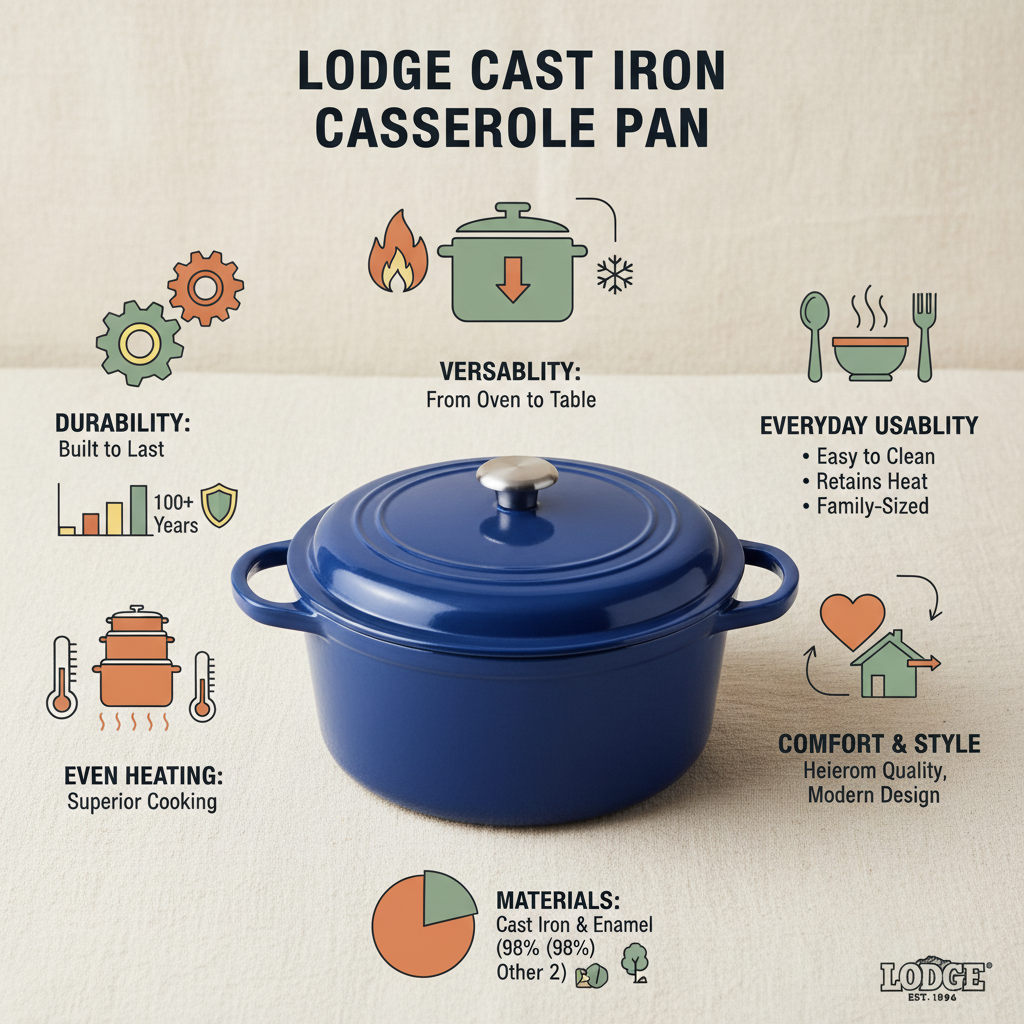
From an environmental perspective, the cast iron casserole dish with lid is one of the most sustainable choices a consumer can make. Unlike Teflon or ceramic-coated pans that degrade over 2-5 years, cast iron is virtually indestructible. This longevity significantly reduces landfill waste and the carbon footprint associated with the constant replacement of cookware.
Economically, the value proposition is clear: a one-time investment in a high-quality cast iron casserole dish with lid lasts for generations. It is not uncommon for these pieces to be passed down as family heirlooms, gaining a better non-stick patina with every decade of use.
Furthermore, the energy efficiency of cast iron is noteworthy. Due to its heat retention, once a cast iron casserole dish with lid reaches the desired temperature, it requires significantly less energy to maintain that heat, allowing cooks to lower the flame or oven temperature without affecting the cooking process.
The future of the cast iron casserole dish with lid lies in the intersection of traditional craftsmanship and material science. Research is currently focusing on "lightweight cast iron," which utilizes advanced alloying to reduce the weight of the vessel without compromising its thermal mass or durability.
Digital transformation is also hitting the foundry. AI-driven mold design is allowing manufacturers to optimize the wall thickness of the cast iron casserole dish with lid to ensure an even more precise heat distribution, eliminating the last remaining "cool spots" in traditional designs.
Additionally, there is a push toward green energy in the manufacturing process. Many foundries are switching to hydrogen-powered furnaces to reduce the CO2 emissions associated with smelting iron, ensuring that the cast iron casserole dish with lid is as eco-friendly to produce as it is to use.
| Model Variant | Heat Retention Score | Weight Class | Maintenance Level |
|---|---|---|---|
| Raw Seasoned Iron | 10/10 | Heavy | High (Seasoning) |
| Vitreous Enamel | 9/10 | Heavy | Low (Easy Clean) |
| Lightweight Alloy | 7/10 | Medium | Medium |
| Professional Grade | 10/10 | Very Heavy | Medium |
| Compact Mini-Pot | 8/10 | Light | Medium |
| Industrial Size | 10/10 | Extremely Heavy | High |
To season your cast iron casserole dish with lid, apply a thin layer of unsaturated cooking oil (like flaxseed or grapeseed oil) to the entire surface. Bake it upside down in an oven at 450°F (230°C) for about an hour. This process polymerizes the oil, creating a hard, natural non-stick coating that protects the iron from rust and enhances food release.
Yes, cast iron is naturally ferromagnetic, making a cast iron casserole dish with lid an excellent choice for induction cooktops. However, ensure the bottom is completely flat to maximize the connection with the induction surface, and be mindful of sliding the pot to avoid scratching the glass cooktop.
For raw cast iron, prolonged exposure to highly acidic foods can strip the seasoning and impart a metallic taste. However, if you use an enamel-coated cast iron casserole dish with lid, it is perfectly safe. The glass-like enamel layer acts as a barrier, protecting the iron while maintaining the superior heat retention.
The golden rule is to never leave your cast iron casserole dish with lid soaking in water. After washing, dry it immediately and thoroughly with a towel. For extra protection, rub a tiny amount of oil onto the surface before storing it in a dry place.
The weight comes from the density of the iron and the thick walls required for heat retention. While a cast iron casserole dish with lid is heavier, this mass is exactly what allows it to hold heat so effectively, ensuring that your food cooks evenly without temperature drops when adding new ingredients.
Modern mild dish soaps are generally safe and will not strip a well-polymerized seasoning from a cast iron casserole dish with lid. However, avoid using harsh steel wool or caustic oven cleaners, which can damage the surface. A soft brush and warm water are usually sufficient.
The cast iron casserole dish with lid remains an indispensable tool in the modern kitchen, blending ancient metallurgical wisdom with contemporary culinary needs. From its unmatched thermal mass and durability to its sustainable, lifetime-value proposition, it offers a level of performance that synthetic materials simply cannot replicate. Whether used for a slow-braised roast or a rustic sourdough bread, its ability to distribute heat evenly and lock in moisture ensures professional-grade results for the home cook.
As we move toward a more sustainable and health-conscious future, investing in high-quality cast iron is more than just a cooking choice—it is a commitment to quality over quantity. We encourage culinary enthusiasts to embrace the learning curve of seasoning and care, as the rewards are a lifetime of flavor and reliability. To explore our professional range of durable cookware, visit our website: www.dbecookware.com

Inquire Now for Cast Iron Cookware Deals
Please Fill Out The Form Below And Our Team Will Get Back To You With Pricing, Product Details, And Customization Options.

Debien is advancing with time, updating equipment, elaborately carving out our brand, focusing on developing high-end products, and actively responding to market demands with creativity.
CONTACT US
Debien is advancing with time, updating equipment, elaborately carving out our brand, focusing on developing high-end products, and actively responding to market demands with creativity.
Copyright © 2026 HEBEI DEBIEN TECHNOLOGY CO., LTD. All Rights Reserved. Sitemap | Privacy Policy | Top Blog | Global Service | Hot Products