
wechat
WeChat
whatsapp
Email
up
0%

Table of Contents

The cast iron casserole dish stands as a cornerstone of culinary heritage, bridging the gap between ancestral slow-cooking techniques and the demands of the modern kitchen. Renowned for its exceptional heat retention and durability, this vessel is more than just a pot; it is a lifetime investment that enhances the flavor profiles of stews, braises, and baked dishes through superior thermal stability.

Globally, there is a resurgence in the preference for traditional materials as consumers pivot away from short-lived non-stick coatings toward sustainable, chemical-free alternatives. The ability of a cast iron casserole dish to move seamlessly from the stovetop to the oven and finally to the dining table makes it an indispensable tool for professional chefs and home cooks alike who prioritize efficiency and taste.

Understanding the nuances of cast iron—from the seasoning process to the specific metallurgical properties that allow for even heat distribution—empowers users to unlock the full potential of their cookware. Whether you are searing meats at high temperatures or simmering a delicate sauce for hours, the right casserole dish ensures consistent results and long-term reliability.
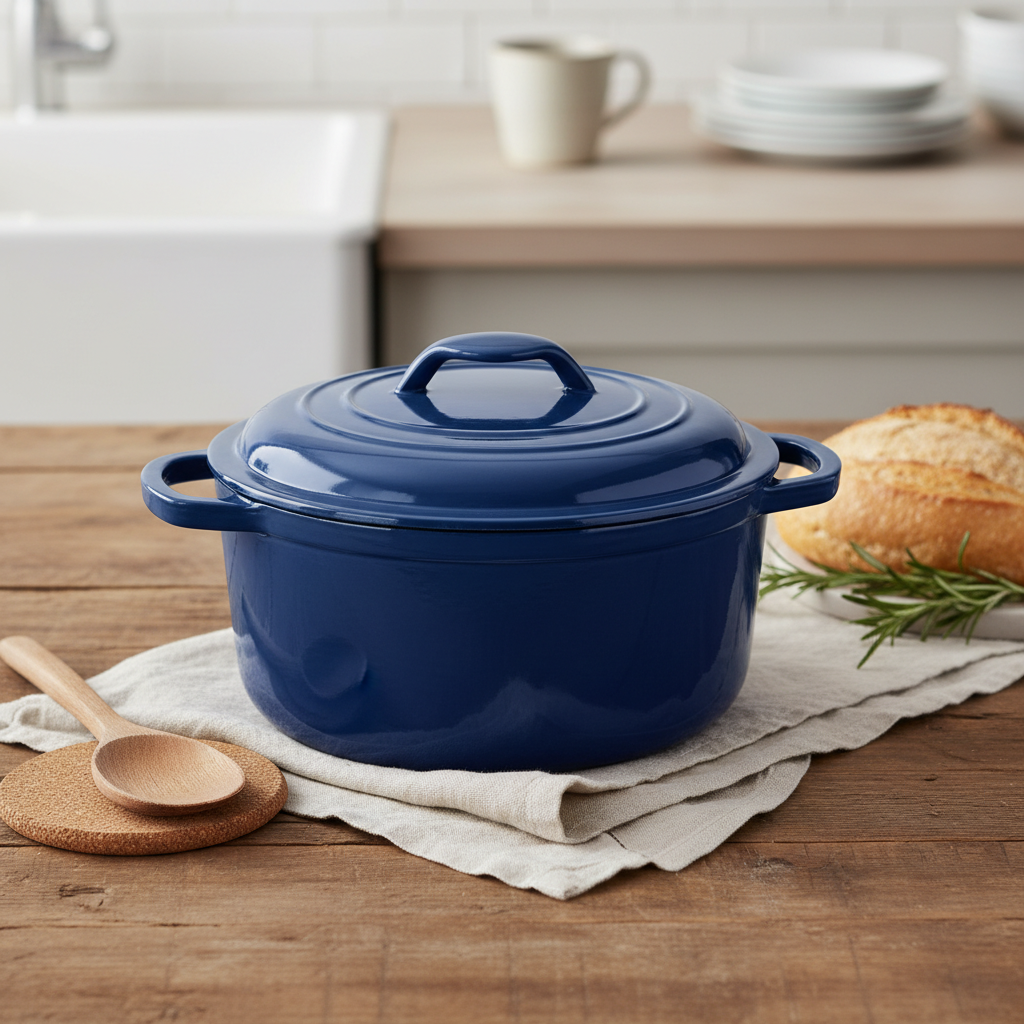
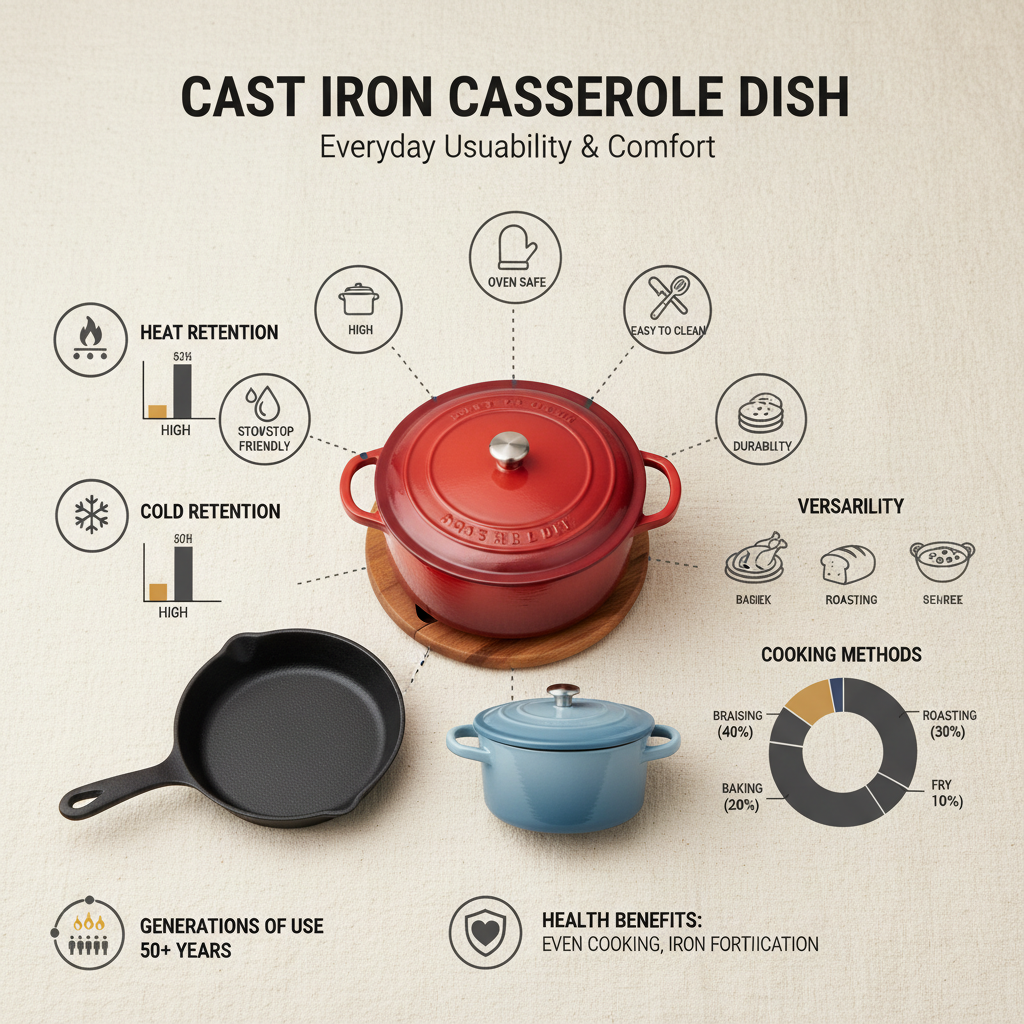
Premium Cast Iron Casserole Dish for Professional Cooking

The Global Market Relevance of Cast Iron Cookware

Premium Cast Iron Casserole Dish for Professional Cooking

In the current global economic landscape, the demand for a high-quality cast iron casserole dish has seen a significant uptick, driven by a worldwide shift toward "slow living" and sustainable consumption. Market data indicates that the premium cookware sector is increasingly favoring materials that offer longevity over disposable convenience, with cast iron leading the way due to its nearly infinite lifespan when properly maintained.

From the rustic kitchens of France to the high-tech apartments of Tokyo, these vessels solve the common problem of uneven heat distribution found in cheaper aluminum or thin-walled steel pots. By providing a massive thermal reservoir, they prevent the "hot spots" that often lead to scorched food, making them essential for high-volume catering and precision home cooking.

Defining the Engineering of a Cast Iron Casserole Dish

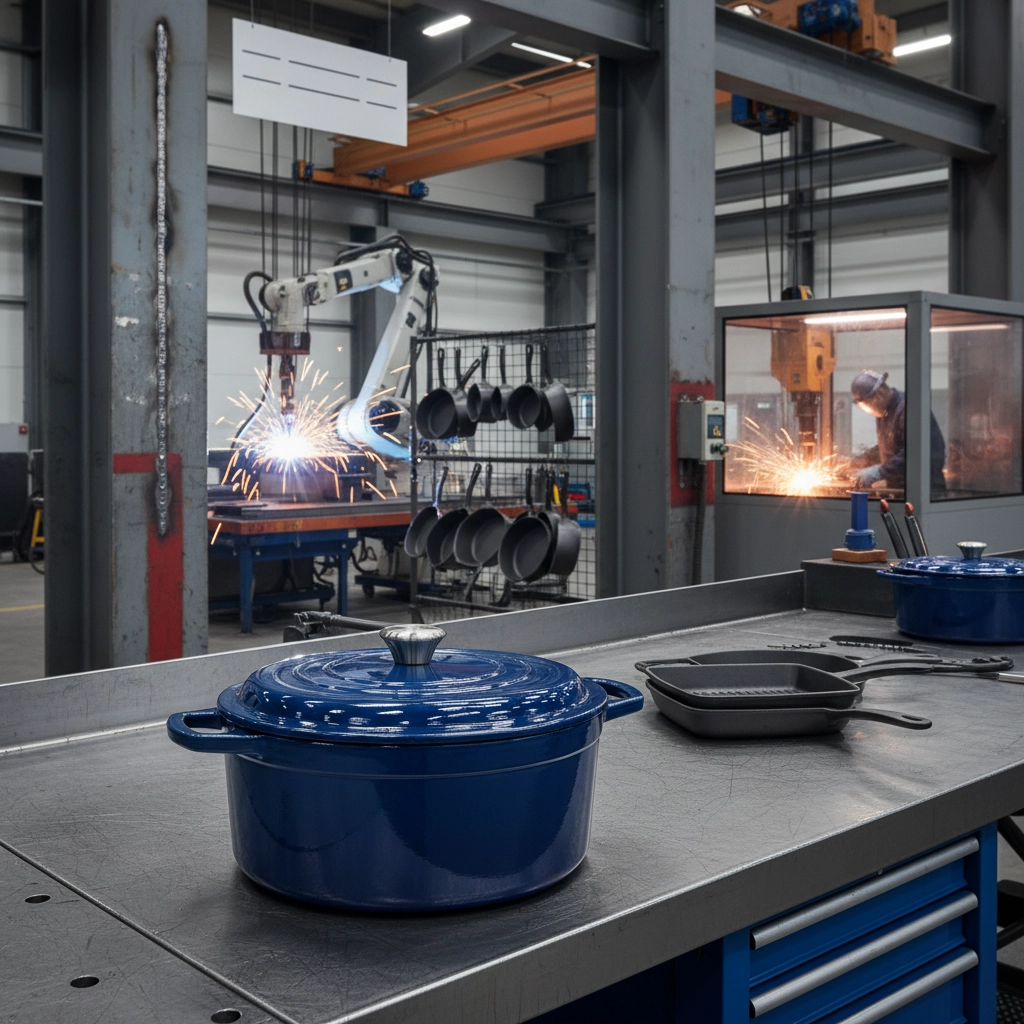
At its core, a cast iron casserole dish is a heavy-duty cooking vessel created by pouring molten iron into a sand mold. Unlike wrought iron, cast iron has a higher carbon content, which allows it to be cast into complex shapes and provides the characteristic density that makes it so effective at retaining heat. This engineering ensures that once the vessel reaches a certain temperature, it stays there, providing a stable environment for slow-cooking processes.

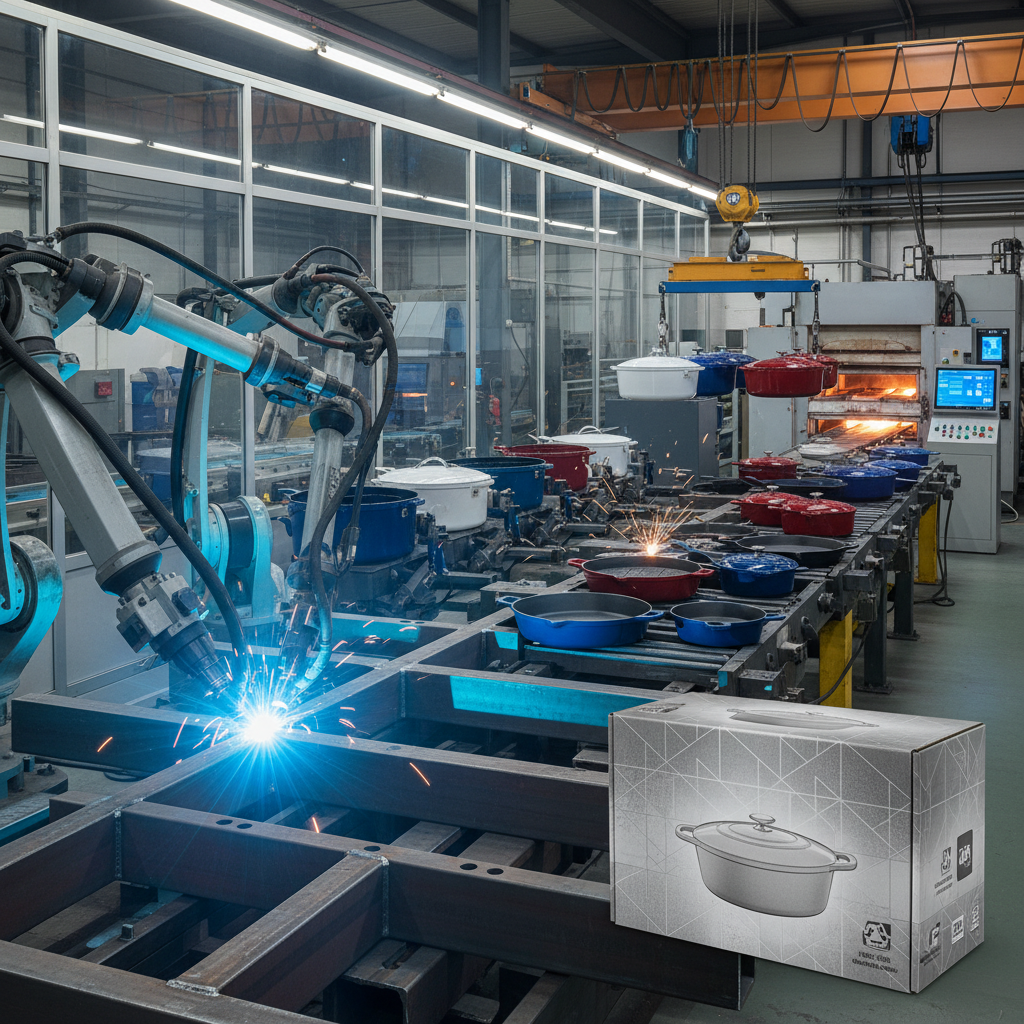
In the context of modern industry, the production of these dishes has evolved to include precision CNC machining and advanced enamel coating processes. While raw cast iron is prized for its natural non-stick seasoning, enameled versions provide a non-reactive surface, allowing cooks to prepare acidic foods like tomato-based stews without the risk of metallic leaching or surface erosion.

This blend of ancient metallurgy and modern finishing techniques addresses a critical humanitarian and environmental need: the reduction of landfill waste. By replacing a cycle of five or six non-stick pans with a single, durable cast iron casserole dish, households significantly reduce their ecological footprint while improving the nutritional quality of their food.

Core Components of Premium Cast Iron Performance

The primary factor that defines the quality of a cast iron casserole dish is its thermal mass. This physical property allows the vessel to absorb a large amount of energy and release it slowly and evenly, which is critical for braising meats that require a constant, gentle heat to break down tough connective tissues.

Another essential component is the precision of the lid fit. A tight-fitting lid on a cast iron casserole dish creates a sealed environment that traps steam and moisture, forcing them to condense on the lid and drip back into the food. This "self-basting" mechanism is what prevents slow-cooked meals from drying out and ensures a rich, concentrated flavor.

Lastly, the surface treatment—whether it is a pre-seasoned organic oil layer or a vitreous enamel coating—determines the dish's versatility. A well-engineered surface ensures that the cast iron casserole dish remains resistant to corrosion while providing the necessary release properties to prevent food from sticking during high-heat searing.

Practical Applications Across Global Cuisines

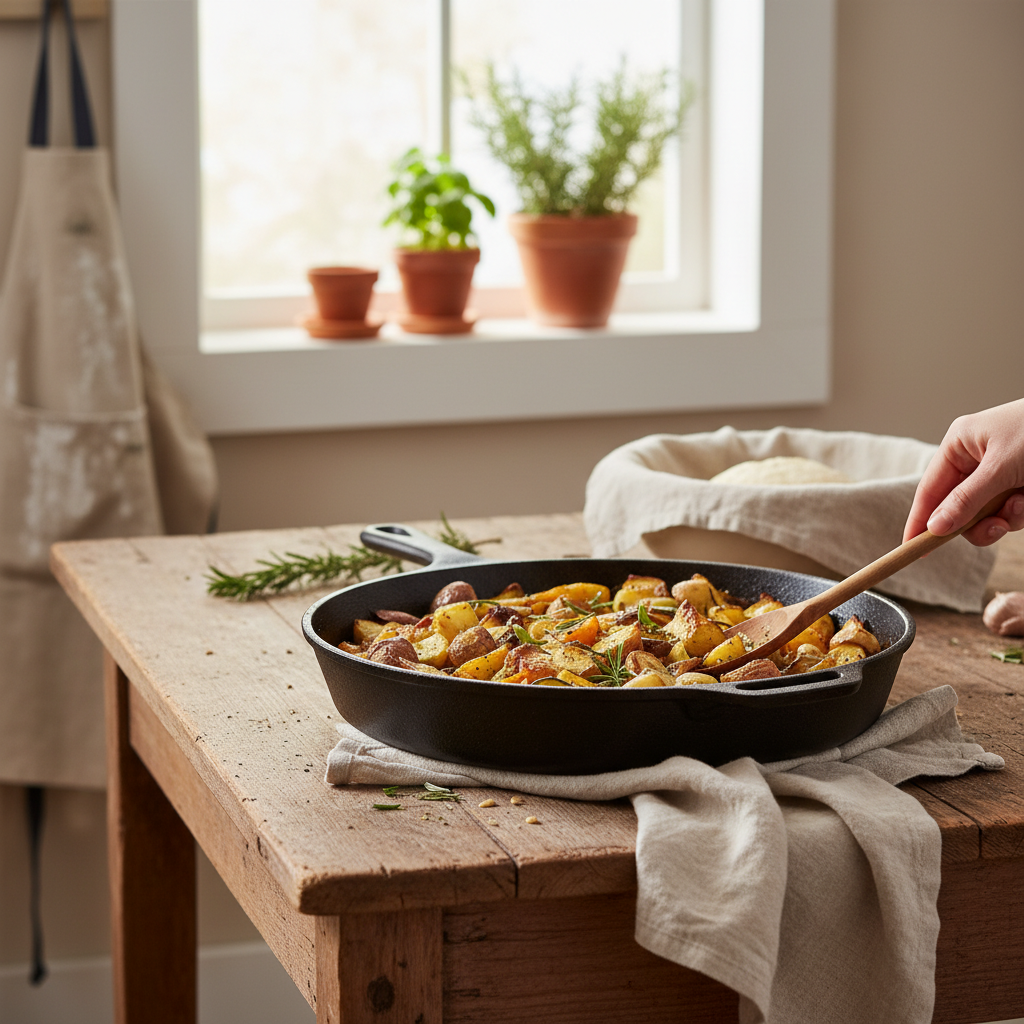
The versatility of the cast iron casserole dish is evident in its widespread use across various culinary traditions. In European cuisine, it is the gold standard for French Coq au Vin or Beef Bourguignon, where the ability to sear meat on the stove and then slow-roast it in the oven is paramount. In North America, it serves as the ideal vessel for hearty cornbreads and slow-simmered chili.

Beyond the home, these vessels are utilized in remote industrial zones and outdoor campsites where high-intensity heat sources, such as open flames or coals, are common. Because cast iron can withstand extreme temperatures without warping, it is the only viable choice for rugged, off-grid cooking environments where reliability is a matter of necessity.

Performance Comparison of Casserole Materials


Long-Term Value and Sustainability Benefits

Investing in a cast iron casserole dish offers a tangible economic advantage over time. While the initial purchase price may be higher than that of a Teflon-coated pan, the lack of degradation means the user never needs to replace the item. This "buy it once, use it for a lifetime" philosophy directly opposes the planned obsolescence prevalent in the modern appliance industry.

From a social and emotional perspective, these dishes often become family heirlooms, passed down through generations. This creates a sense of continuity and tradition, linking the act of cooking to familial legacy. Furthermore, the sustainability of iron—a naturally abundant and fully recyclable element—ensures that the product does not contribute to the toxic waste streams associated with polymer-based coatings.

Future Innovations in Cast Iron Manufacturing

The future of the cast iron casserole dish is being shaped by advancements in materials science and green energy. Manufacturers are exploring the use of recycled scrap iron and induction-optimized bases to ensure that these traditional vessels are compatible with the latest energy-efficient stovetops, reducing the overall carbon footprint of the cooking process.

Digital transformation is also entering the foundry. Through the use of 3D-printed sand molds and AI-driven temperature control during the casting phase, companies can now produce dishes with thinner, lighter walls that maintain the same heat retention properties as traditional heavy-cast items. This makes the cookware more accessible to users who find traditional cast iron too cumbersome.

Additionally, new eco-friendly enamel formulations are being developed. These new coatings eliminate the use of heavy metals and utilize sustainable mineral sources, ensuring that the cast iron casserole dish remains safe for both the user and the planet, aligning with global ISO standards for environmental management.

Overcoming Common Challenges in Usage

One of the most common challenges users face with a cast iron casserole dish is the fear of rust and the perceived difficulty of seasoning. However, these are easily overcome with a basic understanding of oil polymerization. By applying a thin layer of unsaturated fat and heating it to the smoke point, users create a natural, protective barrier that is both hydrophobic and non-stick.

Weight is another hurdle, as the sheer mass of the iron can be intimidating. The professional solution is the integration of ergonomic, heat-resistant handles and the adoption of "light-cast" technology, which optimizes the distribution of iron to maintain thermal mass while reducing unnecessary bulk in the walls of the pot.

Finally, the issue of cleaning enameled surfaces is often misunderstood. While steel wool can damage the finish, a simple mixture of baking soda and warm water can remove the most stubborn burnt-on proteins without scratching the glass-like surface of the cast iron casserole dish, preserving its aesthetic and functional integrity for decades.

Analysis of Cast Iron Casserole Dish Maintenance and Performance

Material Type Maintenance Level Heat Distribution Lifespan Score (1-10)
Raw Cast Iron High (Seasoning required) Excellent 10
Enameled Cast Iron Low (Easy clean) Superior 9
Non-Stick Aluminum Medium (Fragile coating) Moderate 3
Stainless Steel Low (Dishwasher safe) Average 7
Ceramic/Stoneware Medium (Prone to chips) Good 5
Copper Core High (Polishing needed) Instantaneous 8

FAQS

Is a cast iron casserole dish better than a Dutch oven?

Technically, a cast iron casserole dish is often used interchangeably with a Dutch oven. However, "casserole dishes" sometimes refer to shallower vessels designed for both baking and serving. The core benefit remains the same: exceptional heat retention and the ability to transition from stove to oven, making it superior to standard pots for slow-cooking.

How do I prevent my cast iron casserole dish from rusting?

The best way to prevent rust is to keep the dish dry. After washing, dry it immediately with a towel and place it on a warm burner for a minute to evaporate remaining moisture. For raw cast iron, applying a very thin layer of cooking oil (seasoning) creates a hydrophobic barrier that prevents oxygen and water from reaching the iron surface.

Can I use acidic ingredients in an enameled cast iron dish?

Yes, that is one of the primary advantages of enamel. Unlike raw cast iron, which can react with acidic foods (like tomatoes or wine) and impart a metallic taste or strip the seasoning, the glass-like enamel coating is non-reactive. This makes enameled cast iron casserole dishes the ideal choice for braises and stews containing acidic components.

Is it safe to put a cast iron casserole dish in the dishwasher?

Generally, no. For raw cast iron, dishwasher detergents will strip the seasoning and lead to immediate rust. For enameled cast iron, while the enamel is durable, dishwasher detergents are often abrasive and can dull the finish over time. Hand-washing with a mild soap and a soft sponge is the professional recommendation to ensure longevity.

Why is my cast iron casserole dish so heavy?

The weight is a result of the material's density, which is exactly what provides its legendary heat retention. The mass allows the pot to maintain a consistent temperature even when cold ingredients are added. While it requires more effort to lift, this weight ensures that your food cooks evenly and prevents the scorching common in lighter aluminum pans.

How do I know if my cast iron is properly seasoned?

A properly seasoned cast iron casserole dish will have a smooth, slightly glossy, dark brown or black surface. Water should bead up on the surface rather than soaking in. If you notice food sticking more than usual or see small orange spots, it is time to re-season the dish by applying oil and baking it at a high temperature.

Conclusion

In summary, the cast iron casserole dish is far more than a simple kitchen tool; it is a synthesis of metallurgical strength and culinary versatility. By offering unmatched thermal stability, lifelong durability, and a sustainable alternative to disposable cookware, it addresses both the practical needs of the modern chef and the ecological imperatives of the 21st century. From its ability to sear and braise to its role as a generational heirloom, the value it provides extends well beyond the meal itself.

As we move toward a future of more conscious consumption, embracing high-quality materials like cast iron is a step toward a more sustainable and flavorful lifestyle. Whether you are a professional aiming for precision or a home cook seeking the comfort of a slow-cooked meal, investing in a premium casserole dish is a decision that pays dividends in taste, health, and reliability. We invite you to explore the perfect balance of tradition and innovation. Visit our website: www.dbecookware.com

Daniel Wilson

Daniel Wilson

Daniel Wilson is the Engineering Lead at Hebei Debien Technology, focusing on the maintenance and optimization of Debien’s advanced machinery. He's responsible for the upkeep of the Disa casting lines, enamel production lines, and CNC lathes, ensuring peak performance and minimizing downtime. Daniel also contributes to process improvements, exploring ways
Previous Excellence in Metallurgy Premium Cast Iron Casserole Pans
Next Benefits of Using a Durable Cast Iron Casserole Dish with Lid

Inquire Now for Cast Iron Cookware Deals

Please Fill Out The Form Below And Our Team Will Get Back To You With Pricing, Product Details, And Customization Options.