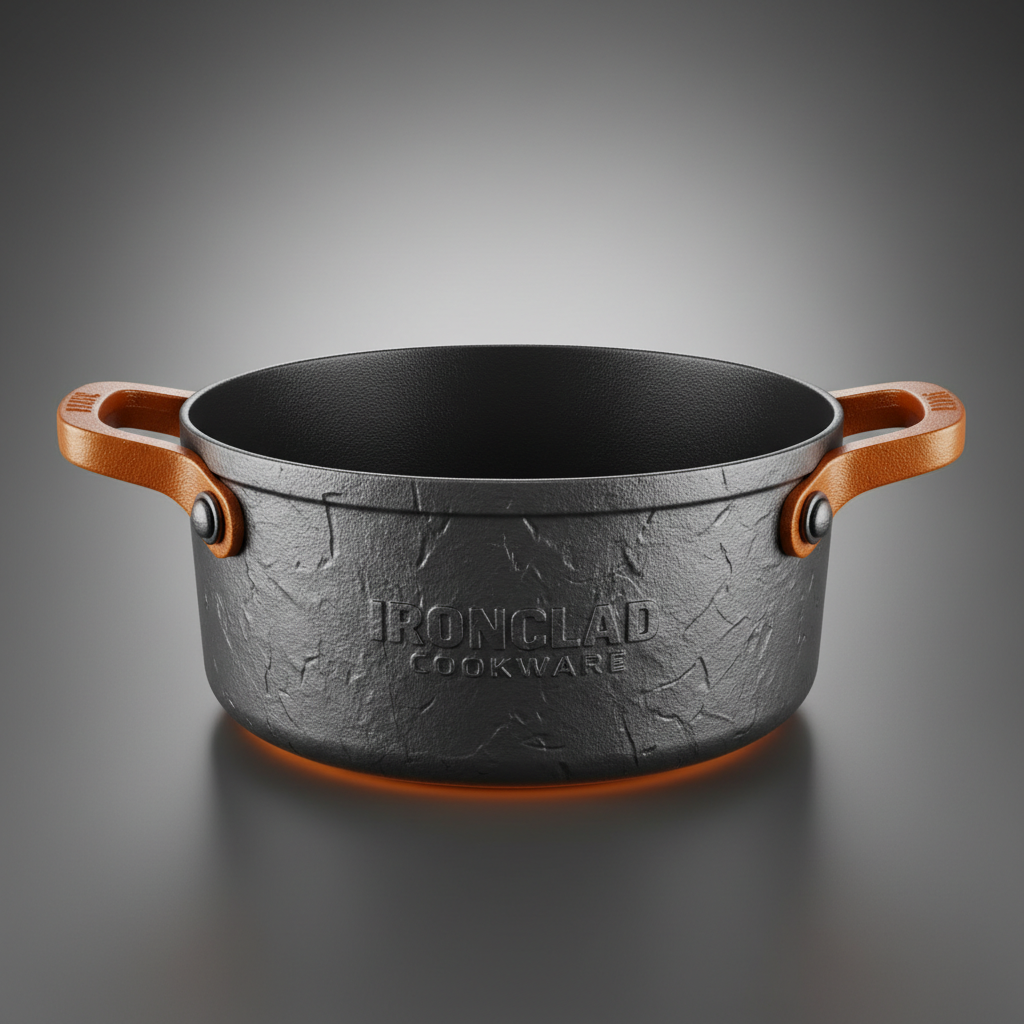


Selecting the right cookware often comes down to a balance between thermal performance and long-term investment. For those seeking professional searing results at home, understanding the factors that influence cast iron grill price is essential to avoiding overpayment for brand names while ensuring industrial-grade quality.
The market for cast iron has shifted from simple rustic cookware to precision-engineered tools featuring advanced seasoning and enamel coatings. Today's buyers must navigate a landscape where weight, heat distribution, and surface treatment significantly impact the final cost and the resulting culinary outcome.
This guide examines the technical variables that drive pricing in the cast iron grill category, providing a framework for evaluating value based on material density, manufacturing processes, and multifunctional design.


The primary value of a cast iron grill lies in its volumetric heat capacity. Unlike aluminum or stainless steel, cast iron absorbs and holds energy, which prevents the surface temperature from dropping when cold proteins are added. This is the fundamental reason why these pans are preferred for achieving "Maillard reaction" char marks.
The pricing often reflects the purity of the iron and the casting method used to ensure no air pockets (voids) exist within the metal, as consistency in density is what ensures even heating across the entire cooking surface.
Historically, the "non-stick" nature of cast iron was achieved solely through manual seasoning—the process of polymerizing oils at high temperatures. Modern manufacturing, such as that employed by Hebei Debien Technology, has integrated advanced vegetable oil production lines to pre-season cookware, reducing the initial maintenance burden for the end user.
The quality of this coating is a major driver of the cast iron grill price. A professionally seasoned surface is not just a layer of oil; it is a chemical bond that creates a hydrophobic barrier. This prevents food from adhering to the porous iron surface while remaining safe for human health and environmentally friendly.
Furthermore, the longevity of the surface is a critical metric. High-quality cast iron is designed so that the more it is used and properly maintained, the more non-stick its properties become, effectively increasing the product's value over its lifetime.
Thickness in the bottom of a grill pan is not merely about adding weight; it is about thermal stability. A thicker base "locks" the temperature, ensuring that the pan does not warp under extreme heat—a common failure in lower-cost, thinner alternatives.
Increasing the base thickness enhances the pan's ability to distribute heat evenly across the surface, effectively eliminating "hot spots" that lead to unevenly cooked food.
From a manufacturing perspective, thicker walls require longer cooling times in the mold and more rigorous inspection to ensure structural integrity. These additional production steps contribute to a higher price point but result in a tool that can transition seamlessly from a gas stovetop to a 500°F (260°C) oven.
When analyzing the market, it becomes clear that pricing is tied to versatility. A simple round grill pan is priced differently than a dual-sided design (grill/flat). The latter effectively replaces two pieces of cookware, reducing cabinet clutter and increasing utility for the home cook.
Other factors include compatibility with induction cookers and open flames. The ability to use a single tool for both indoor kitchen burners and outdoor camping coals adds a layer of value that caters to the "outdoor enthusiast" demographic.
For urban dwellers in apartment-sized kitchens, a compact 10-12 inch round grill pan is often the optimal choice. These dimensions provide enough space for 2-3 servings while fitting comfortably on smaller burners, ensuring that the pan does not obstruct other cooking areas.
In contrast, for high-volume cooking or outdoor camping, the emphasis shifts to open-flame durability. A pan that can withstand direct contact with coals without warping or leaching chemicals is essential, making the heavy-duty cast iron build a necessity rather than a luxury.
The industry is seeing a rise in enamel-coated cast iron, which combines the thermal mass of iron with the easy-clean properties of glass-ceramic. Enamel pots and pans eliminate the need for seasoning and are non-reactive to acidic foods, which expands the culinary range of the cookware.
However, this introduces a trade-off. While enamel is superior for braising and slow-cooking (as seen in Cast Iron Casseroles), it cannot be used over open campfires as easily as seasoned iron, which can be scrubbed and re-seasoned indefinitely.
This divergence in technology means that the "correct" price is relative to the intended application. A professional chef may prioritize the raw seasoning of a Cast Iron Skillet for high-heat searing, whereas a home cook may prefer the convenience of an Enamel Pot.
When evaluating different cast iron options, it is helpful to move beyond the sticker price and look at the cost-per-use over a decade. Because high-quality iron is virtually indestructible, the initial investment is offset by the lack of replacement needs compared to Teflon-coated pans.
The selection should be based on a matrix of heat requirements, maintenance willingness, and spatial constraints. A ribbed grill pan specifically targets those looking to reduce calorie intake, as the ridges allow fats to drain away from the food.
Below is a relative suitability framework to help buyers choose based on their specific cooking environment and priorities.
| Feature | Seasoned Iron | Enamel Coated | Hybrid/Dual-Sided |
|---|---|---|---|
| High-Heat Searing | Excellent | Moderate | Excellent |
| Maintenance Level | Moderate (Seasoning) | Low (Easy Clean) | Moderate |
| Acidic Food Safety | Moderate | Excellent | Moderate |
| Outdoor/Campfire | Ideal | Not Recommended | Ideal |
| Spatial Efficiency | Standard | Standard | High |
| Thermal Stability | High | High | High |
Pricing is primarily driven by the iron's purity, the casting precision (avoiding voids), and the surface treatment. Pre-seasoned pans using food-grade vegetable oils and those with thickened bases for superior heat retention generally command a higher price than basic, thin-walled versions. Additionally, multifunctional designs, such as dual-sided grill/flat pans, increase the value by replacing multiple pieces of equipment.
Yes, cast iron is naturally ferromagnetic, making it compatible with induction cooktops. However, because the bottom can be slightly uneven in some budget models, higher-end pans are often machined for a flatter base to ensure maximum contact and efficiency on induction surfaces. Always check if the product specifically lists induction compatibility to ensure optimal performance.
The ribbed design serves two purposes: aesthetics and health. First, it creates the classic charred grill marks by concentrating heat on the ridges. Second, it allows excess fats and oils to drain away from the protein and collect in the valleys, potentially reducing calorie intake by up to 20% compared to flat-pan frying, making it a healthier option for lean meats.
It depends on the use case. Enamel is superior for slow-cooking, braising, and using acidic ingredients (like tomato sauce) because it is non-reactive and requires no maintenance. Traditional seasoning is better for high-heat searing and outdoor use, as the seasoning can be stripped and rebuilt if damaged, whereas a cracked enamel coating renders the pan unusable.
A thicker base prevents the pan from warping when exposed to extreme temperature fluctuations. More importantly, it provides a "thermal reservoir" that maintains a steady temperature when cold food is added. This prevents the meat from steaming instead of searing, which is critical for achieving a professional crust.
While the purchase price is a one-time cost, the "value price" improves over time. Unlike non-stick pans that degrade after 2-3 years, high-quality cast iron becomes more non-stick with use and proper care. In essence, the product evolves into a more efficient tool the longer you own it, making it a sustainable long-term investment.
Evaluating the value of a cast iron grill requires looking beyond the immediate price tag and focusing on material density, surface engineering, and versatility. Whether choosing a pre-seasoned skillet for high-heat searing or an enamel pot for slow cooking, the priority should be on thermal stability and food safety.
By investing in precision-manufactured tools with reinforced bases and professional coatings, users gain a lifelong culinary asset that outperforms temporary synthetic alternatives. The shift toward multifunctional and induction-ready cast iron ensures these traditional tools remain relevant in the modern, high-efficiency kitchen.

Inquire Now for Cast Iron Cookware Deals
Please Fill Out The Form Below And Our Team Will Get Back To You With Pricing, Product Details, And Customization Options.

Debien is advancing with time, updating equipment, elaborately carving out our brand, focusing on developing high-end products, and actively responding to market demands with creativity.


QUICK LINKS
CONTACT US
Debien is advancing with time, updating equipment, elaborately carving out our brand, focusing on developing high-end products, and actively responding to market demands with creativity.
Copyright © 2026 HEBEI DEBIEN TECHNOLOGY CO., LTD. All Rights Reserved. Sitemap | Privacy Policy | Top Blog | Global Service | Hot Products | Knowledge