



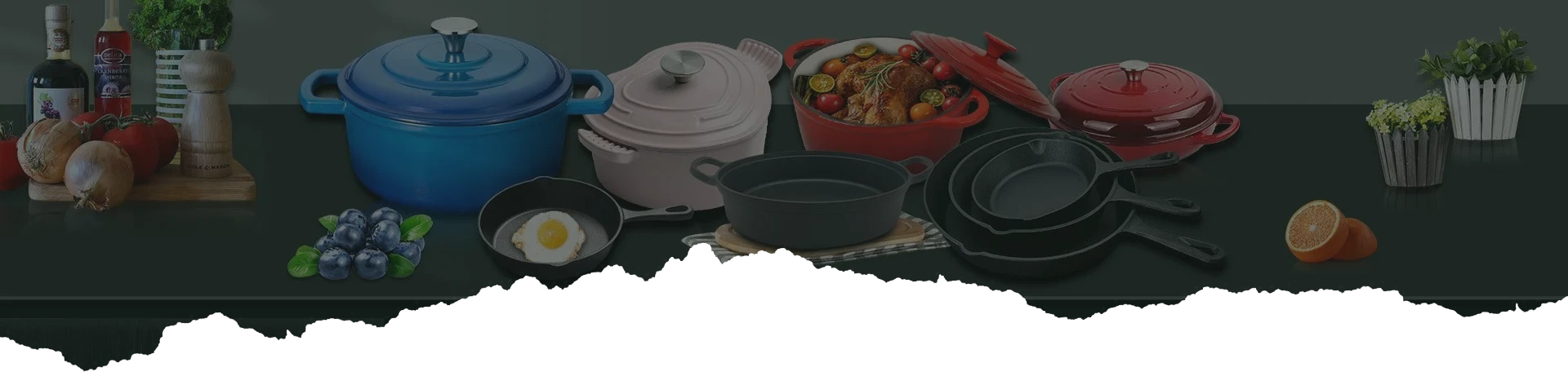

How to Choose the Best Professional Cast Iron Pan Factory
Apr . 16, 2026 03:20
Choosing the Right Cast Iron Pan Factory for Your Business
For wholesalers, retailers, and culinary brands, sourcing high-quality cookware starts with finding a reliable cast iron pan factory. The difference between a mediocre pan and a professional-grade tool lies in the casting process, the seasoning quality, and the precision of the finish. Whether you are looking for traditional seasoned cast iron or modern enameled options, partnering with a factory that prioritizes durability and heat distribution is essential. In this guide, we will explore what makes a top-tier manufacturer and how to ensure your supply chain delivers products that your customers will cherish for generations.
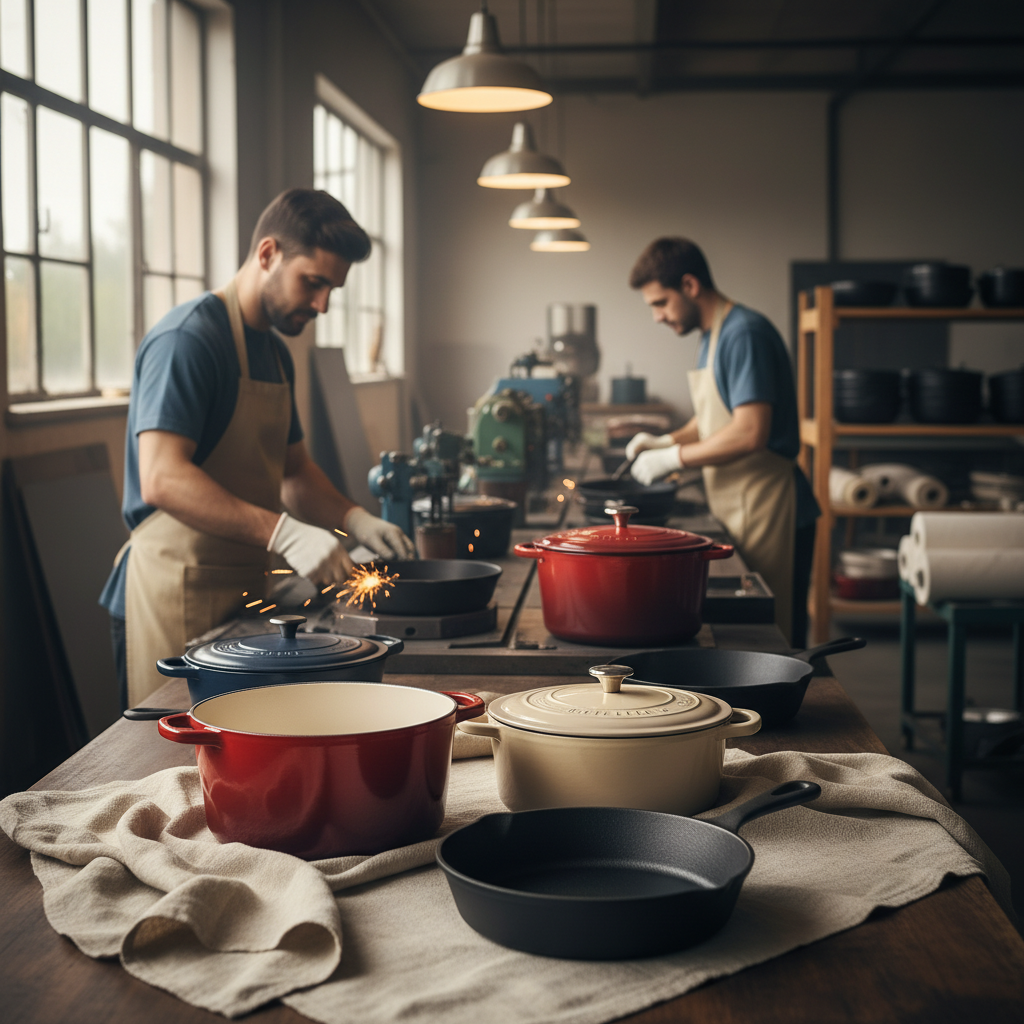
The Core Manufacturing Process at a Professional Cast Iron Pan Factory
A professional cast iron pan factory employs a rigorous multi-step process to ensure structural integrity. It begins with sand casting, where molten iron is poured into precision-engineered molds. Once cooled, the pans undergo a crucial "shot blasting" phase to remove excess material and smooth the surface. The most critical stage, however, is the seasoning process. By applying high-temperature vegetable oils, the factory creates a natural, non-stick polymer layer. This not only prevents rust but also enhances the cooking performance, making the cookware a favorite for both home chefs and professional kitchens.
Production Insight: High-quality casting requires precise temperature control. Even a slight deviation in the molten iron's temperature can lead to microscopic air bubbles, which compromise the pan's strength and heat distribution.
Comparing Cast Iron Types: Which is Best for Your Market?
When negotiating with a cast iron pan factory, you will likely choose between traditional cast iron, enameled cast iron, and lightweight alternatives. Traditional cast iron is prized for its versatility and ability to withstand extreme heat, while enameled versions offer a sleek aesthetic and easier maintenance. Understanding these differences allows you to target the right customer demographic, from the "rugged outdoorsman" to the "modern home gourmet."
Quality Control Standards in a Cast Iron Pan Factory
To maintain a global reputation, a leading cast iron pan factory must implement strict quality control (QC) protocols. This includes surface flatness tests to ensure the pan sits perfectly on induction or gas burners, and coating adhesion tests for enameled products. Additionally, food-grade certifications (such as FDA or LFGB) are non-negotiable. By ensuring every piece is free from cracks and impurities, the factory reduces the rate of returns and builds long-term trust with B2B partners.
Customization Capabilities of a Modern Factory
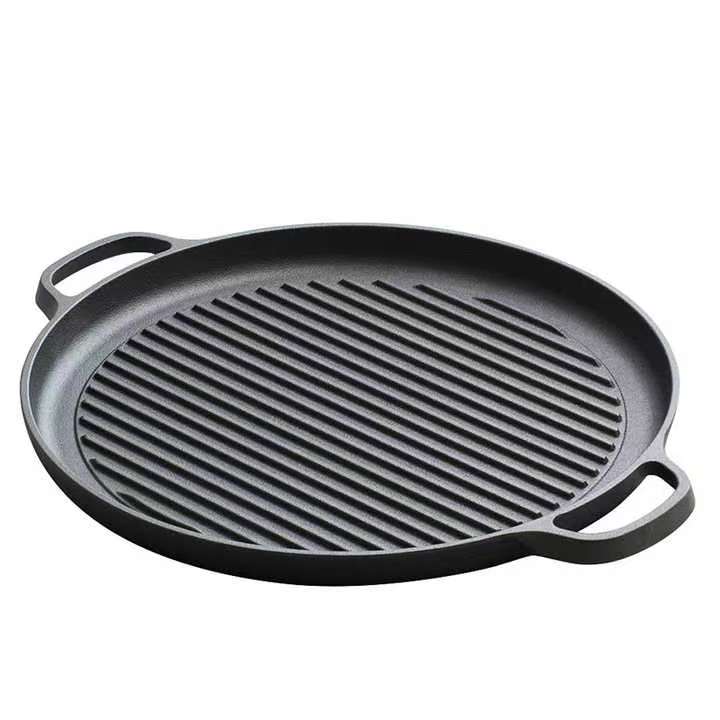
The ability to offer OEM and ODM services is what separates a standard supplier from a strategic partner. A versatile cast iron pan factory can customize everything from the pan's diameter and depth to the handle design and logo embossing. Whether you need a specialized grill pan with deep ridges or a lightweight skillet for camping, customization allows you to carve out a unique niche in a competitive market. Modern factories use CAD software to prototype designs quickly, reducing the time-to-market for new product lines.
Technical Specifications for Wholesale Procurement
When auditing a cast iron pan factory, reviewing the technical data sheet is the best way to ensure consistency. You should look for the iron's carbon content, which affects both brittleness and heat retention. Below is a typical specification table for a standard professional cast iron skillet produced in a high-end facility:
Sustainability and Environmental Impact in Iron Casting
Modern consumers are increasingly concerned about the environmental footprint of their cookware. A forward-thinking cast iron pan factory now implements "Green Casting" initiatives. This includes the use of recycled scrap iron, which significantly reduces the energy required for smelting. Additionally, switching to eco-friendly seasoning oils and plastic-free packaging helps brands appeal to the conscious consumer. By partnering with a factory that values sustainability, you not only reduce your carbon footprint but also enhance your brand's marketability in the global arena.
Conclusion: Elevate Your Cookware Line with a Premium Factory
Finding the right cast iron pan factory is the foundation of a successful cookware business. From the precision of the sand casting process to the depth of the seasoning and the rigor of quality control, every detail impacts the end-user's experience. By focusing on technical specifications, customization, and sustainability, you can ensure that your products stand the test of time. Invest in a partnership that prioritizes quality and innovation to bring the best of iron cookware to your customers.
Frequently Asked Questions (FAQs)
What should I look for when auditing a cast iron pan factory?
When auditing a factory, prioritize three things: quality control systems, certifications, and consistency. Check if they have a dedicated QC team that tests for surface flatness and coating adhesion. Ensure they hold recognized certifications like FDA or LFGB, which guarantee the materials are safe for food contact. Finally, ask for samples from different production batches to see if the weight, finish, and seasoning quality remain consistent. A transparent factory will be happy to show you their testing lab and raw material sourcing documents.
Can a factory provide pre-seasoned pans for retail?
Yes, most professional factories offer pre-seasoning services. This is highly recommended for retail, as it makes the product "ready-to-use," which is a significant selling point for modern consumers. The factory applies multiple layers of vegetable oil and bakes them at high temperatures to create a natural non-stick surface. When ordering, you can specify the number of seasoning cycles required to achieve a specific level of gloss and smoothness. This eliminates the need for the customer to perform the initial seasoning themselves.
How long does the custom mold process take for new designs?
The timeline for custom mold creation typically ranges from 2 to 6 weeks, depending on the complexity of the design. The process involves creating a 3D CAD model, producing a prototype (often using 3D printing or CNC machining), and finally casting the production mold. Once the mold is approved, the first sample run usually takes another 1-2 weeks. Working with an experienced cast iron pan factory can streamline this process by suggesting design adjustments that improve casting efficiency and reduce the risk of defects.
Is enameled cast iron more expensive to produce than traditional cast iron?
Yes, enameled cast iron generally has a higher production cost. This is due to the additional steps required: the pan must be meticulously cleaned and smoothed before the enamel (a glass-based coating) is applied. The coating process requires specialized spray equipment and high-temperature kilns for fusing the enamel to the metal. Furthermore, there is a higher scrap rate because any minor imperfection in the enamel can lead to a rejected product. However, these pans often command a higher retail price, offering better margins for brands.


2026-04-09 03:25:51
Guide to Choosing the Best Cast Iron Cookware Makers for Kitchen
For centuries, cast iron has remained a cornerstone of the culinary world, prized for its unmatched heat retention and lifelong durability. However, not all cast iron cookware makers are created equal. From traditional raw cast iron to modern enameled finishes, the choice of manufacturer determines the pan's weight, seasoning quality, and overall performance. Whether you are a professional chef or a home cooking enthusiast, understanding the nuances of different production methods is key to upgrading your kitchen toolkit. In this guide, we will explore what sets top-tier makers apart and how to choose the perfect pieces for your cooking style.
2026-04-07 03:17:11
Explore the Benefits and Care of Durable Cast Iron Cookware
Cast iron cookware has experienced a remarkable resurgence in popularity, and for good reason. Renowned for its durability, even heating, and versatility, it's a kitchen staple that can last for generations. From searing steaks to baking rustic breads, DBE Cookware offers a range of high-quality cast iron solutions for both seasoned chefs and home cooks. This guide will explore the benefits, care, and best uses of cast iron, helping you unlock its full potential.
2026-04-04 03:27:22
Comprehensive Guide to Leading Cast Iron Skillet Manufacturers
The enduring popularity of cast iron skillets stems from their exceptional heat retention, versatility, and durability. For businesses seeking to source these sought-after cooking tools, identifying reliable cast iron skillet manufacturers is crucial. This article provides a detailed overview of the industry, key considerations when choosing a manufacturer, and highlights the capabilities of DBE Cookware, a leading provider of high-quality cast iron cookware.
2026-03-12 15:49:46
Different Types of Cast Iron Skillets: A Complete Guide for Buyers and Cooking Enthusiasts
Cast iron cookware has been a trusted kitchen essential for centuries. Known for its durability, excellent heat retention, and versatility, cast iron remains a favorite among professional chefs and home cooks alike.
Inquire Now for Cast Iron Cookware Deals
Please Fill Out The Form Below And Our Team Will Get Back To You With Pricing, Product Details, And Customization Options.

Debien is advancing with time, updating equipment, elaborately carving out our brand, focusing on developing high-end products, and actively responding to market demands with creativity.


QUICK LINKS
CONTACT US
Debien is advancing with time, updating equipment, elaborately carving out our brand, focusing on developing high-end products, and actively responding to market demands with creativity.
Copyright © 2026 HEBEI DEBIEN TECHNOLOGY CO., LTD. All Rights Reserved. Sitemap | Privacy Policy | Top Blog | Global Service


