



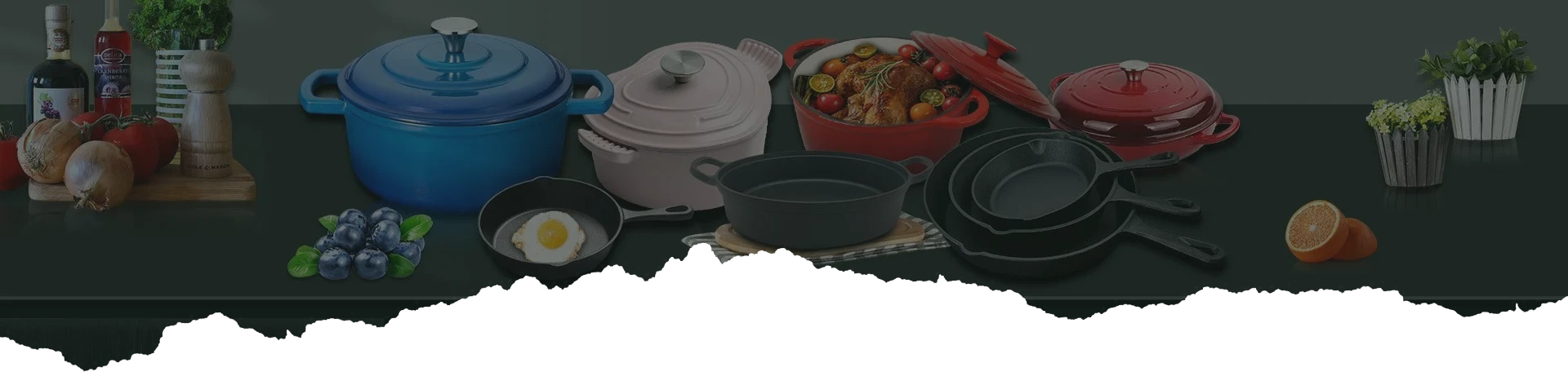

Guide to Choosing the Best Cast Iron Cookware Makers for Kitchen
Apr . 09, 2026 03:25
Choosing the Best Cast Iron Cookware Makers for Your Kitchen
For centuries, cast iron has remained a cornerstone of the culinary world, prized for its unmatched heat retention and lifelong durability. However, not all cast iron cookware makers are created equal. From traditional raw cast iron to modern enameled finishes, the choice of manufacturer determines the pan's weight, seasoning quality, and overall performance. Whether you are a professional chef or a home cooking enthusiast, understanding the nuances of different production methods is key to upgrading your kitchen toolkit. In this guide, we will explore what sets top-tier makers apart and how to choose the perfect pieces for your cooking style.
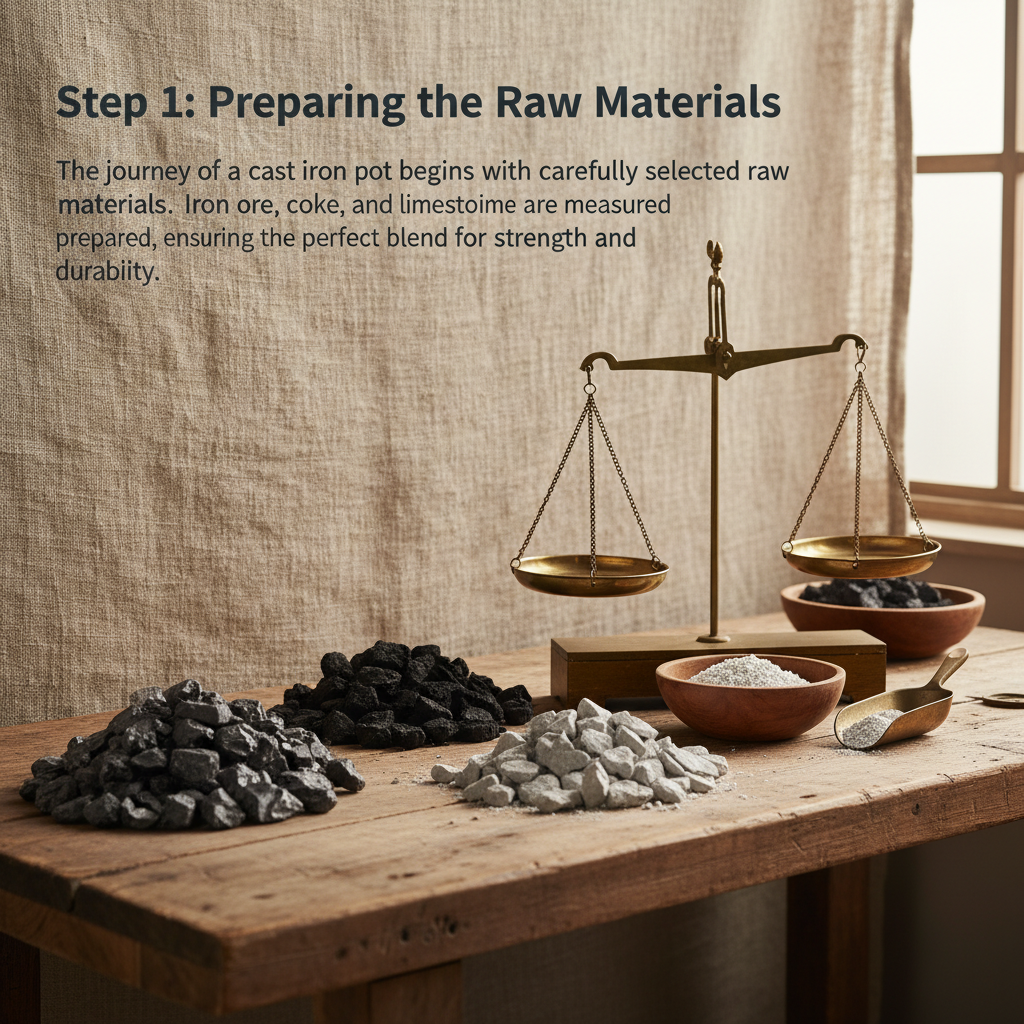
The Art of Production: How Cast Iron Cookware Makers Differ
The quality of cast iron begins at the foundry. Leading cast iron cookware makers utilize different casting processes—some opting for traditional sand casting, while others use advanced precision casting to reduce the graininess of the surface. Precision casting results in a smoother finish, which makes the initial seasoning process much easier and provides a more consistent non-stick surface over time. Additionally, the purity of the iron used plays a vital role in how the cookware reacts to heat, preventing "hot spots" that can burn food.
Pro Tip: When evaluating makers, look for those who offer "pre-seasoned" options using organic vegetable oils, as this saves you hours of preparation and ensures the pan is ready for immediate use.
Comparing Traditional vs. Enameled Cast Iron
One of the biggest decisions when browsing cast iron cookware makers is choosing between raw and enameled iron. Traditional cast iron is the gold standard for searing and high-heat frying, while enameled cast iron—coated in a glass-like porcelain—is ideal for slow-cooking, braising, and acidic foods like tomato sauces that would otherwise strip the seasoning from a raw pan. Both offer incredible heat distribution, but their maintenance requirements differ significantly.
Key Quality Indicators from Premium Cookware Makers
When shopping for a new set, it's easy to be overwhelmed by the marketing. To identify the best cast iron cookware makers, focus on the weight-to-thickness ratio. A pan that is too thin will warp under high heat, while one that is excessively heavy may be impractical for daily use. Look for a balanced base that sits flat on the stove to ensure even heat distribution. Furthermore, check the handle design; ergonomic handles with a comfortable grip are a sign of a manufacturer that values the end-user experience.
Sustainability and Longevity in Cast Iron Production
In an era of disposable kitchen gadgets, the longevity offered by expert cast iron cookware makers is a major advantage. Cast iron is essentially a "buy-it-for-life" product. If cared for properly, a single skillet can be passed down through multiple generations. This sustainability is why more consumers are moving away from Teflon-coated pans, which degrade over time and release chemicals. By investing in high-quality iron, you are reducing waste and ensuring a healthier cooking environment for your family.
Product Specifications: What to Look For
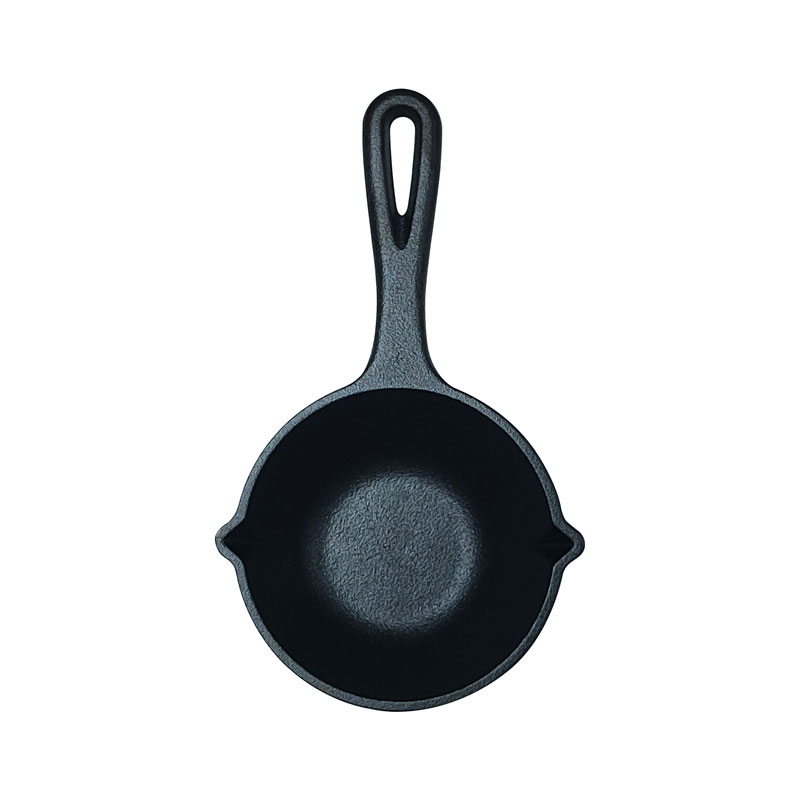
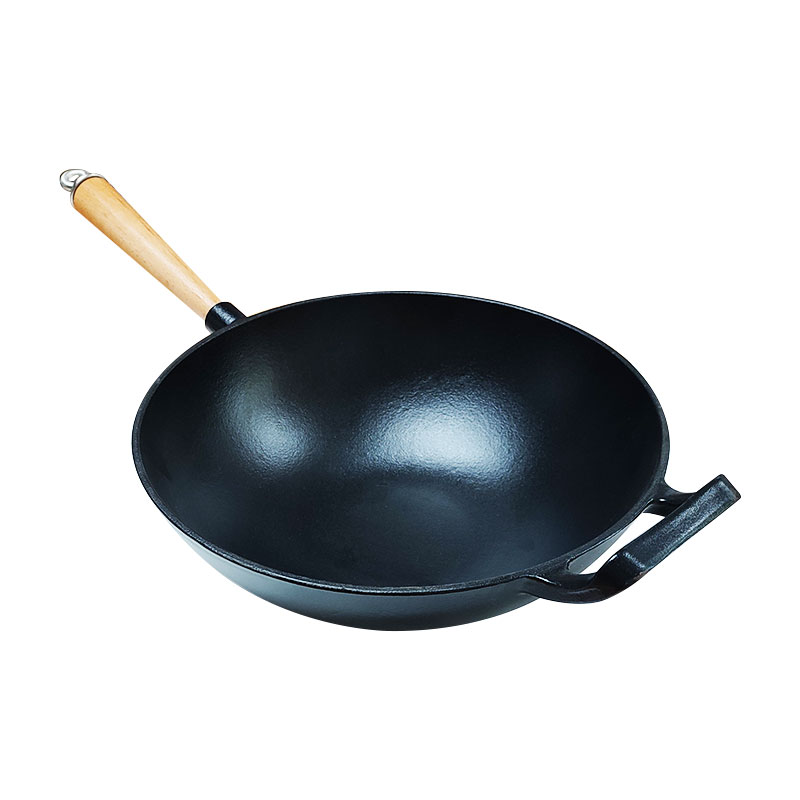
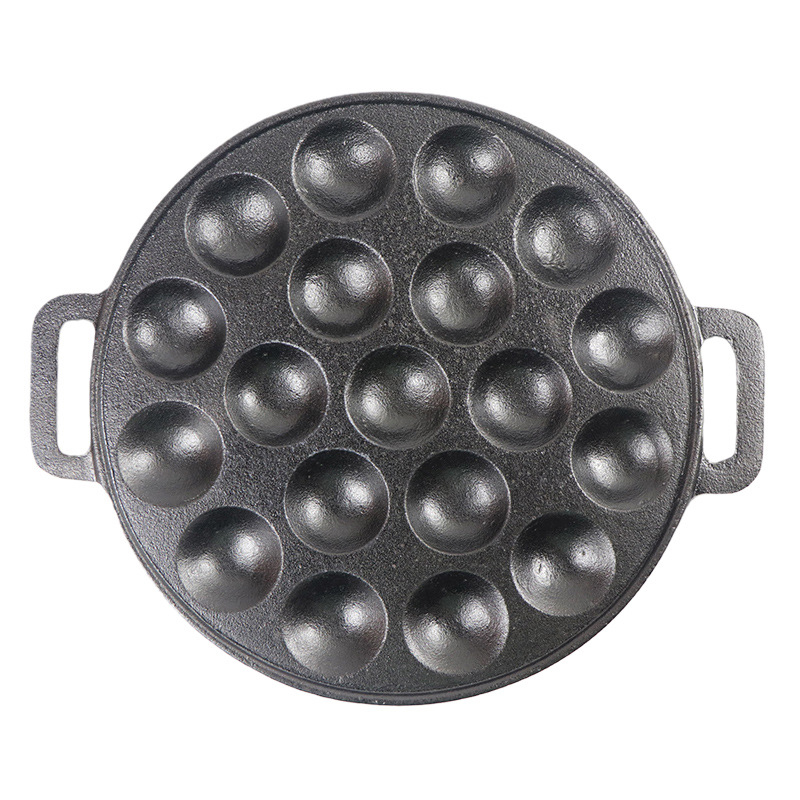
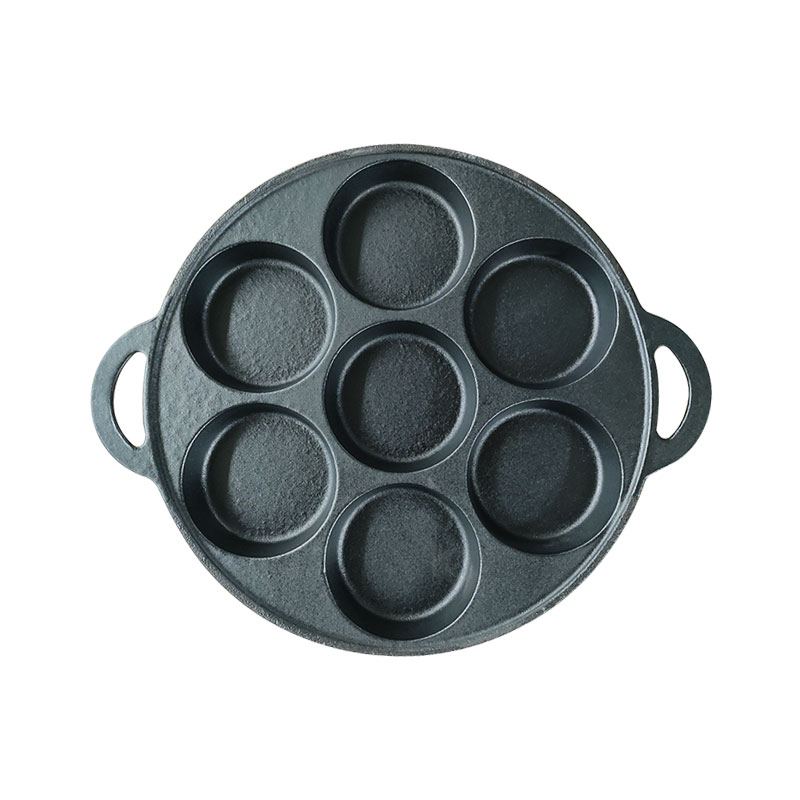
To give you a better idea of what to expect from professional-grade gear, we have outlined the standard specifications provided by top cast iron cookware makers. These metrics ensure that the product can withstand the rigors of a commercial kitchen or the daily demands of a busy home.
Conclusion: Elevating Your Culinary Game
Selecting the right cast iron cookware makers is about more than just buying a pan; it is about investing in a tool that will evolve with your skills. By focusing on casting precision, material quality, and the right finish for your needs, you can ensure that your kitchen is equipped for everything from a delicate braise to a high-heat sear. Experience the difference that professional craftsmanship makes and start building a collection that lasts a lifetime.
Frequently Asked Questions (FAQs)
How do I know if a cast iron maker is high quality?
Quality can be determined by checking the surface texture and the weight of the piece. High-quality makers use precision casting to ensure the cooking surface is smooth rather than pitted. Additionally, the pan should feel balanced and have a consistent wall thickness to prevent warping. Check for certifications regarding food-safe seasonings and the manufacturer's reputation for durability. A reputable maker will often provide clear guidelines on maintenance and a warranty against casting defects.
Can I use soap on pans from professional cast iron cookware makers?
This is a common debate, but the modern answer is yes. Most professional cast iron cookware makers explain that modern dish soaps are mild enough that they won't strip away the chemically bonded seasoning (which is essentially polymerized oil). What you must avoid is soaking the pan in water for long periods or putting it in the dishwasher, as this can lead to rust. A quick wash with mild soap and immediate drying is perfectly safe.
Why is enameled cast iron more expensive than traditional iron?
The price difference comes down to the additional manufacturing steps. Enameled cast iron requires a specialized fusing process where a glass-based coating is applied to the iron and then fired at extremely high temperatures in a kiln. This process requires more energy, more precise temperature control, and higher-grade materials to ensure the enamel doesn't chip or crack. The result is a versatile piece of cookware that is non-reactive and easier to clean, justifying the premium cost.
What should I do if my cast iron pan starts to rust?
Rust is not a death sentence for your cookware. If you notice rust, simply scrub the affected area with a steel wool pad or a stiff brush and some salt to remove the oxidation. Once the rust is gone, wash the pan, dry it completely on the stove, and apply a thin layer of cooking oil. Bake the pan in the oven at 450°F (230°C) for an hour to re-establish the seasoning. This restorative process is why choosing the right iron from quality makers is so rewarding—it can always be brought back to life.


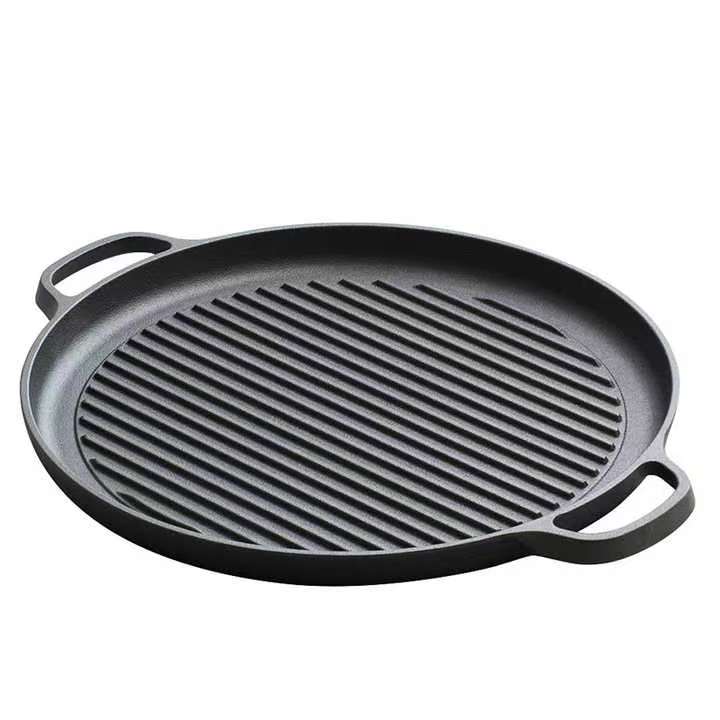
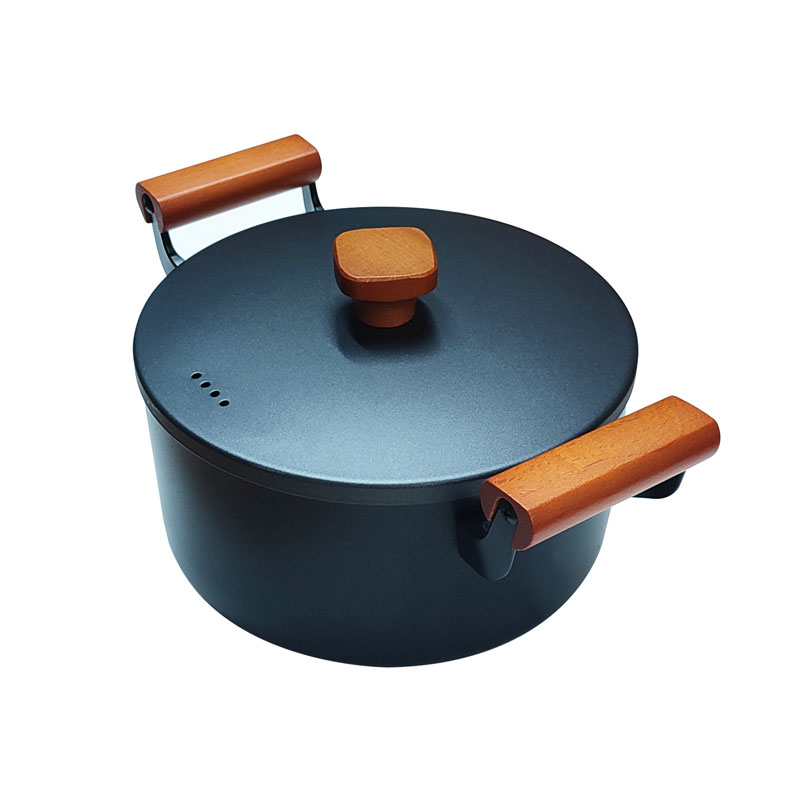
2026-04-16 03:20:22
How to Choose the Best Professional Cast Iron Pan Factory
For wholesalers, retailers, and culinary brands, sourcing high-quality cookware starts with finding a reliable cast iron pan factory. The difference between a mediocre pan and a professional-grade tool lies in the casting process, the seasoning quality, and the precision of the finish. Whether you are looking for traditional seasoned cast iron or modern enameled options, partnering with a factory that prioritizes durability and heat distribution is essential. In this guide, we will explore what makes a top-tier manufacturer and how to ensure your supply chain delivers products that your customers will cherish for generations.
2026-04-07 03:17:11
Explore the Benefits and Care of Durable Cast Iron Cookware
Cast iron cookware has experienced a remarkable resurgence in popularity, and for good reason. Renowned for its durability, even heating, and versatility, it's a kitchen staple that can last for generations. From searing steaks to baking rustic breads, DBE Cookware offers a range of high-quality cast iron solutions for both seasoned chefs and home cooks. This guide will explore the benefits, care, and best uses of cast iron, helping you unlock its full potential.
2026-04-04 03:27:22
Comprehensive Guide to Leading Cast Iron Skillet Manufacturers
The enduring popularity of cast iron skillets stems from their exceptional heat retention, versatility, and durability. For businesses seeking to source these sought-after cooking tools, identifying reliable cast iron skillet manufacturers is crucial. This article provides a detailed overview of the industry, key considerations when choosing a manufacturer, and highlights the capabilities of DBE Cookware, a leading provider of high-quality cast iron cookware.
2026-03-12 15:49:46
Different Types of Cast Iron Skillets: A Complete Guide for Buyers and Cooking Enthusiasts
Cast iron cookware has been a trusted kitchen essential for centuries. Known for its durability, excellent heat retention, and versatility, cast iron remains a favorite among professional chefs and home cooks alike.
Inquire Now for Cast Iron Cookware Deals
Please Fill Out The Form Below And Our Team Will Get Back To You With Pricing, Product Details, And Customization Options.

Debien is advancing with time, updating equipment, elaborately carving out our brand, focusing on developing high-end products, and actively responding to market demands with creativity.


QUICK LINKS
CONTACT US
Debien is advancing with time, updating equipment, elaborately carving out our brand, focusing on developing high-end products, and actively responding to market demands with creativity.
Copyright © 2026 HEBEI DEBIEN TECHNOLOGY CO., LTD. All Rights Reserved. Sitemap | Privacy Policy | Top Blog | Global Service


