
wechat
WeChat
whatsapp
Email
up
0%

Table of Contents

Selecting a reliable cast iron casserole supplier is a critical decision for cookware brands and hospitality procurement managers who prioritize thermal efficiency and product longevity. In an era where culinary enthusiasts are returning to traditional slow-cooking methods, the demand for heavy-duty, high-heat-retention vessels has surged, making the source of manufacturing a primary driver of retail success.

The global market for cast iron cookware has evolved beyond simple utility, transitioning into a luxury lifestyle segment where enamel coatings and precision casting define the competitive edge. A professional cast iron casserole supplier does not merely provide a product but offers an engineered solution that balances weight, heat distribution, and food safety standards.

Understanding the nuances of metallurgy, seasoning processes, and quality control allows businesses to mitigate the risks of casting defects and uneven heating. By partnering with a strategic cast iron casserole supplier, companies can ensure their product lines meet international food-grade certifications while maintaining the timeless appeal of cast iron.
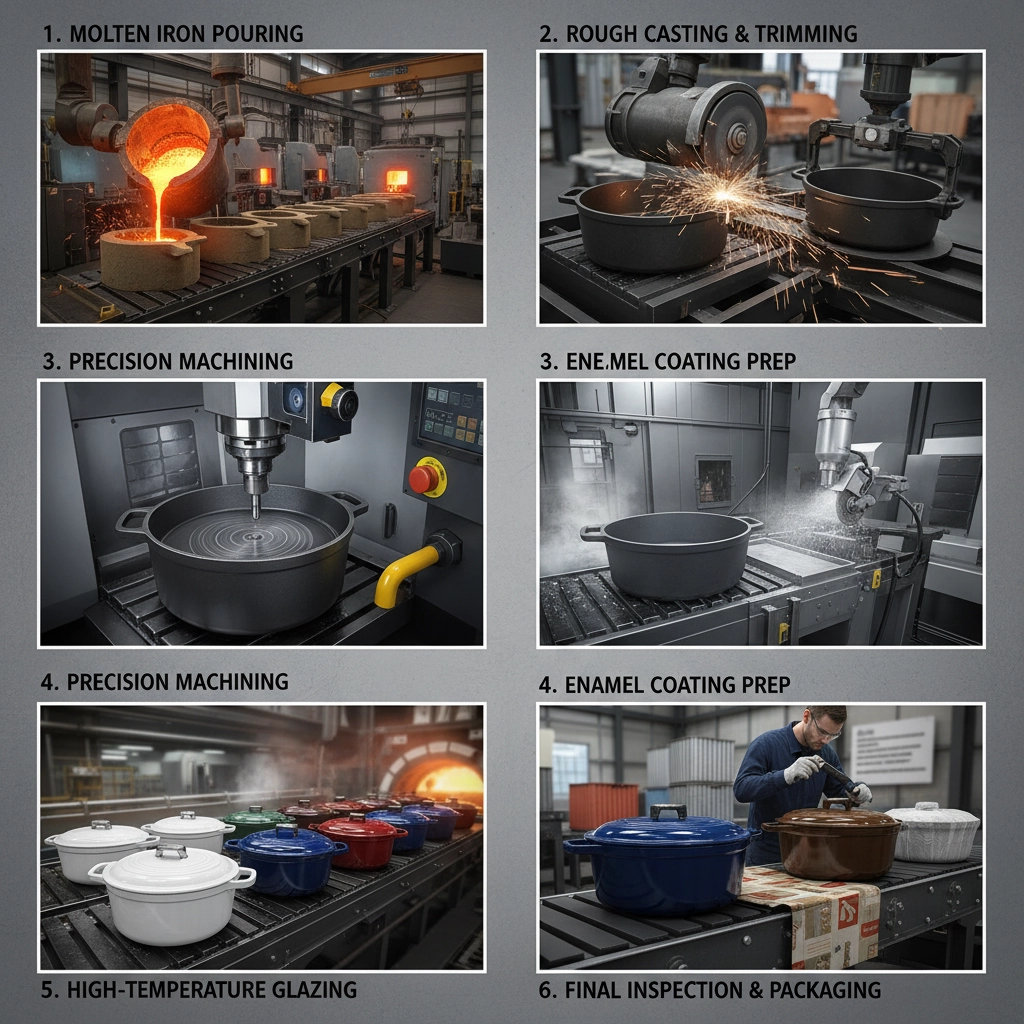
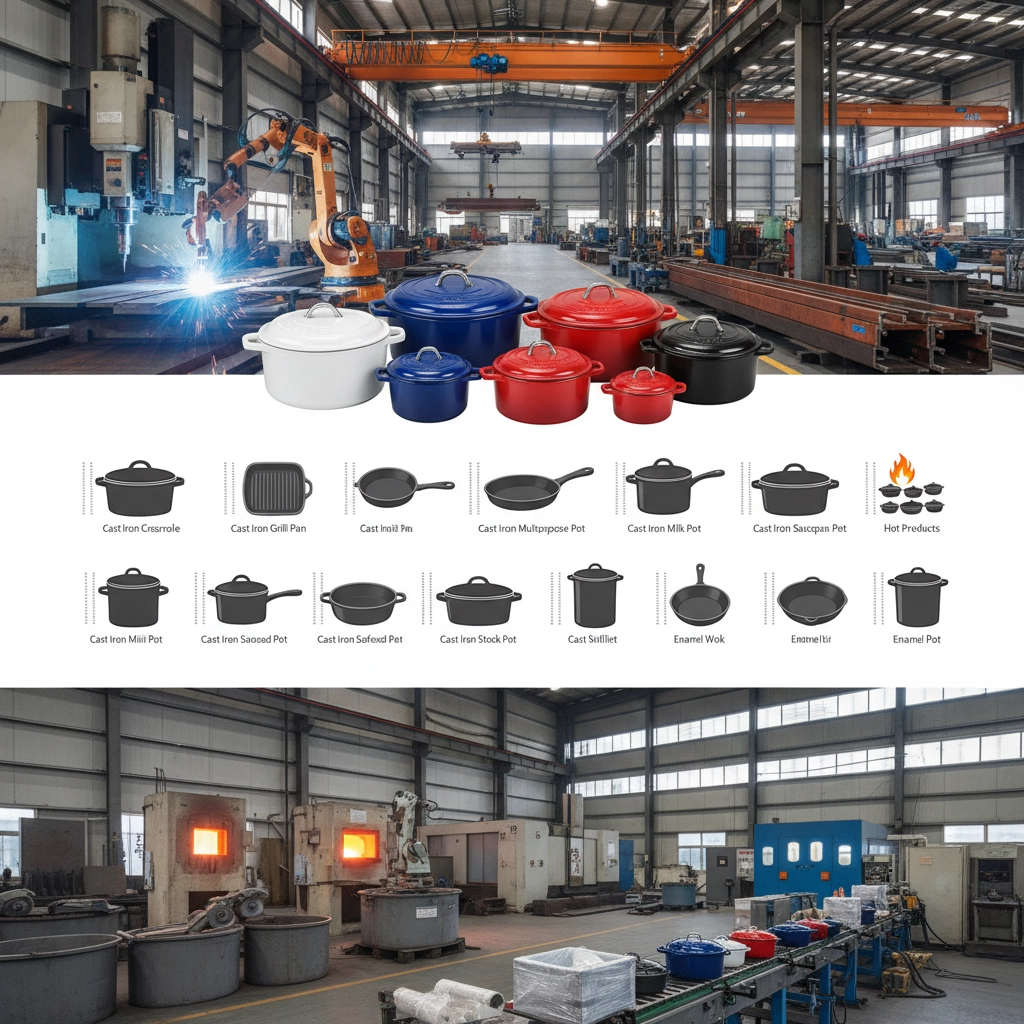
Professional Cast Iron Casserole Supplier for Premium Cookware

The Global Impact of a Professional Cast Iron Casserole Supplier

Professional Cast Iron Casserole Supplier for Premium Cookware

On a global scale, the role of a cast iron casserole supplier extends far beyond simple manufacturing. According to international trade trends in the home and garden sector, there is a marked shift toward sustainable, non-toxic cookware, which has revitalized the cast iron industry. The ability of a supplier to maintain consistent ISO standards while scaling production for global exports ensures that kitchens from New York to Tokyo have access to durable, lifelong cooking tools.

The challenge today lies in balancing artisanal quality with industrial efficiency. Many brands struggle with "porosity" and "warping" in low-cost imports, which is why sourcing from a specialized cast iron casserole supplier is essential for maintaining brand reputation and consumer trust in the high-end culinary market.

Defining the Role of a Modern Cast Iron Casserole Supplier

A cast iron casserole supplier is a specialized manufacturer that converts raw iron ore into precision-engineered cooking vessels. Unlike general metal fabricators, these suppliers focus on the specific thermal dynamics of "slow-and-low" cooking, ensuring that the walls of the casserole pot are thick enough to maintain steady heat but optimized to avoid excessive weight.

In the modern industrial context, this role has expanded to include advanced surface treatments. Whether it is the traditional pre-seasoning with organic oils or the application of high-tech vitreous enamel, a supplier must navigate the chemistry of non-stick surfaces while ensuring they remain food-safe and free from PFOA or PTFE chemicals.

Ultimately, the connection between a supplier and the end-user is one of reliability. In a world of disposable consumer goods, the cast iron casserole supplier provides a product that is fundamentally anti-obsolescence, aligning with the global movement toward zero-waste and conscious consumption.

Core Components of Cast Iron Manufacturing Quality

Thermal Conductivity and Retention: The hallmark of a premium cast iron casserole supplier is the ability to produce iron with a dense molecular structure. This ensures that heat is distributed evenly across the base and sides, preventing "hot spots" that lead to scorched food.

Surface Integrity and Enameling: A critical factor for any cast iron casserole supplier is the precision of the enamel bond. High-quality enamel must be fused to the iron at extreme temperatures to ensure it does not chip or peel during heavy oven use, providing a non-reactive surface for acidic ingredients.

Structural Precision and Fitting: The synergy between the pot and the lid is where a top-tier cast iron casserole supplier excels. A tight-fitting lid creates a self-basting environment, trapping steam and moisture, which is the primary functional requirement for professional-grade braising and stewing.

Practical Applications and Market Scalability

The application of high-quality cast iron varies by region and industry. In professional culinary settings, chefs rely on a cast iron casserole supplier to provide oversized stock pots and Dutch ovens that can transition seamlessly from a stovetop to a 500°F oven. In the retail sector, the trend is moving toward "mini pots" and "multipurpose pots," allowing suppliers to diversify their catalogs to meet the needs of smaller urban households.

From a scalability perspective, the ability to offer OEM and ODM services allows a cast iron casserole supplier to partner with luxury home-goods brands, providing custom colors and ergonomic handle designs that differentiate products in a crowded marketplace.

Comparison of Cast Iron Casserole Supplier Quality Metrics


Long-Term Value and Sustainability Benefits

Investing in products from a reputable cast iron casserole supplier offers an unparalleled return on investment. Unlike Teflon-coated aluminum pans that degrade over 2-3 years, cast iron is essentially permanent. This durability reduces the volume of cookware ending up in landfills, making it the gold standard for eco-conscious brands.

Beyond the logical benefit of cost-per-use, there is an emotional value associated with "heirloom" cookware. A cast iron casserole supplier creates tools that are passed down through generations, fostering a sense of tradition and trust that modern, plastic-heavy kitchenware simply cannot replicate.

Future Innovations in Cast Iron Casting Technology

The future of the cast iron casserole supplier industry is being shaped by "Green Foundry" initiatives. Innovations in induction-friendly iron alloys are allowing for faster heating cycles and lower energy consumption during the melting process, reducing the overall carbon footprint of production.

Digital transformation is also entering the forge. Advanced 3D sand printing is enabling suppliers to create more complex geometries and lighter-weight vessels without sacrificing the structural integrity that cast iron is known for. This allows for more ergonomic handles and optimized heat-flow channels.

Furthermore, we are seeing a trend toward "smart coatings"—enamels that are not only scratch-resistant but also incorporate antimicrobial properties. A forward-thinking cast iron casserole supplier is currently integrating these materials to meet the heightened hygiene standards of post-pandemic culinary environments.

Overcoming Common Industry Challenges and Solutions

One of the primary challenges faced by any cast iron casserole supplier is the risk of "casting voids"—small air bubbles that can cause the pot to crack under thermal shock. To solve this, leading suppliers have implemented vacuum-assisted casting and X-ray inspection to ensure every piece is structurally sound before it reaches the finishing stage.

Another common pain point is the weight of the product, which can be a deterrent for some consumers. Innovative suppliers are addressing this through "precision wall thinning," using computer-aided design (CAD) to remove excess material in non-critical areas while maintaining the thermal mass in the base.

Finally, the issue of rust in non-enameled products is managed through improved pre-seasoning techniques. By using high-smoke-point organic oils and multi-stage curing ovens, a professional cast iron casserole supplier provides a natural non-stick surface that is far more durable than traditional home-seasoning methods.

Comparative Analysis of Cast Iron Supplier Production Standards

Production Grade Material Purity Enamel Adhesion Durability Score
Industrial Grade Standard Alloy Basic Fusion 6/10
Commercial Grade Low-Carbon Iron High-Temp Bond 8/10
Premium Grade Ultra-Pure Iron Vitreous Glass 10/10
Eco-Certified Grade Recycled Iron Lead-Free Enamel 9/10
Artisanal Grade Hand-Selected Ore Custom Glaze 9/10
Budget Grade Mixed Scrap Spray Coating 4/10

FAQS

How do I verify the quality of a cast iron casserole supplier?

Check for certifications such as FDA, LFGB, or ISO 9001. A reputable supplier should provide material safety data sheets (MSDS) for their enamel and prove their casting process eliminates porosity. Requesting a sample for a "thermal shock test"—heating the pot and then cooling it rapidly—can reveal if the iron is prone to cracking.

What is the difference between pre-seasoned and enameled cast iron?

Pre-seasoned iron is coated in baked-on oil, creating a natural non-stick surface; it is ideal for high-heat searing. Enameled iron is coated in a glass-like layer, making it non-reactive to acidic foods (like tomato sauce) and easier to clean, though it cannot be used over an open campfire as easily.

Can a cast iron casserole supplier provide customized colors and sizes?

Yes, most professional OEM suppliers offer custom pantone colors for enamel and can modify mold dimensions to create unique sizes, from mini individual pots to large commercial stock pots, provided the order meets their Minimum Order Quantity (MOQ).

Are cast iron casseroles compatible with induction cooktops?

Absolutely. Because cast iron is ferromagnetic, it is one of the best materials for induction cooking. A quality supplier ensures the base is perfectly flat to maximize the surface contact with the induction coil for optimal energy transfer.

How long should a high-quality cast iron casserole last?

When sourced from a professional supplier, a cast iron casserole can literally last a lifetime. Enameled versions may show wear after decades of use, while seasoned iron actually improves with age, becoming more non-stick the more it is used.

What are the shipping considerations for heavy cast iron products?

Weight is the primary cost driver. A professional supplier will use reinforced corrugated packaging and custom inserts to prevent "clinking" during transit, which can chip enamel. They typically optimize palletization to reduce freight costs for bulk imports.

Conclusion

In summary, the choice of a cast iron casserole supplier is the foundation of any successful cookware line. From the initial metallurgical purity and the precision of the enamel bond to the scalability of OEM services, every detail impacts the end-user's culinary experience. By prioritizing thermal efficiency, structural integrity, and sustainable manufacturing, brands can offer products that combine timeless tradition with modern performance.

Looking forward, the integration of green foundry practices and precision CAD design will continue to redefine the industry. For businesses seeking to elevate their kitchenware offerings, partnering with a supplier who balances artisanal quality with industrial rigor is the only way to ensure long-term market viability. We invite you to explore the possibilities of premium casting. Visit our website: www.dbecookware.com

Robert Chen

Robert Chen

Robert Chen serves as the Head of International Sales at Hebei Debien Technology. He's been with the company for 8 years and has been crucial in expanding Debien's global reach, successfully establishing partnerships with clients in North America, Europe and Asia. Robert’s expertise lies in understanding international market trends and
Previous Best 18cm Cast Iron Casserole Dish for Gourmet Cooking
Next Professional Cast Iron Casserole Factory for Premium Cookware

Inquire Now for Cast Iron Cookware Deals

Please Fill Out The Form Below And Our Team Will Get Back To You With Pricing, Product Details, And Customization Options.