
wechat
WeChat
whatsapp
Email
up
0%

Table of Contents

Selecting the right partner for cookware production requires a deep dive into the technical capabilities of a professional cast iron casserole factory. In an era where culinary enthusiasts are returning to traditional slow-cooking methods, the precision of casting, the quality of the iron ore, and the adherence to food-safety certifications have become the primary benchmarks for commercial success. Understanding the operational intricacies of these facilities allows brands to ensure that their products offer the heat retention and longevity that consumers expect from premium cookware.

The global demand for high-performance kitchenware has surged as home cooking becomes a central part of the modern lifestyle. A specialized cast iron casserole factory does more than just mold metal; it integrates metallurgical science with ergonomic design to create vessels that transition seamlessly from stovetop to oven. From the initial smelting process to the final polishing and enameling, every step is critical in preventing warping and ensuring an even distribution of heat across the cooking surface.

For wholesalers and retail brands, partnering with an experienced cast iron casserole factory provides a competitive edge through scalability and quality consistency. By leveraging advanced automation and rigorous quality control (QC) protocols, these factories can produce diverse ranges—from classic Dutch ovens to modern enamel-coated pots—while maintaining the structural integrity required for professional-grade performance. This synergy between traditional craftsmanship and industrial efficiency is what defines the current landscape of the metalware industry.
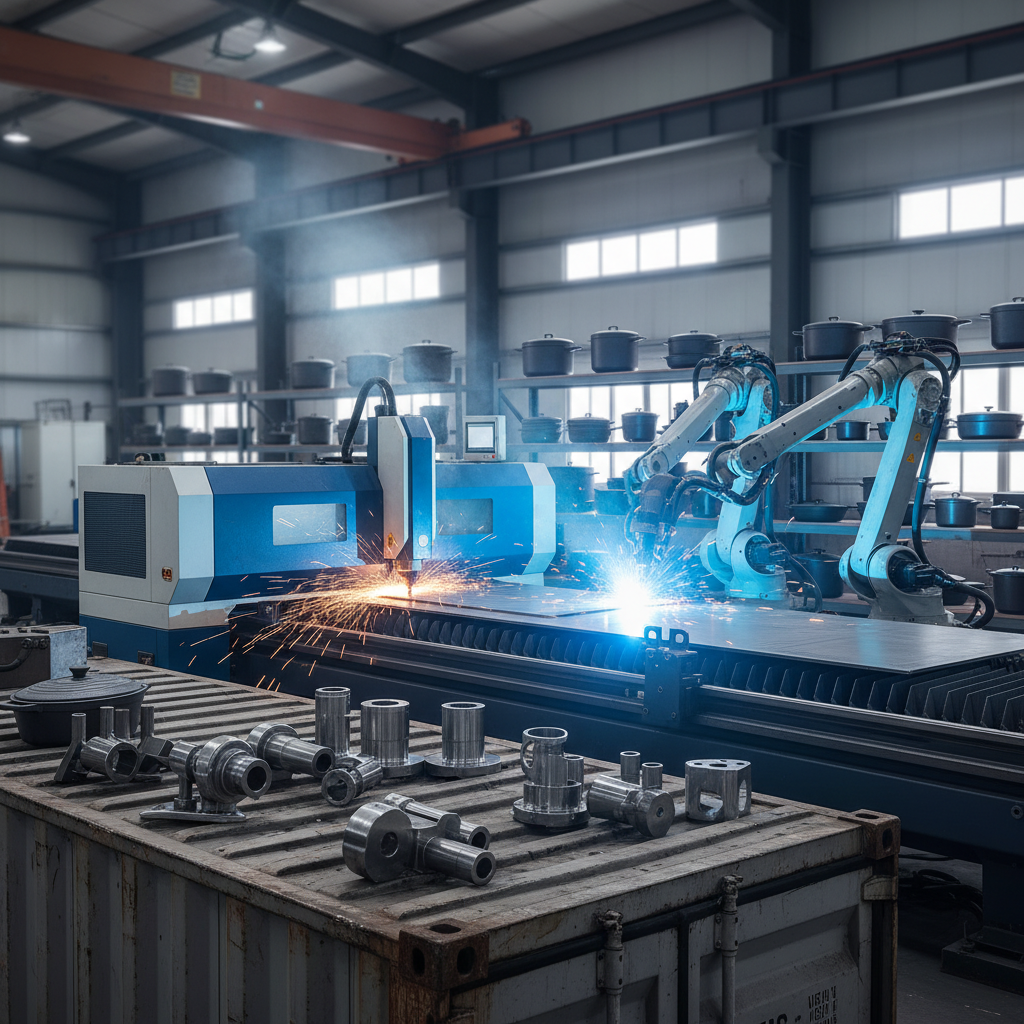
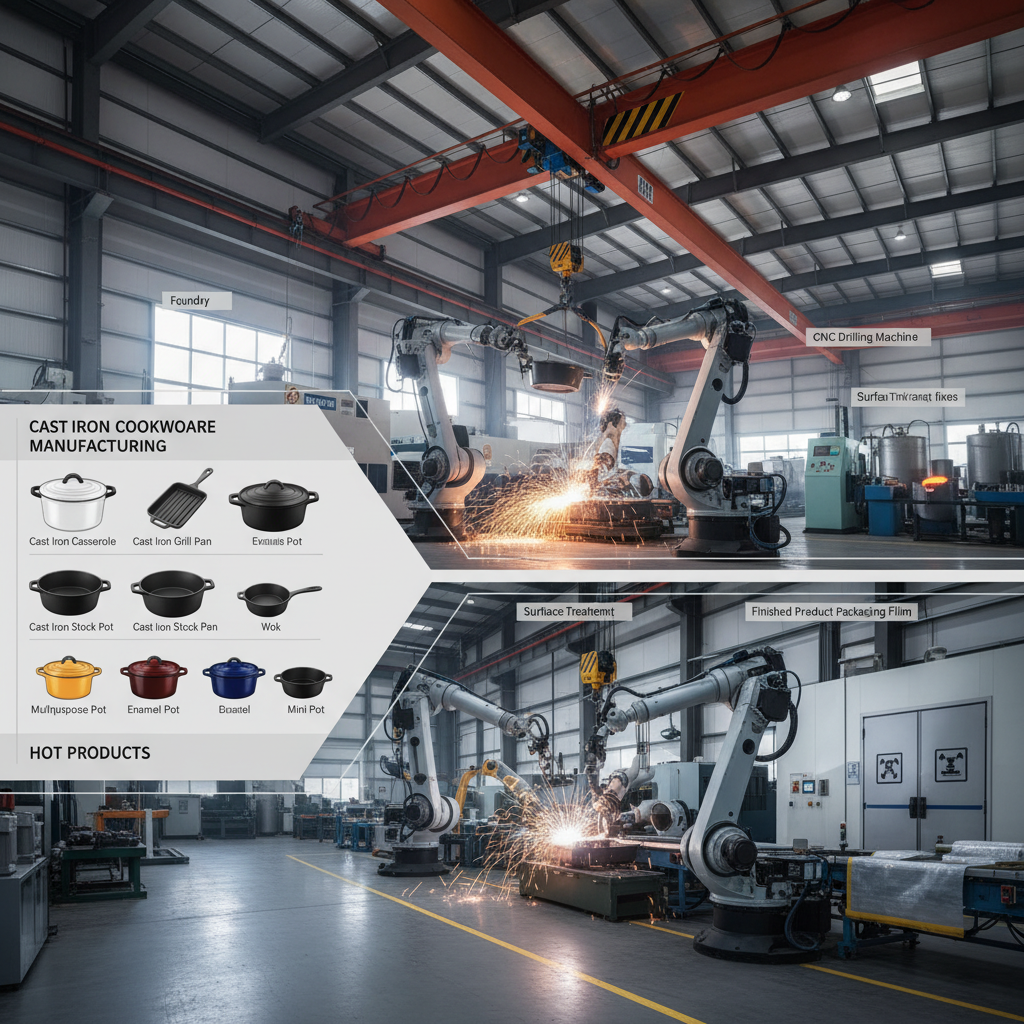
Professional Cast Iron Casserole Factory for Premium Cookware

The Industrial Standard of a Cast Iron Casserole Factory

Professional Cast Iron Casserole Factory for Premium Cookware

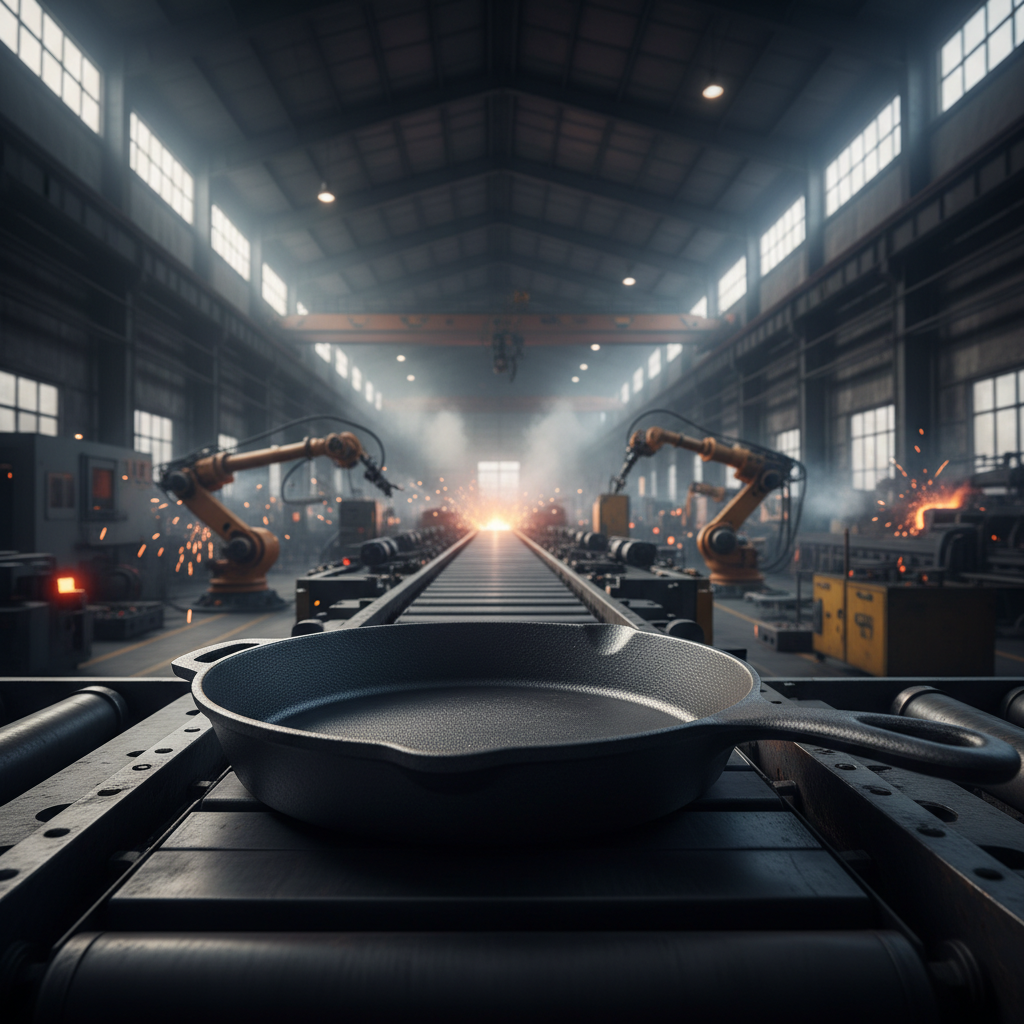
A world-class cast iron casserole factory operates at the intersection of heavy industry and precision engineering. The primary goal is to eliminate porosity—tiny air bubbles in the metal—which can lead to structural weaknesses or uneven heating. By utilizing vacuum melting and precise temperature controls, these factories ensure that the molten iron fills every corner of the mold, resulting in a dense, durable pot that can withstand thousands of heating cycles without cracking.

Beyond the casting itself, the finishing process distinguishes a mediocre facility from an industry leader. This includes advanced grinding techniques to ensure a perfectly flat rim for tight-fitting lids, as well as the application of food-grade coatings. Whether it is traditional seasoning with vegetable oils or the application of a vitreous enamel layer, the factory must adhere to strict ISO and FDA standards to guarantee that the cookware is safe for a variety of culinary applications.

Technical Components of High-Quality Casting

The foundation of any successful cast iron casserole factory lies in its mold design and sand-casting technology. The use of high-pressure molding ensures that the dimensions of the casserole remain consistent across thousands of units. This precision is vital for the "seal" between the pot and the lid, which allows for the moisture-trapping effect essential for braising and slow-cooking.

Another critical component is the cooling rate. If the iron cools too quickly or unevenly, internal stresses can develop, leading to warping. Expert factories employ controlled cooling chambers that allow the molecular structure of the iron to stabilize, ensuring that the final product is balanced and resistant to thermal shock, which is a common failure point in lower-quality cookware.

Finally, the integration of quality inspection tools, such as X-ray scanning and ultrasonic testing, allows the factory to detect internal flaws that are invisible to the naked eye. By filtering out defective castings before they reach the finishing stage, the factory reduces waste and ensures that only the highest-grade vessels reach the consumer's kitchen.

Material Selection and Heat Management

Material purity is the first priority for a professional cast iron casserole factory. The use of low-sulfur and low-phosphorus iron ensures that the resulting cookware is less brittle and more resistant to corrosion. By sourcing premium raw materials, manufacturers can guarantee that the pots provide the signature "heavy-duty" feel while maintaining a level of purity that prevents metallic tastes from leaching into the food.

Heat management is where the expertise of a cast iron casserole factory truly shines. Cast iron is prized for its high thermal mass, meaning it can hold a massive amount of heat and release it slowly. The factory optimizes the wall thickness—usually between 3mm to 6mm—to ensure that there are no "cold spots," allowing a chef to sear meat perfectly and then simmer it for hours without the temperature fluctuating wildly.

Furthermore, the choice between grey iron and ductile iron can significantly alter the product's performance. While grey iron is the traditional choice for its excellent heat retention, some modern factories are experimenting with alloys that offer slightly more flexibility, reducing the risk of cracking when moving a pot from a freezer to a hot oven.

Operational Efficiency and Production Scalability

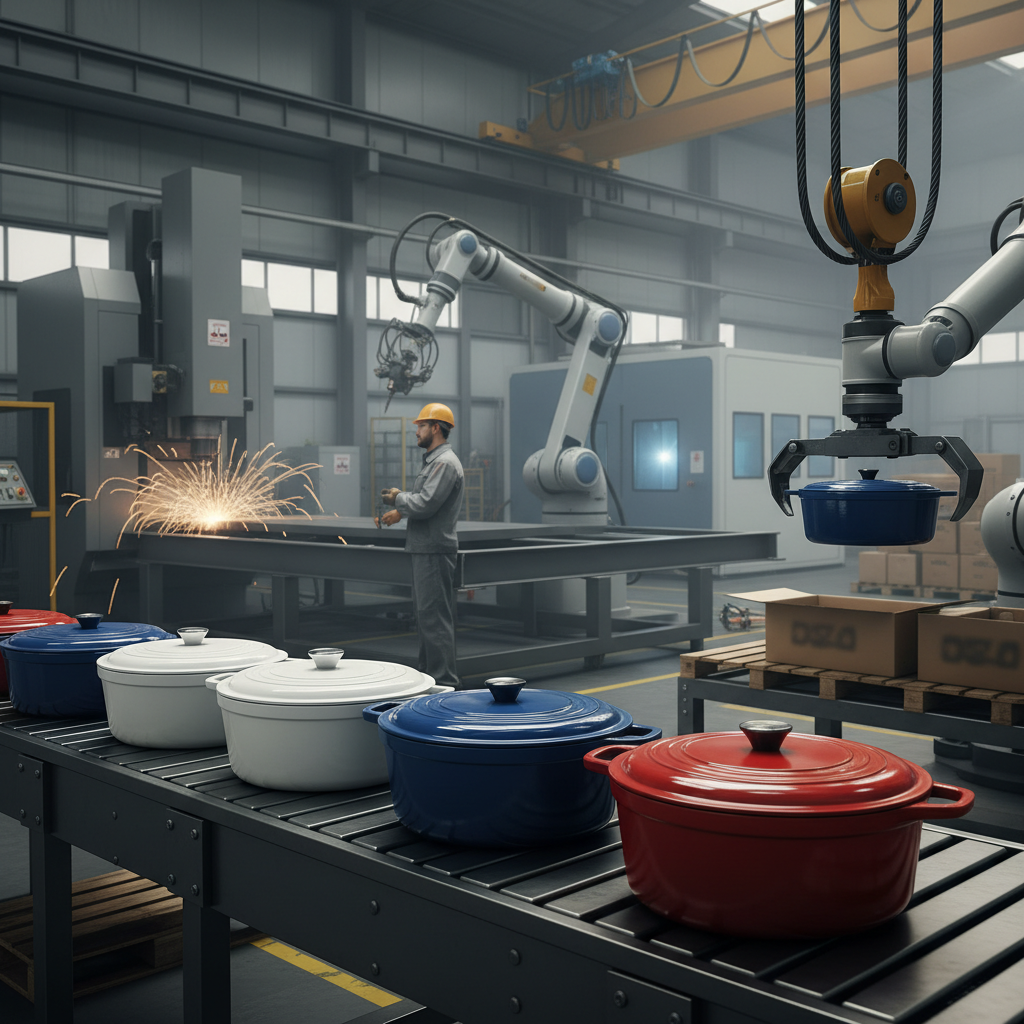
To meet global demand, a cast iron casserole factory must balance handcrafted quality with automated efficiency. Modern facilities utilize automated pouring systems that deliver an exact volume of molten iron into the molds, reducing human error and minimizing material waste. This level of automation allows the factory to scale production from small boutique batches to millions of units for global retail chains without sacrificing the integrity of the product.

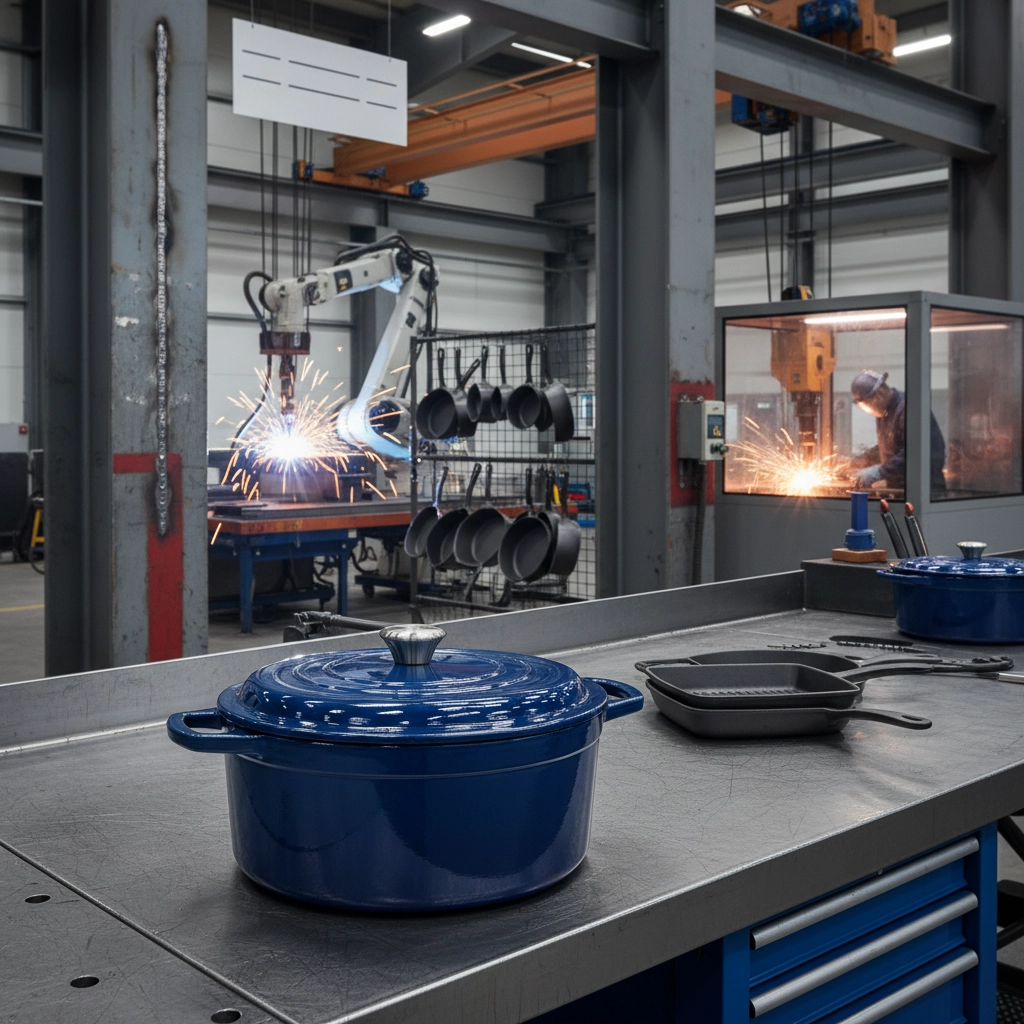
Scalability also extends to the variety of the product line. A versatile factory can quickly pivot between producing Cast Iron Skillets, Stock Pots, and Enamel Pots using interchangeable mold systems. This agility allows brands to expand their catalogs rapidly based on seasonal trends, such as the increased demand for large casserole pots during the winter holiday season.

Production Capability Comparison by Factory Method


Global Applications and Market Use Cases

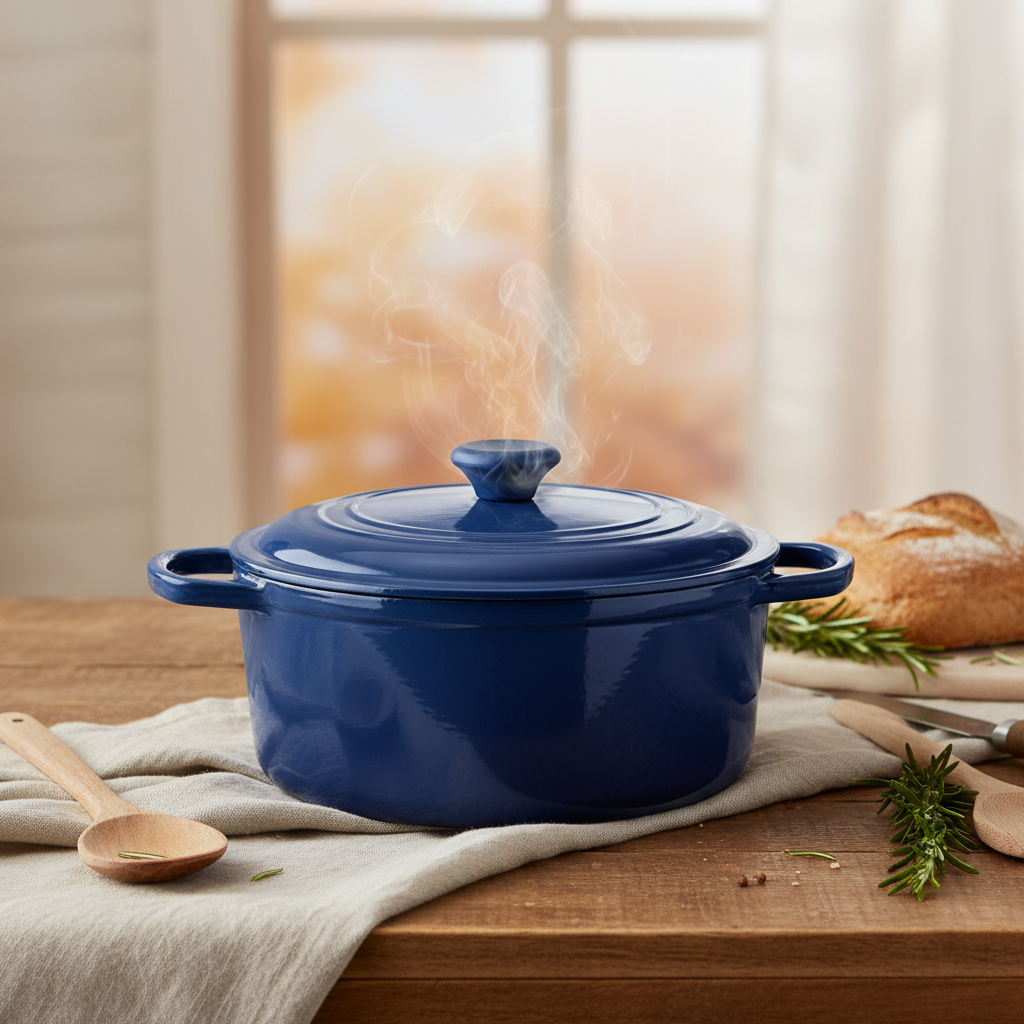
The output of a professional cast iron casserole factory finds its way into diverse markets worldwide. In North America and Europe, there is a strong preference for enamel-coated cast iron due to its non-reactive nature and ease of cleaning, making it ideal for acidic sauces and modern induction cooktops. These markets prioritize aesthetic variety, demanding a wide range of vibrant colors and ergonomic handles.

In contrast, Asian and emerging markets often emphasize the versatility of seasoned, raw cast iron for high-heat stir-frying and traditional slow-braising. Here, the factory's ability to produce heavy-bottomed Woks and Multipurpose Pots is key. By tailoring production to regional cooking styles, a global factory can capture multiple market segments, providing a "legacy" product that lasts for generations.

Long-term Value and Sustainable Manufacturing

One of the most compelling arguments for sourcing from a sustainable cast iron casserole factory is the concept of "circular economy." Unlike non-stick aluminum pans that end up in landfills after a few years, cast iron is virtually indestructible and 100% recyclable. Factories that implement scrap-metal recovery systems can reuse nearly all their production waste, significantly reducing the environmental footprint of the smelting process.

From a consumer perspective, the value proposition is based on longevity. A well-manufactured casserole pot is often passed down as an heirloom. This "buy it once, buy it right" philosophy is driving a shift away from disposable kitchenware. For the brand, this creates a narrative of trust and reliability, associating the product with quality and timelessness.

Moreover, the move toward green energy in the manufacturing sector—such as using electric arc furnaces powered by renewable energy—is allowing factories to market their products as "eco-friendly." This alignment with global sustainability goals makes them more attractive to modern, conscious consumers.

Future Innovations in Cast Iron Production

The future of the cast iron casserole factory is being shaped by digital transformation and material science. 3D printing of sand molds is already reducing the lead time for new product prototypes from weeks to days. This allows factories to iterate designs rapidly, creating more complex shapes and optimized weight distributions that were previously impossible with traditional molding techniques.

Additionally, we are seeing the development of "hybrid" coatings. Future innovations include nanoceramic layers that provide the non-stick properties of Teflon but with the heat resistance and safety of enamel. These advancements ensure that cast iron remains relevant in the age of ultra-modern, high-efficiency kitchens.

Automation is also entering the finishing stage, where AI-driven robotic arms can inspect the surface of every single pot for microscopic imperfections. This ensures a level of consistency that human inspection simply cannot match, further cementing the reputation of the high-end cast iron casserole factory.

Comparison of Traditional vs. Innovative Casting Technologies

Technology Type Production Speed Precision Level Eco-Impact Score
Traditional Sand Casting Slow Moderate 5/10
Automated Shell Molding Fast High 7/10
3D Printed Mold Casting Very Fast (Prototypes) Ultra-High 8/10
Centrifugal Casting Moderate High 6/10
Vacuum Die Casting Very Fast Ultra-High 7/10
Green-Energy Smelting Moderate High 10/10

FAQS

What is the main difference between a raw cast iron and an enamel casserole factory?

A raw cast iron factory focuses on the smelting, casting, and seasoning process, producing cookware that develops a natural non-stick surface over time. An enamel factory adds a high-temperature vitreous coating to the iron. This coating makes the cookware non-reactive to acidic foods (like tomatoes) and eliminates the need for seasoning, though it requires more careful handling to avoid chipping.

How does a factory ensure that cast iron pots don't crack under high heat?

Professional factories use controlled cooling (annealing) to relieve internal stresses within the metal. By ensuring a uniform molecular structure and using high-purity iron with low impurities, they create a product that can withstand thermal expansion and contraction without fracturing, which is a hallmark of premium industrial casting.

Can a cast iron casserole factory handle custom OEM designs for brands?

Yes, most modern factories offer OEM services. This involves creating custom molds based on a brand's technical drawings. The process typically includes prototyping (often via 3D printing), sample approval, and then full-scale production. They can customize everything from the pot's volume and handle shape to the specific color of the enamel coating.

What quality certifications should I look for in a cookware factory?

You should look for ISO 9001 for quality management systems, as well as FDA or LFGB certifications to ensure that the materials and coatings used are food-safe and lead-free. For enamel products, certification regarding the purity of the glass coating is essential to ensure no harmful chemicals are released during high-heat cooking.

Is the production process of cast iron cookware environmentally friendly?

While smelting is energy-intensive, cast iron is one of the most sustainable cookware options because it is infinitely recyclable and lasts a lifetime. Leading factories are now implementing "closed-loop" systems where scrap metal is melted down and reused, and switching to electric furnaces to reduce carbon emissions.

How do factories achieve a perfectly flat rim for the lid to fit?

After the initial casting, the rims are processed using CNC grinding machines. These machines shave off microscopic amounts of metal to ensure the surface is perfectly planar. This precision engineering is what creates the tight seal necessary for maintaining pressure and moisture during the cooking process.

Conclusion

Choosing a partner in the form of a high-quality cast iron casserole factory is more than a procurement decision; it is a commitment to durability, performance, and culinary tradition. From the meticulous selection of raw iron to the implementation of cutting-edge CNC finishing and sustainable smelting, every detail contributes to a product that serves as a cornerstone in the kitchen. By prioritizing technical precision and material purity, brands can offer consumers a product that balances the rustic charm of traditional cooking with the reliability of modern industrial standards.

As the industry moves toward greener energy and AI-driven quality control, the role of the specialized factory will only become more critical. Whether you are looking to launch a new line of enamel pots or scale an existing brand of professional skillets, the synergy between artisan knowledge and industrial scale is where true value is created. We invite you to explore the pinnacle of cookware manufacturing—visit our website: www.dbecookware.com to discover how we can bring your vision to life.

David Miller

David Miller

David Miller is the Senior Production Manager at Hebei Debien Technology. With over 15 years of experience in manufacturing, David oversees all aspects of the cast iron cookware production process, from raw material sourcing to final quality control. He's instrumental in implementing Debien's advanced production lines, including the ZZ416B injection
Previous Professional Cast Iron Casserole Supplier for Premium Cookware
Next WorldClass Cast Iron Casserole Manufacturing Excellence

Inquire Now for Cast Iron Cookware Deals

Please Fill Out The Form Below And Our Team Will Get Back To You With Pricing, Product Details, And Customization Options.