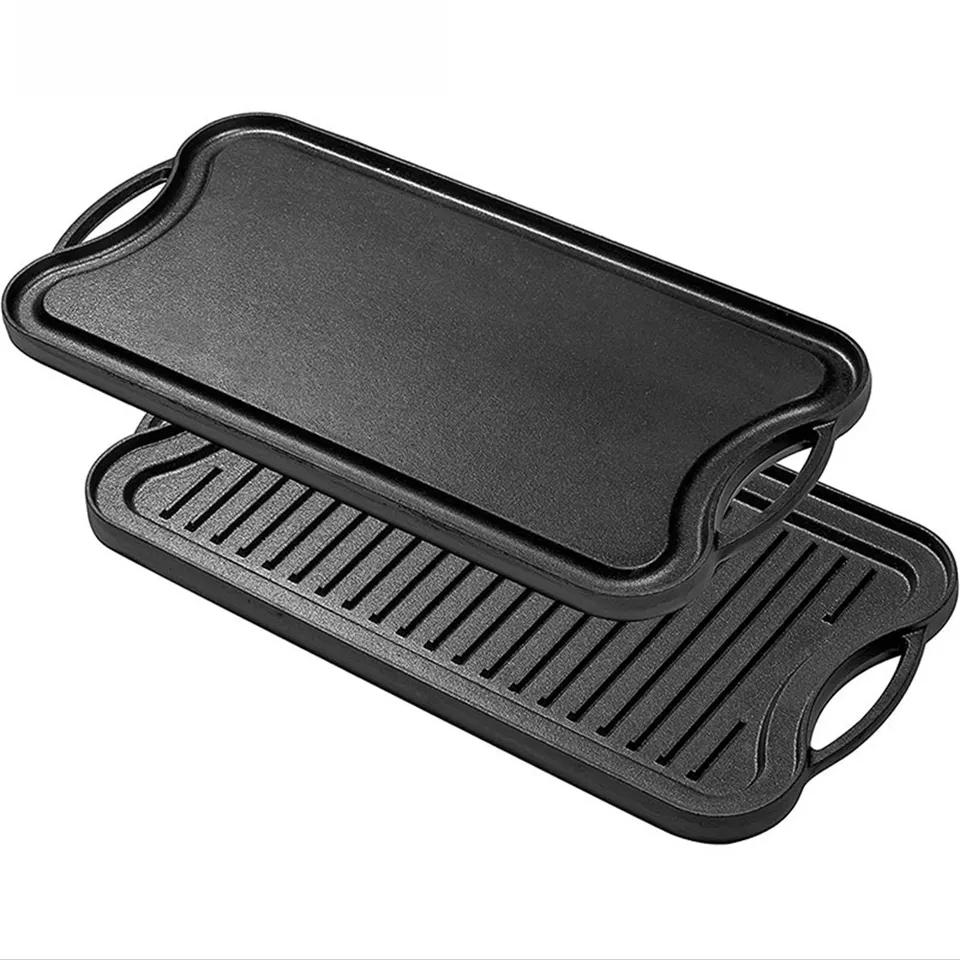





Top Quality Guide for Professional Iron Skillet Manufacturers
Selecting professional-grade cookware requires a balance between thermal mass and surface integrity. For high-volume catering or home gourmet use, the enamel cast iron casserole stands out as a versatile tool capable of transitioning seamlessly from the stovetop to the oven. Unlike raw cast iron, the vitreous enamel coating provides a non-reactive barrier that protects acidic ingredients from metallic leaching while simplifying the maintenance process.
For procurement managers and distributors, the value of these vessels lies in their heat retention and durability. A well-constructed Dutch oven ensures that heat is distributed evenly across the base and sides, eliminating hotspots that cause scorching. By integrating advanced casting techniques and precision enameling, manufacturers can provide cookware that meets stringent food safety standards like FDA and LFGB, ensuring longevity in demanding kitchen environments.

Thermal Engineering and Material Advantages of Enameled Cast Iron
The core performance of a cast iron casserole is rooted in its thermal density. Cast iron is prized for its ability to absorb and hold immense amounts of heat, which is critical for slow-cooking, braising, and stewing. When this material is fused with a glass-based enamel coating, it solves the primary challenge of raw iron: reactivity. The enamel surface is non-porous, meaning it does not absorb odors or flavors from previous meals, making it ideal for a wide range of recipes from tomato-based sauces to delicate creams.
From a manufacturing perspective, the quality of the enamel bond is paramount. High-temperature firing ensures that the enamel adheres permanently to the iron core, preventing chipping and peeling under thermal shock. This combination allows for a naturally non-stick experience without the use of chemical PTFE coatings. Proteins achieve a superior Maillard reaction—the browning effect—while the heavy lid creates a tight seal that locks in moisture, effectively reducing the need for added liquids during long cooking cycles.

Optimizing Kitchen Workflow with Large-Capacity Dutch Ovens
Efficiency in a commercial or family-style kitchen often depends on the capacity of the primary cooking vessel. Large-capacity Dutch ovens (6-8 quarts) simplify the process of cooking for crowds. These vessels can accommodate whole chickens or large batches of soup without sacrificing heat distribution. The structural weight of the cast iron prevents the pot from tipping when full, and the wide opening allows for efficient stirring and serving, which is essential for maintaining texture in thick stews.
Beyond capacity, the ergonomic design of the handles plays a critical role in safety. Heavy-duty "two ear" handles are designed for a secure grip, allowing the chef to move the pot safely from the burner to the oven. For meal preppers and professional entertainers, utilizing a single large vessel reduces the number of batches required, streamlining energy consumption and reducing cleanup time. The result is restaurant-quality consistency delivered through a tool designed for endurance.
Surface Maintenance and Stain Resistance in Professional Cookware
One of the most significant advantages of enamel over raw cast iron is the ease of cleanup. The smooth, glass-like interior allows food residues to be wiped away with warm water and a mild detergent. While stubborn bits may require a brief soak, the non-porous nature of the surface prevents the "seasoning" requirement associated with traditional iron skillets. This means the cookware can be air-dried without the immediate risk of rust, significantly lowering the labor cost associated with maintenance.
Stain resistance is another key performance indicator. Quality enamel interiors are engineered to resist discoloration even when exposed to strongly pigmented foods like curries or acidic tomato sauces. Because the surface does not absorb oils or food particles, the pot maintains its aesthetic appeal over years of use. This makes enamel cookware particularly valuable for "oven-to-table" presentation, where the visual quality of the vessel is as important as its cooking performance.
Enamel Cast Iron Selection Criteria for Buyers
| Evaluation Factor | Standard Cast Iron | Enameled Cast Iron | Buyer Consideration |
|---|---|---|---|
| Maintenance | Requires Seasoning | Easy Wash/No Seasoning | Labor Efficiency |
| Acidity Tolerance | Reactive with Acid | Non-Reactive | Recipe Versatility |
| Heat Distribution | High/Uneven | High/Consistent | Cooking Precision |
| Surface Durability | Rust Prone | Rust Resistant | Product Lifespan |
| Cleaning Method | Oil-based/No Soap | Standard Detergent | Hygiene Standards |
Manufacturing Excellence and Quality Certification Standards
The reliability of cast iron cookware is determined by the precision of the casting and the purity of the materials. Advanced production lines, such as automatic vertical parting-type box-free injection molding, ensure that the walls of the casserole are uniform in thickness. This prevents warping and ensures that heat flows evenly from the base to the rim. Furthermore, the use of spectrometers and digital hydraulic testing machines allows manufacturers to verify the metallurgical composition of the iron, ensuring it can withstand high temperatures without cracking.
For international trade, certifications are the primary marker of trust. Compliance with ISO 9001 ensures a consistent quality management system, while BSCI audits confirm social responsibility in the factory. Most importantly, food-contact safety certifications such as FDA, LFGB, and KFDA are non-negotiable for cookware entering global markets. These standards guarantee that the enamel coating is lead-free and cadmium-free, providing a safe environment for food preparation across various temperature ranges.
Strategic Sourcing for Global Cookware Distribution
When sourcing from iron skillet manufacturers, buyers should look beyond the unit price and evaluate the total production capability. A supplier with integrated enamel and vegetable oil lines can offer a broader product portfolio, from classic pre-seasoned skillets to luxury enameled Dutch ovens. This integration allows for better quality control and more flexible customization options, such as bespoke colors and logo embossing, which are essential for brand differentiation in a competitive retail market.
The current trend in the cookware industry is moving toward "minimalist" and "contemporary" designs that blend professional performance with home aesthetic. Investing in a supplier that actively responds to market demands with creativity and updated equipment ensures that the products remain relevant. Whether the goal is a high-end boutique line or a mass-market distribution, the focus must remain on the synergy between material durability, safety certifications, and design adaptability.
Common Inquiries Regarding Enamel Cast Iron Cookware
Does enamel cast iron require seasoning like traditional cast iron?
No, enamel cast iron does not require seasoning. The vitreous enamel coating provides a smooth, non-reactive surface that protects the iron from rust and prevents food from sticking, eliminating the need for the oil-layering process used in raw iron.
Can these casserole pots be used on all types of stovetops?
Yes, they are compatible with gas, electric, and induction cooktops due to the magnetic properties of the cast iron core. They are also oven-safe, making them ideal for braising and baking.
How do I prevent the enamel from chipping or cracking?
To preserve the enamel, avoid using metal utensils that could scratch the surface and prevent extreme temperature shocks (such as placing a scorching hot pot directly into ice-cold water). Use silicone or wooden tools for stirring.
Are enameled pots safe for cooking acidic foods like tomato sauce?
Yes, the enamel coating is non-reactive, meaning it will not interact with acidic ingredients. This prevents the "metallic" taste often found when cooking acids in raw cast iron.
What certifications should I look for when importing cookware?
For food safety, look for FDA, LFGB, and KFDA certifications. For factory quality and ethics, ISO 9001 and BSCI certifications are the global standards for reliable manufacturing.
Can I customize the color and logo for OEM orders?
Most professional manufacturers offer customization options for colors and logos to help brands establish their identity. This typically involves customized enamel pigments and precision embossing on the lid or base.
Industry Technical Resources
- FDA Food Contact Substance Guidelines
- ISO 9001 Quality Management Systems
- LFGB Food Safety Standards
- World Steel Association Technical Papers
For procurement experts seeking a reliable partner in cast iron production, focusing on material purity and certification compliance is the only way to ensure long-term product success. Contact our technical team today for detailed specifications and OEM customization options.
Expert Insights on Cast Iron Cookware