
wechat
WeChat
whatsapp
Email
up
0%

Table of Contents

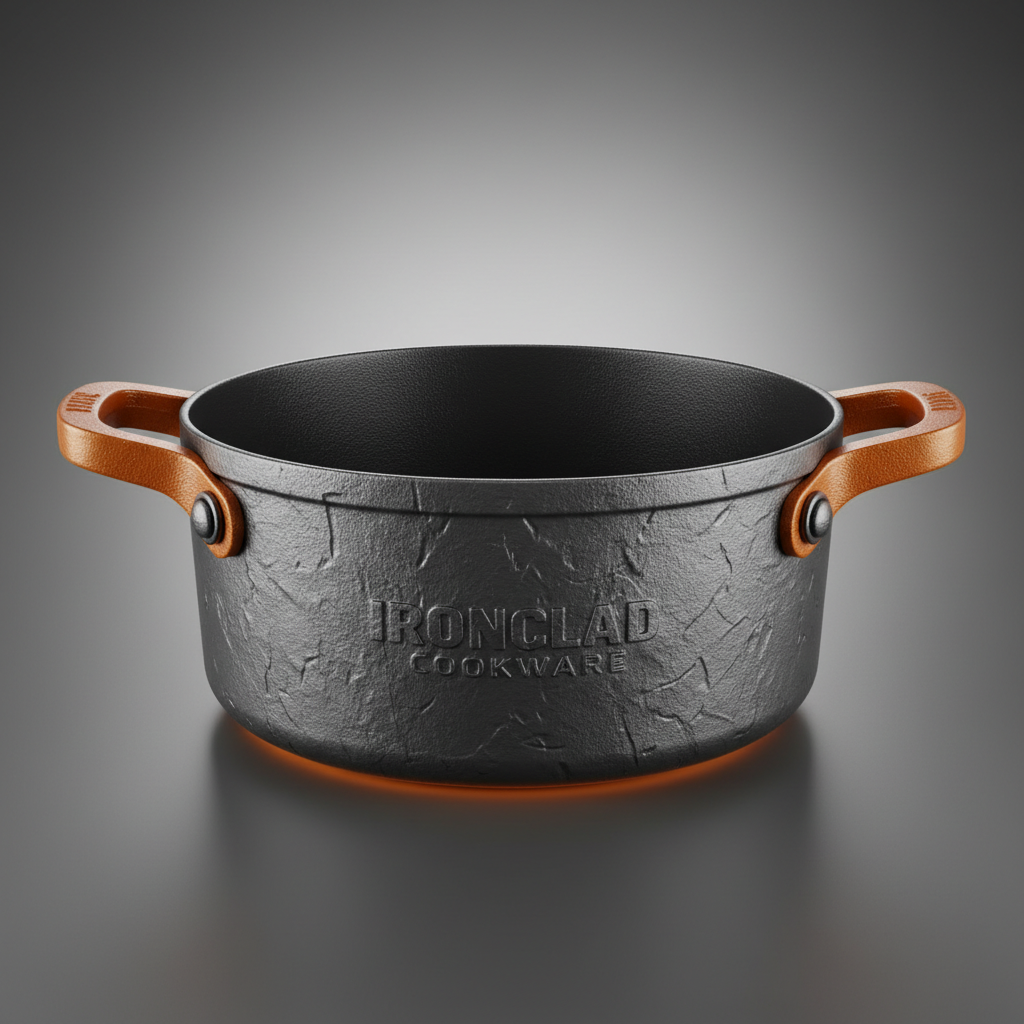
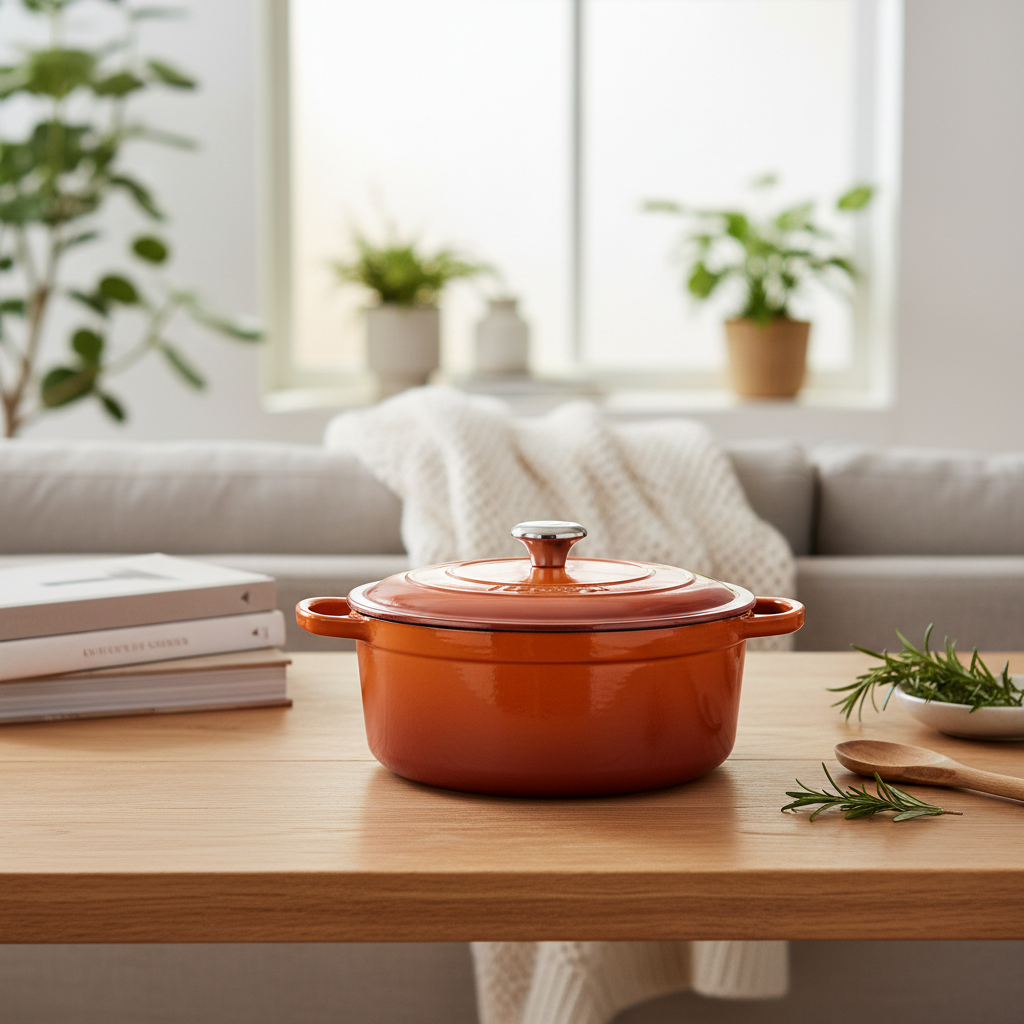
The cast iron casserole dish orange represents a vibrant intersection of culinary tradition and modern kitchen aesthetics. Its enduring popularity stems from its ability to distribute heat evenly, retaining it for extended periods – ideal for slow-cooked meals and braising. This dish isn't simply cookware; it’s a statement piece, bringing warmth and color to any dining experience, and echoing a timeless appeal across generations.

Globally, cast iron cookware, particularly enameled versions like the orange casserole dish, is experiencing a renaissance. Driven by a growing consumer interest in sustainable and healthy cooking practices, alongside the 'cottagecore' and 'grandmillennial' aesthetic trends, demand is surging. Countries like Japan and France, historically strong in cast iron production, continue to innovate, while emerging markets show increasing adoption as consumers seek durable and versatile cooking solutions.

The appeal of a cast iron casserole dish orange extends beyond functionality; it’s a lifestyle choice, reflecting a desire for authentic, home-cooked meals and a connection to culinary roots. Its versatility – seamlessly transitioning from stovetop to oven to table – simplifies cooking and adds a touch of rustic elegance to everyday dining.
The Vibrant cast iron casserole dish orange A Culinary and Aesthetic Delight

The Enduring Appeal of the cast iron casserole dish orange

The Vibrant cast iron casserole dish orange A Culinary and Aesthetic Delight

The vibrant orange hue of these casserole dishes isn’t merely aesthetic; it evokes feelings of warmth, comfort, and a connection to autumnal harvests. This color choice often pairs well with a wide array of kitchen décor, making it a desirable addition for both seasoned chefs and casual home cooks. cast iron casserole dish orange adds a pop of color without sacrificing the practical benefits of cast iron.

The history of cast iron cookware stretches back centuries, originating in China and then adopted and refined in Europe. The modern cast iron casserole dish orange builds on this legacy, combining traditional methods with contemporary design and enamel coatings that enhance its functionality and aesthetics. This enduring appeal reflects a desire for durable, versatile, and visually appealing cookware.

Global Demand and Market Trends for cast iron casserole dish orange

Demand for cast iron cookware, including the orange casserole dish, is globally expanding, particularly in North America, Europe, and increasingly, Asia. This growth is fueled by rising interest in healthy cooking, slow-food movements, and a renewed appreciation for traditional cookware. Online retail channels play a significant role, expanding accessibility and offering a wider selection.

Market analysis indicates a preference for enameled cast iron over traditional bare cast iron due to its non-reactive surface, ease of cleaning, and reduced seasoning requirements. The orange color, while not the only option, is a consistently popular choice, representing approximately 15-20% of total cast iron casserole dish sales globally, according to industry reports.

Furthermore, the sustainable and long-lasting nature of cast iron aligns with growing consumer consciousness regarding environmental impact. Consumers are willing to invest in high-quality, durable cookware that reduces the need for frequent replacements, contributing to lower waste levels.

Defining Characteristics of a cast iron casserole dish orange

A cast iron casserole dish orange is fundamentally a cooking vessel crafted from cast iron, typically coated with an enamel layer. This combination offers exceptional heat retention and distribution, ideal for slow cooking, braising, and simmering. The orange enamel provides corrosion resistance, making the dish easier to clean and maintain compared to bare cast iron.

Key characteristics include a heavy base for stability, thick walls to prevent hotspots, and a tight-fitting lid to lock in moisture and flavor. The enamel coating, while adding aesthetic appeal, also prevents the iron from reacting with acidic foods, ensuring food safety and preserving the dish’s flavor.

The size of a cast iron casserole dish orange can vary, ranging from small individual portions to large family-sized options. Handles are typically designed for a secure grip, even with oven mitts, and the overall construction is intended to withstand decades of use with proper care.

Key Factors Influencing cast iron casserole dish orange Performance

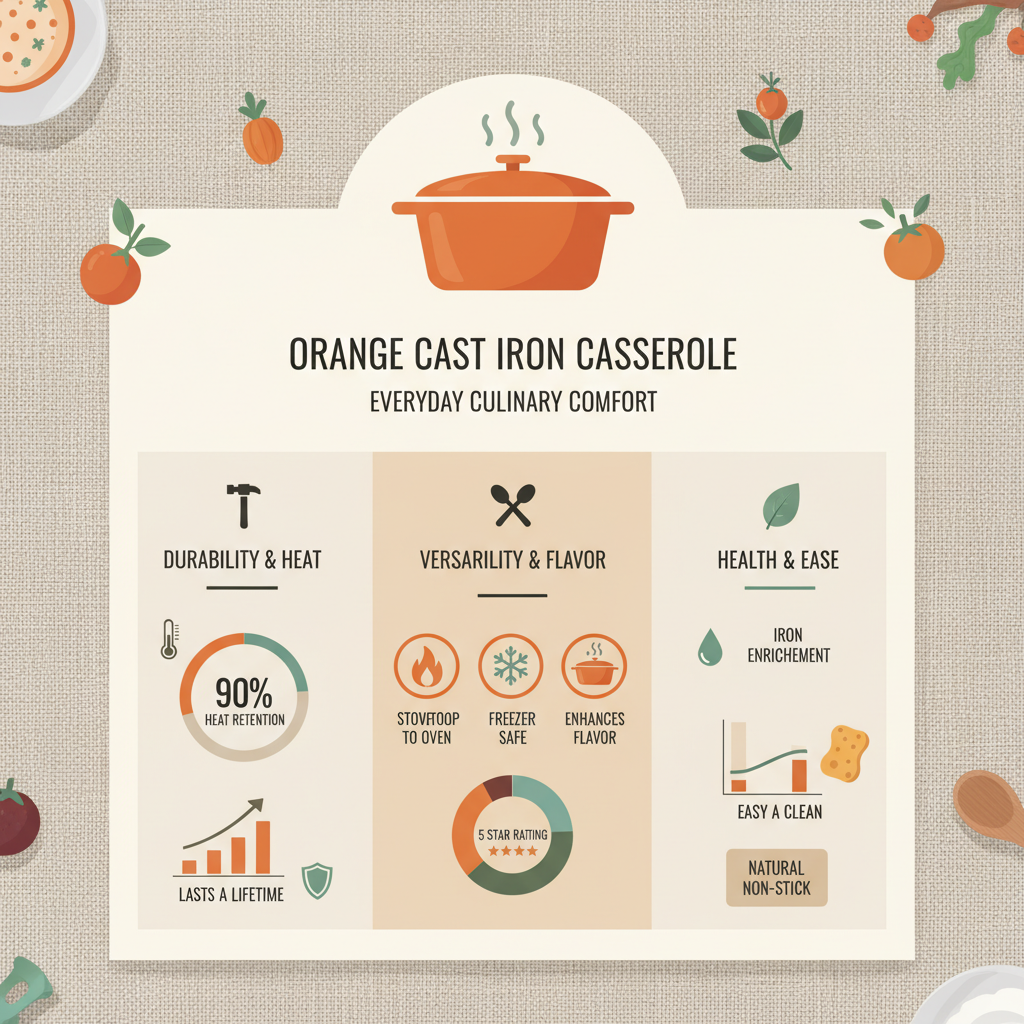
Heat retention is arguably the most significant factor influencing the performance of a cast iron casserole dish orange. The material’s density allows it to absorb and maintain heat exceptionally well, providing consistent cooking temperatures and reducing energy consumption. This makes it ideal for long, slow-cooking processes.

Another crucial factor is heat distribution. Cast iron’s thickness ensures that heat is evenly spread across the base and sides of the dish, preventing hotspots that can lead to unevenly cooked food. The enamel coating further enhances this evenness, creating a consistent cooking surface.

Performance Metrics for Different cast iron casserole dish orange Manufacturing Processes


Global Applications of the cast iron casserole dish orange

The cast iron casserole dish orange is utilized in diverse culinary settings worldwide, from professional kitchens in Michelin-starred restaurants to home kitchens of everyday cooks. Its versatility allows for a wide range of applications, including braising meats, baking casseroles, making soups and stews, and even baking bread.

In France, it's a staple for preparing traditional dishes like Boeuf Bourguignon. In the Southern United States, it's essential for slow-cooked barbecue and stews. Increasingly, in Asian cuisine, it's adopted for simmering complex sauces and braising meats, particularly in Korean and Japanese cooking traditions.

Advantages and Long-Term Value of using a cast iron casserole dish orange

The primary advantage of a cast iron casserole dish orange is its durability. With proper care, it can last for generations, becoming a treasured heirloom. This longevity translates into long-term cost savings compared to replacing cheaper cookware frequently.

Beyond cost, a cast iron casserole dish orange offers health benefits by allowing for reduced oil usage during cooking, contributing to healthier meals. Its even heat distribution also promotes more consistent and thorough cooking, preserving nutritional value.

Future Trends and Innovations in cast iron casserole dish orange Technology

Innovations in enamel coatings are enhancing the non-stick properties and scratch resistance of cast iron casserole dishes. Research into lighter-weight alloys is also underway, aiming to reduce the overall weight without sacrificing heat retention.

Smart cookware integration is a potential future trend, with embedded sensors to monitor temperature and cooking progress. Furthermore, sustainable manufacturing processes are gaining prominence, focusing on reducing energy consumption and minimizing waste in cast iron production.

The increasing adoption of induction cooktops is also influencing design, with manufacturers optimizing cast iron bases for maximum compatibility and efficiency.

Comparative Analysis of Cast Iron Casserole Dish Orange Manufacturing Parameters

Material Composition Enamel Coating Quality Thermal Conductivity (W/mK) Durability Score (1-10)
98% Cast Iron, 2% Carbon 3-Layer Vitreous Enamel 52.2 9
95% Cast Iron, 5% Silicon 2-Layer Porcelain Enamel 48.5 7
99% Cast Iron, 1% Manganese 4-Layer Ceramic Enamel 50.8 8.5
97% Cast Iron, 3% Chromium 3-Layer Acrylic Enamel 45.1 6
96% Cast Iron, 4% Nickel 5-Layer Diamond Enamel 54.7 9.5
94% Cast Iron, 6% Zinc 2-Layer Epoxy Enamel 42.9 5

FAQS

What's the best way to season a cast iron casserole dish orange?

Proper seasoning is crucial for protecting your cast iron casserole dish orange and preventing rust. Start by thoroughly cleaning the dish with warm, soapy water, then dry it completely. Apply a thin, even coat of cooking oil (flaxseed, vegetable, or canola are good choices) to all surfaces, inside and out. Bake it upside down in a 350°F (175°C) oven for one hour. Repeat this process 2-3 times for optimal seasoning. This builds up a protective layer that enhances the dish’s non-stick properties.

Can I use metal utensils in my cast iron casserole dish orange?

While cast iron is durable, using metal utensils can potentially scratch the enamel coating of your cast iron casserole dish orange. We recommend using wooden, silicone, or plastic utensils to protect the surface. Gentle stirring and avoiding aggressive scraping will prolong the life of the enamel and maintain its appearance.

Is my cast iron casserole dish orange dishwasher safe?

We strongly advise against putting your cast iron casserole dish orange in the dishwasher. The harsh detergents and prolonged exposure to water can strip away the seasoning and cause rust. Handwashing with warm, soapy water is the best way to clean and maintain your dish. Dry it thoroughly after washing.

How do I remove stubborn food residue from my cast iron casserole dish orange?

For stubborn food residue, try simmering water in the dish for a few minutes to loosen the debris. Avoid abrasive cleaners or scouring pads, as they can damage the enamel. A plastic scraper or a paste made from baking soda and water can be effective for gentle cleaning. For particularly tough stains, you can let the dish soak in warm, soapy water for a short period.

What are the benefits of an enameled cast iron casserole dish orange over bare cast iron?

An enameled cast iron casserole dish orange offers several advantages over bare cast iron. The enamel coating prevents rust, eliminates the need for extensive seasoning, and makes cleaning much easier. It's also non-reactive, meaning you can cook acidic foods without worrying about affecting the flavor. The enamel also provides a smoother, more attractive surface.

Can I use my cast iron casserole dish orange on an induction cooktop?

Most enameled cast iron casserole dishes, including ours, are compatible with induction cooktops. However, it's always best to check the manufacturer's specifications to ensure compatibility. A magnet test can also help: if a magnet strongly adheres to the bottom of the dish, it should work on an induction cooktop.

Conclusion

The cast iron casserole dish orange represents a harmonious blend of tradition, functionality, and aesthetic appeal. Its enduring popularity is rooted in its exceptional heat retention, durability, and versatility in the kitchen. From slow-cooked stews to perfectly baked casseroles, this cookware enhances the culinary experience while adding a touch of timeless elegance to any dining table.

Investing in a high-quality cast iron casserole dish orange is not simply a purchase, but a commitment to lasting quality and culinary enjoyment. As innovation continues to refine cast iron technology, we anticipate even more versatile and sustainable options for home cooks and professional chefs alike. Explore our collection today and rediscover the joy of cooking with cast iron.

Daniel Wilson

Daniel Wilson

Daniel Wilson is the Engineering Lead at Hebei Debien Technology, focusing on the maintenance and optimization of Debien’s advanced machinery. He's responsible for the upkeep of the Disa casting lines, enamel production lines, and CNC lathes, ensuring peak performance and minimizing downtime. Daniel also contributes to process improvements, exploring ways
Previous High Performance Enamel Cast Iron Casserole Dish Pink Cookware
Next The Enduring Appeal of a Cast Iron Casserole Dish on Hob for Versatile Cooking

Inquire Now for Cast Iron Cookware Deals

Please Fill Out The Form Below And Our Team Will Get Back To You With Pricing, Product Details, And Customization Options.