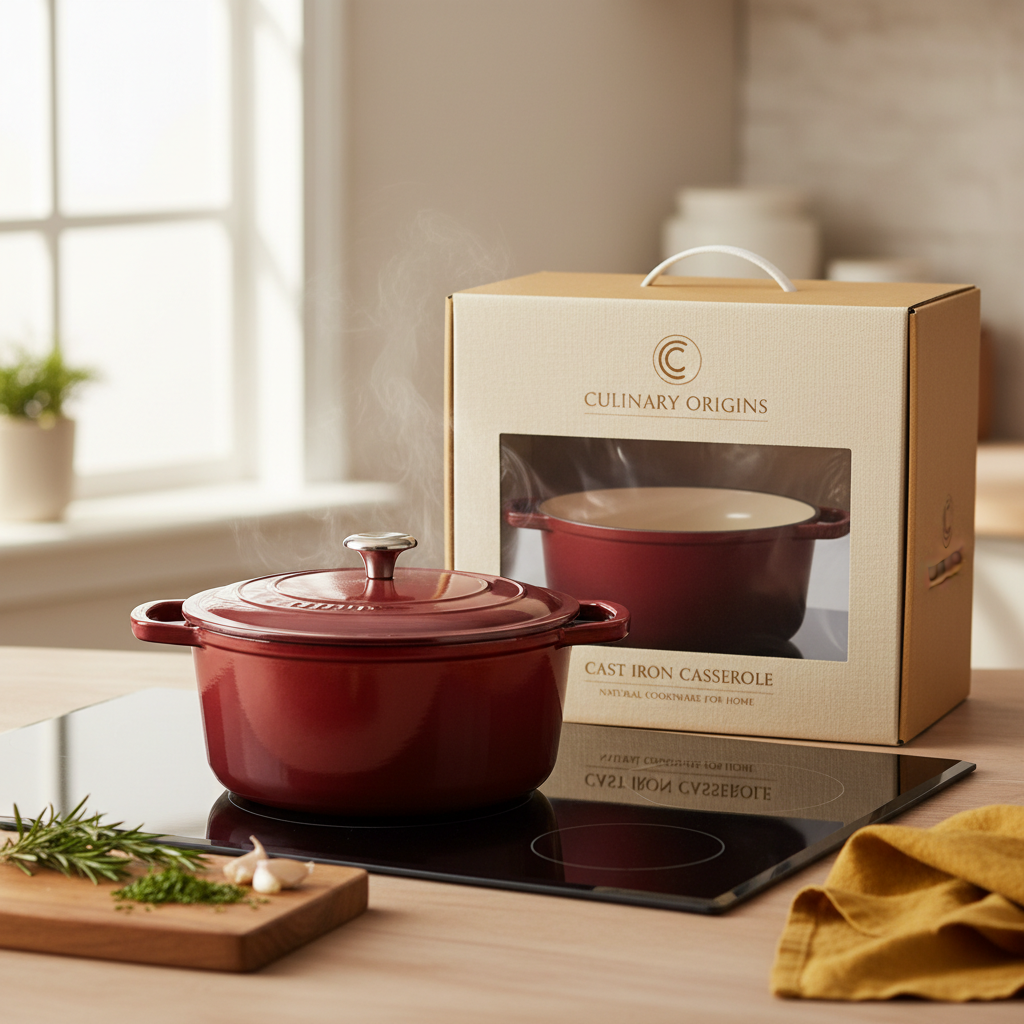


When searching for a cheap cast iron skillet, many home cooks often worry that a lower price point implies a compromise in material purity or heat distribution. However, the inherent nature of cast iron—a robust alloy of iron and carbon—means that the fundamental performance of a skillet depends more on the casting quality and the seasoning process than on a luxury brand label. For those entering the world of traditional cookware, understanding the balance between cost and durability is the first step toward building a lifelong kitchen toolkit.
The value of a budget-friendly skillet extends beyond the initial purchase price; it is about the long-term return on investment. Unlike modern non-stick pans that degrade over a few years, a well-maintained cast iron piece improves with every use. Whether you are integrating it alongside a Cast Iron Casserole, Cast Iron Grill, or Cast Iron Wok, the skillet remains the most versatile tool for searing, sautéing, and baking, providing a professional-grade crust that cheaper aluminum alternatives simply cannot replicate.
Navigating the market requires a professional eye for technical specifications, such as base thickness and surface finish, to ensure that "affordable" does not mean "low quality." By analyzing the manufacturing standards and material properties, buyers can identify high-performance tools that offer industrial-grade durability without an inflated markup. This guide explores how to identify a high-value cheap cast iron skillet and why certain production methods yield better results for the end user.


Cast iron cookware is produced by pouring molten iron into sand molds, a process that creates a dense, heavy material known for its exceptional thermal mass. In the context of professional manufacturing, the quality of the skillet is determined by the precision of the mold and the temperature control during the cooling phase. When the iron is cast correctly, the result is a pan that can withstand extreme temperatures without warping, providing a stable surface for high-heat searing.
For the consumer, a budget-friendly skillet is not necessarily an inferior one, provided the manufacturer employs rigorous inspection standards. The key is to look for cookware that emphasizes structural integrity over aesthetic perfection. A thick bottom is essential as it locks in temperature and ensures the heat is distributed evenly across the cooking surface, preventing the "hot spot" phenomenon common in thinner, cheaper pressed-steel pans.
The first critical factor is the surface finish and the initial seasoning. High-quality affordable skillets often come pre-seasoned with vegetable oils, which are baked into the metal to create a natural non-stick layer. This process, if done correctly, prevents food from sticking and protects the iron from oxidation (rust). A skillet that is "more non-stick the longer it is used" indicates a successful polymerization of the oil layers, a hallmark of professional-grade cast iron.
Secondly, the weight-to-thickness ratio is a vital indicator of performance. A skillet with a thickened bottom prevents heat loss and ensures that when a piece of meat hits the surface, the temperature does not drop precipitously. This thermal stability is what allows a cheap cast iron skillet to perform similarly to luxury brands, as the physical properties of the iron remain constant regardless of the brand's market position.
Lastly, versatility in heat source compatibility is essential. Modern manufacturing allows cast iron to be used across gas, induction cookers, and open fires. Ensuring that the bottom is flat and smooth is critical for induction efficiency, as any significant warping or unevenness can lead to poor energy transfer and inconsistent cooking results.
Evaluating a skillet based solely on the purchase price ignores the total cost of ownership. While a non-stick aluminum pan may be similarly priced, its lifespan is limited by the degradation of its chemical coating. In contrast, cast iron is effectively a permanent tool. The investment in a budget skillet is essentially a one-time expense that provides decades of utility.
The true value of cast iron lies in its regenerative nature; through the process of re-seasoning, a worn or rusted pan can be completely restored to its original state, eliminating the need for replacement and significantly reducing the long-term cost per use.
Furthermore, the environmental impact is significantly lower. Because cast iron is highly durable and avoids the use of PFAS or other synthetic coatings, it represents a sustainable choice for the health-conscious consumer. When paired with the reliability of a manufacturer like Hebei Debien Technology, which utilizes advanced production lines and ISO9001 certified quality controls, the gap between "cheap" and "premium" becomes virtually indistinguishable in daily performance.
Cast iron's performance is defined by its ability to retain heat, a property known as thermal inertia. Whether used on a high-BTU gas burner or a precise induction element, the material's density ensures that it maintains a steady temperature. This makes it ideal for tasks like searing steaks or baking cornbread, where a consistent heat floor is required to achieve the desired Maillard reaction.
Comparing cast iron to other materials reveals a clear advantage in heat retention but a slower response time to temperature changes. This characteristic is why preheating is essential. Once the skillet reaches the target temperature, it resists cooling, allowing for a level of professional precision in the home kitchen that is typically reserved for commercial grade equipment.
The versatility of a cast iron skillet allows it to move seamlessly from the stovetop to the oven. This "all-in-one" capability is particularly valuable in small kitchens or RVs where space is at a premium. For example, a skillet can be used to sear a protein on the range and then immediately transferred to the oven to finish roasting, reducing the number of dirty dishes and maintaining the integrity of the food.
Beyond the skillet, the broader cast iron family—including the Cast Iron Grill Pan for indoor char-grilling and the Cast Iron Saucepan for slow-simmering—creates a cohesive cooking system. By utilizing the same seasoning and care routines across all these tools, users can maintain a consistent cooking experience, ensuring that every meal benefits from the superior heat distribution and non-toxic nature of seasoned iron.
There is a growing global movement away from synthetic non-stick coatings due to concerns over chemical fumes at high temperatures. This has led to a resurgence in the popularity of seasoned cast iron, which offers a naturally non-stick surface without the need for harmful polymers. The transition is driven by a desire for "clean cooking" and the realization that traditional materials are often safer for the human body.
Manufacturers are responding by improving the initial seasoning process to make these pans more accessible to beginners. By utilizing vegetable oil lines and automated casting machinery, companies can produce skillets that are ready to use out of the box while remaining affordable. This democratization of high-quality cookware allows more households to adopt healthier cooking habits.
As the market evolves, the focus is shifting from brand prestige to verifiable safety certifications. Adherence to FDA and LFGB standards ensures that the cookware is free from contaminants, making a budget-friendly but certified skillet a smarter purchase than an uncertified luxury item.
The most common deterrent for buyers of a cheap cast iron skillet is the perceived difficulty of maintenance. Many fear that a single mistake, such as using soap or leaving the pan wet, will ruin the cookware. In reality, modern cast iron is incredibly resilient. While avoiding harsh abrasives is recommended, the "fear of soap" is largely a myth; a mild detergent will not strip a well-polymerized seasoning layer.
The primary challenge is rust, which occurs when iron is exposed to moisture and oxygen. The solution is simple: dry the pan immediately after washing and apply a very thin layer of oil before storage. This routine, taking less than a minute, ensures the pan remains in peak condition for decades.
For those who encounter a loss of non-stick properties, the process of stripping and re-seasoning is a straightforward technical fix. By heating the pan to the smoke point of a chosen oil, users can rebuild the protective layer, effectively resetting the pan's lifecycle.
| Feature | Seasoned Cast Iron | Teflon/Non-Stick | Stainless Steel |
|---|---|---|---|
| Lifespan | Decades/Lifetime | 2-5 Years | Lifetime |
| Heat Retention | Excellent | Poor | Moderate |
| Toxin-Free | Yes (Natural) | Conditional | Yes |
| Maintenance | Seasoning Req. | Easy/Fragile | Moderate |
| High-Heat Use | Ideal | Dangerous | Excellent |
| Cost Per Year | Extremely Low | Moderate | Low |
Yes, as long as the casting quality is high and the material is pure. The physics of heat retention in cast iron are consistent regardless of the brand. The main difference usually lies in the refinement of the surface finish or brand marketing, but for actual cooking performance, an affordable, thick-bottomed skillet performs identically to a premium one.
Check for three things: a thick, flat bottom for even heating; a smooth, pre-seasoned surface without deep pits or cracks; and certifications such as ISO, FDA, or LFGB. A pan that feels substantial in weight and has a consistent finish is generally a sign of a professional manufacturing process.
Yes, cast iron is naturally ferromagnetic and works efficiently on induction cooktops. To get the best results, ensure the bottom of the skillet is flat to maximize contact with the induction surface, which ensures optimal energy transfer and prevents uneven heating.
No, rust is a chemical reaction between iron, water, and oxygen that affects all cast iron equally. Whether the pan cost $20 or $200, it will rust if left wet. The key to preventing rust is immediate drying and maintaining a thin layer of seasoning oil on the surface.
Re-seasoning is not a scheduled task but a reactive one. You should re-season your skillet when you notice food sticking more than usual or if the surface begins to look dull or grey. For most users, a quick rub of oil after each use is sufficient to maintain the seasoning for years.
Yes, pre-seasoned cast iron is safe for all foods. Most professional manufacturers use food-grade vegetable oils for the initial seasoning. Because this layer is polymerized through heat, it becomes a durable, non-toxic part of the pan's surface that does not leach into the food.
Choosing a cheap cast iron skillet is a strategic decision that prioritizes functional value over brand prestige. By focusing on technical essentials—such as base thickness, material purity, and proper seasoning—cooks can acquire a professional-grade tool that offers lifelong durability. The ability of cast iron to evolve with use, becoming more non-stick over time, ensures that an affordable initial investment transforms into an invaluable kitchen asset.
For those seeking a reliable partner in quality cast iron manufacturing, exploring a supplier with integrated production capabilities and international safety certifications is the best path forward. To find durable and high-performance cookware tailored to your needs, you are welcome to visit the product catalog at www.dbecookware.com for professional guidance and selection options.

Inquire Now for Cast Iron Cookware Deals
Please Fill Out The Form Below And Our Team Will Get Back To You With Pricing, Product Details, And Customization Options.

Debien is advancing with time, updating equipment, elaborately carving out our brand, focusing on developing high-end products, and actively responding to market demands with creativity.


QUICK LINKS
CONTACT US
Debien is advancing with time, updating equipment, elaborately carving out our brand, focusing on developing high-end products, and actively responding to market demands with creativity.
Copyright © 2026 HEBEI DEBIEN TECHNOLOGY CO., LTD. All Rights Reserved. Sitemap | Privacy Policy | Top Blog | Global Service | Hot Products | Knowledge