

Sourcing the right cookware for commercial or retail distribution often comes down to a balance between thermal performance and long-term durability. While various materials have entered the market, cast iron remains the gold standard for heat retention and versatility, provided the manufacturing process is precise.
The challenge for buyers today is not finding a supplier, but identifying a partner capable of maintaining consistent metallurgical quality and strict food-safety certifications across high-volume orders. As consumer preferences shift toward healthier, non-toxic cooking surfaces, the technical requirements for coatings and finishing have become more stringent.
Navigating these technicalities requires a deep dive into production standards and material science. By understanding the nuances of casting and finishing, businesses can better vet a cast iron skillet supplier to ensure the end product meets both professional culinary demands and regulatory safety standards.


The integrity of a cast iron skillet begins with the purity of the iron and the precision of the smelting process. High-quality cookware requires a specific carbon-to-silicon ratio to ensure that the metal is fluid enough to fill complex molds without creating air pockets or structural voids, which can lead to warping under high heat.
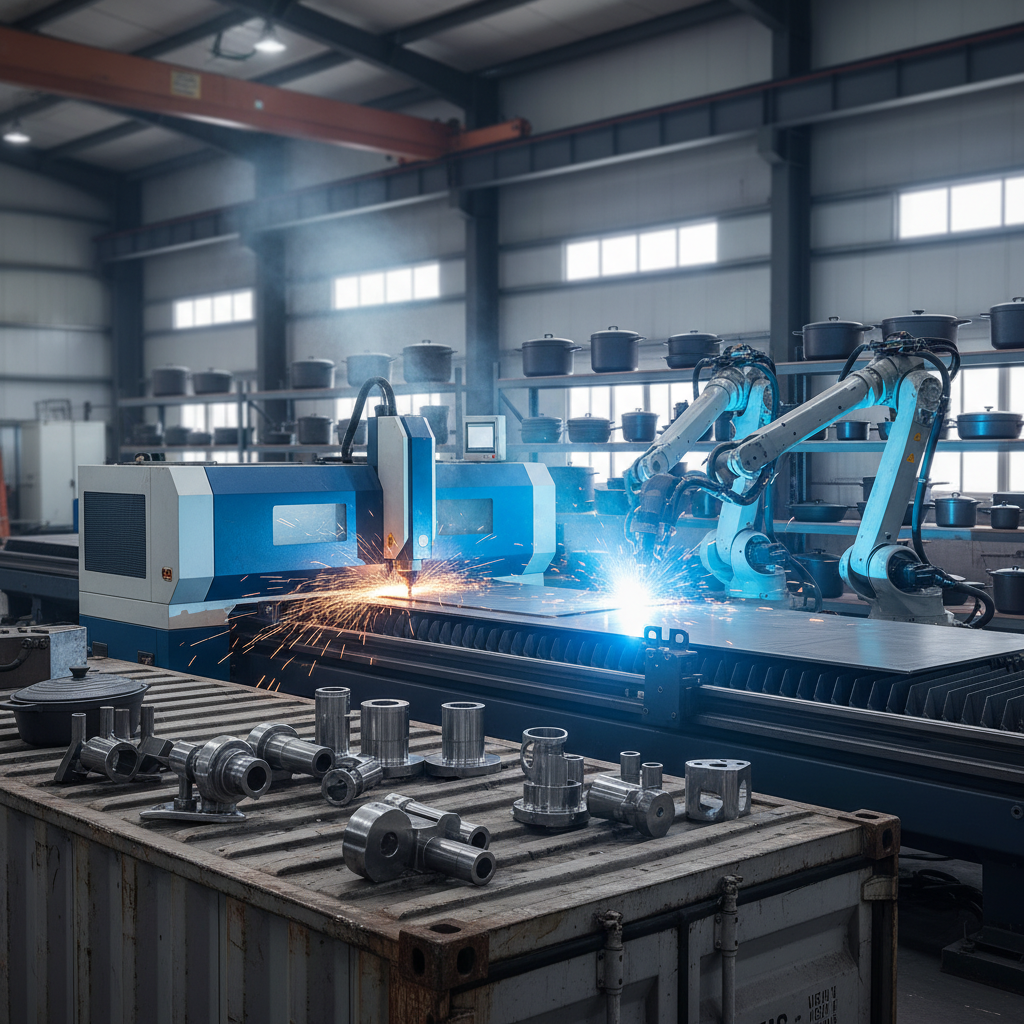
Modern foundries utilize induction furnaces and spectrometers to monitor chemical composition in real-time. This ensures that every batch of raw material is consistent, preventing "hot spots" or uneven heat distribution in the finished skillet. When vetting a supplier, the presence of digital display hydraulic universal testing machines is a key indicator of their commitment to structural reliability.
Surface treatment is where functional performance is decided. Traditional seasoned cast iron relies on polymerization—where oils are heated to create a hard, plastic-like layer. However, the consistency of this layer in mass production is challenging. This is why many industrial manufacturers are moving toward pre-seasoned vegetable oil lines that use controlled oven environments to ensure an even, non-stick finish before the product leaves the factory.
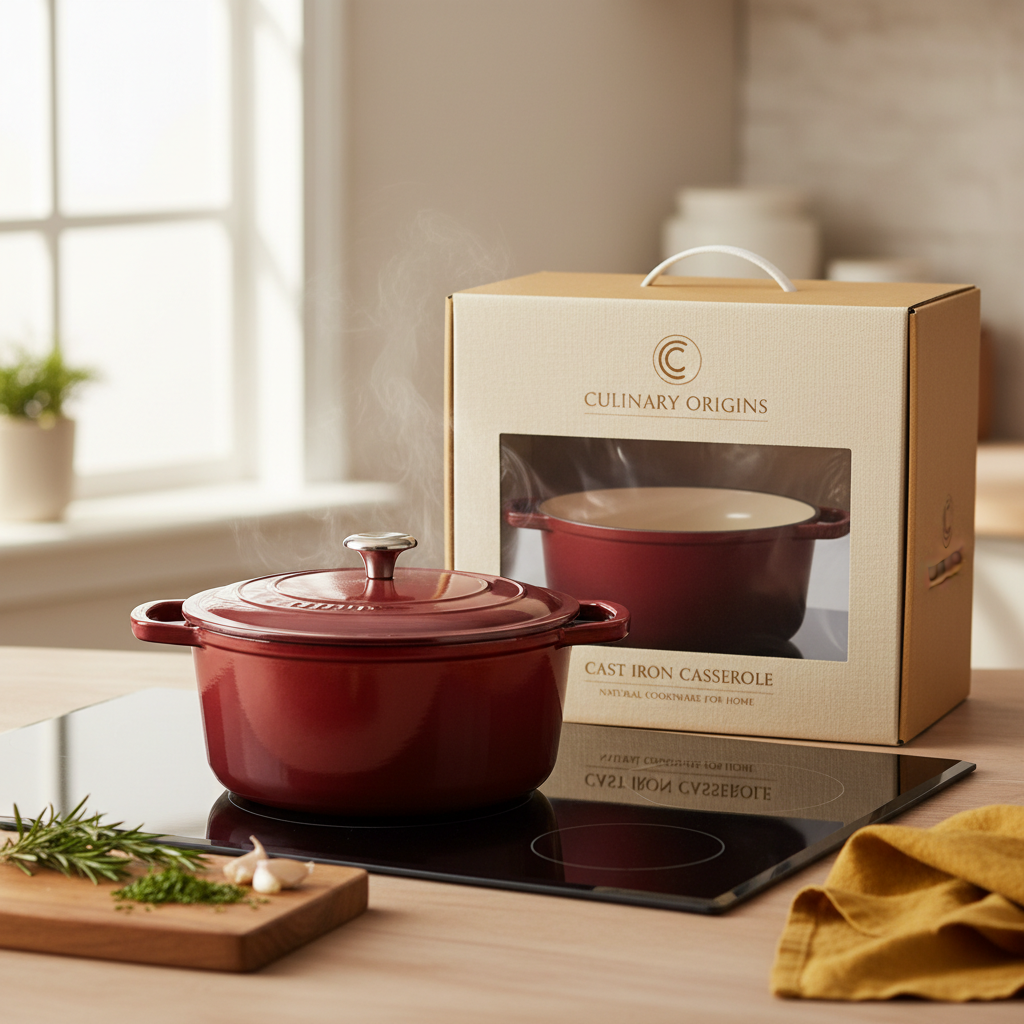
Alternatively, enamel coating provides a glass-like barrier that fundamentally changes the cookware's utility. This process involves fusing powdered glass to the iron surface at extreme temperatures. The resulting finish is non-porous, meaning it does not absorb food odors and is naturally resistant to rust, eliminating the need for the traditional seasoning rituals associated with raw iron.
From a technical standpoint, the bond between the enamel and the iron must be absolute. Any micro-cracks or uneven application can lead to chipping during thermal expansion. Therefore, the use of dedicated enamel lines with precise temperature controls is essential for producing professional-grade casserole pots and skillets that can withstand the rigors of commercial kitchens.
The transition from manual sand casting to automated injection molding lines has revolutionized the consistency of cookware. Automatic vertical parting-type box-free injection lines reduce human error in the molding phase, ensuring that wall thickness is uniform across the entire surface of the pan.
Automation in the casting process is not merely about speed; it is about eliminating the structural variances that cause cookware to crack or warp under extreme thermal stress.
Beyond molding, the integration of CNC lathes and machining centers allows for tighter tolerances on handles and rims. For a distributor, this means every single unit in a shipment of 10,000 pieces will fit the same lids and maintain the same balance, which is critical for maintaining brand reputation in the premium kitchenware segment.
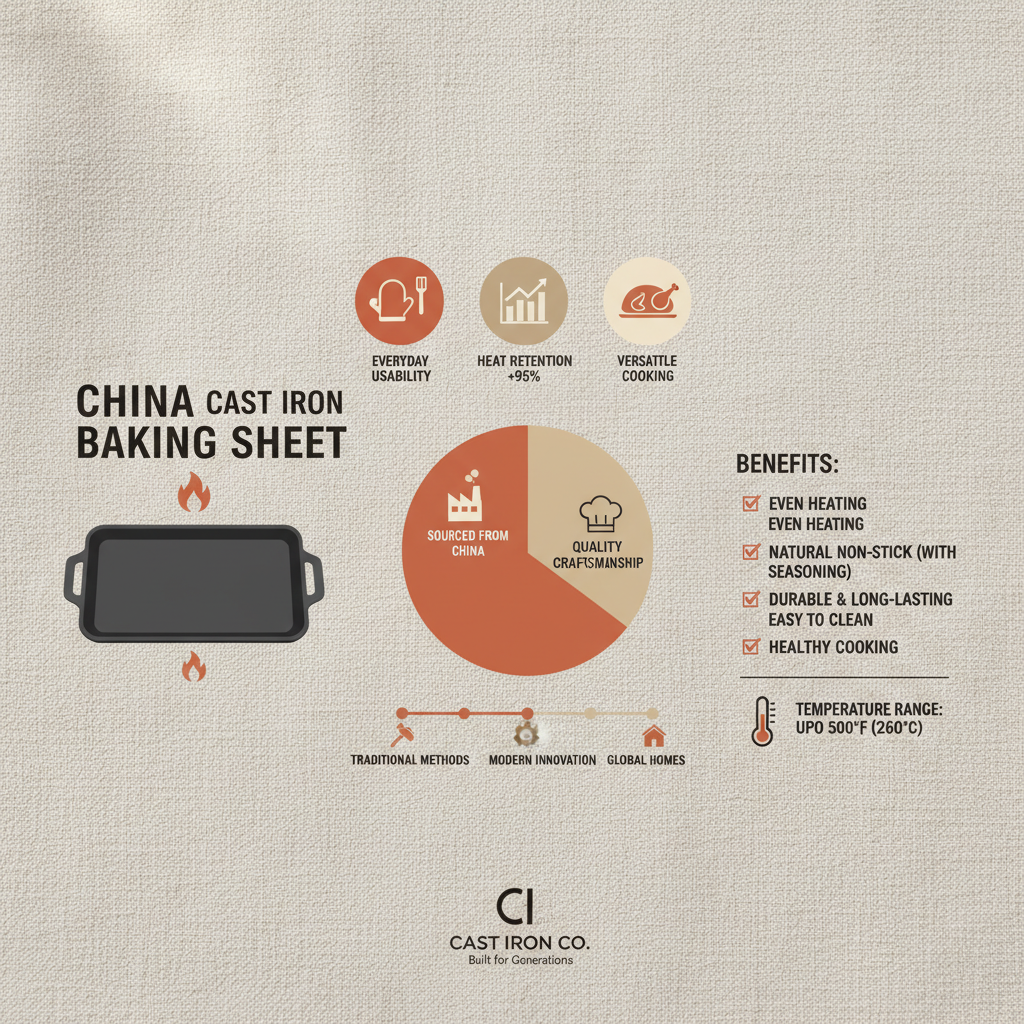
Evaluating the quality of cast iron involves analyzing several key indices: heat retention, thermal conductivity, surface smoothness, and corrosion resistance. While raw cast iron excels in heat retention, enamel-coated versions offer superior resistance to acidic foods, making them more versatile for slow-cooking sauces.
For procurement managers, establishing a relative value index helps in comparing different manufacturing techniques. For instance, an automated production line typically yields a higher consistency score than a traditional manual setup, directly impacting the defect rate during final inspection.
Different market segments demand different specifications. A retail buyer focusing on the North American market often prioritizes heavy-duty, pre-seasoned skillets for grilling and searing. In contrast, the Western European market shows a stronger preference for enameled cast iron casseroles and Dutch ovens, where aesthetic appeal and ease of maintenance are paramount.
For a manufacturer like HEBEI DEBIEN TECHNOLOGY CO., LTD., meeting these diverse needs requires a flexible production infrastructure. By operating multiple enamel lines and vegetable oil seasoning lines simultaneously, a supplier can pivot between producing high-volume standard skillets and specialized, colorful enamel pots to match varying kitchen decor trends and culinary habits.
The current trajectory of the industry is moving toward "health-centric" cooking. Enamel cast iron is at the forefront of this movement because its glass-like surface allows for low-oil cooking. This reduces the reliance on excessive fats while maintaining the searing capabilities of iron, appealing to calorie-conscious consumers.
Furthermore, the aesthetic evolution of enamel cookware has turned functional tools into design pieces. The ability to produce chip-resistant coatings in a wide spectrum of colors—from cobalt blue to sage green—allows brands to create limited-edition collections that drive consumer engagement and repeat purchases.
Looking forward, the challenge for the industry lies in further reducing the weight of cast iron without compromising its thermal mass. Innovations in alloying and precision casting are being explored to create "lighter" professional ware that remains durable enough for lifelong use.
When selecting a long-term partner, the evaluation should extend beyond the per-unit price. A comprehensive framework considers the supplier's quality control loop, including pre-production sampling and final shipment inspection. Certification by bodies such as ISO 9001, FDA, and LFGB is non-negotiable for those exporting to strictly regulated markets.
Logistical capabilities also play a critical role. Suppliers located near major ports, such as those in Hebei near Tianjin Xingang Port, offer significant advantages in shipping lead times and FOB/CIF cost reductions. This geographic advantage, coupled with a professional sales team, ensures a more responsive supply chain.
Ultimately, the goal is to find a supplier that balances technical capability with commercial flexibility. Whether sourcing a Cast Iron Wok for the Asian market or an Enamel Pot for Europe, the underlying requirement is a production facility that can guarantee structural integrity and surface safety at scale.
| Evaluation Factor | Raw/Seasoned Iron | Enameled Iron | Selection Priority |
|---|---|---|---|
| Maintenance Level | High (Regular Seasoning) | Low (Soap & Water) | User Convenience |
| Acidic Food Use | Limited (Strips Seasoning) | Excellent (Non-Reactive) | Culinary Versatility |
| Heat Retention | Excellent | Very High | Searing Performance |
| Rust Resistance | Low (Requires Oil) | Absolute (Glass Layer) | Storage Environment |
| Surface Texture | Porous/Grainy | Smooth/Glossy | Non-stick Requirement |
| Aesthetic Variety | Single Tone (Black) | Multi-color Options | Retail Branding |
A professional supplier invests in advanced testing equipment, such as BRUKER spectrometers and hydraulic universal testing machines, to ensure metallurgical consistency. They follow strict quality loops, including mandatory pre-production samples and final inspections before shipment, and hold recognized certifications like ISO 9001, FDA, and LFGB to ensure food safety across global markets.
Enamel is preferred in settings where maintenance efficiency and versatility are key. Because it is non-reactive, it allows for the cooking of acidic ingredients (like tomato-based sauces) without damaging the surface. Additionally, it eliminates the time-consuming process of seasoning and provides a rust-proof barrier, which is essential in humid commercial kitchen environments.
Automated injection molding lines, such as the vertical parting-type box-free systems, ensure that the molten iron is distributed with absolute precision. This prevents the formation of thin spots or air bubbles in the casting, which are common in manual processes. The result is a pan with uniform wall thickness, leading to even heat distribution and a significantly lower risk of warping.
Yes. The fused glass surface of enamel cast iron is inherently smoother and less porous than raw iron. This creates a natural release mechanism for foods like fish or eggs, allowing them to slide across the surface with minimal fat. Combined with high heat retention, it allows for effective browning and searing without the need for excessive oil to prevent sticking.
Depending on the buyer's logistics capacity, FOB (Free On Board), CIF (Cost, Insurance, and Freight), EXW (Ex Works), and CIP (Carriage and Insurance Paid To) are the standard terms. For most international distributors, FOB or CIF is preferred as it clearly defines the point of risk transfer and allows for more predictable budgeting of shipping and insurance costs.
Yes, advanced enamel lines allow for a wide variety of saturated hues and glossy finishes. Professional manufacturers can match specific color palettes to align with a brand's identity or a specific kitchen decor trend. The key is to ensure the supplier uses chip-resistant enamel that maintains its vibrancy even after prolonged exposure to high heat.
The selection of a cast iron skillet supplier should be viewed as a strategic decision based on technical capability rather than a simple procurement task. From the purity of the smelting process to the precision of the enamel coating, every step in the manufacturing chain directly impacts the end-user's culinary experience and the product's lifespan.
As the market continues to evolve toward a blend of traditional performance and modern convenience, the most successful brands will be those that partner with manufacturers capable of integrating automation, strict quality control, and aesthetic innovation. Ensuring a robust supply chain grounded in certified safety standards remains the most reliable path to long-term market success.

Inquire Now for Cast Iron Cookware Deals
Please Fill Out The Form Below And Our Team Will Get Back To You With Pricing, Product Details, And Customization Options.

Debien is advancing with time, updating equipment, elaborately carving out our brand, focusing on developing high-end products, and actively responding to market demands with creativity.


QUICK LINKS
CONTACT US
Debien is advancing with time, updating equipment, elaborately carving out our brand, focusing on developing high-end products, and actively responding to market demands with creativity.
Copyright © 2026 HEBEI DEBIEN TECHNOLOGY CO., LTD. All Rights Reserved. Sitemap | Privacy Policy | Top Blog | Global Service | Hot Products | Knowledge