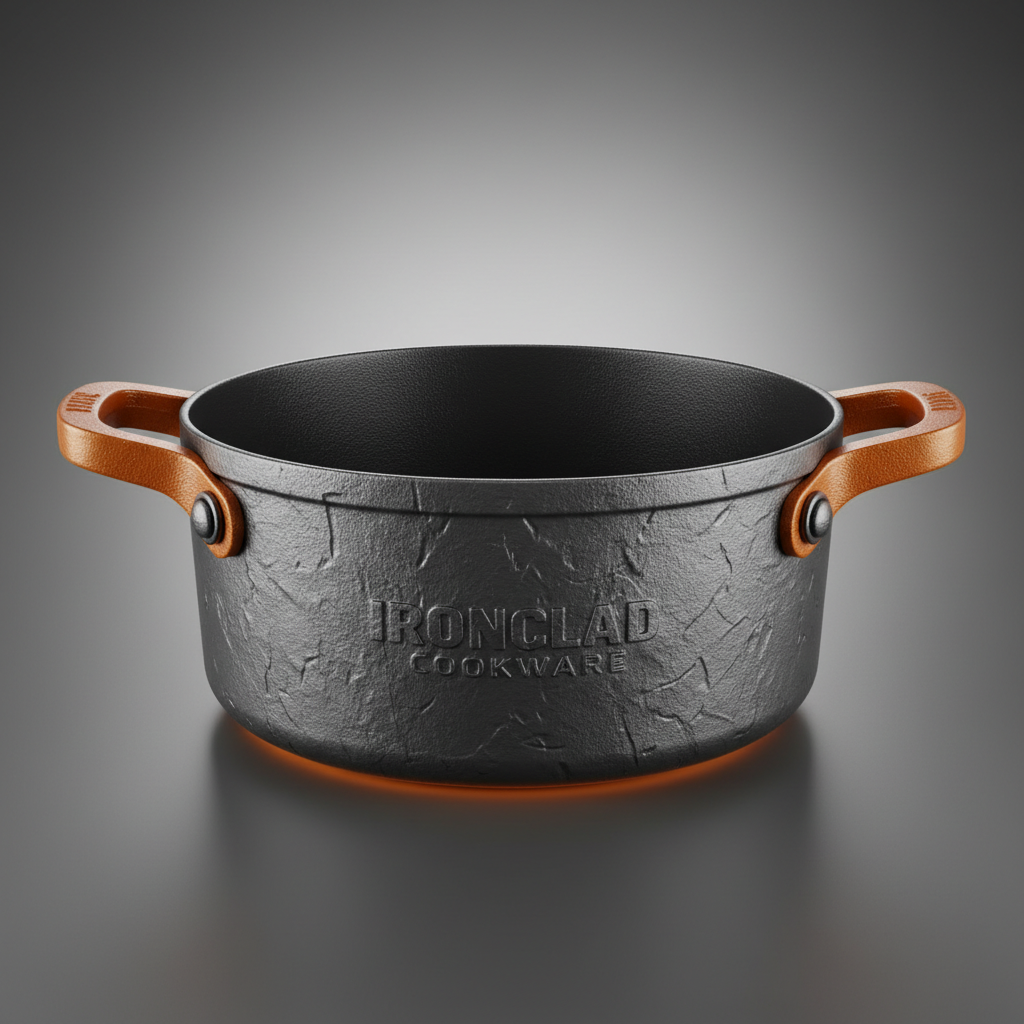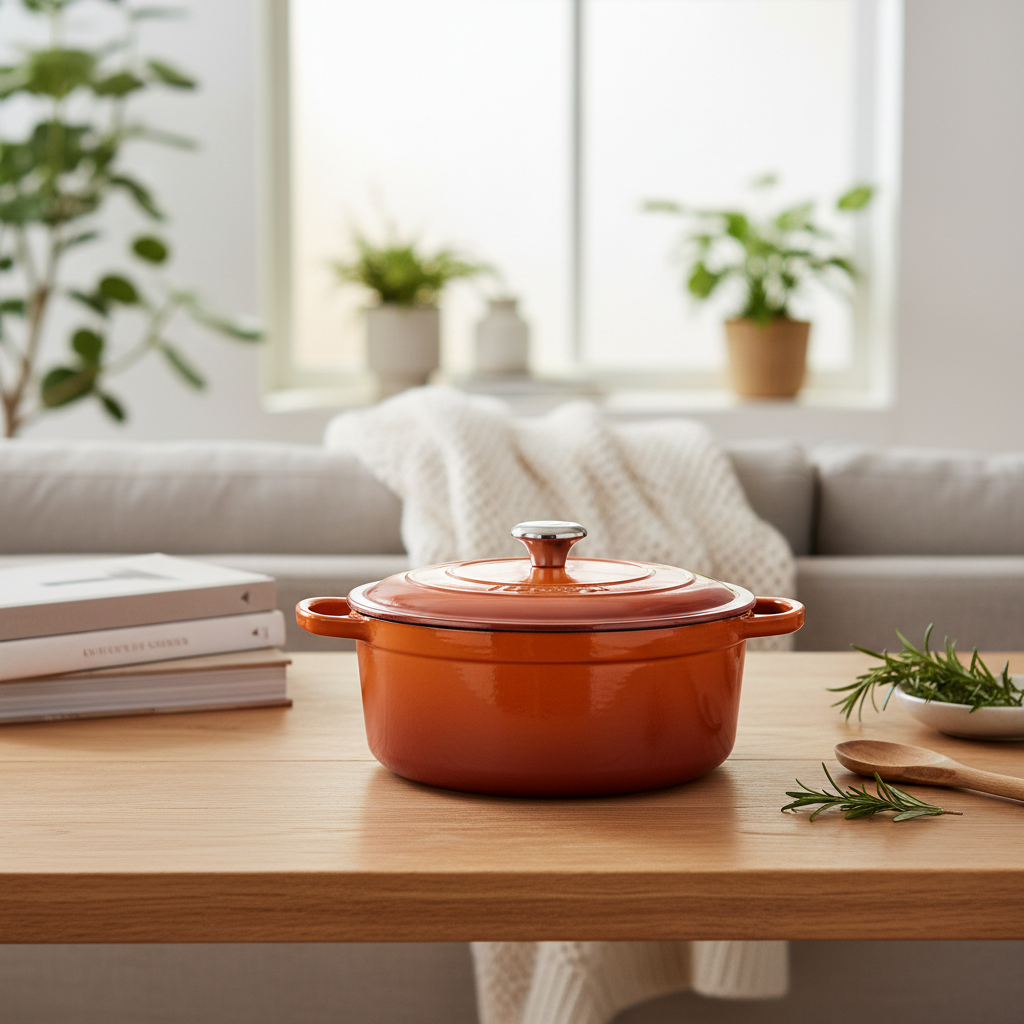


The enduring appeal of a cast iron casserole dish on hob stems from its remarkable ability to deliver consistent, even heating, making it a cornerstone of kitchens worldwide. Its versatility extends beyond simple simmering; it’s ideal for braising, roasting, baking, and even deep-frying, proving its utility across a diverse range of culinary techniques. Understanding the nuances of cast iron cooking, especially when utilizing a casserole dish directly on a hob, unlocks a world of flavorful possibilities for both seasoned chefs and home cooks alike.
Globally, cast iron cookware represents a significant segment of the kitchenware market, with a growing demand fueled by a desire for durable, non-toxic cooking solutions. The United Nations Sustainable Development Goals highlight the importance of efficient resource use and sustainable consumption patterns, aligning with cast iron’s longevity and recyclability. However, accessibility and affordability remain challenges in certain regions, prompting a need for innovative manufacturing and distribution strategies.
The core function of a cast iron casserole dish on hob is to provide a stable and efficient cooking vessel capable of retaining heat effectively. This translates to consistent temperatures, reduced energy consumption, and superior flavor development in the dishes prepared within. The hob compatibility further increases its usefulness, removing the need for transferring hot contents between different cooking surfaces, simplifying the cooking process.
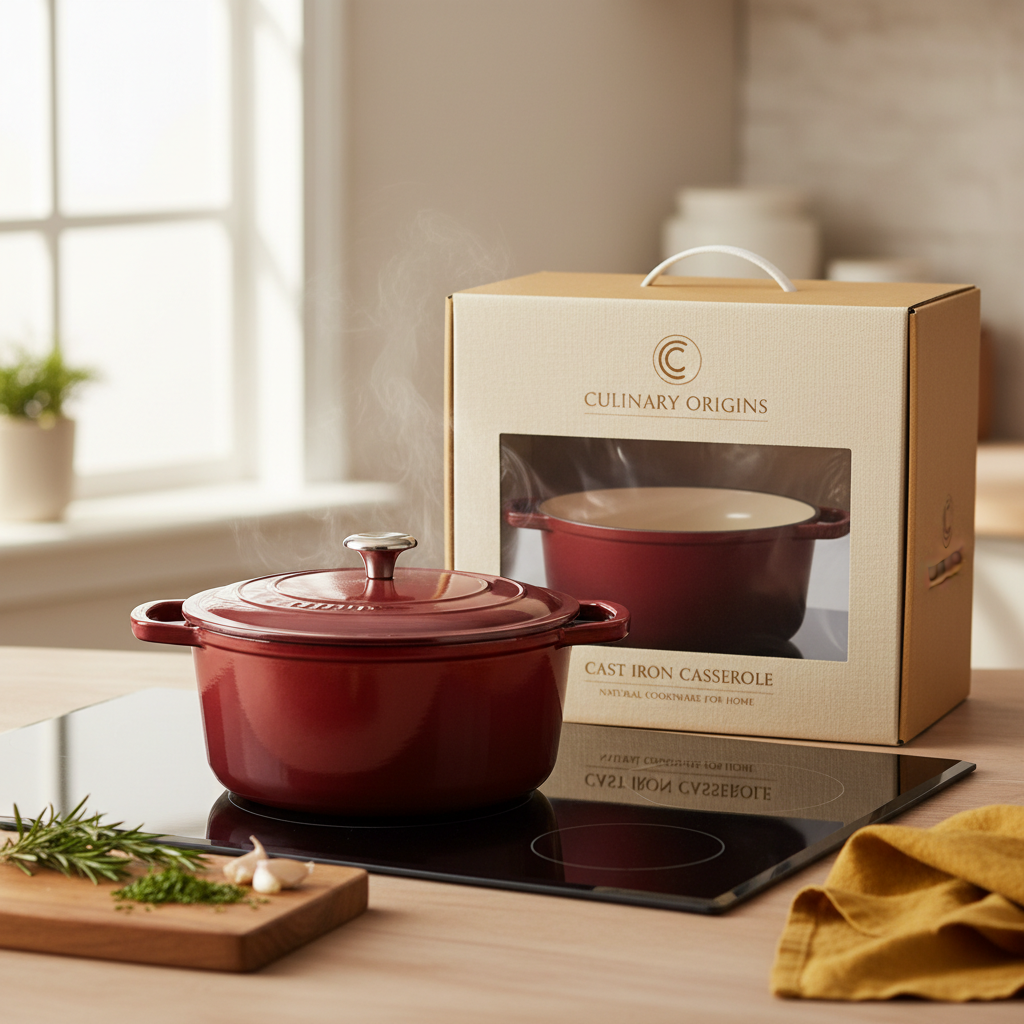
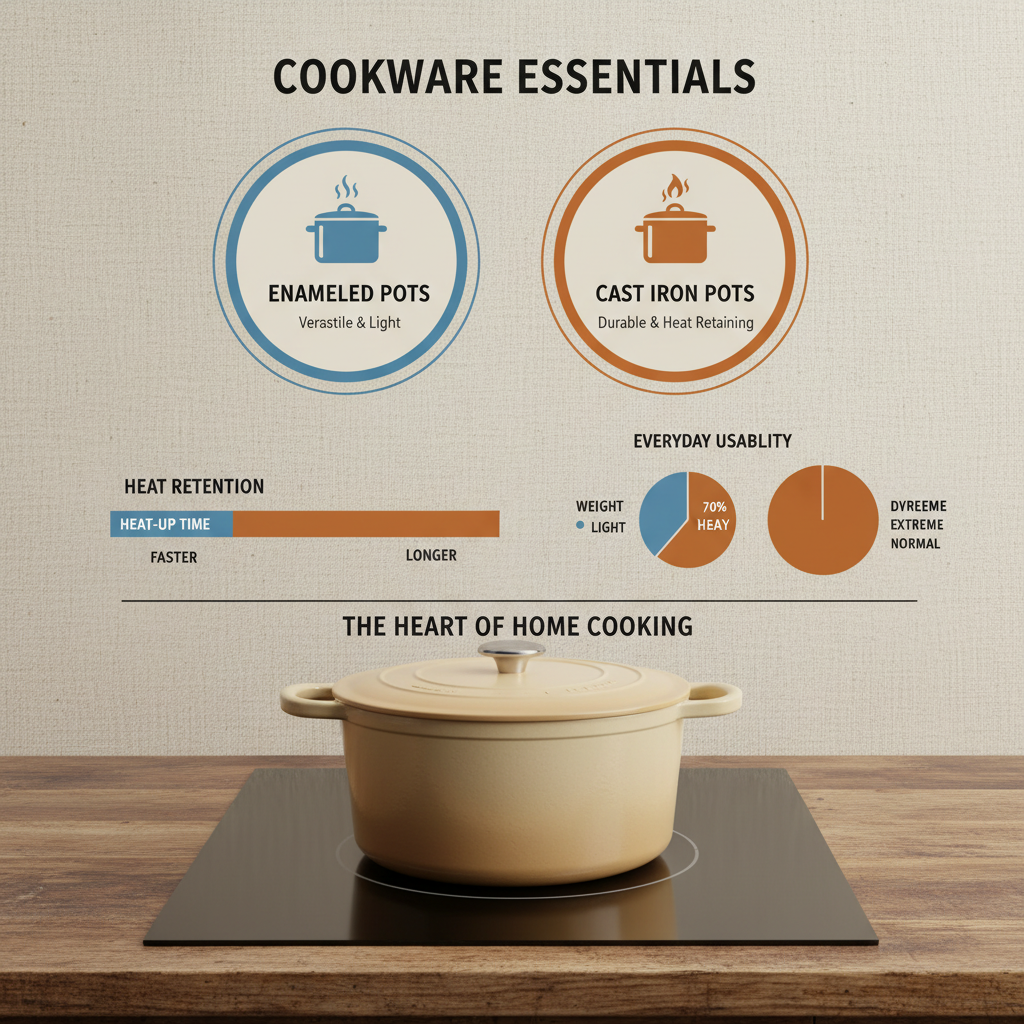
The true strength of a cast iron casserole dish on hob lies in its adaptability. From slow-cooked stews and hearty braises to bubbling casseroles and even no-knead breads, the possibilities are extensive. Its heat retention ensures that dishes stay warmer for longer, making it ideal for serving directly from the stove.
The ability to use these dishes directly on a hob – gas, electric, or even induction – provides a level of convenience rarely matched by other cookware. This eliminates the need for transferring hot food, reducing the risk of spills and maintaining a consistent cooking temperature.
Seasoning a new cast iron casserole dish on hob involves coating the surface with a thin layer of oil and baking it at a high temperature to create a polymerized coating. This process fills the pores of the cast iron, creating a naturally non-stick surface and protecting it from rust. Repeat this process several times for optimal results. Using a neutral oil like vegetable or canola oil is recommended. It’s crucial to ensure the layer of oil is incredibly thin to avoid stickiness.
It’s strongly discouraged to put your cast iron casserole dish on hob in the dishwasher. The harsh detergents and high temperatures can strip away the seasoning, leading to rust. Handwashing with warm water and a soft sponge is the best practice. If necessary, a gentle scrub with a plastic scraper can remove stubborn food residue. Always dry the dish thoroughly and lightly oil it after washing.
While uncoated cast iron can react with highly acidic foods like tomatoes or lemon juice, imparting a metallic taste and potentially leaching iron, a well-seasoned dish minimizes this effect. Enameled cast iron is completely non-reactive and perfectly safe for cooking any type of food, including those high in acidity. Limiting prolonged simmering of acidic foods in uncoated cast iron is recommended.
Rust prevention is key to maintaining your cast iron casserole dish on hob. Always dry it thoroughly after washing, and apply a very thin layer of oil before storing it. Avoid leaving the dish wet or exposed to moisture. If rust does appear, scrub it off with steel wool, then re-season the dish. Proper seasoning and regular oiling are crucial for preventing rust.
Most cast iron casserole dish on hob are compatible with gas, electric, ceramic, and induction hobs. However, it's always best to check the manufacturer's specifications. Induction compatibility requires that the cast iron has a magnetic base. When using on glass-top stoves, avoid dragging the dish to prevent scratches.
Signs that your cast iron casserole dish on hob needs re-seasoning include dull, patchy areas on the surface, food sticking easily, or the appearance of rust. If food consistently sticks even with proper cooking techniques, or if you notice any signs of corrosion, it's time to re-season the dish. A well-seasoned dish will have a smooth, dark, and slightly glossy surface.
The cast iron casserole dish on hob remains a timeless and versatile cooking tool, offering unmatched heat retention, durability, and culinary performance. From its rich history to its modern applications, it continues to be a staple in kitchens worldwide, providing a sustainable and reliable cooking experience. Its capacity for direct hob use adds unparalleled convenience.
Looking ahead, innovations in materials and technology promise to further enhance the functionality and ease of use of cast iron cookware. By understanding its properties and embracing proper maintenance, you can unlock the full potential of this remarkable vessel and enjoy generations of flavorful cooking. Visit our website at www.dbecookware.com to explore our range of cast iron cookware today!

Inquire Now for Cast Iron Cookware Deals
Please Fill Out The Form Below And Our Team Will Get Back To You With Pricing, Product Details, And Customization Options.

Debien is advancing with time, updating equipment, elaborately carving out our brand, focusing on developing high-end products, and actively responding to market demands with creativity.


QUICK LINKS
CONTACT US
Debien is advancing with time, updating equipment, elaborately carving out our brand, focusing on developing high-end products, and actively responding to market demands with creativity.
Copyright © 2026 HEBEI DEBIEN TECHNOLOGY CO., LTD. All Rights Reserved. Sitemap | Privacy Policy | Top Blog | Global Service