
wechat
WeChat
whatsapp
Email
up
0%

Table of Contents

The culinary world has seen a resurgence in traditional materials, and the cast iron baking pan stands as a testament to the enduring value of thermal mass and durability. Unlike modern non-stick alternatives that degrade over time, a high-quality cast iron vessel offers a lifetime of service, providing unparalleled heat retention that is essential for achieving the perfect crust on artisan breads and an even sear on savory tarts.

Globally, the shift toward sustainable living has pushed home cooks and professional chefs alike to move away from "disposable" cookware. The inherent properties of the cast iron baking pan allow it to transition seamlessly from the stovetop to the oven, making it a versatile powerhouse in any kitchen. By understanding the science of seasoning and heat distribution, users can unlock flavors that are simply unattainable with aluminum or stainless steel.

Investing in a cast iron baking pan is not just about buying a tool; it is about embracing a slow-cooking philosophy that prioritizes quality over convenience. Whether you are baking a deep-dish pizza, roasting root vegetables, or preparing a traditional Dutch baby, the consistency of heat provided by cast iron ensures that your results are professional, repeatable, and deeply satisfying.
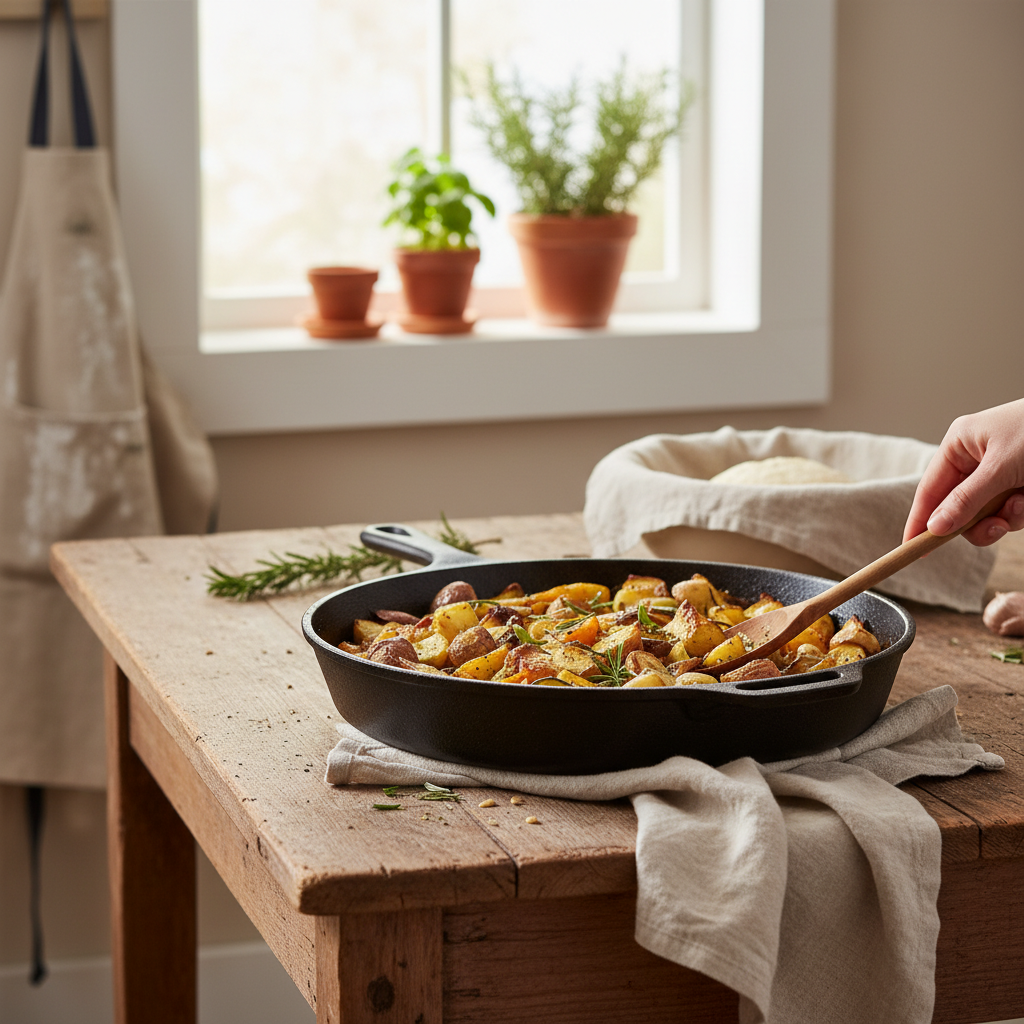
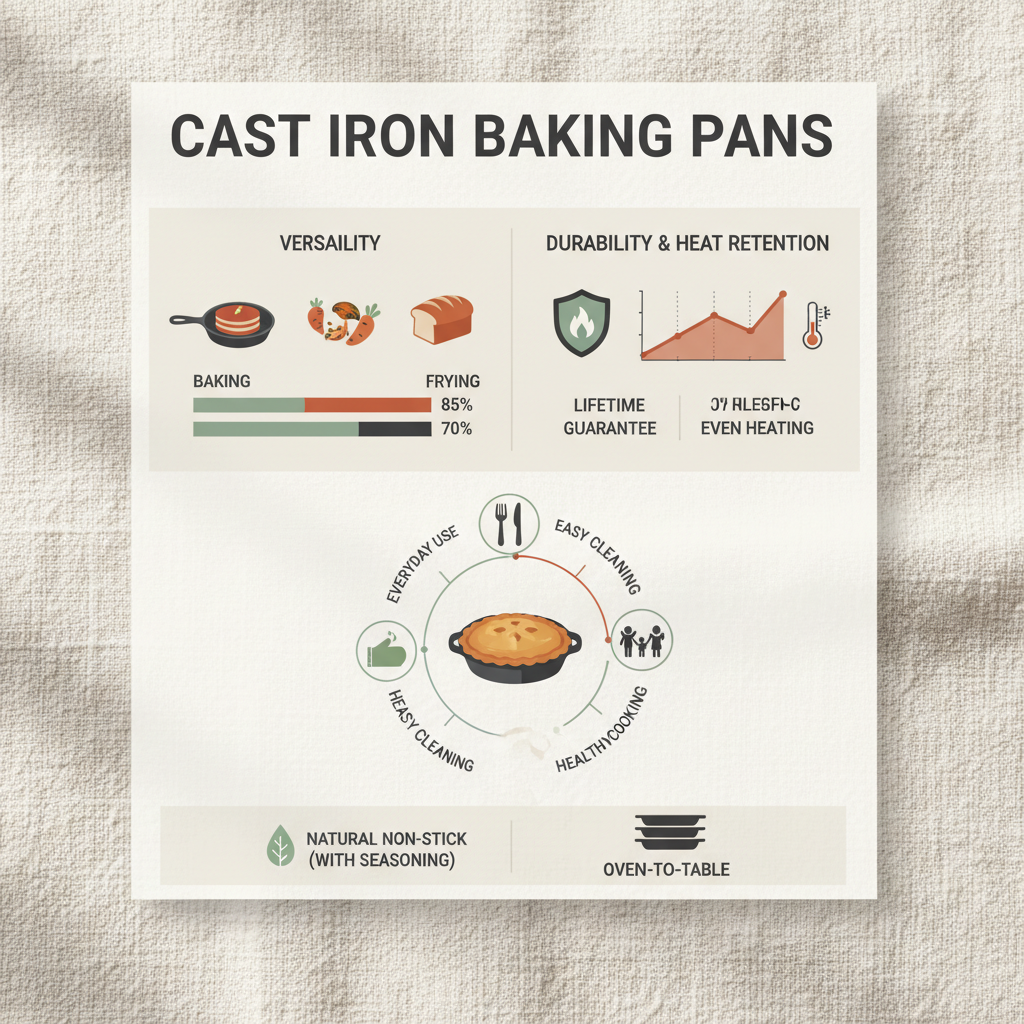
Professional Cast Iron Baking Pan for Superior Heat Retention

The Global Market Evolution of Cast Iron Baking Pans

Professional Cast Iron Baking Pan for Superior Heat Retention

The global demand for the cast iron baking pan has experienced a significant uptick, mirroring a broader trend in the "slow food" movement. According to industry insights and consumer behavior reports, there is a marked shift toward eco-friendly kitchenware that eliminates synthetic PFAS coatings. This transition is driven by a growing awareness of health risks associated with chemical non-stick surfaces and a desire for products that are virtually indestructible.

In many Western markets, the cast iron baking pan has evolved from a rustic heirloom into a precision tool for the modern gourmet. The challenge previously associated with its weight and maintenance is now viewed as a hallmark of quality, with users valuing the "seasoning" process as a way to personalize their cookware. This cultural shift has forced manufacturers to refine casting techniques, ensuring a smoother finish without sacrificing the legendary heat retention of the metal.

Defining the Anatomy of a Premium Cast Iron Baking Pan

At its core, a cast iron baking pan is a heavy-duty vessel created by pouring molten iron into a sand mold. Unlike pressed steel, this process creates a thick-walled structure that can absorb and hold massive amounts of thermal energy. This "thermal inertia" is what allows the pan to maintain a steady temperature even when a cold piece of dough or meat is placed inside, preventing the dreaded temperature drop that leads to soggy bottoms in baking.

Modern industry has introduced variations such as enameled cast iron and pre-seasoned surfaces to bridge the gap between traditional durability and contemporary convenience. While a raw cast iron baking pan requires a layer of polymerized oil to create a natural non-stick surface, enameled versions offer a glass-like coating that allows for the use of acidic ingredients (like tomato sauces) without stripping the seasoning. Both versions serve the primary goal of providing consistent, radiant heat.

The connection to modern humanitarian and sustainability needs lies in its longevity. In a world plagued by planned obsolescence, the cast iron baking pan is an antidote to the "throwaway culture." It is a tool that can be passed down through generations, reducing landfill waste and decreasing the carbon footprint associated with the constant production and shipping of cheap, short-lived cookware.

Essential Performance Factors for Baking Excellence

One of the primary drivers of success when using a cast iron baking pan is Heat Distribution. Because the metal is dense, it eliminates the "hot spots" commonly found in thin aluminum pans, ensuring that a cake or a focaccia bakes evenly from the center to the edges.

Durability and Scalability are equally critical. A professional-grade cast iron baking pan can withstand extreme temperatures—from the freezer to a 500°F oven—without warping. This makes it an ideal choice for industrial kitchens that require high-volume output and equipment that can survive the rigors of constant use.

Lastly, the Cost-Efficiency over time is unmatched. While the initial investment in a cast iron baking pan may be higher than a disposable tin, the lack of replacement costs over a twenty-year period makes it the most economical choice for any serious baker or catering business.

Comparative Analysis of Cast Iron Material Efficiency

When evaluating the efficiency of a cast iron baking pan, we must look at the ratio of heat retention versus heat conductivity. While copper conducts heat faster, cast iron holds it longer, which is the critical requirement for baking tasks like sourdough bread where a "steam-oven" effect is desired within the pan.

The following data illustrates how different iterations of the cast iron baking pan perform across key metrics such as heat stability, non-stick reliability, and longevity, providing a clear picture of why this material remains the gold standard.

Performance Metrics of Cast Iron Baking Pan Variants


Global Culinary Applications and Regional Use Cases

The versatility of the cast iron baking pan allows it to be adapted to diverse culinary traditions. In North America, it is the cornerstone of "cornbread and skillet cake" culture, where the pan is preheated to create a fried-bottom crust. In Europe, particularly in France and Belgium, the enameled cast iron baking pan is essential for slow-baked gratins and tarts that require a gentle, enveloping heat.

Beyond the domestic kitchen, these pans are utilized in remote industrial zones and disaster-relief operations due to their ability to be heated over open flames or makeshift stoves. Because a cast iron baking pan does not rely on precise electrical temperature controls to function effectively, it is an invaluable asset in environments where infrastructure is limited but the need for nutrient-dense, baked food is high.

Long-term Value and Sustainability Benefits

From a logical standpoint, the long-term value of a cast iron baking pan is found in its zero-depreciation nature. While most kitchen appliances lose value the moment they are purchased, a well-maintained cast iron pan actually improves with age. The buildup of carbonized oil (seasoning) enhances the non-stick properties, meaning the tool becomes more efficient the more it is used.

Emotionally, there is a sense of trust and dignity associated with using tools that last. The cast iron baking pan represents a connection to the past—a reminder of a time when things were built to last. This psychological aspect of "heirloom quality" fosters a deeper connection between the cook and their craft, encouraging a mindful approach to food preparation.

Sustainability is the final pillar of its value. By choosing a cast iron baking pan, consumers are actively reducing the demand for Teflon-coated pans that release toxic fumes during manufacture and disposal. It is a circular economy success story: iron is infinitely recyclable, and the product's lifespan is measured in decades rather than months.

Future Innovations in Cast Iron Manufacturing

The future of the cast iron baking pan lies in the intersection of traditional metallurgy and digital precision. We are seeing the introduction of 3D-printed sand molds, which allow for more complex geometries and thinner, lighter walls that still maintain the essential heat-retention properties of the metal. This reduces the "weight penalty" that often discourages newer generations of cooks.

Green energy is also transforming the production process. Many manufacturers are shifting to induction-melting furnaces powered by renewable energy to reduce the carbon footprint of smelting iron. Furthermore, the development of "advanced pre-seasoning" using organic, plant-based polymers is making the cast iron baking pan more accessible to the average consumer by removing the initial learning curve of seasoning.

As we move toward a more automated world, the manual nature of using a cast iron baking pan will likely become a luxury experience. The integration of smart-sensors in oven environments will allow bakers to know exactly when their cast iron pan has reached the optimal temperature, combining ancient material science with 21st-century precision.

Comparative Analysis of Cast Iron Pan Technologies

Technology Type Heat Retention Score Maintenance Level Estimated Lifespan
Traditional Raw Cast Iron 10/10 High Lifetime+
Pre-Seasoned Modern 10/10 Medium Lifetime
Vitreous Enamel Coating 9/10 Low 20-50 Years
Lightweight Cast Alloy 7/10 Medium 15-30 Years
3D-Mold Precision Cast 9/10 Medium Lifetime
Industrial Heavy-Duty 10/10 Medium Lifetime+

FAQS

Why is a cast iron baking pan better than a stainless steel one?

The primary advantage is thermal mass. A cast iron baking pan absorbs more heat and releases it more slowly and evenly than stainless steel. This prevents the "hot spot" effect and ensures a deeper, more consistent browning of the food, which is essential for crust-heavy baked goods like cornbread or focaccia.

How do I stop my cast iron baking pan from rusting?

Prevention is key. Never leave your pan to soak in water or air-dry. After washing, dry it immediately and apply a very thin layer of cooking oil while the pan is still warm. This creates a hydrophobic barrier that prevents oxygen and moisture from reaching the iron surface, thus stopping rust from forming.

Can I use soap on a pre-seasoned cast iron baking pan?

Yes, you can. Modern dish soaps are mild and do not contain the lye found in old-fashioned soaps that would strip seasoning. As long as you aren't using abrasive steel wool or soaking the pan for hours, a small amount of soap will not harm the polymerized oil layer.

Is an enameled cast iron baking pan better for acidic foods?

Absolutely. Acidic foods like tomatoes or lemon-based batters can react with the iron and strip the seasoning of a raw pan, potentially leaving a metallic taste. The glass-like enamel coating acts as a chemical barrier, making it the superior choice for braises, stews, and fruit-based bakes.

How often should I re-season my baking pan?

Re-seasoning is not on a fixed schedule but based on performance. If you notice food sticking more often or if the surface looks dull or grey, it's time for a maintenance layer. A quick oven-bake with a thin coating of flaxseed or grapeseed oil will restore the non-stick surface.

Are cast iron pans too heavy for daily baking?

While they are heavier than aluminum, the trade-off in quality is usually worth it. Many professional bakers prefer the weight because it provides stability in the oven. For those with mobility concerns, lightweight cast alloys provide a middle ground, though they sacrifice a small amount of heat retention.

Conclusion

The cast iron baking pan remains an unrivaled tool in the culinary arsenal, blending prehistoric material strength with modern gastronomic requirements. By providing superior heat distribution, an eco-friendly lifecycle, and a natural non-stick surface, it solves the most common failures of modern cookware—namely, uneven heating and rapid degradation. Whether used in a high-end Parisian bakery or a home kitchen, its ability to deliver professional results through simple physics makes it an essential investment.

Looking forward, as we embrace a more sustainable and mindful approach to consumption, the reliance on heirloom-quality tools will only grow. We suggest that anyone looking to elevate their baking game move away from disposable tins and embrace the lifelong partnership offered by cast iron. For those seeking the perfect balance of durability and performance, explore our professional range and start your journey toward baking excellence today. Visit our website: www.dbecookware.com

Robert Chen

Robert Chen

Robert Chen serves as the Head of International Sales at Hebei Debien Technology. He's been with the company for 8 years and has been crucial in expanding Debien's global reach, successfully establishing partnerships with clients in North America, Europe and Asia. Robert’s expertise lies in understanding international market trends and
Previous Mastering the Art of Cast Iron Excellence Baking Sheets
Next Excellence in Metallurgy Premium Cast Iron Casserole Pans

Inquire Now for Cast Iron Cookware Deals

Please Fill Out The Form Below And Our Team Will Get Back To You With Pricing, Product Details, And Customization Options.