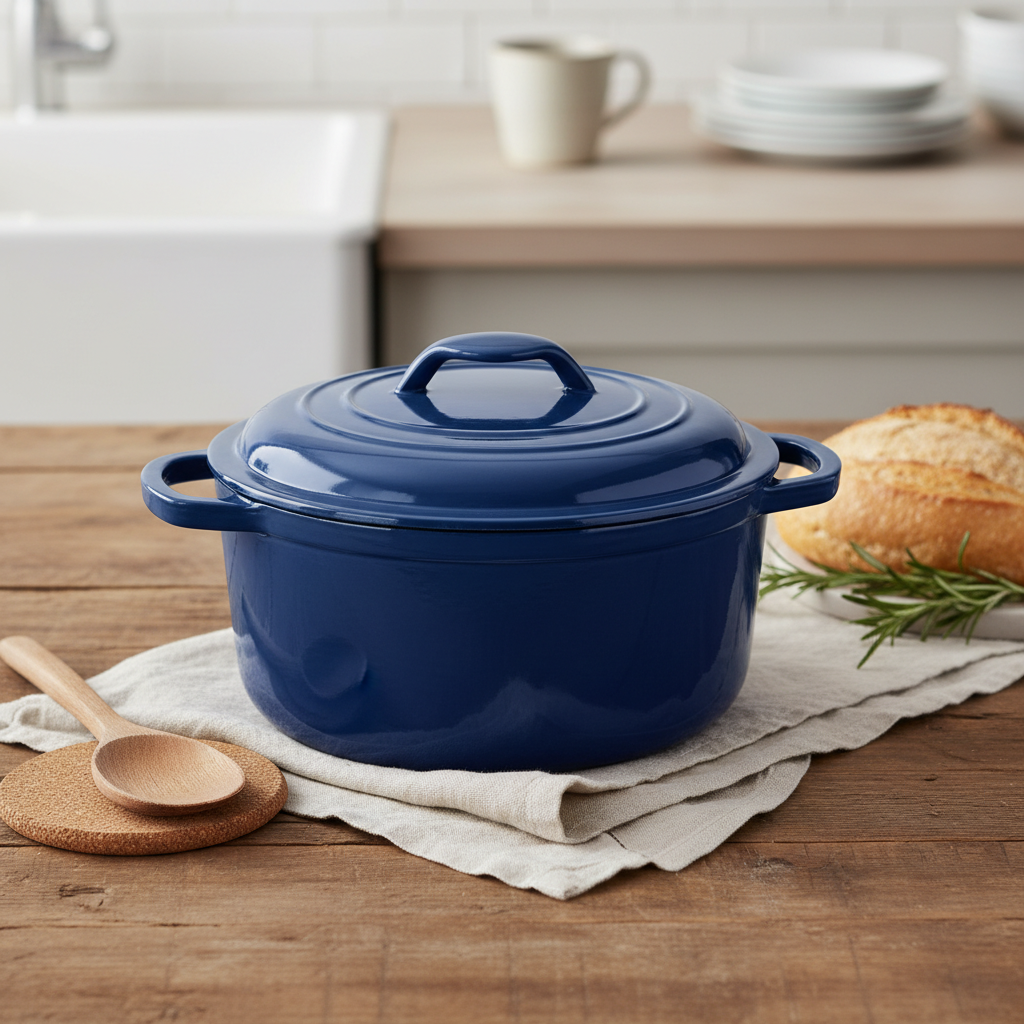

The cast iron casserole dish red has evolved from a simple rustic cooking tool into a global symbol of culinary excellence and kitchen aesthetics. Combining the timeless heat-retention properties of heavy-duty cast iron with a vibrant, enamel-coated finish, these vessels offer an unmatched ability to braise, stew, and bake with precision. For professional chefs and home enthusiasts alike, the appeal lies in the balance between rugged durability and a sophisticated presentation that moves seamlessly from the stovetop to the dining table.
Globally, the demand for high-quality enameled cookware has surged as consumers shift toward sustainable, "buy-it-for-life" products. The red hue is not merely a stylistic choice; it is a classic kitchen staple that evokes warmth and appetite, making the cast iron casserole dish red a focal point of modern interior design. Understanding the technical engineering behind the enamel bonding and the thermal mass of the iron is essential for anyone looking to elevate their slow-cooking game.
In an era of disposable non-stick pans, the resurgence of the cast iron casserole represents a return to intentional cooking. By utilizing superior heat distribution, these dishes solve the common problem of "hot spots" and uneven cooking, ensuring that complex proteins and delicate vegetables are cooked uniformly. Whether you are preparing a traditional French Coq au Vin or a modern vegetable roast, the reliability of this cookware ensures professional-grade results in any home environment.
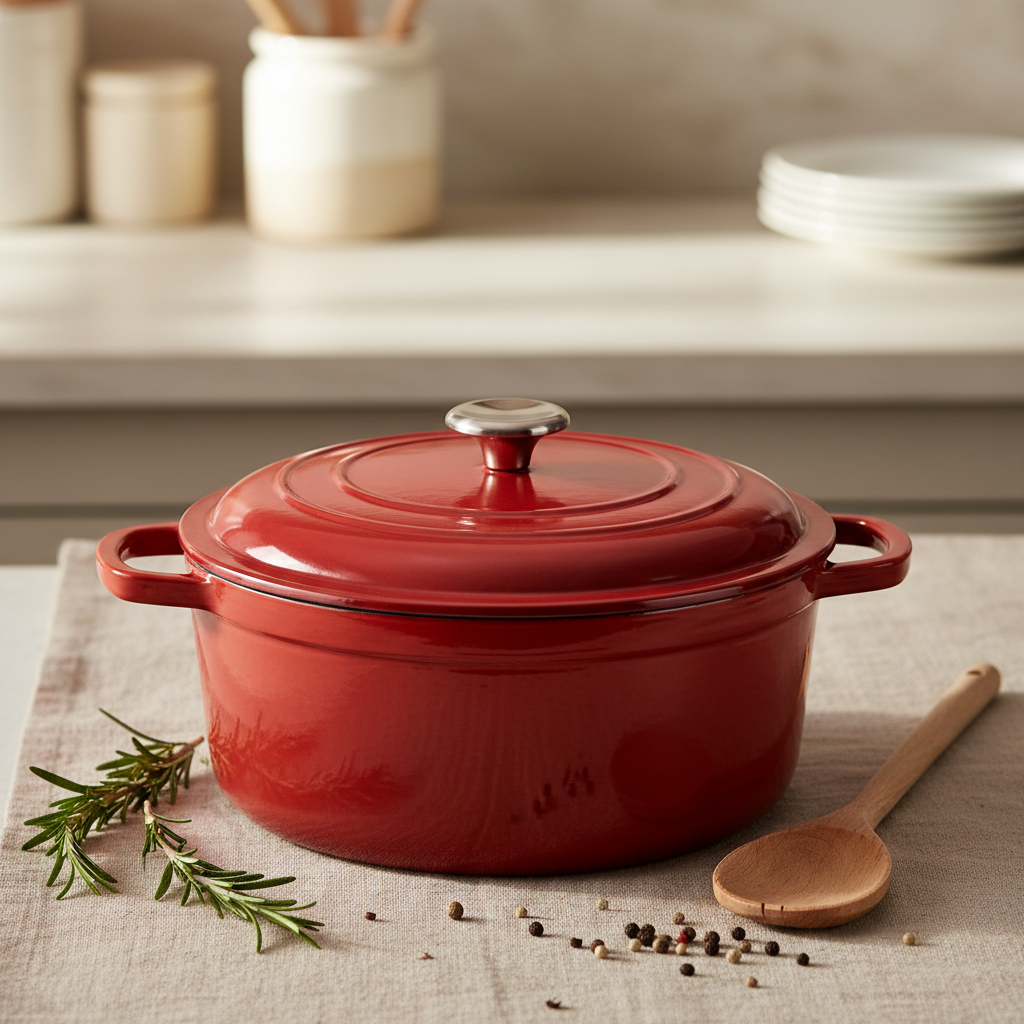
The construction of a cast iron casserole dish red begins with high-grade molten iron, which is cast into a precise mold to create a thick-walled vessel. This density is what allows the pot to absorb massive amounts of thermal energy. To prevent the natural oxidation (rusting) associated with raw iron and to eliminate the need for constant seasoning, a vitreous enamel coating is fused to the surface at extreme temperatures, creating a non-reactive barrier.
The signature red color is achieved through the addition of specific metallic oxides to the enamel glaze. This process ensures that the color is not just a superficial paint but a glass-like layer integrated into the metal. This protects the cookware from acidic ingredients like tomatoes or wine, which would otherwise react with raw cast iron, making the red casserole dish the gold standard for slow-simmered sauces and braises.
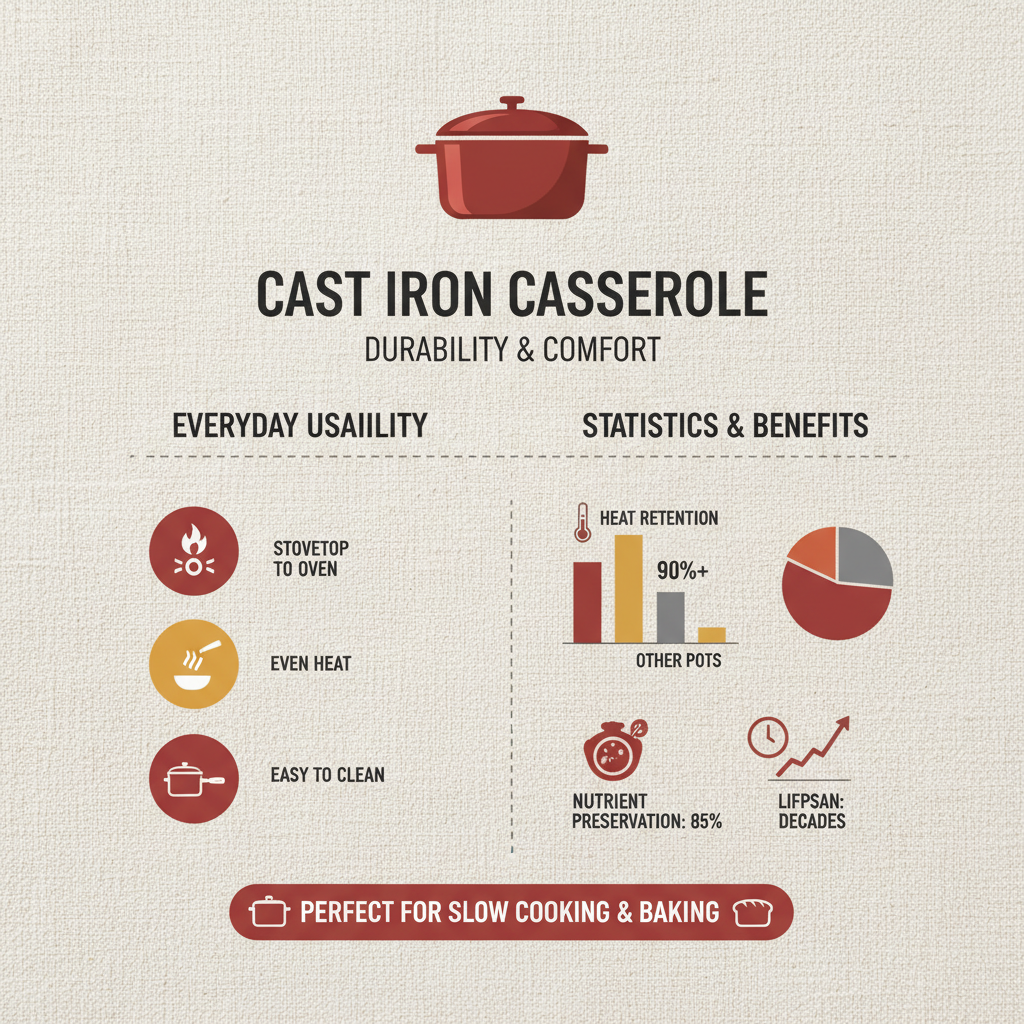
One of the primary reasons chefs insist on a cast iron casserole dish red is its exceptional heat capacity. Unlike aluminum or stainless steel, which can heat up and cool down rapidly, cast iron acts as a thermal reservoir. Once the dish reaches the desired temperature, it maintains a steady, consistent heat that prevents the food from scorching while ensuring the center of the dish is cooked through perfectly.
The heavy lid of the red casserole dish plays a critical role in this thermal ecosystem. By creating a tight seal, it traps steam and moisture, forcing it to condense on the underside of the lid and drip back down into the food. This "self-basting" effect keeps meats tender and locks in deep, rich flavors that are often lost in lighter cookware, effectively mimicking the environment of a professional steam oven.
Furthermore, the emissivity of the enameled surface contributes to an efficient heat transfer from the burner to the ingredient. Whether used on an induction cooktop, a gas flame, or inside a high-heat oven, the red enamel ensures a uniform temperature gradient across the base, eliminating the "hot spot" phenomenon that often plagues thinner pans.
The true value of a cast iron casserole dish red lies in its multi-functional nature. It is a rare piece of equipment that can handle the searing of a steak on the stovetop and then transition immediately into the oven for a slow roast. This versatility reduces the need for multiple pots, streamlining the cooking process and reducing cleanup.
Beyond traditional stews, the cast iron casserole dish red has become a favorite for artisan bread baking. The heavy walls create a miniature oven environment that traps steam, allowing the dough to expand fully (the "oven spring") and producing a professional, crackly crust that is nearly impossible to achieve in a standard baking sheet.
From poaching fish to baking deep-dish pizzas, the red enamel finish provides a non-reactive surface that doesn't impart metallic tastes to delicate foods. This makes it an indispensable tool for global cuisines, from French cassoulets to Indian curries, providing a reliable platform for any recipe that requires prolonged, low-temperature heat.
When analyzing the efficiency of a cast iron casserole dish red, we must look at several key performance indicators: heat retention, ease of cleaning, enamel durability, and overall weight-to-performance ratio. While heavier dishes offer better heat stability, they require more effort to handle, creating a trade-off that users must consider based on their cooking style.
Comparing different manufacturing methods—such as sand casting versus centrifugal casting—reveals significant differences in how the red enamel adheres to the iron. Higher-end production methods result in a smoother surface, which reduces food sticking and increases the longevity of the vibrant red finish.
The longevity of a cast iron casserole dish red is one of its most compelling arguments. Unlike PTFE or ceramic-coated pans that degrade over 2-3 years, a well-maintained enameled cast iron pot can last for generations. This makes it an eco-friendly choice, reducing the amount of kitchen waste that ends up in landfills.
To ensure the red finish remains vibrant, users should avoid abrasive steel wool and extreme temperature shocks (such as plunging a hot pot into cold water). By using mild detergents and soft sponges, the enamel remains smooth and non-stick, preserving the integrity of the vessel for decades.
In contemporary interior design, the cast iron casserole dish red serves as more than just a tool; it is a statement piece. The bold red color creates a striking contrast against neutral-toned kitchens, adding a touch of warmth and personality. This trend has been amplified by the "farmhouse chic" movement, where high-performance cookware is displayed openly on stovetops or shelves.
The psychological impact of the color red is often linked to energy and appetite, which is why many luxury brands prioritize this shade for their flagship casserole lines. When paired with the timeless shape of the cast iron pot, it creates a visual bridge between traditional heritage and modern minimalism.
Moreover, the transition from oven to table is a key part of the modern dining experience. The red enamel provides a polished, elegant look that eliminates the need for transferring food to a separate serving dish, thereby keeping the food hotter for longer and simplifying the hosting process.
Manufacturing a professional-grade cast iron casserole dish red requires adherence to strict ISO and food-safety standards. The primary challenge in production is ensuring the enamel is free of "pinholes" or bubbles, which could lead to rust or food trapping. Advanced quality control involves high-resolution inspection and stress-testing the bond between the glass enamel and the iron core.
The chemical composition of the red glaze must be carefully balanced to ensure it is lead-free and cadmium-free, meeting international FDA and EU regulations. This ensures that the cookware is safe for high-temperature use without leaching harmful chemicals into the food.
Finally, the precision of the lid fit is a critical engineering metric. A perfectly fitting lid ensures maximum pressure retention and minimizes liquid loss during long braises. The industry now uses CNC machining to refine the rims of the pots, ensuring a seamless seal every time.
| Production Grade | Enamel Thickness | Heat Retention Score | Lifespan Expectancy |
|---|---|---|---|
| Industrial Entry | 0.3mm - 0.5mm | 6/10 | 5-10 Years |
| Consumer Mid-Range | 0.6mm - 0.8mm | 8/10 | 15-25 Years |
| Premium Professional | 0.9mm - 1.2mm | 10/10 | Lifetime |
| Artisan Cast | 0.7mm - 1.0mm | 9/10 | 30+ Years |
| High-Density Commercial | 1.0mm - 1.5mm | 10/10 | Lifetime |
| Lightweight Enamel | 0.2mm - 0.4mm | 5/10 | 3-7 Years |
To prevent sticking in a cast iron casserole dish red, always preheat the pot on low to medium heat before adding oil or butter. Avoid overheating the pan to the point where oil smokes excessively, as this can damage the enamel. Using a small amount of fat and allowing the food to sear undisturbed will create a natural release.
While the enamel is very hard, it is essentially a glass coating. Using sharp metal utensils can cause scratches or chips in the red finish over time. We strongly recommend using silicone, wooden, or heat-resistant plastic tools to preserve the surface of your cookware and extend its lifespan.
Yes, because the core is made of cast iron, which is magnetic, the cast iron casserole dish red is perfectly compatible with induction cooktops. Just ensure the bottom is flat to maximize the contact area for efficient energy transfer.
Avoid using steel scrubbers. Instead, fill the pot with warm water and a bit of dish soap, and bring it to a simmer on the stove. This will loosen the residue. For tougher stains, a paste of baking soda and water left overnight will gently lift the burnt bits without scratching the red surface.
High-quality vitreous enamel is fused to the iron at temperatures exceeding 1500°F, meaning the red color is incredibly stable. As long as you avoid extreme temperature shocks and abrasive cleaners, the color will remain vibrant for decades, regardless of how often you use it in the oven.
It excels at both! For stews, the cast iron casserole dish red provides the slow, steady heat needed for tenderizing meat. For bread, the heavy lid creates a steam chamber that mimics professional bakeries. Its versatility makes it a primary tool for both savory and baked goods.
The cast iron casserole dish red stands as a pinnacle of kitchen engineering, blending the raw power of iron with the elegance and safety of enamel. By providing unmatched heat retention, extreme durability, and a timeless aesthetic, it solves the common dilemmas of uneven cooking and short-lived cookware. From the material science of its vitreous coating to its versatility in the oven and on the stove, it is an investment that pays dividends in flavor, health, and sustainability.
As we move toward a more conscious approach to consumption, choosing tools that last a lifetime is more important than ever. Whether you are a professional chef upgrading your kit or a home cook seeking the perfect roast, the red enameled casserole is a reliable companion for a lifetime of culinary exploration. To discover the perfect vessel for your kitchen, visit our website: www.dbecookware.com.

Inquire Now for Cast Iron Cookware Deals
Please Fill Out The Form Below And Our Team Will Get Back To You With Pricing, Product Details, And Customization Options.

Debien is advancing with time, updating equipment, elaborately carving out our brand, focusing on developing high-end products, and actively responding to market demands with creativity.
CONTACT US
Debien is advancing with time, updating equipment, elaborately carving out our brand, focusing on developing high-end products, and actively responding to market demands with creativity.
Copyright © 2026 HEBEI DEBIEN TECHNOLOGY CO., LTD. All Rights Reserved. Sitemap | Privacy Policy | Top Blog | Global Service | Hot Products