

Look, I’ve spent the last fifteen years knee-deep in dust and concrete, watching builders wrestle with everything from lumber to rebar. And I’ve got to tell you, a good, solid cast iron casserole dish on gas hob—yeah, you heard me right—that’s a game changer for site crews. It's not about fancy cooking, it’s about reliable, hot meals, built to last, just like the buildings we’re putting up. It’s about morale, efficiency, and frankly, keeping a team fueled through a brutal day. You wouldn’t build a skyscraper on a shaky foundation, and you shouldn’t expect your crew to run on cold sandwiches.
I’ve seen it all – flimsy camp stoves blowing over in the wind, electric burners overloading the generator, and guys resorting to lukewarm coffee and sad-looking granola bars. A cast iron casserole dish on gas hob addresses all of that. It's a simple solution, but it’s incredibly effective. It's robust enough to handle the rough and tumble of a construction site, and it delivers consistent, hearty meals that make a real difference. We're not talking about Michelin-star cuisine; we're talking about practical, sustaining food.
From remote roadwork to multi-story builds, having the ability to cook a decent meal on-site isn't a luxury, it's a necessity. It boosts morale, cuts down on wasted time driving for food, and keeps energy levels up. Frankly, a well-fed crew is a productive crew. This isn't some fancy kitchen gadget; it’s a tool, just like a hammer or a level.
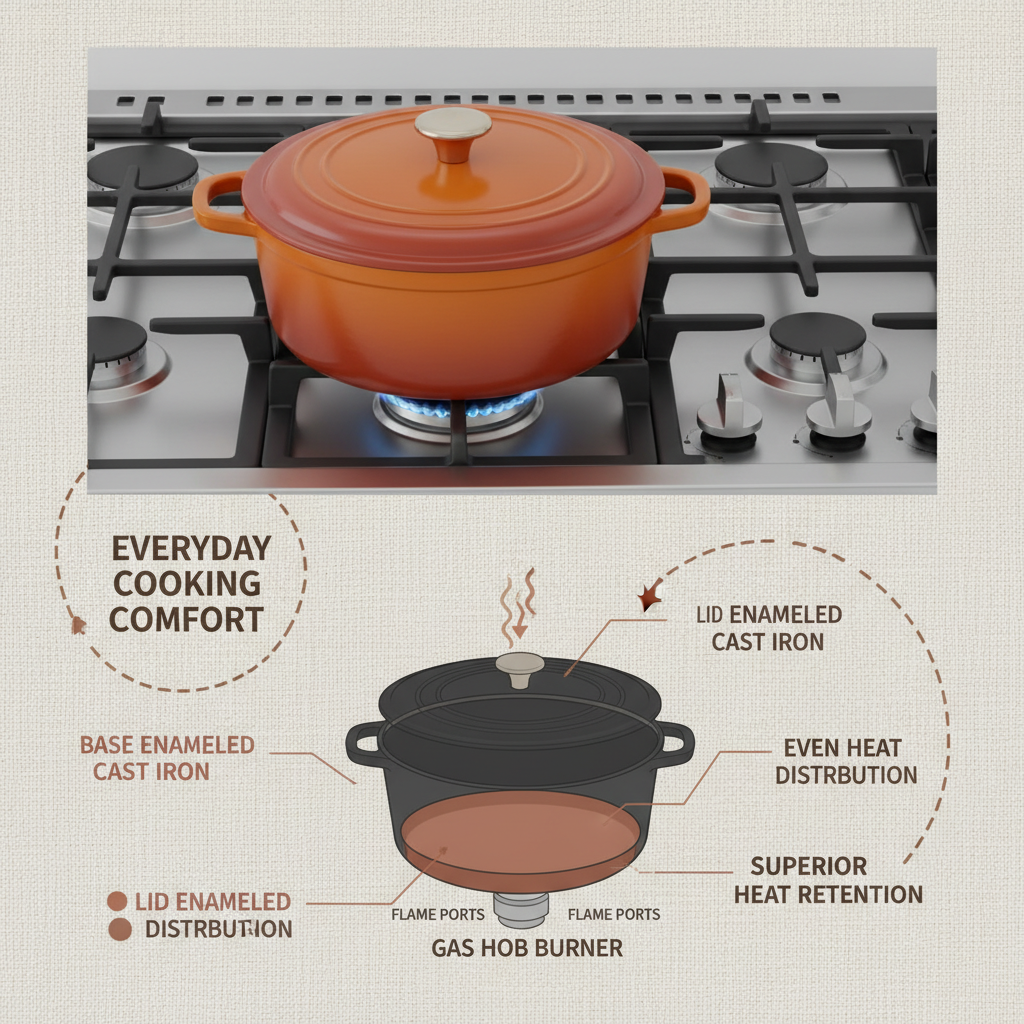
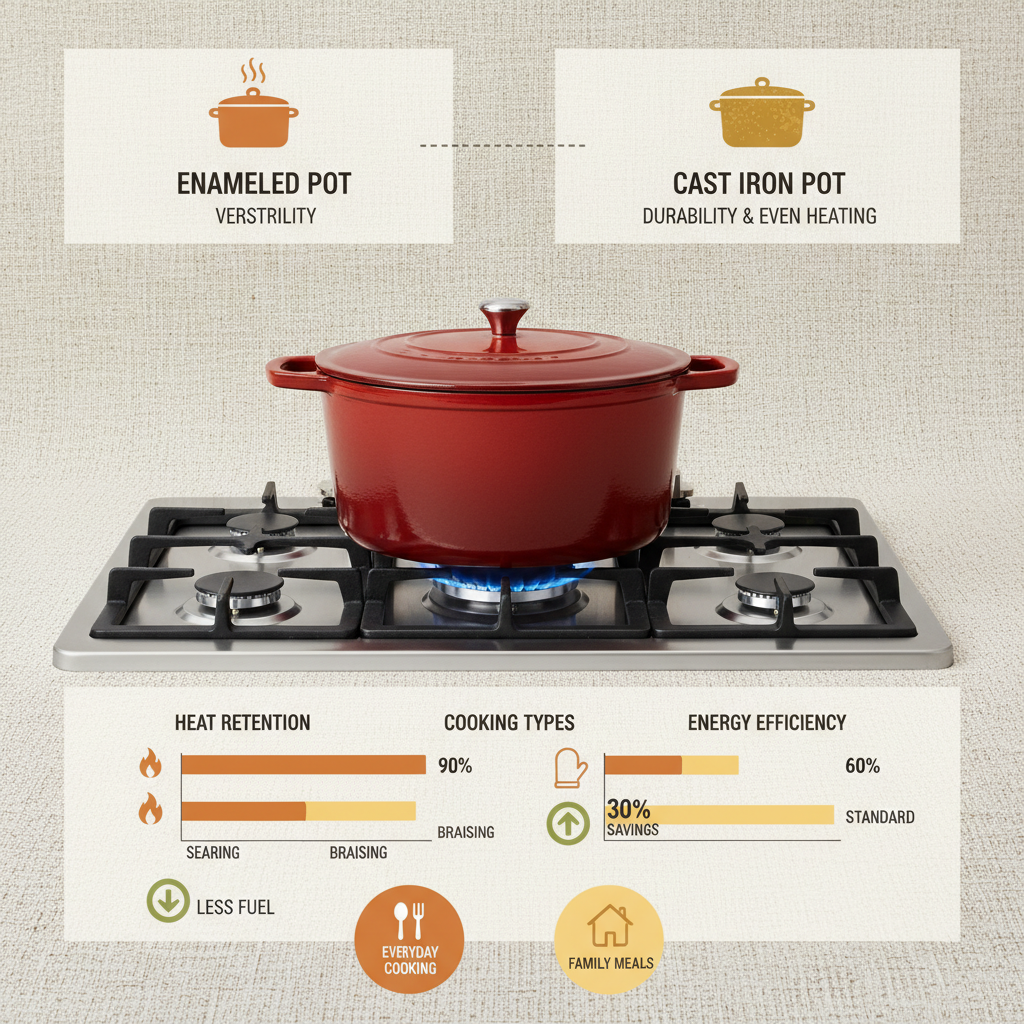
Look, we’re not talking about setting up a gourmet kitchen here. This is about being practical. A cast iron casserole dish on gas hob allows cooks to prepare large quantities of food – chili, stew, pasta – all in one go. That's a huge time-saver when you're feeding a crew of twenty or thirty guys. You can brown meat, simmer sauces, and cook everything with consistent heat.
It also simplifies cleanup. One dish means less washing up, which is a big deal when you’re trying to get things done quickly. And because it’s cast iron, it’s incredibly versatile. You can use it directly on a gas hob, over a campfire, or even in an oven, which is useful if you've got access to temporary site facilities.
Absolutely. Cast iron is incredibly robust and can withstand the rough handling common on construction sites. The compatibility with gas hobs means you can easily use it with portable burners, making it ideal for outdoor cooking. It’s built to handle the elements and deliver consistent heat even in windy conditions.
Cleaning can be surprisingly easy, especially with a well-seasoned dish. Food tends not to stick, and a quick scrub with hot water and a brush is usually all it takes. Avoid harsh soaps, as they can strip the seasoning. Proper maintenance will keep it in top condition for years, even with limited cleaning facilities on site.
For a crew of 10-15 people, a 6-8 quart dish is a good starting point. If you're feeding a larger crew, consider a 10-12 quart dish. It's better to have a slightly larger dish than to have to cook in multiple batches, which wastes time and energy.
The primary safety concern is heat. Cast iron gets very hot, so always use oven mitts or pot holders when handling it. Ensure the dish is stable on the gas hob to prevent tipping. Also, be mindful of flammable materials nearby and maintain adequate ventilation when cooking in enclosed spaces.
Cast iron excels in heat retention, meaning you use less fuel to maintain cooking temperatures. Compared to thin-walled pans or camp stoves, it significantly reduces fuel consumption, leading to cost savings over time. This is particularly beneficial on remote sites where fuel delivery is expensive and infrequent.
Regular seasoning is crucial. After each use, clean the dish, dry it thoroughly, and apply a thin coat of oil. This prevents rust and maintains the non-stick surface. Avoid using abrasive cleaners or letting the dish soak in water for extended periods. With proper care, it will last a lifetime.
A cast iron casserole dish on gas hob isn't just a cooking pot; it’s a practical, durable, and cost-effective solution for feeding crews on construction sites. It’s a tool that improves morale, boosts efficiency, and promotes sustainability. It's about recognizing that a well-fed crew is a productive crew, and that investing in their well-being is an investment in the success of the project.
Moving forward, I encourage project managers and site supervisors to consider incorporating this simple, yet effective, piece of equipment into their site operations. It’s a small change that can make a big difference, creating a more positive and productive work environment for everyone involved. Check out DBE Cookware to find the perfect cast iron casserole dish for your needs.

Inquire Now for Cast Iron Cookware Deals
Please Fill Out The Form Below And Our Team Will Get Back To You With Pricing, Product Details, And Customization Options.

Debien is advancing with time, updating equipment, elaborately carving out our brand, focusing on developing high-end products, and actively responding to market demands with creativity.


QUICK LINKS
CONTACT US
Debien is advancing with time, updating equipment, elaborately carving out our brand, focusing on developing high-end products, and actively responding to market demands with creativity.
Copyright © 2026 HEBEI DEBIEN TECHNOLOGY CO., LTD. All Rights Reserved. Sitemap | Privacy Policy | Top Blog | Global Service