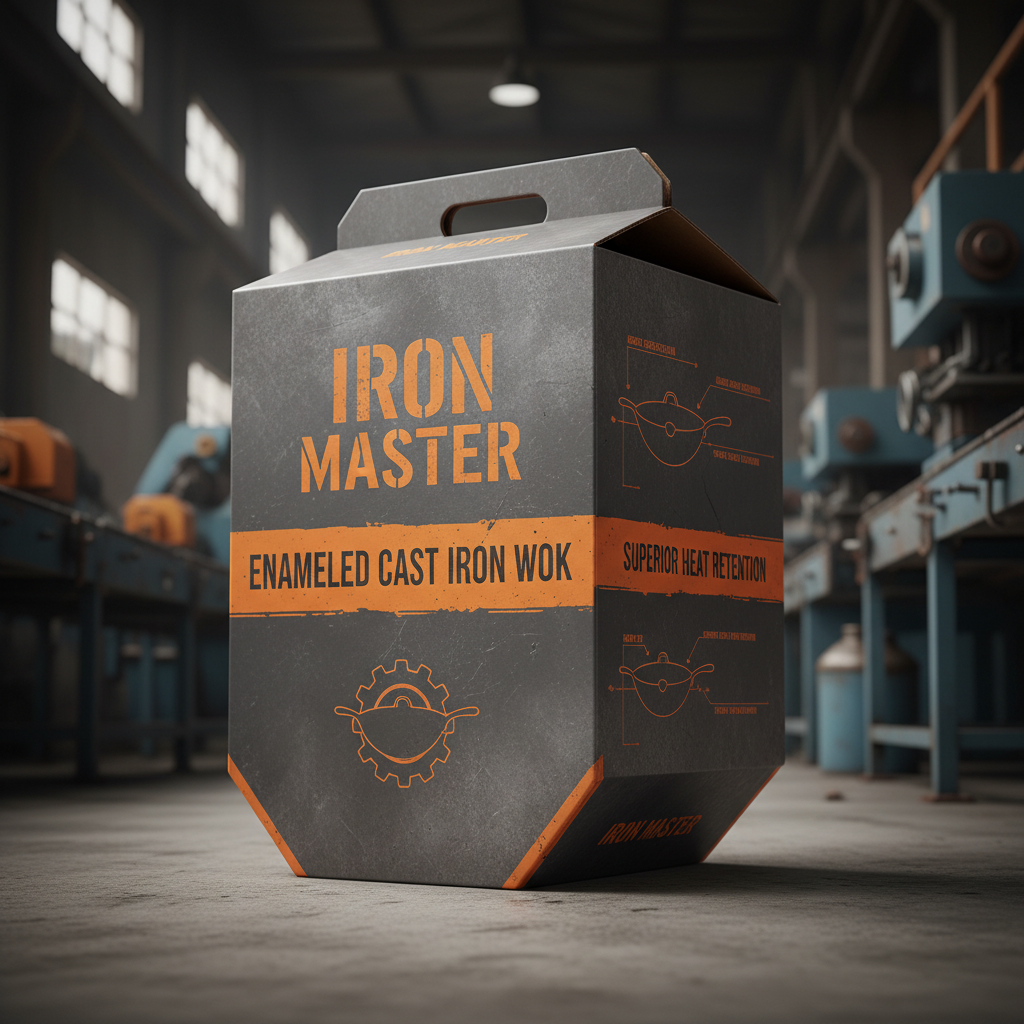

Choosing the right cookware is a pivotal decision for any culinary enthusiast or professional chef, and the decision to buy cast iron casserole dish options often marks a transition toward more sustainable, high-performance cooking. These versatile vessels are renowned for their unmatched heat retention and durability, making them essential for slow-cooking, braising, and oven-to-table presentations.
In the global kitchenware market, the resurgence of traditional materials is driven by a desire for non-toxic, long-lasting alternatives to disposable Teflon-coated pans. When you buy cast iron casserole dish sets, you are investing in a piece of equipment that, if properly maintained, can last for generations, effectively reducing waste and providing a consistent cooking experience across various heat sources.
Understanding the technical nuances of cast iron—from the porosity of raw iron to the protective barrier of enamel—allows consumers to make an informed purchase. Whether you are looking for the rustic charm of seasoned iron or the vibrant, easy-clean surface of an enamel pot, the goal is to find a balance between thermal efficiency and daily practical utility.
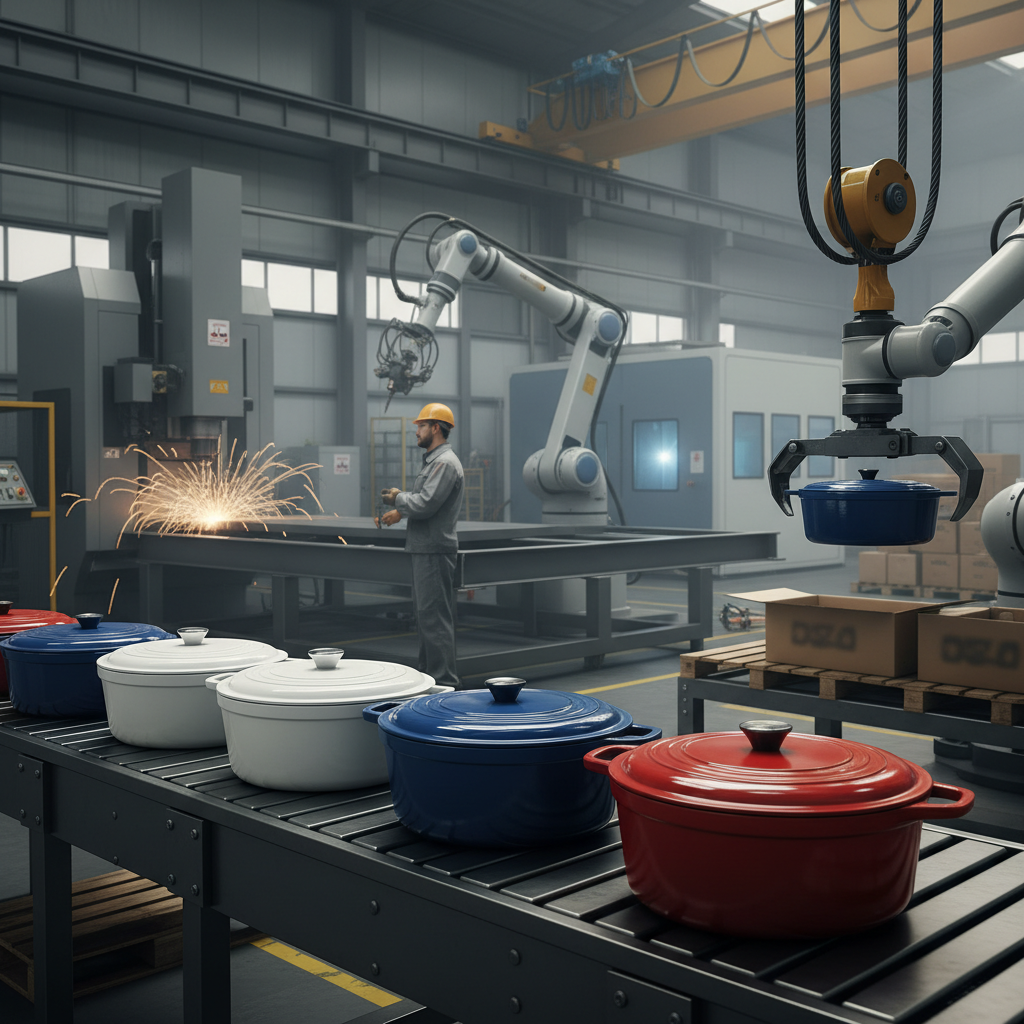
The decision to buy cast iron casserole dish products is often influenced by a global shift toward "slow food" and traditional cooking methods. Across Europe and North America, there is a documented increase in the preference for materials that support low-and-slow cooking, which preserves nutrients and enhances flavor profiles in a way that rapid electric cooking cannot.
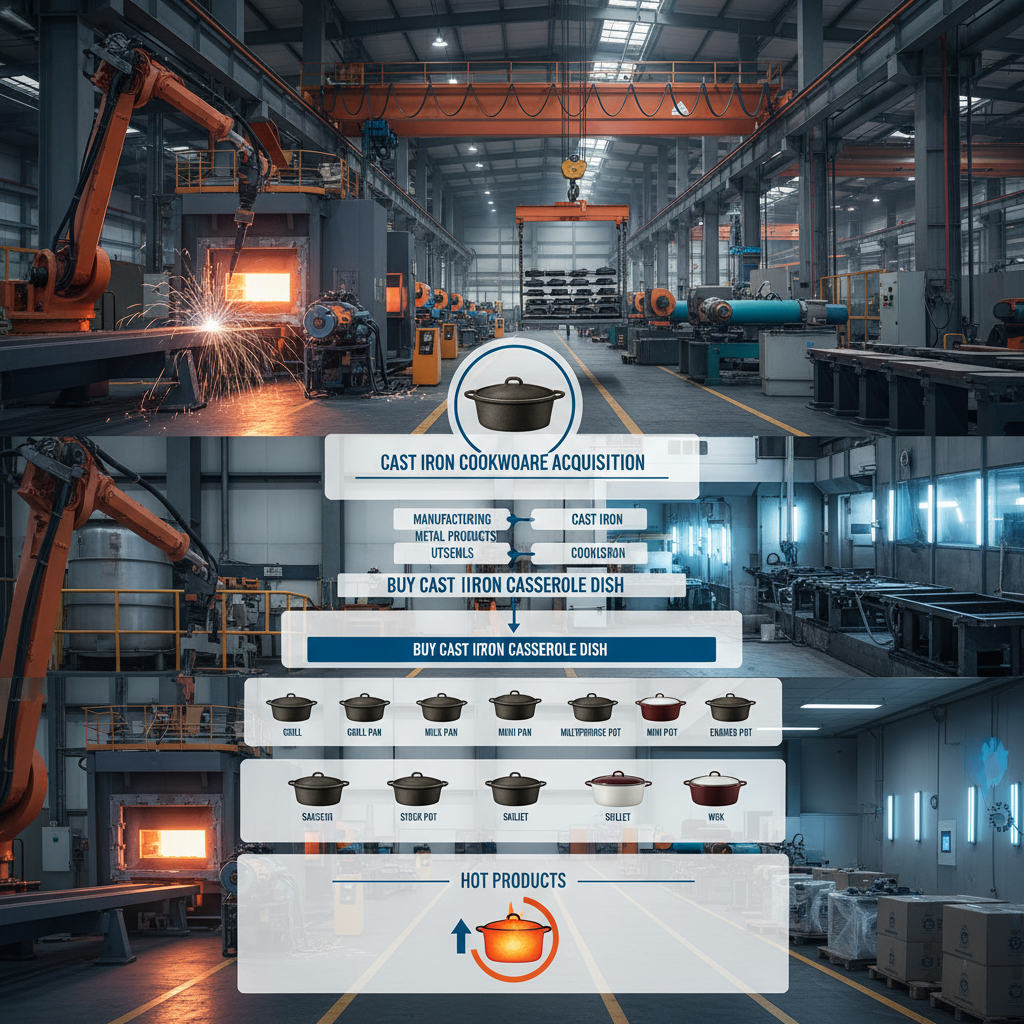
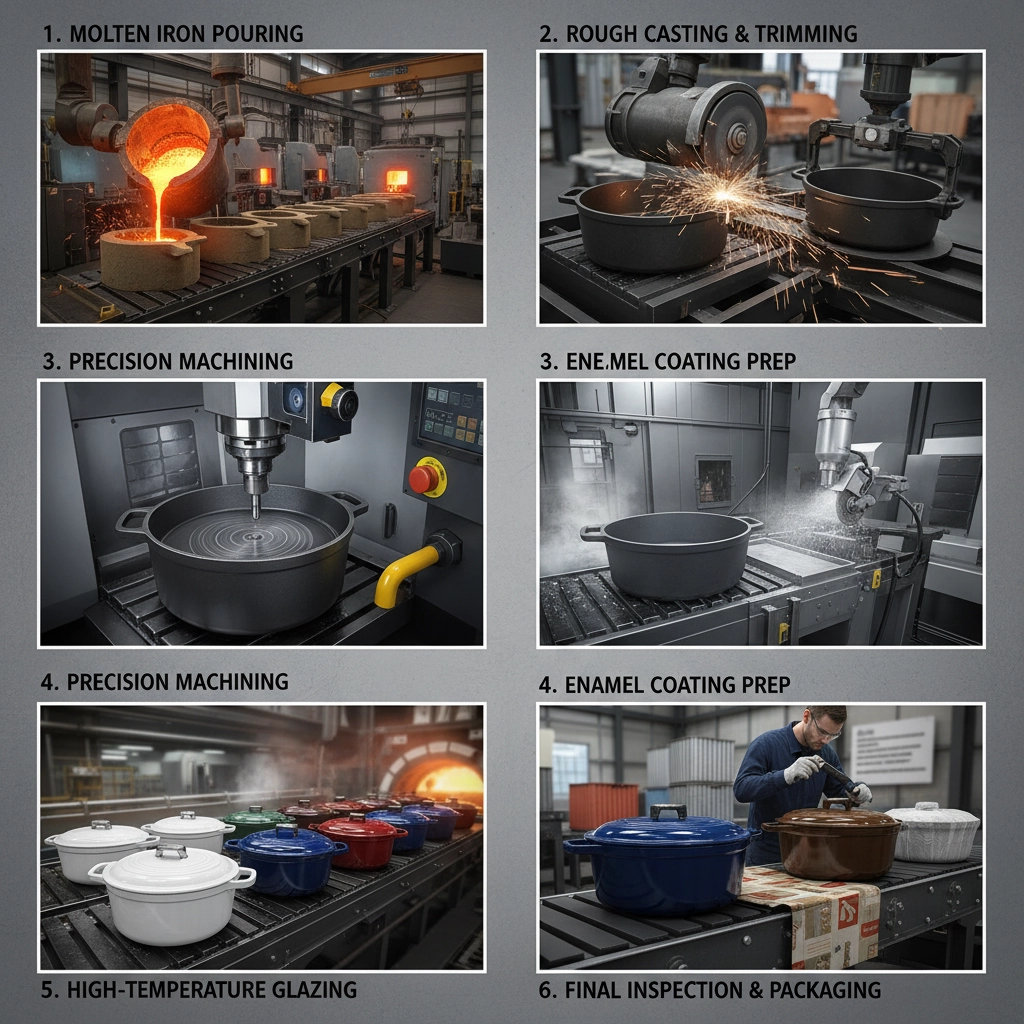
From an industrial perspective, the manufacturing of these dishes adheres to strict ISO standards to ensure metal purity and structural integrity. This global standardization ensures that whether a dish is used in a professional French kitchen or a home in Asia, the thermal conductivity remains predictable and reliable.
At its heart, a cast iron casserole dish is more than just a pot; it is a thermal battery. The high density of the iron allows it to absorb a massive amount of heat and distribute it evenly across the bottom and sides. This eliminates "hot spots," ensuring that a stew or roast cooks uniformly without scorching in one area.
Another critical component is the lid. A tight-fitting, heavy lid is essential for maintaining a closed loop of moisture. As steam rises, it condenses on the lid and drips back into the food, a process known as self-basting, which is a primary reason why chefs specifically seek to buy cast iron casserole dish models with heavy-gauge lids.
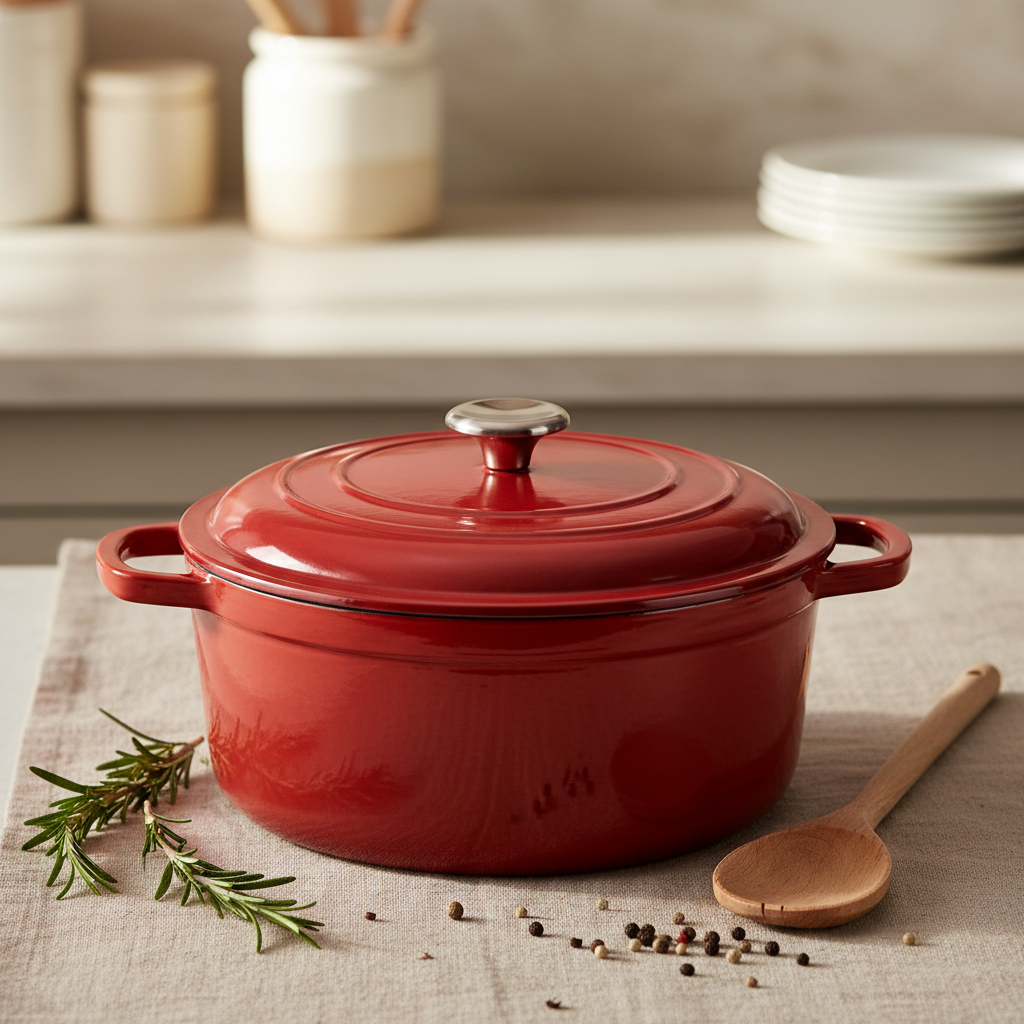
Finally, the surface treatment—whether it be a natural seasoning of polymerized oils or a vitreous enamel coating—determines the dish's reactivity. Enamel allows for the cooking of acidic foods like tomato sauces without leaching metallic tastes, whereas seasoned iron provides a natural non-stick surface that improves with every use.
When you decide to buy cast iron casserole dish units, the first factor to consider is the wall thickness. Thicker walls provide superior heat retention, which is vital for keeping food warm on the table, though they require a longer preheating time.
Material purity is equally important. High-quality iron casting prevents the inclusion of slag or air bubbles, which can cause the enamel to crack or the iron to warp under extreme temperature changes. This structural integrity is what separates a professional-grade tool from a budget alternative.
Weight distribution also plays a role in usability. A well-balanced dish allows for easier handling and more stable heat distribution. If you buy cast iron casserole dish options with integrated helper handles, you gain significant safety advantages when moving heavy pots from the oven to the counter.
Comparing different types of cookware reveals why many professionals choose to buy cast iron casserole dish systems over stainless steel or aluminum. While aluminum heats up faster, it loses heat almost instantly once removed from the flame, whereas cast iron maintains a steady temperature for far longer.
The efficiency of cast iron is most evident in energy-saving contexts. Because the material holds heat so effectively, you can often lower the oven temperature or reduce the simmer time, leading to lower energy consumption over the long term.
The utility of these vessels extends far beyond the home kitchen. In professional hospitality sectors, restaurants buy cast iron casserole dish batches to create signature braised dishes that require consistent temperature control over 8-12 hours. The ability to move a dish from a searing stovetop to a slow oven makes it a versatile tool for high-volume kitchens.
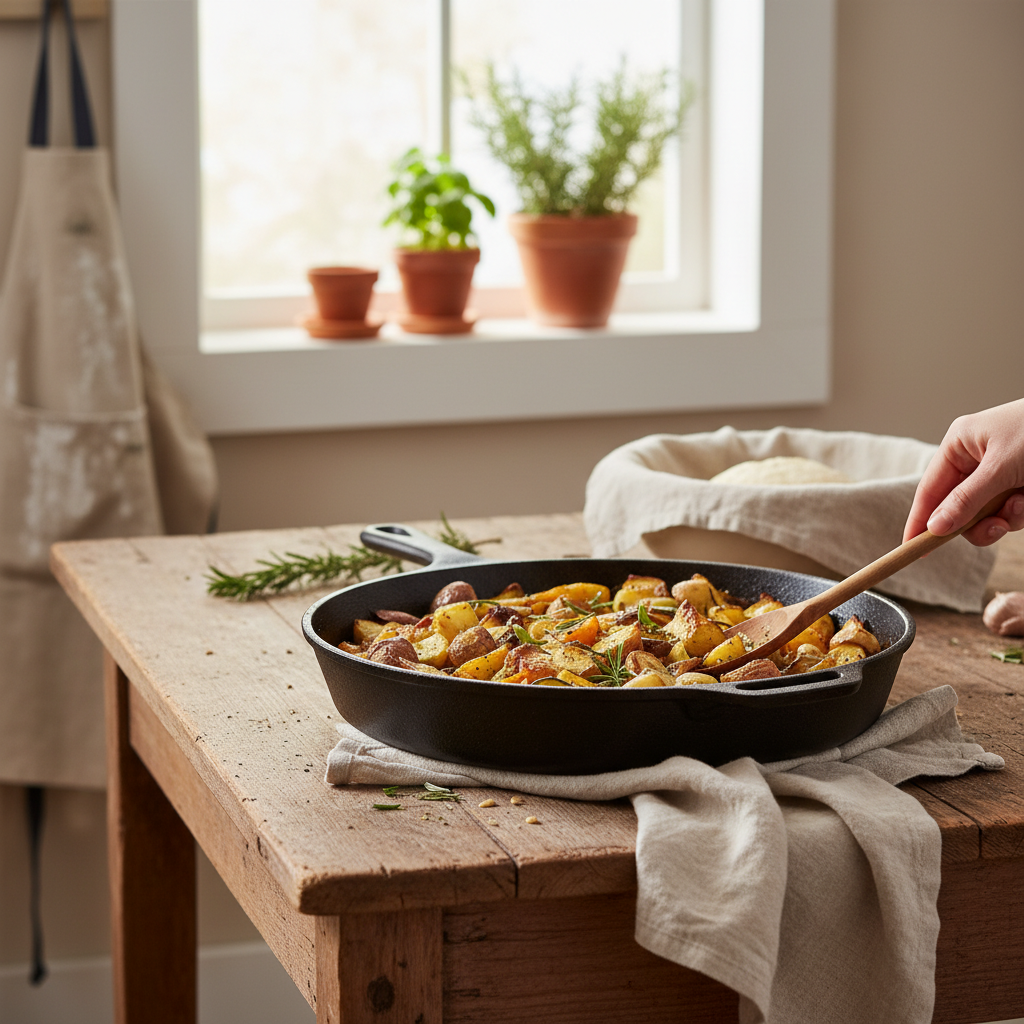
In regions where outdoor cooking is prevalent, such as in rustic European lodges or North American camping cultures, the resilience of cast iron is unmatched. These pots can be used over open flames or charcoal embers without the risk of melting or warping, providing a reliable way to cook hearty meals in remote environments.
From an economic standpoint, the decision to buy cast iron casserole dish cookware is an exercise in long-term saving. Unlike non-stick pans that degrade after two to three years, cast iron is virtually indestructible. This removes the recurring cost of replacement and significantly reduces the amount of metal waste ending up in landfills.
Sustainability also manifests in the health benefits. Natural cast iron can actually supplement the dietary intake of iron, a vital mineral for many populations. Moreover, the absence of PFAS and other synthetic chemicals found in modern coatings provides peace of mind for health-conscious consumers.
There is also an emotional value associated with these pieces. A cast iron pot often becomes a family heirloom, carrying the "seasoning" and memories of decades of meals. This creates a bridge between generations, fostering a culture of mindful consumption and culinary tradition.
The industry is currently evolving through the integration of precision casting and advanced enamel chemistry. Manufacturers are now using computer-aided design (CAD) to optimize wall thickness, reducing the overall weight without sacrificing the heat retention that leads people to buy cast iron casserole dish products.
Green energy is also transforming the foundry process. Many leading manufacturers are switching to induction-furnace melting powered by renewable energy, reducing the carbon footprint of every pot produced. This ensures that the "traditional" product is compatible with a modern, eco-friendly future.
Additionally, we are seeing the rise of "smart" cast iron, where thermal sensors are integrated into the lids to provide real-time temperature data to a smartphone app, blending 19th-century metallurgy with 21st-century digital transformation.
| Material Finish | Heat Distribution | Maintenance Level | Recommended Use |
|---|---|---|---|
| Vitreous Enamel | Excellent | Low | Acidic stews & Baking |
| Pre-Seasoned Raw | Very High | High | Searing & High-heat |
| Matte Black Enamel | High | Medium | Browning & Braising |
| Light-Colored Enamel | Good | Low | Soups & Casseroles |
| Industrial Grade Cast | Maximum | Medium | Commercial Kitchens |
| Composite Iron | Moderate | Low | General Home Use |
It depends on your cooking style. Enamel is ideal for those who want low maintenance and need to cook acidic foods (like tomato-based stews) without affecting the taste. Raw cast iron is better for high-heat searing and those who enjoy the process of seasoning their cookware to create a natural non-stick surface.
The key is moisture control. Always dry your dish immediately after washing. For raw iron, apply a thin layer of cooking oil and heat it slightly to maintain the polymerized barrier. For enamel, avoid using abrasive scrubbers that can scratch the coating and expose the underlying iron.
Yes, cast iron is magnetic and is one of the best materials for induction cooking. However, ensure the bottom of the dish is completely flat to maximize the connection with the induction surface for optimal energy transfer.
The weight comes from the density of the iron, which is exactly what provides its superior heat retention. This mass allows the pot to maintain a constant temperature, which is essential for slow-cooking and preventing the food from cooling down too quickly during serving.
Absolutely. Cast iron is one of the safest materials available, as it is free from the synthetic polymers found in Teflon pans. In fact, it can add a small, healthy amount of dietary iron to your meals, making it a beneficial choice for daily cooking.
Consider your typical household size. A 4-6 quart dish is generally perfect for families of 3-5. If you frequently entertain or cook large batches for freezing, a 7+ quart dish is recommended. Remember that larger dishes take longer to preheat.
In summary, the decision to buy cast iron casserole dish cookware is an investment in culinary excellence, durability, and sustainability. By combining unmatched thermal mass with versatile application—from the stove to the oven—these vessels solve the common problem of uneven heating and food dehydration. Whether opting for the ease of enamel or the tradition of seasoned iron, the long-term value far outweighs the initial cost.
As we look toward the future of the kitchen, the blend of traditional materials and modern manufacturing ensures that cast iron remains relevant. We suggest starting with a medium-sized enameled dish for maximum versatility. To explore our full range of professional-grade cast iron solutions, visit our website: www.dbecookware.com.

Inquire Now for Cast Iron Cookware Deals
Please Fill Out The Form Below And Our Team Will Get Back To You With Pricing, Product Details, And Customization Options.

Debien is advancing with time, updating equipment, elaborately carving out our brand, focusing on developing high-end products, and actively responding to market demands with creativity.
CONTACT US
Debien is advancing with time, updating equipment, elaborately carving out our brand, focusing on developing high-end products, and actively responding to market demands with creativity.
Copyright © 2026 HEBEI DEBIEN TECHNOLOGY CO., LTD. All Rights Reserved. Sitemap | Privacy Policy | Top Blog | Global Service | Hot Products